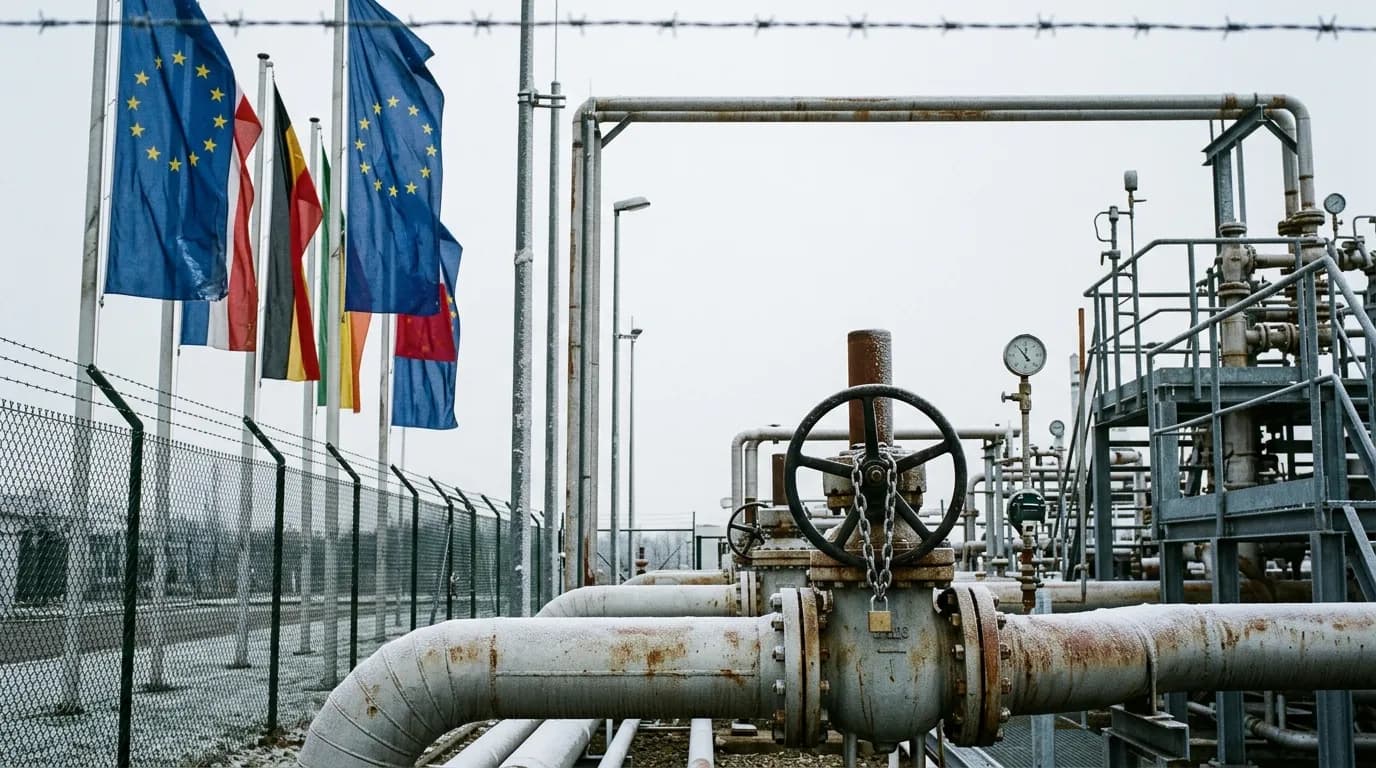
IAEA Sounds Global Nuclear Alarm After Drone Strike Shatters Critical Protective Shield
The IAEA has confirmed that a recent drone strike severely compromised the main protective shield at a nuclear site, leaving it unable to perform its core safety functions. While key structural elements remain stable, the Agency says only full restoration can ensure long-term nuclear security. International partners, including the EBRD, the EU and the UK, are supporting emergency repairs and supplying critical equipment. The IAEA stresses that global attention and continued assistance are essential as the conflict persists.
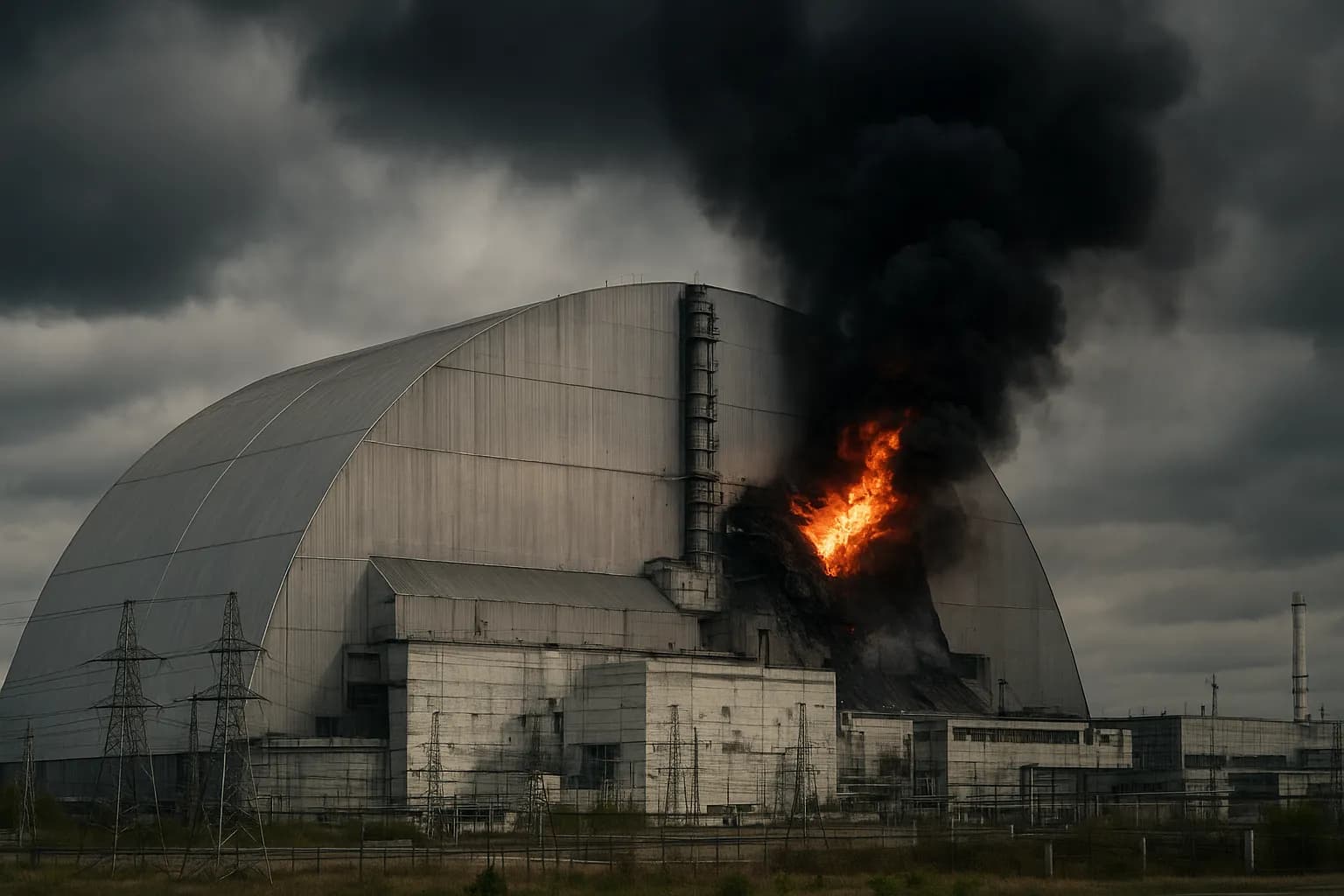
Chernobyl’s Protective Dome No Longer Fully Functional After Drone Strike, IAEA Warns
Source: Update 331 – IAEA Director General Statement on Situation in Ukraine
The International Atomic Energy Agency (IAEA) has issued an urgent warning about the structural integrity of the protective dome over the Chernobyl Nuclear Power Plant, stating that the facility’s confinement system has lost its core safety functions following a recent drone strike.
According to the IAEA’s latest assessment, the impact ignited a major fire on the outer surface of the New Safe Confinement (NSC) structure — the steel arch built to seal the remains of Reactor No. 4 and prevent radioactive release. The damage, the Agency said, has compromised the dome’s ability to contain contamination and shield the site from external hazards.
IAEA Director General Rafael Grossi confirmed that inspections carried out by experts on-site “clearly indicated a loss of primary safety layers designed to suppress radiation escape.” While load-bearing elements and monitoring networks remain intact, Grossi stressed that restoring the full protective function of the NSC will require extensive reconstruction.
The sarcophagus — originally installed after the 1986 disaster and later enveloped by the NSC — was a multinational engineering effort financed with €2.2 billion. In February, UN officials confirmed that a drone carrying a high-explosive warhead had struck the site, sparking the fire that ultimately altered the design limits of the protective system. Ukraine has accused Russia of orchestrating the attack, while Moscow has categorically denied involvement. Radiation levels at the time remained stable.
According to the IAEA, 2026 will mark the start of additional interim repairs supported by the European Bank for Reconstruction and Development (EBRD), aimed at partially restoring the containment capabilities until a full reconstruction becomes feasible after the conflict.
Grossi emphasized that the Agency’s permanent mission at Chernobyl “will continue to provide all necessary assistance to ensure nuclear safety and security on-site.”
As part of its broader support programme, the IAEA recently coordinated three new shipments of protective gear, medical supplies, and technical equipment to Ukrainian nuclear facilities. These deliveries — funded by the European Union and the United Kingdom — bring the total number of shipments since the start of the war to 188, valued at over €21 million.
The Agency stressed that ensuring the long-term stability of the Chernobyl site remains a matter of international nuclear security, requiring sustained global attention and continued technical assistance.
EUReflect News
Site Administrator
Follow EUReflect
See more of our reporting on Google
Mark EUReflect as a preferred source and our stories are ranked higher for you in Top Stories, Discover and Google News — and carry a “preferred” badge when they are cited in AI results.
Add EUReflect as a preferred source