Israel–Hezbollah Tensions and Power Dynamics
The Israel–Hezbollah conflict reflects the intersection of security strategies and ideological narratives shaping regional instability. State security doctrines, identity politics, and struggles for international legitimacy contribute to the persistence and complexity of conflict dynamics in the Middle East.
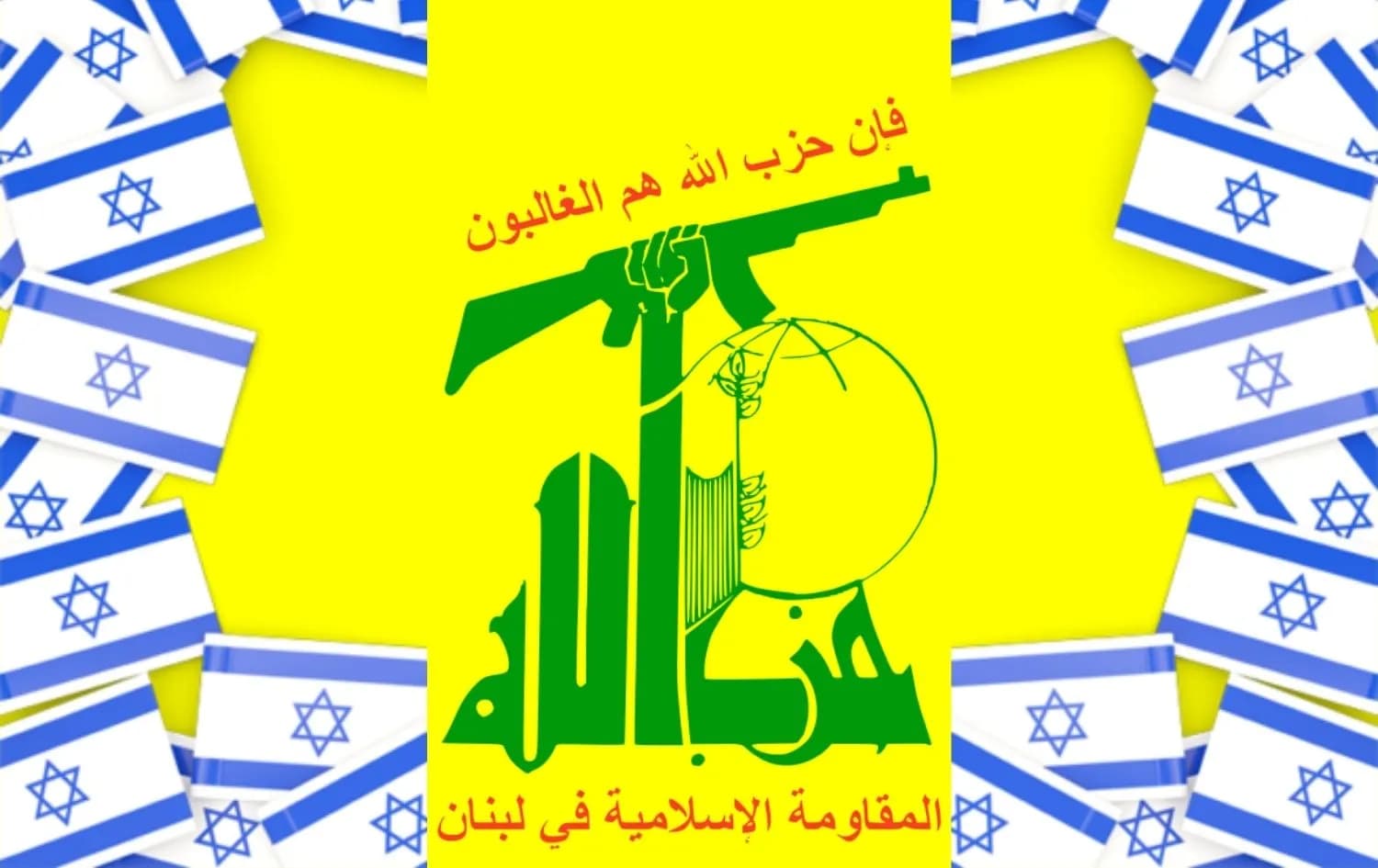
Introduction
Ongoing conflicts in the Middle East are shaped not only by military strategies and security policies but also by ideological rivalries and identity-based narratives. The tensions between Israel and Hezbollah represent a complex conflict dynamic emerging at the intersection of regional power balances, security concerns, and ideological motivations. The announcement by Israeli Defense Minister Israel Katz regarding plans to establish control over extensive areas in southern Lebanon demonstrates that this conflict should be analyzed not merely as a military confrontation but as part of a broader ideological strategy framework.
In this context, Israel’s objective of creating a security zone, Hezbollah’s discourse of resistance, and Iran’s regional ideological influence transform the conflict from a conventional border security issue into a wider arena of ideological competition. In particular, ideological motivations associated with Iran’s political-religious leadership structure have been observed to shape strategic decisions among regional actors.
1. The Pursuit of Security and Hegemony: State-Centered Ideology
Israel’s intention to establish a security zone in southern Lebanon reflects the ideological dimension of modern state security doctrines. State-centered security ideology often equates territorial control with the preservation of national existence. This perspective has been shaped, in part, by Israel’s historical security experiences and persistent threat perceptions.
The plan to maintain control over territory extending to the Litani River represents not only a tactical military maneuver but also an effort to achieve strategic depth and deterrence. Such policies can be interpreted as manifestations of realist security thinking in which cross-border intervention is considered a legitimate instrument for safeguarding national interests.
Within this ideological framework, security is conceptualized not solely as defense but also as a mechanism for control and regional influence. Consequently, these policies generate debates regarding sovereignty, proportionality, and compliance with international law.
2. Resistance and Identity Politics: Hezbollah’s Ideological Framework
Hezbollah’s military actions against Israel are frequently framed within an ideological discourse of resistance rather than solely as tactical operations. The organization’s ideological structure is rooted in religious identity, anti-imperialist narratives, and regional solidarity. This ideological framework provides a legitimizing narrative for its military activities.
As a movement supported by Iran, Hezbollah is often viewed as an extension of broader political-religious ideological networks within the region. In this sense, attacks are interpreted not only as military actions but also as symbolic acts carrying ideological messages. The targeting of leadership figures or the invocation of retaliation narratives reinforces the ideological character of the conflict.
Such ideological mobilization contributes to the persistence and complexity of the conflict. Ideological conflicts rarely end through military victory alone; instead, they tend to be reproduced through enduring identity systems and belief structures.
3. International Institutions and the Struggle for Legitimacy
The deaths of United Nations peacekeepers and the ongoing disputes over responsibility illustrate the importance of international legitimacy in contemporary conflicts. Competing actors seek to shape global public opinion by constructing narratives that portray their actions as lawful and justified.
International institutions play a critical role in assessing the legal and ethical dimensions of armed conflict and in facilitating mediation efforts. However, increasing ideological polarization can weaken trust in international mechanisms and limit their operational effectiveness.
In the contemporary international system, legitimacy is determined not only by adherence to legal norms but also by the persuasive power of ideological narratives. As a result, information warfare and strategic communication have become increasingly central components of modern conflict dynamics.
Conclusion
The conflict between Israel and Hezbollah embodies a complex ideological structure that cannot be fully understood through military operations or security policies alone. Factors such as state security doctrines, religious identity, regional power competition, and the pursuit of international legitimacy collectively sustain the persistence of the conflict.
Therefore, the achievement of lasting peace depends not only on shifts in military balance but also on the transformation of ideological narratives and the reconstruction of mutual trust among regional actors. Without such changes, the conflict is likely to re-emerge in different forms across future periods.
Ahmet Balakan
Contributing writer at EUReflect.
Follow EUReflect
See more of our reporting on Google
Mark EUReflect as a preferred source and our stories are ranked higher for you in Top Stories, Discover and Google News — and carry a “preferred” badge when they are cited in AI results.
Add EUReflect as a preferred source