Kazakhstan: A Central Asian Jewel
Kazakhstan: A Central Asian Jewel Between Nomadic Traditions, Grand Landscapes and Regional Ambitions
Often overshadowed by more widely publicised destinations, Kazakhstan nonetheless stands out as one of the most fascinating countries in Central Asia. Located at the crossroads of Europe and Asia, it combines nomadic heritage, spectacular natural scenery and an assertive modernity, while playing a key role in regional economic and political balances. Following Eureflect’s coverage of Turkmenistan, Kazakhstan naturally emerges as a cornerstone for understanding the dynamics of this still little-known region.
A culture shaped by the steppe and hospitality
Kazakh identity is deeply rooted in centuries of nomadic life. The steppe is not merely a backdrop: it shapes worldviews, traditions and social values. Hospitality remains a central pillar of Kazakh culture, expressed through shared meals such as beshbarmak and through rituals linked to pastoral life and seasonal cycles.
This living heritage is visible both in rural areas and in major cities. In Almaty, the country’s former capital and cultural heart, museums, markets and festivals reflect a strong attachment to tradition, while contemporary influences reveal a society in constant transformation.
Some of Central Asia’s most spectacular landscapes
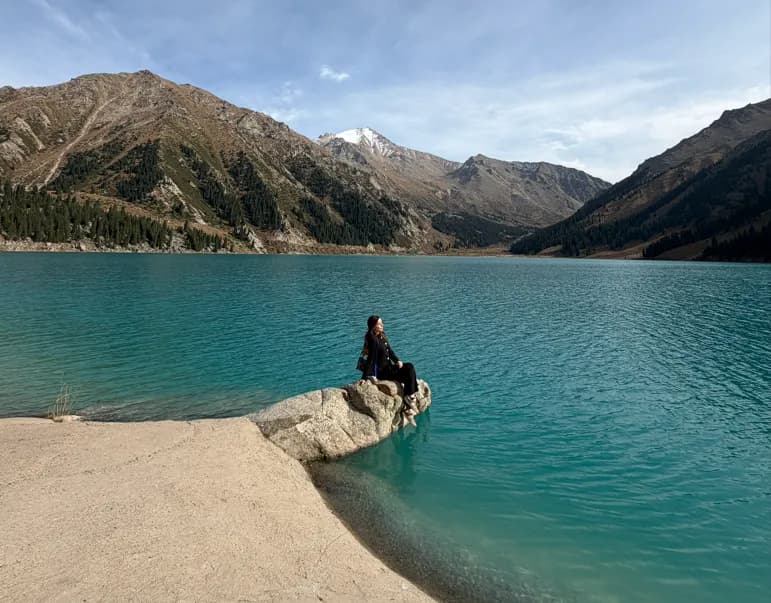
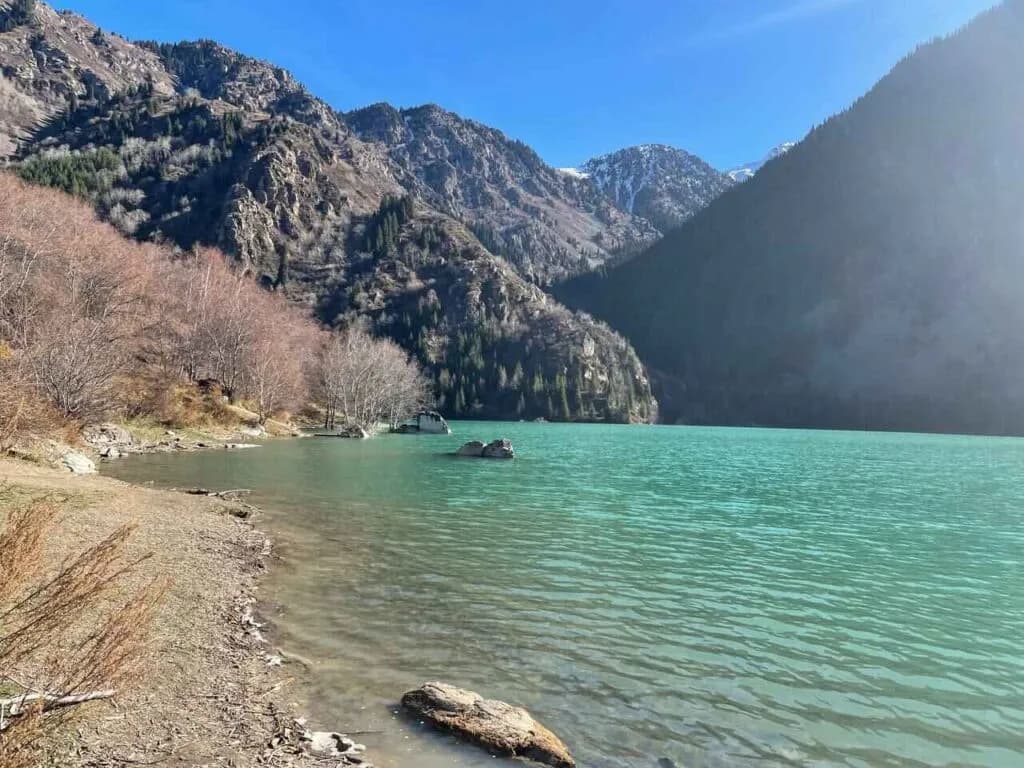
Kazakhstan stands out for its exceptional natural diversity. From endless steppes to the snow-capped peaks of the Tian Shan, via dramatic canyons and alpine lakes, the country offers an ideal setting for nature-based tourism.
Sites such as Charyn Canyon, the Kolsai and Kaindy lakes, and vast national parks attract hikers, photographers and lovers of wide open spaces. This natural wealth has become a strategic asset in developing an alternative tourism model, far removed from mass tourism.
The bet on sustainable tourism
Aware of the limits of an economy long dependent on hydrocarbons, Kazakhstan is increasingly investing in ecotourism and sustainability. The protection of national parks, biodiversity conservation and the development of environmentally friendly accommodation all reflect a desire to reconcile economic growth with ecological preservation.
This strategy also aligns with the expectations of European audiences increasingly sensitive to environmental issues, positioning Kazakhstan as a destination in tune with new tourism practices.
An economic engine and a key partner for Europe
Beyond its tourism appeal, Kazakhstan occupies a central position in Central Asia. It is the leading economic power in the region and the main trading partner of the European Union in Central Asia. This strategic role strengthens its function as a bridge between Europe and Asia, both economically and logistically.
This “business” dimension complements the country’s image: Kazakhstan is not only a destination for exploration, but also a structuring actor in its regional environment.
Baikonur, a uniqueness without equal
Finally, any discussion of Kazakhstan would be incomplete without mentioning a truly unique site: the Baikonur Cosmodrome. As the birthplace of global space exploration and the launch site of the first human spaceflights, Baikonur gives the country a rare scientific and technological dimension.
Even briefly referenced, this space heritage reinforces the image of a Kazakhstan where ancient traditions and cutting-edge modernity coexist, adding a distinctive layer to its international appeal.
Conclusion
Kazakhstan thus appears as a multifaceted Central Asian jewel. A land of nomadic traditions, grand landscapes and innovation, it combines tourism appeal, ecological ambitions and regional economic weight. For travellers and European observers alike, Kazakhstan embodies a Central Asia in motion—deeply rooted in its history yet decisively oriented toward the future.
Enes Taskin
Contributing writer at EUReflect.
Follow EUReflect
See more of our reporting on Google
Mark EUReflect as a preferred source and our stories are ranked higher for you in Top Stories, Discover and Google News — and carry a “preferred” badge when they are cited in AI results.
Add EUReflect as a preferred source