Kazakhstan and the United Nations: A Steadfast Partnership for Global Peace and Sustainable Progress
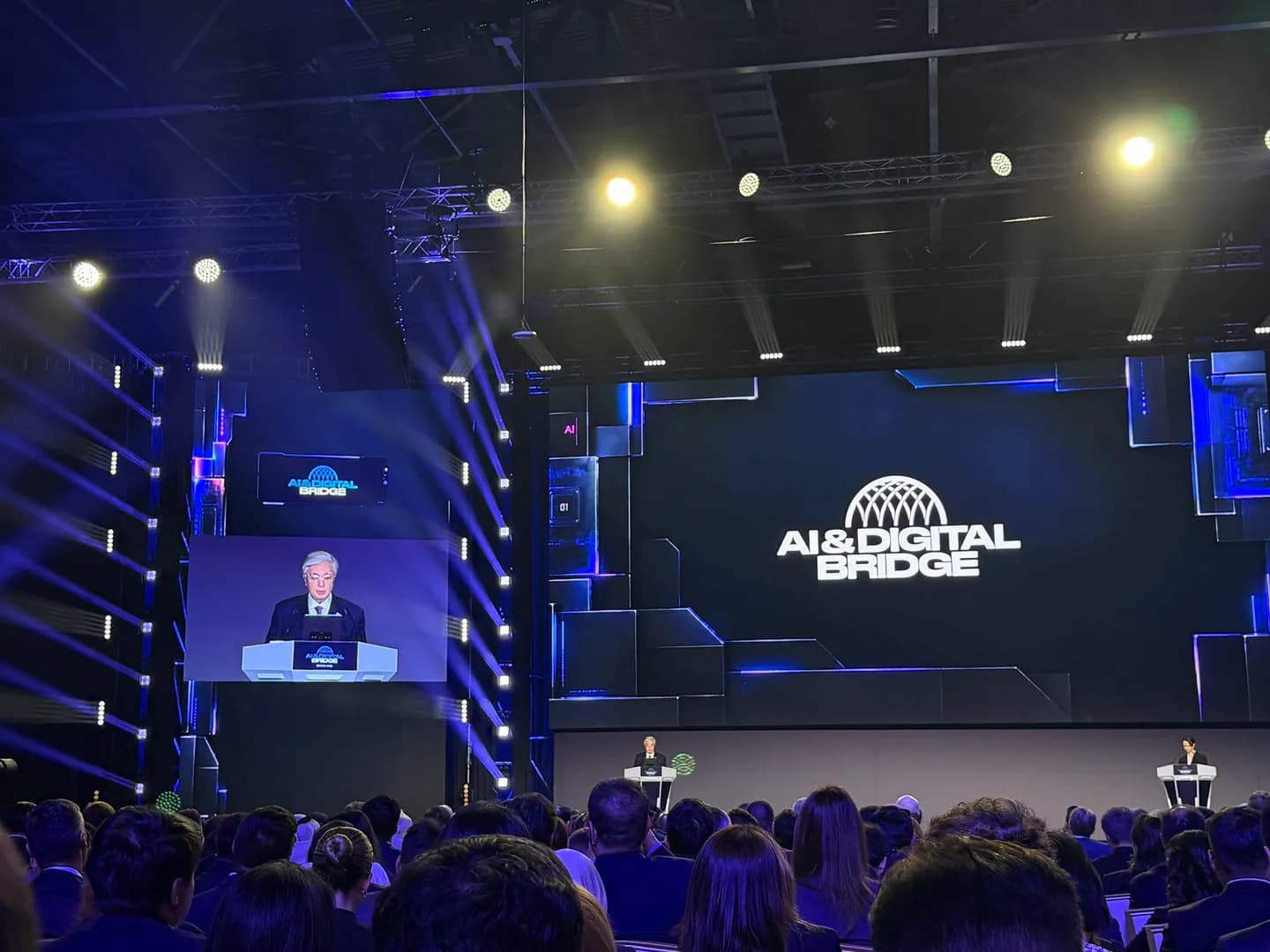
During his official talks with President Kassym-Jomart Tokayev, Secretary-General Guterres praised Kazakhstan’s longstanding contributions to peace, dialogue, and sustainable development. President Tokayev, in turn, reaffirmed the nation’s unwavering commitment to the principles of multilateralism and the UN Charter.
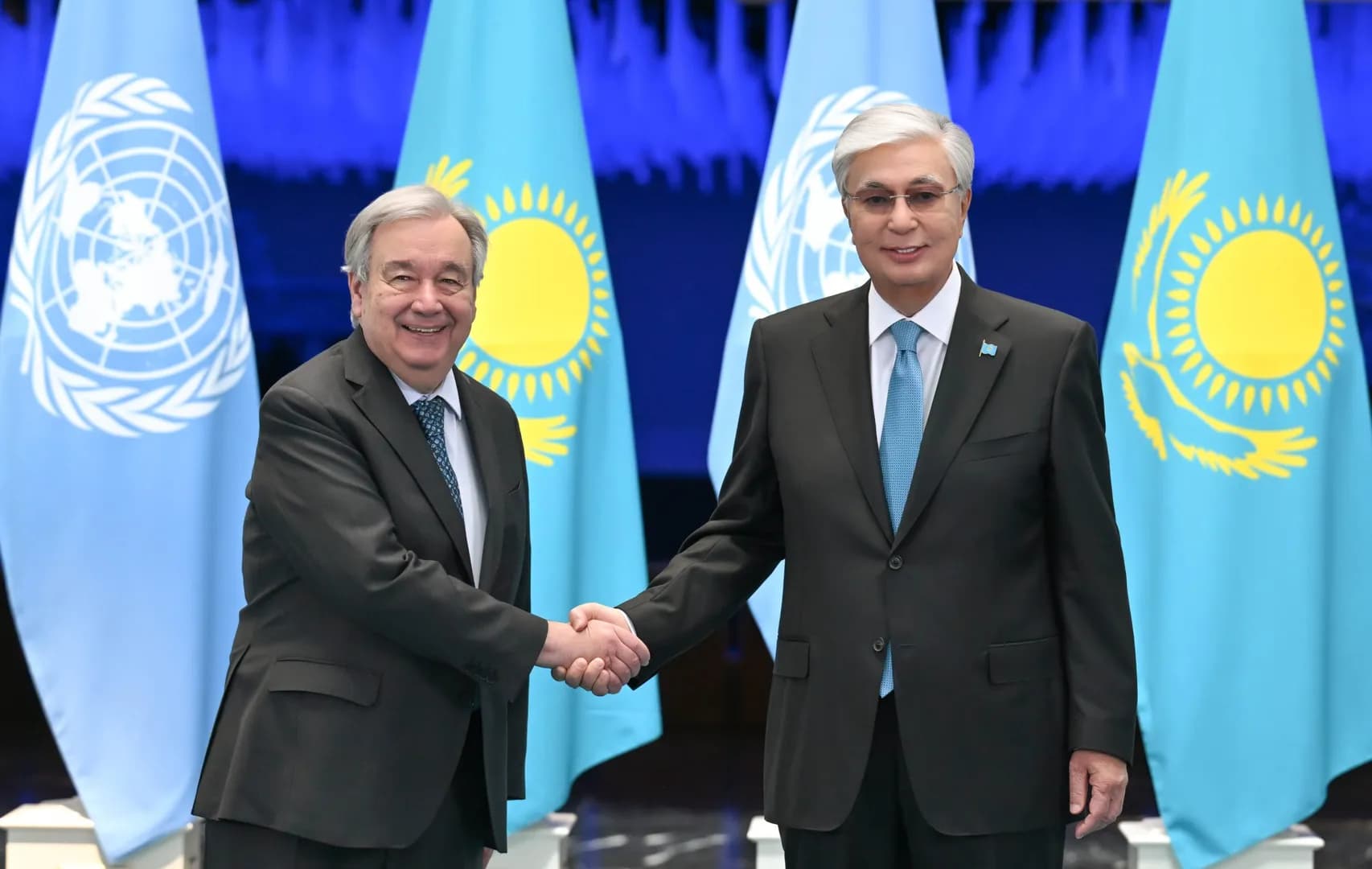
Almaty, August 3, 2025 — In a world facing complex global challenges, Kazakhstan continues to emerge as a reliable partner, a constructive voice, and a bridge between civilizations. The recent visit of UN Secretary-General António Guterres to Kazakhstan, just weeks before the 80th session of the UN General Assembly, underscores the deep-rooted and evolving partnership between the United Nations and Kazakhstan.
During his official talks with President Kassym-Jomart Tokayev, Secretary-General Guterres praised Kazakhstan’s longstanding contributions to peace, dialogue, and sustainable development. President Tokayev, in turn, reaffirmed the nation’s unwavering commitment to the principles of multilateralism and the UN Charter.
“Kazakhstan fully supports your timely and visionary UN80 initiative and stands ready to assist in the reform of the United Nations,” President Tokayev emphasized. “Our country remains firmly dedicated to the fundamental principles of diplomacy, cooperation, and inclusive development.”
One of the key milestones of this partnership is the recent establishment of the first UN Regional Center for Sustainable Development Goals (SDGs) in Central Asia, based in Kazakhstan. This center aims to enhance coordination and accelerate progress on SDG implementation across Central Asia and Afghanistan—a testament to Kazakhstan’s leadership in promoting regional development and global cooperation.
A Legacy of Commitment
Kazakhstan’s engagement with the UN dates back to March 2, 1992, when it became a full member of the organization. Since then, the nation has demonstrated a consistent and forward-looking foreign policy, advocating for global security, nuclear disarmament, and sustainable economic development. Its voluntary renunciation of the world’s fourth-largest nuclear arsenal remains a powerful symbol of Kazakhstan’s commitment to peace.
Kazakhstan’s integration into the international system was marked early on by its participation in the 47th UN General Assembly, where then-President Nursultan Nazarbayev outlined the country’s foreign policy vision. Over the decades, Kazakhstan has grown into a respected voice in the UN, known for its balanced diplomacy and bridge-building initiatives.
From Peacebuilding to Sustainable Growth
Kazakhstan has made significant contributions to the United Nations’ peacekeeping efforts, including the deployment of Kazbat, a specialized Kazakh peacekeeping unit that has served in global hotspots. The country has also supported efforts to combat transnational threats, such as organized crime, drug trafficking, illegal migration, religious extremism, and pandemics.
Environmental and humanitarian challenges have also shaped Kazakhstan’s UN agenda. The devastating legacy of the Semipalatinsk nuclear test site, the shrinking Aral Sea, and growing water scarcity have driven Kazakhstan to advocate for international solutions to ecological crises. The nation has actively participated in UN initiatives aimed at advancing the Millennium Development Goals and, more recently, the Sustainable Development Goals.
A Voice of Dialogue in a Divided World
During his visit, Secretary-General Guterres described Kazakhstan as “a symbol of peace, a bridge between peoples, and an honest broker in times of uncertainty.” He commended the country’s decades-long efforts in promoting intercultural and interfaith dialogue, emphasizing that Kazakhstan’s example proves that coexistence and cooperation between diverse civilizations is not only possible, but essential.
These efforts have earned Kazakhstan wide international recognition. In 2017–2018, Kazakhstan became the first Central Asian country to serve as a non-permanent member of the UN Security Council, where it advocated for regional stability, nuclear non-proliferation, and the peaceful resolution of conflicts.
Deepening Cooperation: Today and Tomorrow
Currently, 23 UN agencies and entities operate within Kazakhstan, cooperating closely with the government through the UN Sustainable Development Cooperation Framework (2021–2025). This comprehensive partnership focuses on human development and equal participation, effective institutions and gender equality, and environmentally sustainable and inclusive economic growth.
Looking ahead, Kazakhstan’s role within the UN system is poised to expand. Its consistent support for UN reform, its advocacy for multilateralism, and its commitment to global dialogue position the country as a key actor in shaping a more just, peaceful, and sustainable international order.
As the UN approaches its 80th anniversary, Kazakhstan stands as a model of pragmatic diplomacy, peaceful cooperation, and regional leadership. Its partnership with the United Nations reflects not only a shared vision of global progress but also a mutual trust built over three decades. In an era marked by division and uncertainty, Kazakhstan continues to champion dialogue, multilateralism, and sustainable development—offering a steady voice for unity and forward-looking solutions on the world stage.
https://www.gov.kz/memleket/entities/mfa/press/news/details/167781?lang=ru
Botakoz Unbayeva
Contributing writer at EUReflect.
Follow EUReflect
See more of our reporting on Google
Mark EUReflect as a preferred source and our stories are ranked higher for you in Top Stories, Discover and Google News — and carry a “preferred” badge when they are cited in AI results.
Add EUReflect as a preferred source