Kyrgyzstan’s Rise: From Issyk-Kul to the United Nations
Why 2026 Is a Turning Point for Kyrgyzstan
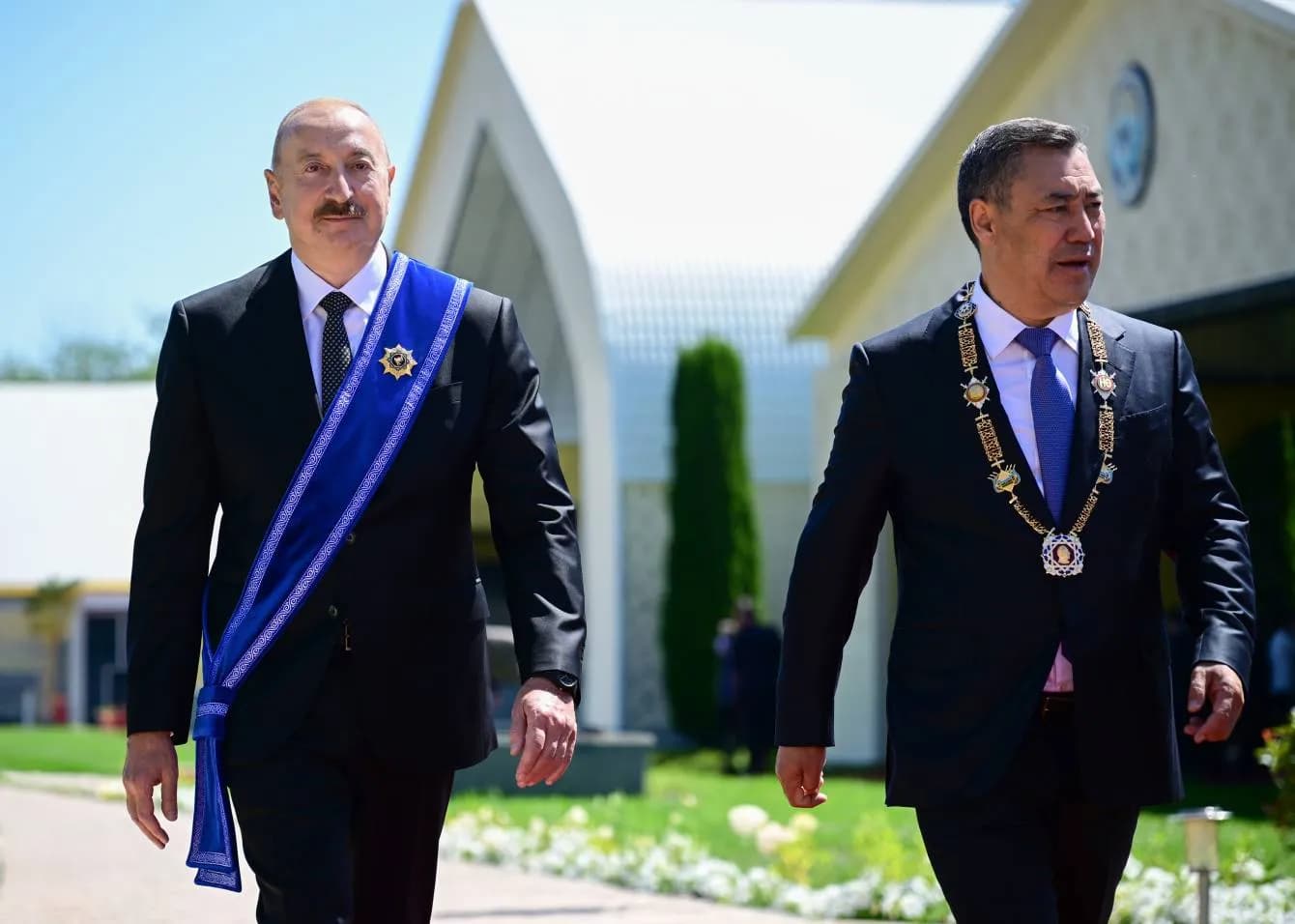
The year 2026 has indeed marked a profound turning point for Kyrgyzstan, driven by major shifts in domestic power dynamics, landmark diplomatic milestones on the global stage, and a strategic push into regional integration and green mobility.
A Seat on the United Nations Security Council
In June 2026, Kyrgyzstan was elected as a non-permanent member of the United Nations Security Council for the 2027-2028 term. Its victory over the Philippines represents a historic recognition of the country's growing diplomatic relevance and international credibility.
To underline Kyrgyzstan’s new position in world affairs, UN Secretary-General António Guterres is scheduled to visit Bishkek during the Summit of the Shanghai Cooperation Organisation (SCO), which Kyrgyzstan is hosting and chairing.
Issyk-Kul as a Regional Hub
The shores of Lake Issyk-Kul are becoming an increasingly important venue for Eurasian political and economic dialogue. For many years, Kyrgyzstan was primarily known for its spectacular mountains, nomadic traditions, and the turquoise waters of Lake Issyk-Kul. In 2026, however, the country emerged as something far more significant: a growing diplomatic and cultural power at the crossroads of Eurasia. The informal summit on July 31, 2026, in Cholpon-Ata on Lake Issyk-Kul, where Central Asian leaders and Azerbaijan's President Ilham Aliyev signed the Cholpon-Ata Declaration.
The Return of the World Nomad Games in 2026- Soft power
Kyrgyzstan is also strengthening its international profile through cultural diplomacy and soft power.
The importance of Japarov and the new Kyrgyzstan
Since Sadyr Nurgozhoevich Japarov assumed power, Kyrgyzstan has entered a new period of growth and influence. Rising from humble beginnings to the highest office in the country, Japarov has become one of the most influential leaders in Kyrgyzstan’s modern history. His presidency has been marked by bold reforms, strategic diplomacy, and a strong emphasis on national sovereignty. Under Japarov’s leadership, Kyrgyzstan has achieved notable progress in economic development:
The nationalization of the Kumtor gold mine brought billions in revenue to the state and symbolized the reclaiming of national resources.
GDP and the state budget have grown steadily, with investments in infrastructure, energy, and industry.
Strategic projects such as the Kambar-Ata-1 hydroelectric plant and the China–Kyrgyzstan–Uzbekistan railway are transforming the nation’s economic landscape.
On the social front, Japarov has introduced reforms to support families, increase pensions, and improve public services—reflecting a people-centered approach to governance.
Kyrgyzstan is experiencing rapid economic growth this year. The well-known Kazakh newspaper Qazinform wrote: “Kyrgyzstan’s economy is growing at a rapid pace.”
According to the Eurasian Development Bank’s weekly macroeconomic review (as reported by Kabar), Kyrgyzstan’s gross domestic product increased by 11.7% in the first four months of 2025.
Key drivers of economic growth:
Industry: +2.6 percentage points in GDP growth
Construction: +2.5 percentage points (Key projects include the Issyk-Kul ring road, urban infrastructure in Bishkek, and tourism development)
Domestic trade: +2.0 percentage points
According to preliminary estimates from the National Statistics Committee, GDP for January–March 2025 totaled 329.1 billion soms, with real growth of 13.1% (compared to 10.0% for the same period in 2024).
CONCLUSION
In 2026, Kyrgyzstan moved beyond its traditional image as a mountain nation and emerged as a dynamic actor in Eurasian affairs. Through diplomatic achievements, the international prominence of Issyk-Kul, closer cooperation with Azerbaijan and the wider Turkic world, and the successful revival of the World Nomad Games, the country has significantly increased its regional and global profile.
From the shores of Issyk-Kul to the halls of the United Nations in New York, Kyrgyzstan is demonstrating that influence is not determined by size, but by vision, diplomacy, and the ability to connect cultures and regions.
For Kyrgyzstan, 2026 may well be remembered as the year it stepped confidently onto the world stage.
Derya Soysal
Contributing writer at EUReflect.
Follow EUReflect
See more of our reporting on Google
Mark EUReflect as a preferred source and our stories are ranked higher for you in Top Stories, Discover and Google News — and carry a “preferred” badge when they are cited in AI results.
Add EUReflect as a preferred source