Leaders Gather in Brussels for a Defining Moment in Europe’s Enlargement Path
The Euronews Enlargement Summit in Brussels brought together leaders from Ukraine, Moldova, Serbia, Albania, Montenegro, and North Macedonia with top EU officials. The meeting marked a turning point, framing enlargement not as a procedural step but as a strategic priority for Europe’s future. Ukraine and Moldova have advanced reforms at historic speed, while Western Balkan countries reiterated their goal of joining the EU by 2030. Held ahead of the European Commission’s 2025 Enlargement Report, the summit emphasized that enlargement is a strategic investment in Europe’s geopolitical resilience, democratic credibility, and long-term integration.
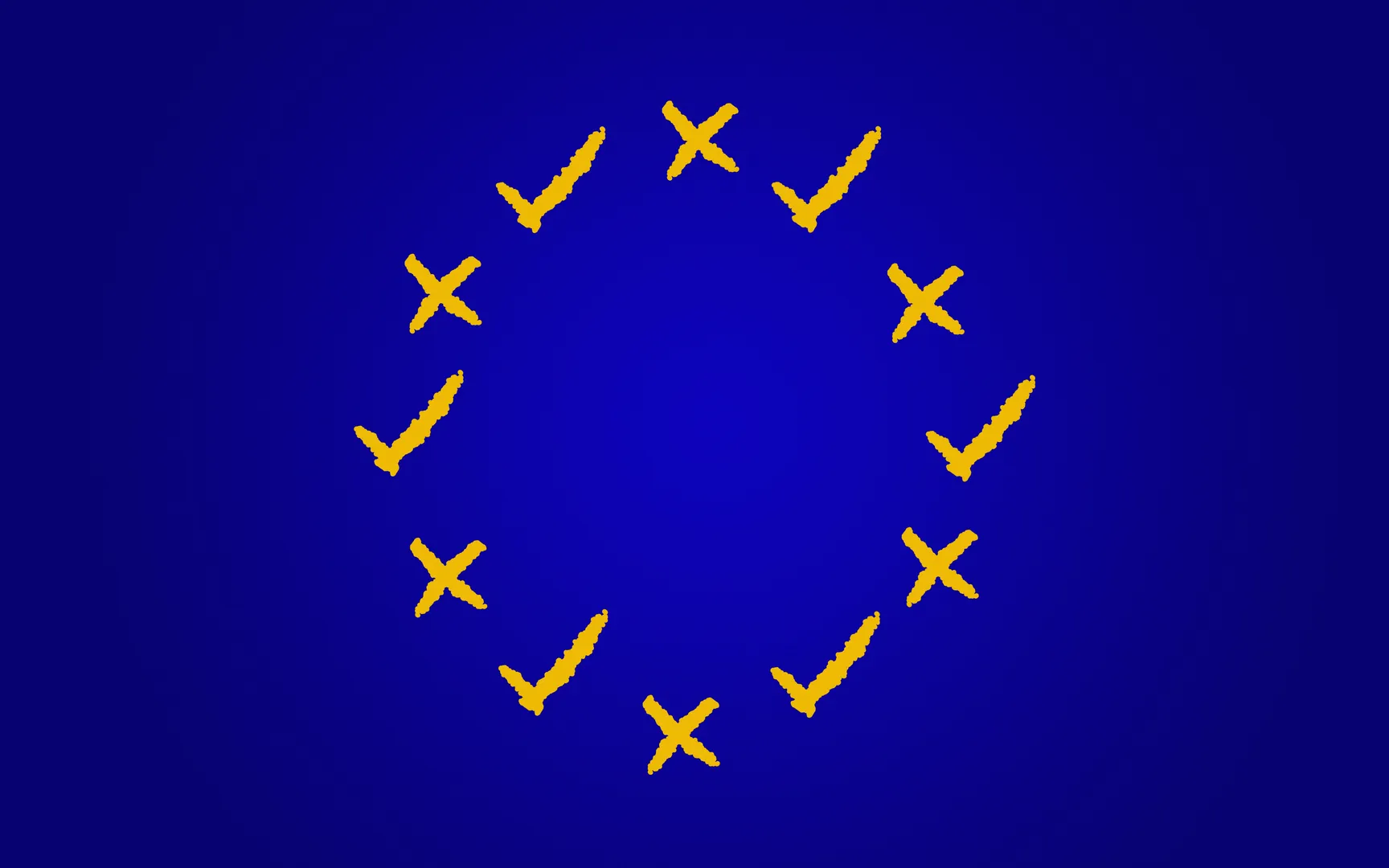
Today in Brussels, Euronews convened a first-of-its-kind Enlargement Summit, bringing together top EU decision-makers and leaders from Ukraine, Moldova, Serbia, Albania, Montenegro, and North Macedonia. The televised format placed candidate countries at the centre of the conversation, offering a unique space for open dialogue on Europe’s next chapter.
With the summit kicking off at 14:00 CET, European Council President António Costa joined Ukrainian President Volodymyr Zelenskyy, Moldova’s Maia Sandu, Serbia’s Aleksandar Vučić, Albania’s Edi Rama, Montenegro’s Milojko Spajić, North Macedonia’s Hristijan Mickoski, and Commissioner for Enlargement Marta Kos. The gathering reflected a shared awareness: Europe’s geopolitical environment is changing rapidly, and enlargement is shifting from a procedural question to a strategic imperative.
Ukraine and Moldova have moved at historic pace since applying in 2022, pushing reforms amidst war and hybrid interference. In the Western Balkans, Montenegro leads on negotiation chapters, Albania has emerged as a confident frontrunner aiming for accession by 2030, Serbia’s path remains mixed amid declining domestic support, and North Macedonia continues to navigate bilateral hurdles after years of waiting.
The summit comes on the eve of the European Commission’s 2025 enlargement package—an annual assessment that will frame the next steps for all candidates. Current public mood aligns with political energy: the latest Eurobarometer indicates 56% of EU citizens support enlargement, with younger Europeans particularly favourable.
Today’s discussion focused not only on institutional benchmarks and negotiation chapters but on political agency. Candidate countries used the platform to articulate their own narratives—whether grounded in post-war reconstruction, long-delayed aspirations, or the push to align with a shared European value framework.
What emerged clearly: enlargement is no longer viewed as an EU technical process, but as an essential component of Europe’s long-term resilience, democratic credibility, and geopolitical posture. With new markets, strengthened security cooperation, and expanded democratic space at stake, leaders emphasized that the choices made now will shape the Union’s trajectory for decades.
The path ahead remains complex. Yet today’s summit underscored a core principle gaining traction across Europe: enlargement is not simply a policy—it's a strategic investment in a more coherent, secure, and integrated continent.
Olha Pashchenko
Contributing writer at EUReflect.