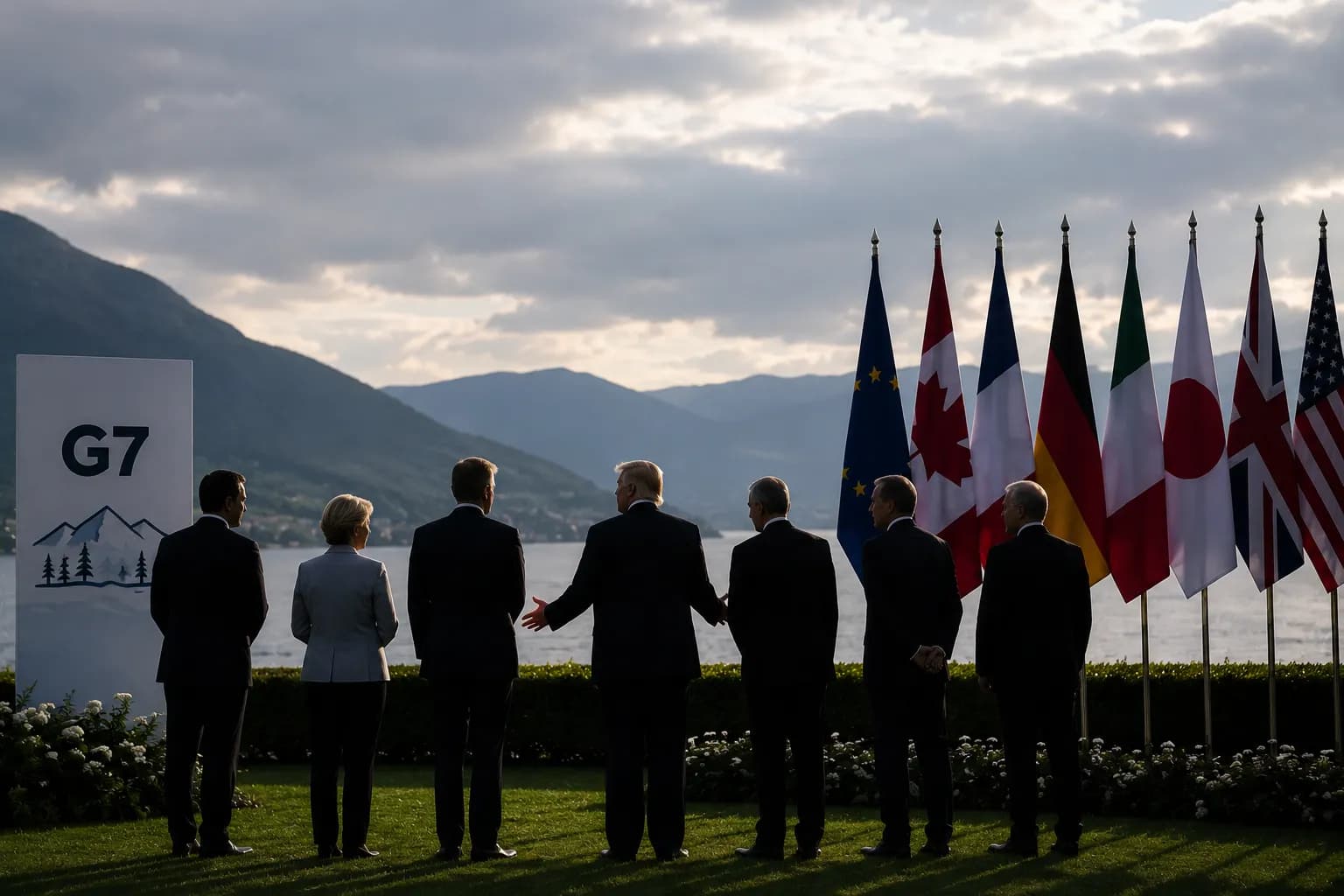
OSCE Conference Opens in Warsaw to Advance Human Rights and Democracy
The 2026 Warsaw Human Dimension Conference brings together representatives from the 57 OSCE participating States, civil society and experts in Warsaw from 5 to 15 October. Organized by the Swiss OSCE Chairpersonship and ODIHR, the conference focuses on human rights, democracy, the rule of law, fundamental freedoms and gender equality across the OSCE region.
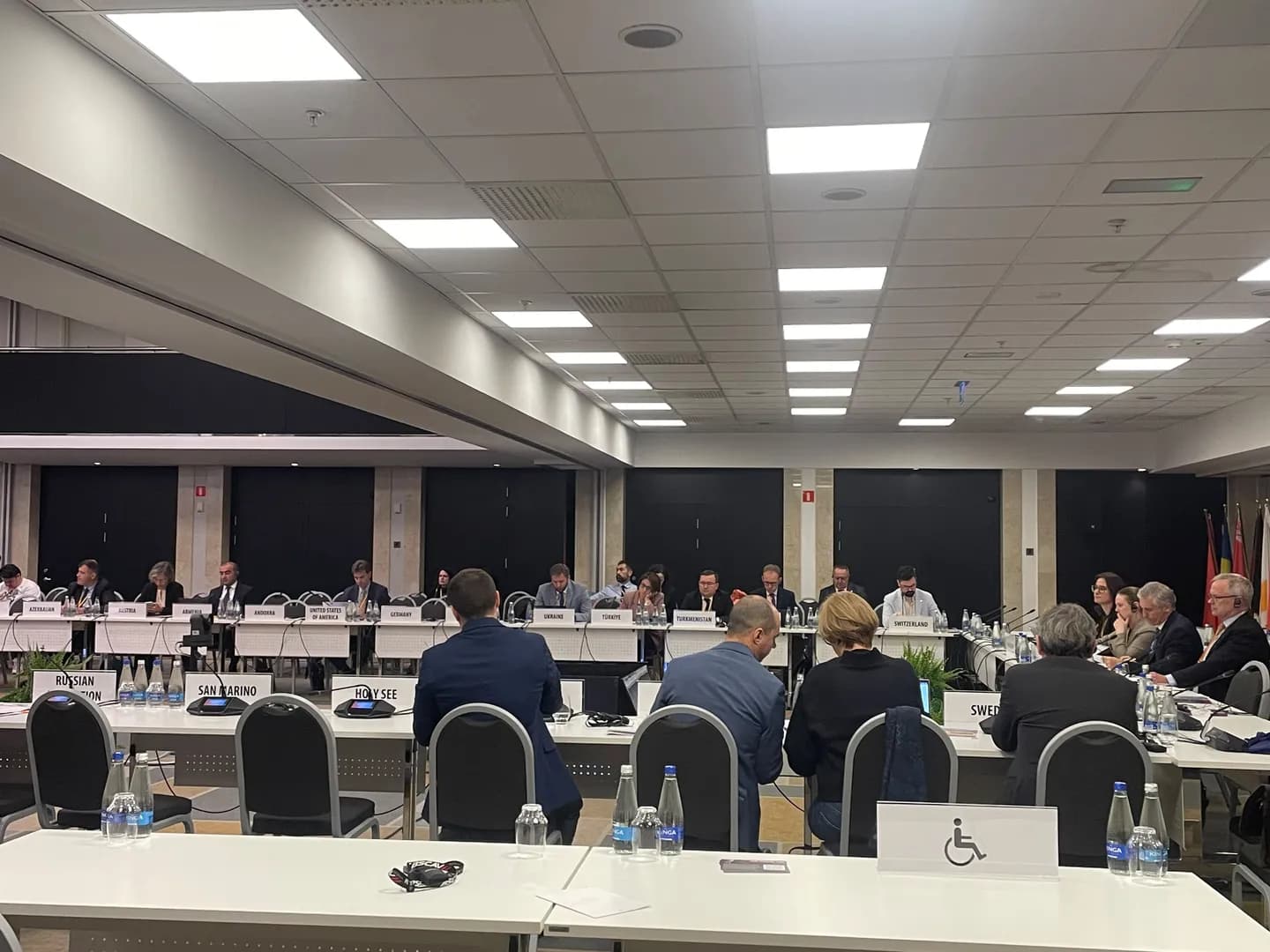
Warsaw Human Dimension Conference: OSCE States Convene in Poland to Advance Human Rights, Democracy and the Rule of Law
The 2026 Warsaw Human Dimension Conference (WHDC) is currently underway in Warsaw, Poland, bringing together representatives from the 57 OSCE participating States to review progress on human rights, democratic governance and the rule of law across the OSCE region. Organized by the 2026 Swiss OSCE Chairpersonship with the support of the OSCE Office for Democratic Institutions and Human Rights (ODIHR), the ten-day conference runs from 5 to 15 October at the Sofitel Victoria Warsaw.
The event serves as one of the OSCE’s principal annual platforms for dialogue on the “human dimension” — the organization’s framework of commitments covering fundamental freedoms, democratic institutions, tolerance, non-discrimination, humanitarian issues and gender equality. Participants include government delegates, OSCE institutions and field operations, international organizations, civil society representatives and independent experts.
More than 1,800 participants from across the OSCE region are taking part in this year’s conference, underscoring the continued importance of multilateral dialogue at a time when democratic institutions, media freedom and human rights protections face mounting pressure in parts of Europe and Central Asia.
A Platform for Accountability and Exchange
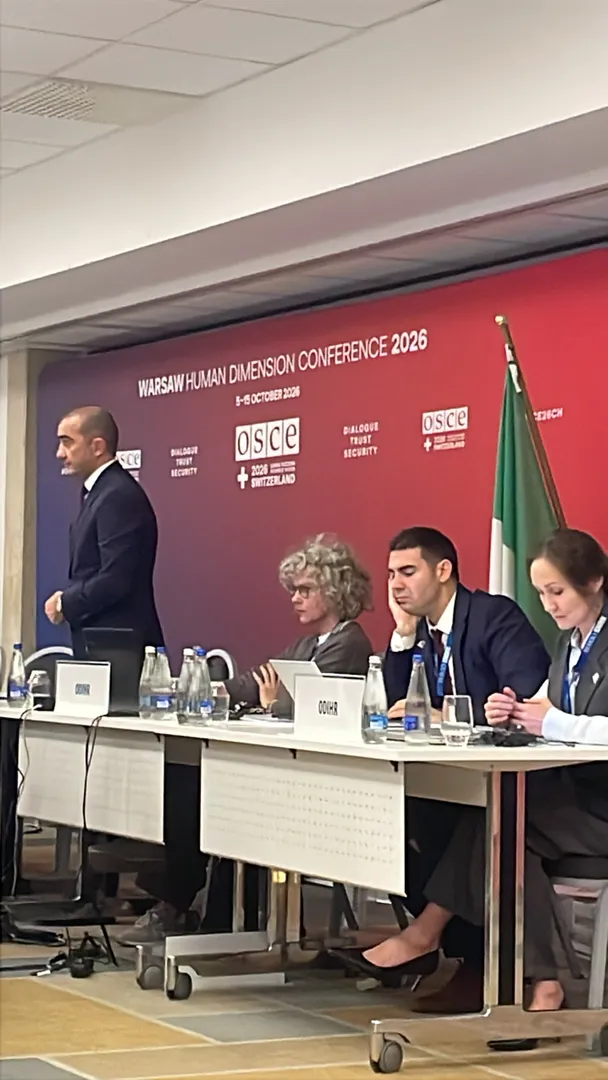
At the heart of the conference is a review of how OSCE participating States are implementing their human dimension commitments. Delegations and civil society actors are expected to exchange perspectives, share good practices and draw attention to issues requiring stronger international attention.
The programme includes ten plenary sessions addressing the full range of OSCE human dimension commitments. Topics include democratic institutions, the rule of law, fundamental freedoms, tolerance and non-discrimination, humanitarian challenges and gender equality. The final plenary session, scheduled for 15 October, is dedicated to gender equality, including equal opportunities for women and men, the prevention of violence against women and girls, and implementation of the OSCE Action Plan for the Promotion of Gender Equality.
The conference also features around 90 side events, organized throughout the duration of the meeting. These sessions complement the formal plenary discussions by focusing on specific and pressing issues, ranging from human rights defenders and media freedom to democratic resilience, minority rights and protection against discrimination.
New Roundtable Format
A notable feature of the 2026 edition is the introduction of four dedicated roundtables on the practical work of OSCE institutions and field operations. These discussions focus on the work of ODIHR, OSCE Field Operations, the Representative on Freedom of the Media (RFoM) and the High Commissioner on National Minorities (HCNM).
Unlike traditional plenary interventions, the roundtables are designed as moderated panel discussions with invited experts. They give participating States and civil society representatives an opportunity to engage directly with panelists and examine how OSCE structures support the implementation of human dimension commitments on the ground.
This more interactive format reflects an effort to make the conference not only a forum for political statements, but also a space for practical exchange on democratic reform, media freedom, minority protection and human rights monitoring.
Civil Society at the Center
Civil society participation remains a defining element of the Warsaw Human Dimension Conference. Representatives of non-governmental organizations and human rights defenders are able to take the floor during plenary sessions, contribute written materials and engage in side events alongside official delegations.
The organizers have also emphasized that no intimidation or retaliation against participants for engaging in the conference will be tolerated. Civil society participants who face reprisals related to their involvement in OSCE meetings have been encouraged to contact ODIHR directly.
This protection is particularly significant in a regional context where human rights defenders, independent journalists and civil society organizations can face legal, political or security pressures. The conference therefore functions not only as a diplomatic meeting, but also as a visible platform for voices working to defend fundamental freedoms.
Switzerland’s Chairpersonship Priorities
The 2026 conference takes place under the Swiss OSCE Chairpersonship, Switzerland’s third time leading the organization after its chairmanships in 1996 and 2014. Switzerland was elected to the role by OSCE participating States in December 2024.
For the Swiss Chairpersonship, the Warsaw conference provides an opportunity to place human rights, democratic resilience and the rule of law at the center of the OSCE’s agenda. The event also highlights Switzerland’s broader diplomatic priority of strengthening dialogue among OSCE states at a time of heightened geopolitical tension.
The conference opened on 5 October with an opening session and will conclude on 15 October. The opening, all ten plenary sessions and the closing session are being live-streamed on the conference webpage and through ODIHR’s YouTube channel, allowing wider public access to the discussions.
Why It Matters
The Warsaw Human Dimension Conference comes at a critical moment for the OSCE region. Armed conflict, restrictions on civil liberties, threats to independent media, discrimination and weakening democratic institutions continue to challenge the commitments that OSCE states have collectively endorsed.
By bringing governments, international institutions and civil society into the same forum, the conference seeks to maintain a space for accountability, dialogue and cooperation. Its outcome will depend not only on the declarations made in Warsaw, but on whether participating States translate these discussions into concrete measures to protect human rights, strengthen democratic institutions and uphold the rule of law across the region.
EUReflect News
Site Administrator
Follow EUReflect
See more of our reporting on Google
Mark EUReflect as a preferred source and our stories are ranked higher for you in Top Stories, Discover and Google News — and carry a “preferred” badge when they are cited in AI results.
Add EUReflect as a preferred source