Political Constraints on U.S. Military Spending Against Iran
While the U.S. has the economic capacity to wage war, Congress oversight, public opinion, and rising costs limit sustainability. Long-term conflict with Iran would involve military, political, and economic challenges beyond initial projections.
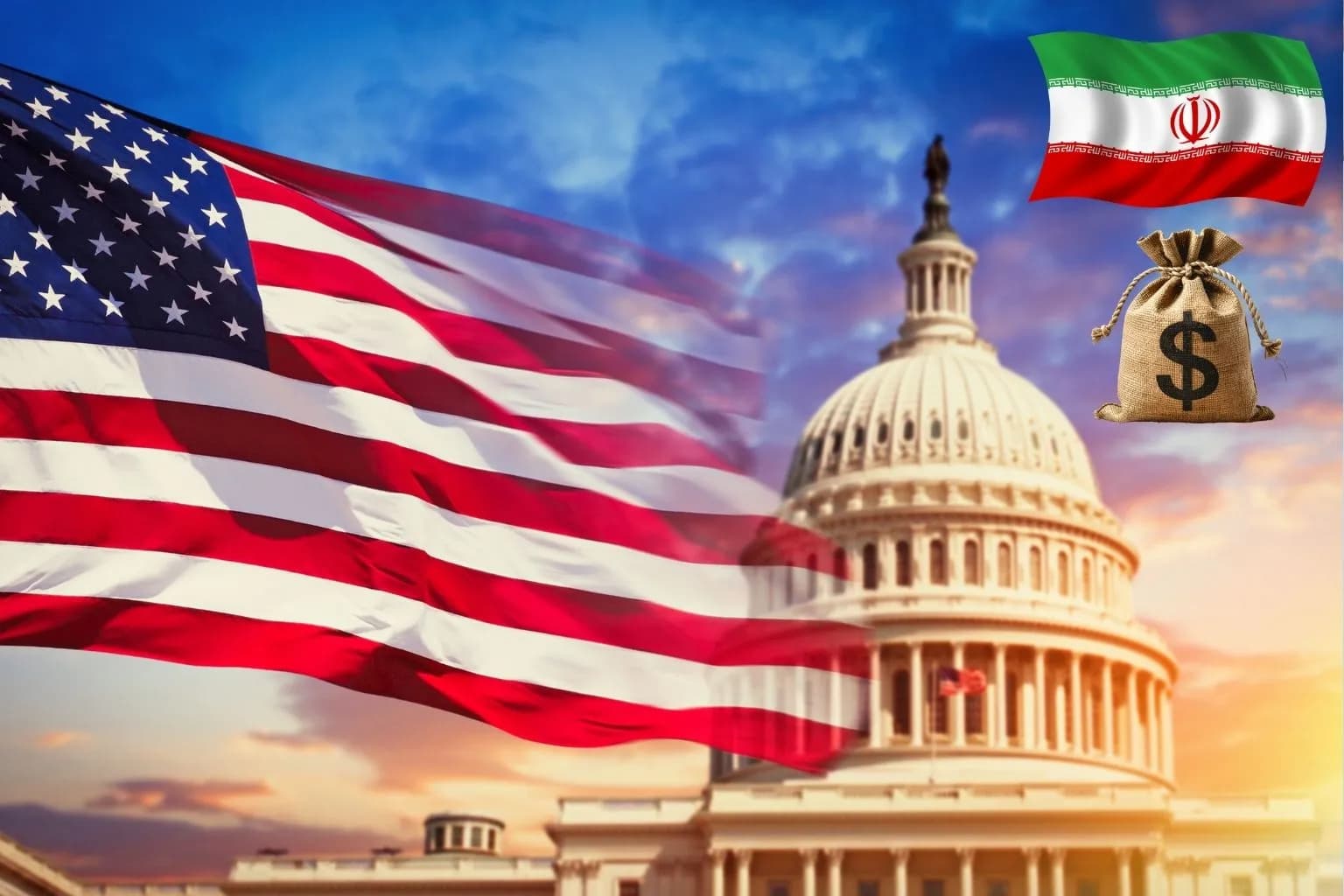
The question of whether the United States could finance a potential conflict with Iran cannot be explained solely by its economic size. Theoretically, as the world’s largest economy, the United States possesses the capacity to support large-scale military operations. In practice, however, the sustainability of a war budget is closely linked to the structure of the political system, public opinion pressures, and legislative processes.
U.S. Defense Spending and War Costs
The United States’ annual defense expenditure exceeds the total budgets of many countries. Nevertheless, the cost of a new military operation remains a constant subject of debate. Particularly in prolonged operations, expenses frequently surpass initial budget projections. In modern warfare, costs are not limited to military operations alone; logistics, ammunition production, base operations, personnel expenses, and technological investments account for a substantial portion of the budget.
Congressional Oversight as a Determinant
A defining feature of U.S. war budgets is rigorous political oversight. The U.S. Congress plays a central role in authorizing military expenditures. Funding allocated for new operations is typically approved after extended debates. Members of Congress scrutinize not only military strategy but also the efficiency of expenditures, often demanding explanations for even minor budget items. Consequently, in the U.S., war financing cannot be increased unilaterally without procedural approval.
This system contrasts with some Eastern countries, where centralized decision-making enables faster initiation of military operations. In the United States, the process is inherently more complex.
Economic Implications of War
Even with a large economy, prolonged conflicts can impose substantial financial burdens. For example, the total costs of the Iraq and Afghanistan operations have been estimated in the trillions of dollars. Such expenses affect not only defense budgets but also overall economic stability. Escalating war expenditures may lead to:
-Increases in federal budget deficits
-Growth in national debt
-Rising interest rates
-Public debates over social spending
Thus, in the U.S., war funding represents both a military and an economic issue.
Public Opinion Determines Sustainability
The sustainability of U.S. military operations heavily depends on public support. In a democratic system, voter attitudes directly influence political decisions. As economic costs rise, anti-war sentiment may strengthen, particularly if middle-class tax burdens increase or economic difficulties intensify. Political scientists argue that public sensitivity is as decisive as military capability. Governments may initiate operations, but long-term continuation requires societal backing.
Some analysts summarize this principle: the U.S. may be the party to start a war, but the public often determines when it ends.
Elections Influence War Policy
Election cycles directly affect U.S. war decisions. As presidential and congressional elections approach, military operations become politically salient. Parties may leverage war policies for domestic political advantage, complicating the continuity of military strategy. Operations initiated by one administration may be curtailed or terminated by successors, rendering long-term planning unpredictable.
Potential U.S.–Iran Conflict
In the case of a potential conflict with Iran, cost considerations become even more critical. Iran’s geographic size, population, and military capacity make short-term operations unlikely. Experts note that U.S. action may extend beyond airstrikes, generating additional costs in areas such as:
-Maritime security in the Persian Gulf
-Increases in global oil prices
-Disruptions to international trade routes
-Protection of U.S. military bases
-Missile defense systems
These expenditures would directly impact the U.S. budget.
Hidden Costs of War
War expenses extend beyond immediate military spending. Long-term costs include veterans’ healthcare, compensation, and reconstruction, often exceeding initial estimates. Many economists argue that actual war costs frequently surpass preliminary projections.
Political Boundaries of Modern Warfare
Modern states consider not only military success but also political sustainability when using force. While the U.S. has the capacity to conduct operations against Iran, the duration and conclusion of any conflict will largely depend on political conditions. Analysts note:
"Wars may be won on the battlefield, but without political and public support, they cannot be sustained."
In the U.S., this principle is particularly evident. Economic strength and advanced military technology enable the initiation of conflict, but congressional debates, elections, and public opinion ultimately determine its trajectory.
Thus, some observers conclude regarding a potential U.S.–Iran conflict: Washington may start the war militarily, but the Congressional chambers and the electorate will largely decide when it ends.
Alvara Merrick
Contributing writer at EUReflect.
Follow EUReflect
See more of our reporting on Google
Mark EUReflect as a preferred source and our stories are ranked higher for you in Top Stories, Discover and Google News — and carry a “preferred” badge when they are cited in AI results.
Add EUReflect as a preferred source