Ukraine Offers Russia Black Sea Truce as Food Supply Fears Mount
Ukraine has offered Russia a truce on attacks against civilian targets in the Black Sea as strikes disrupt shipping and grain exports. With Ukrainian grain shipments down sharply, growing insecurity is raising concerns over regional trade and global food supplies.
Kyiv Seeks to Halt Attacks on Civilian Targets
Ukraine has offered Russia a temporary halt to attacks on civilian targets in the Black Sea as intensifying strikes on vessels and ports raise growing concerns over global food supplies. The proposal was transmitted through a third party, and Kyiv is still awaiting Moscow's response, according to a source familiar with the matter.
The initiative comes as both Russia and Ukraine accuse each other of escalating attacks on vessels involved in agricultural exports. The growing insecurity around Black Sea shipping has already disrupted commercial activity and placed further pressure on Ukraine's vital grain export sector.
Ukraine Seeks to Halt Attacks on Civilian Targets
Ukraine's proposal focuses on suspending attacks against civilian targets in the Black Sea. Kyiv sent the offer to Moscow through an intermediary, reflecting the absence of direct negotiations between the two sides.
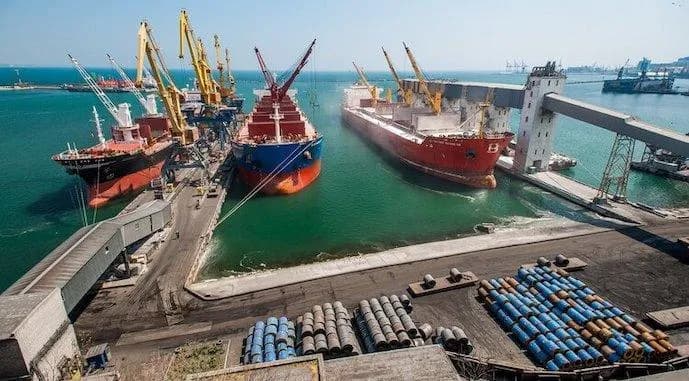
The initiative follows a series of attacks on vessels and ports that have increased concerns among shipowners and international agricultural markets. Ukraine's southern Odesa region, one of the country's most important grain-export hubs, has been particularly affected.
Several shipowners stopped calling at Odesa-area ports in late July after Russian strikes targeted dozens of vessels. As a result, Ukraine was forced to rely more heavily on alternative transportation routes to maintain agricultural exports.
Russia Also Faces Disruption at Black Sea Ports
The impact of the escalating attacks is not limited to Ukraine. Russia suspended operations at all three terminals at its Black Sea port of Novorossiysk on August 12 and 13 following a Ukrainian attack.
The disruption is expected to further reduce Russian grain exports, adding another layer of pressure to an already fragile regional food supply system.
Moscow has also accused Ukraine of intensifying attacks against vessels and infrastructure connected to exports. However, Russian officials said they had not received a formal ceasefire proposal from Kyiv.
Deputy Russian Foreign Minister Alexander Grushko stated that Moscow had heard calls for various moratoriums and truces through different channels but had not received an official proposal.
The lack of confirmation from Russia leaves the immediate future of the Ukrainian initiative uncertain.
Black Sea Security and Global Food Supplies
The importance of the proposed truce extends beyond the Russian-Ukrainian conflict. Both countries are major participants in global agricultural markets, making the security of Black Sea shipping directly relevant to international food supplies.
Ukraine's ability to export grain has been severely affected since Russia's invasion in 2022. The disruption of its traditional maritime routes has forced Kyiv to seek alternatives, but those alternatives remain limited.
Rail transport and routes through the Danube provide additional options, but Ukraine says they cannot replace the capacity of its Black Sea ports.
The consequences are already visible in export figures. Ukrainian grain exports have fallen sharply, with shipments down 76% year-on-year during August so far, according to the report.
The Collapse of the Earlier Grain Agreement
The current situation also recalls the international agreement that helped maintain Ukrainian grain exports after Russia's 2022 invasion.
The United Nations and Türkiye brokered the agreement, allowing Ukrainian agricultural products to continue reaching international markets and helping prevent a wider food crisis.
Russia refused to extend the arrangement in 2023. Ukraine subsequently established another maritime route that remained operational until the latest escalation.
The deterioration of security around the Black Sea now threatens to undermine that alternative route as well.
Türkiye Calls for a Moratorium
Türkiye has also become involved in efforts to reduce the escalation. On August 9, Ankara conveyed its concerns over the attacks to both Russia and Ukraine and called on the two sides to declare a moratorium on attacks in the Black Sea.
Türkiye's position reflects the wider international concern over the consequences of continued attacks on commercial shipping.
A reduction in attacks could allow shipping operators to reconsider their decisions to avoid Ukrainian ports. Without such a development, however, alternative routes will remain under pressure and Ukraine's export capacity could continue to deteriorate.
Markets React to the Ceasefire Proposal
The uncertainty surrounding Black Sea shipping has also affected agricultural markets.
Following the Reuters report on Ukraine's proposal, Euronext wheat prices reduced some of their gains during August 13 trading after reaching a two-week high.
The market reaction demonstrates how developments in Black Sea security can quickly influence expectations surrounding grain supplies. Even the possibility of a temporary reduction in hostilities can affect prices because traders are closely monitoring the future availability of Ukrainian and Russian agricultural exports.
A Potential Opening for De-escalation
Ukraine's proposal represents a possible opening for reducing tensions in the Black Sea, but its success depends on Russia's response.
For Kyiv, restoring the security of maritime exports is essential not only for agricultural trade but also for the wider war-ravaged economy. Russia, meanwhile, faces its own export disruptions following the attack on Novorossiysk.
This creates a situation in which both sides are experiencing economic consequences from the instability surrounding the Black Sea.
A temporary moratorium on attacks against civilian targets could therefore serve both sides' economic interests while reducing risks to commercial shipping.
However, the absence of a formal Russian response means that the proposal remains uncertain.
The Black Sea's Wider Strategic Importance
The latest developments show that the Black Sea remains a critical economic and strategic theatre in the Russia-Ukraine war.
For Ukraine, secure maritime access is directly connected to agricultural exports and economic survival. For Russia, the security of its own Black Sea infrastructure is equally important for maintaining grain shipments.
For the international community, the issue has a wider dimension: disruptions in Black Sea agricultural exports can affect food availability and prices far beyond the region.
The current 76% decline in Ukrainian grain exports during August highlights the scale of the challenge.
The proposed truce therefore represents more than a temporary maritime arrangement. It is an attempt to prevent further damage to civilian shipping, protect agricultural exports and reduce the risk that the war will create another major shock to global food supplies.
Whether Moscow accepts the proposal remains unclear. But with both sides facing growing pressure on their Black Sea operations, the initiative could provide an opportunity for limited de-escalation if negotiations move forward.
Ipek Tuncer
M.A. in International Relations
Follow EUReflect
See more of our reporting on Google
Mark EUReflect as a preferred source and our stories are ranked higher for you in Top Stories, Discover and Google News — and carry a “preferred” badge when they are cited in AI results.
Add EUReflect as a preferred source