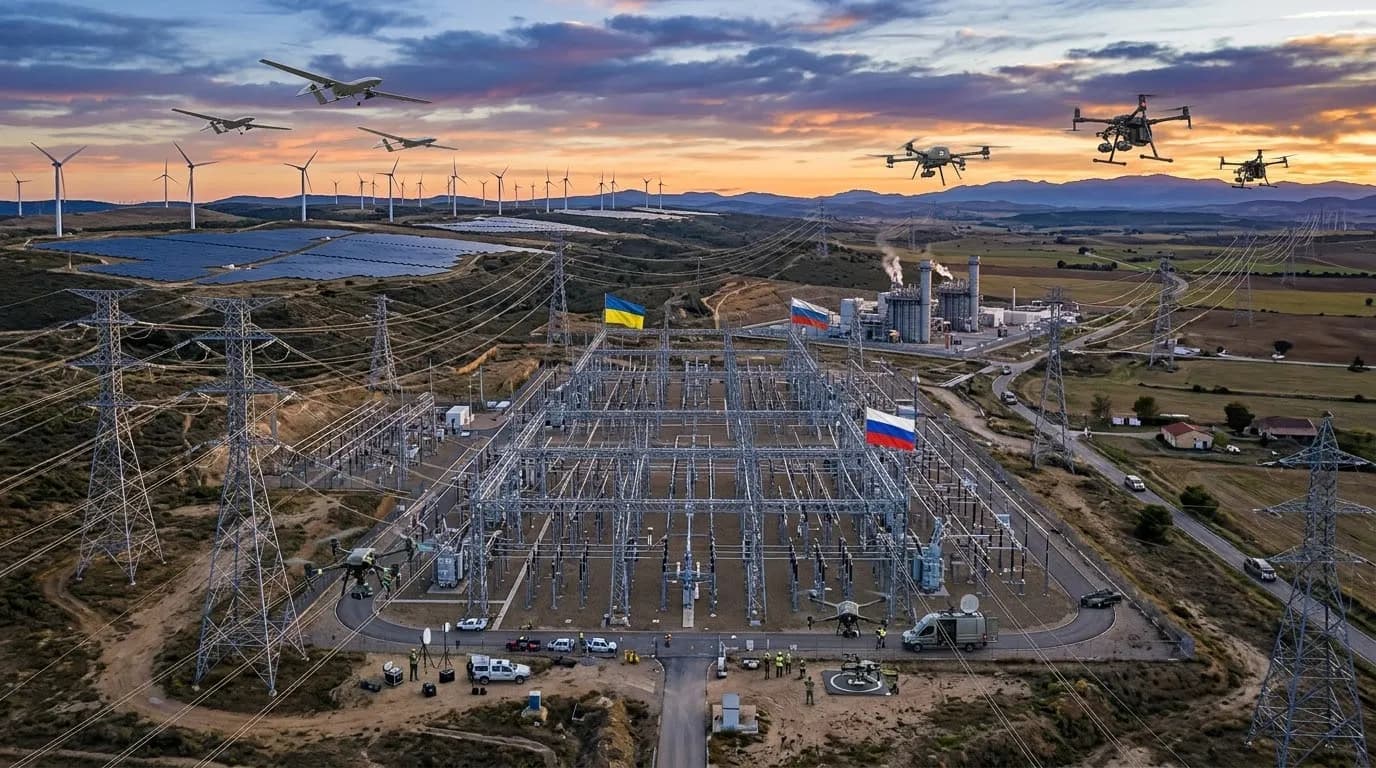
US Deploys Laser Against Border Drones
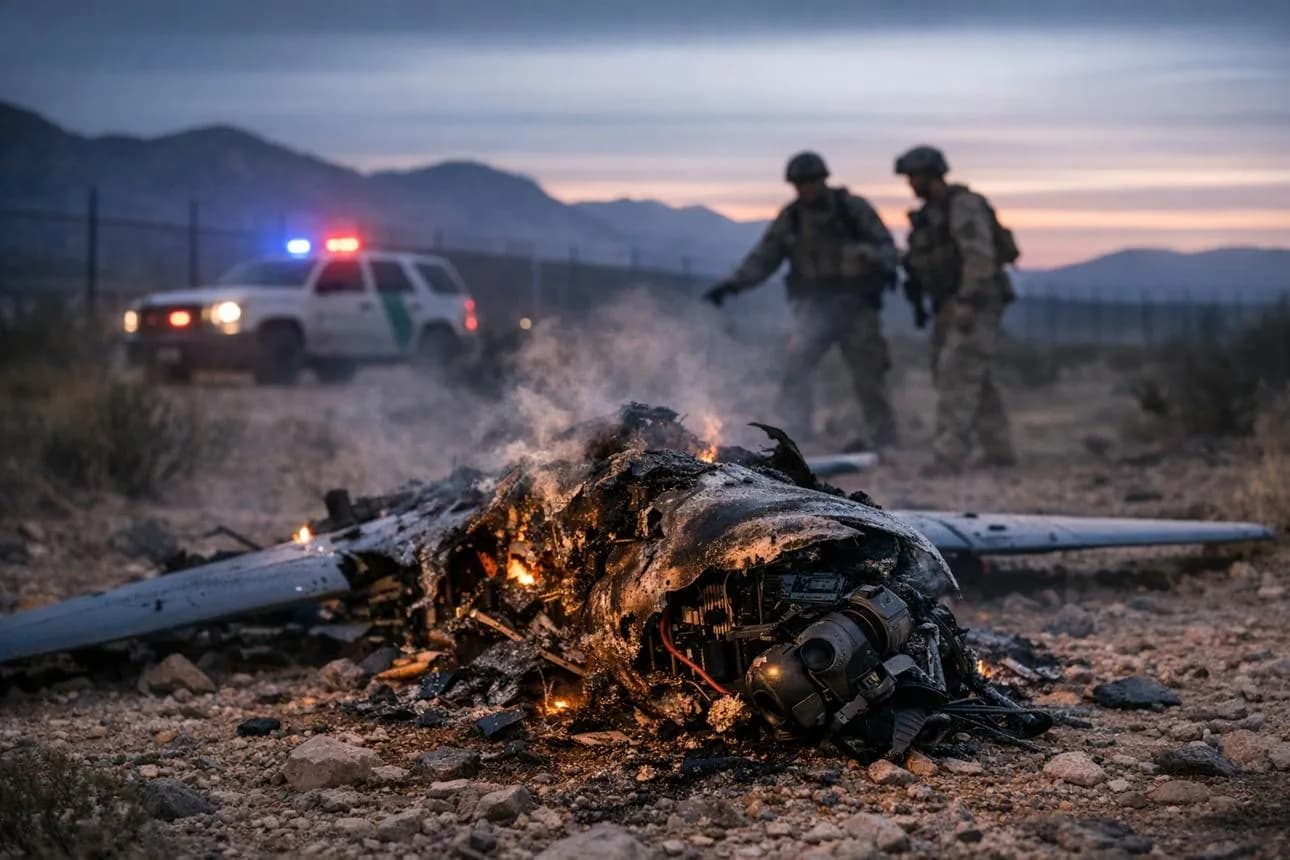
The US military has used a high-energy laser system to disable three cartel-linked drones near the US-Mexico border. The operation highlights Washington’s growing reliance on directed-energy technology to counter emerging threats along the southern border.
A New Layer of Border Defense
The United States has deployed a high-energy laser system against three drones considered hostile during an operation along the southern border, marking a notable development in the use of directed-energy technology for homeland security. The operation was conducted by the Joint Task Force–Southern Border using the Army Multipurpose High Energy Laser system.
US Northern Command said the drones were considered a threat because they were supporting activities that posed a physical danger to military personnel and Customs and Border Protection officers. Officials believe the aircraft were linked to drug cartels, which have increasingly incorporated drones into surveillance and smuggling operations.
The significance of the operation extends beyond the three individual drones. Unlike conventional interceptors, directed-energy systems use concentrated energy rather than traditional ammunition to disable aerial targets. This gives military and security forces another option against the growing number of small unmanned aircraft being used by criminal organisations and hostile actors.
The southern US border has increasingly become a testing environment for counter-drone technologies. The US military has been expanding its presence there while working with federal law-enforcement agencies to respond to surveillance and other activities associated with organised crime.
The development also illustrates how the distinction between military security and domestic homeland security is becoming increasingly blurred. Technologies originally developed for battlefield applications are now being considered for use against threats emerging inside or near US territory.
There are, however, operational and legal questions. US authorities did not disclose the precise location where the three drones were disabled or clarify whether the engagements occurred over US or Mexican territory. That distinction is particularly sensitive because any unilateral US military action on Mexican territory could raise sovereignty concerns.
The incident nevertheless demonstrates the strategic value Washington places on counter-drone capabilities. As unmanned aircraft become cheaper, more accessible and increasingly sophisticated, governments face the challenge of defending borders without relying exclusively on expensive conventional weapons.
For the United States, the deployment of the laser system represents more than a technological demonstration. It signals a broader shift toward layered, lower-cost and increasingly automated approaches to homeland defense, with directed-energy weapons likely to play a growing role in counter-drone operations.
Ipek Tuncer
M.A. in International Relations
Follow EUReflect
See more of our reporting on Google
Mark EUReflect as a preferred source and our stories are ranked higher for you in Top Stories, Discover and Google News — and carry a “preferred” badge when they are cited in AI results.
Add EUReflect as a preferred source