US-Iran Tensions Escalate
The United States and Iran have resumed direct military exchanges after a month-long lull, with US forces striking Iranian launchers near the Strait of Hormuz and Tehran retaliating with missile attacks on US bases in Jordan. The escalation has raised fresh concerns over regional security and the safety of one of the world’s most important energy routes.
A New Escalation in the Gulf
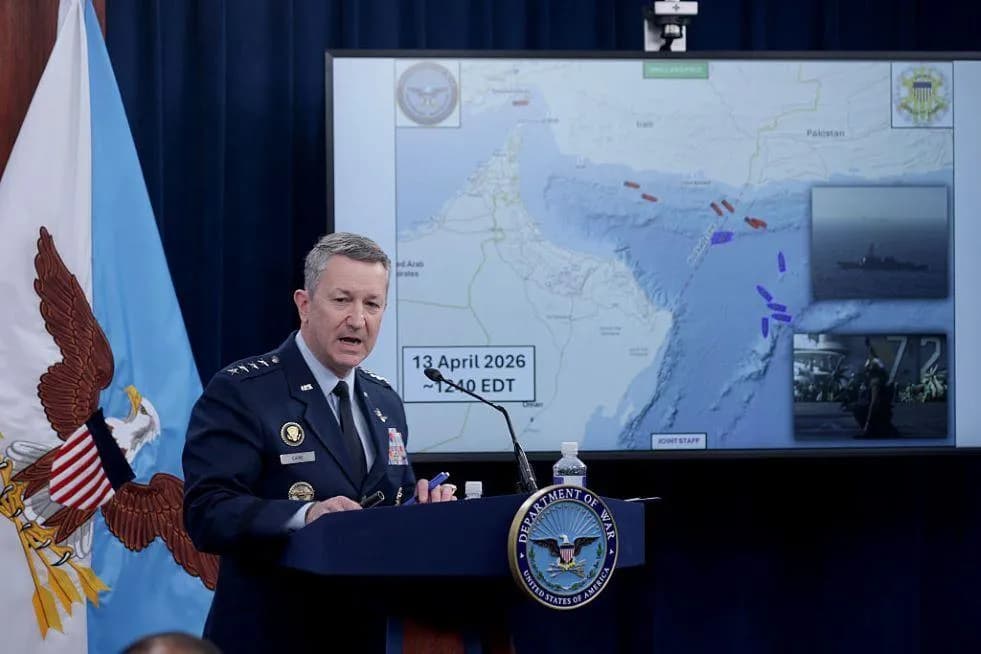
The United States and Iran have entered a new phase of direct military confrontation after Washington carried out strikes against Iranian rocket launchers on Larak Island, near the Strait of Hormuz. The US military said the targets were linked to preparations to deploy rockets and sea mines that could threaten maritime traffic through the strategically important waterway.
The operation marked the first known US military action against Iran in roughly a month. Washington described the strikes as limited and defensive, arguing that Iranian forces were preparing actions that could endanger international shipping.
Iran responded by launching ballistic missiles toward US military installations in Jordan. Jordanian authorities reported that the incoming missiles were intercepted, while Iranian officials portrayed the US operation as an act of aggression and warned of further retaliation.
The Strait of Hormuz is at the centre of the confrontation. The narrow maritime corridor is one of the world's most important routes for oil and gas transportation, meaning that any sustained disruption could have consequences far beyond the Middle East. Shipping activity through the strait has already declined significantly amid the heightened security risks, while oil prices have risen.
The renewed confrontation also creates a difficult strategic calculation for Washington. US military leaders have reportedly warned that prolonged large-scale operations against Iran could place additional pressure on American military capabilities and reduce readiness for other potential threats.
At the same time, diplomatic channels have not completely disappeared. Iranian President Masoud Pezeshkian has continued to express support for a negotiated end to the conflict, suggesting that Tehran still sees diplomacy as a possible alternative to continued escalation.
The immediate danger is that further military action could create a wider regional confrontation involving Gulf states and threaten international shipping. The reported interception of an Iranian drone by the United Arab Emirates has already demonstrated how quickly the conflict can generate security risks beyond the direct US-Iran battlefield.
For the United States, the challenge is therefore no longer limited to deterring Iran. Washington must also prevent the conflict from disrupting global energy routes, drawing additional regional actors into the fighting and placing excessive demands on US military resources.
The renewed US-Iran confrontation shows how quickly a limited military operation can develop into a broader regional security crisis. The Strait of Hormuz remains the critical pressure point, making further escalation a concern not only for the Middle East but also for global energy and economic stability.
Ipek Tuncer
M.A. in International Relations
Follow EUReflect
See more of our reporting on Google
Mark EUReflect as a preferred source and our stories are ranked higher for you in Top Stories, Discover and Google News — and carry a “preferred” badge when they are cited in AI results.
Add EUReflect as a preferred source