US–Iran Talks in Oman: Crisis management or peace Diplomacy?
Tensions between the US and Iran continue due to mutual distrust and hardline diplomacy. Iran seeks sanctions relief under economic pressure, while the US demands limits on nuclear and regional activities. Outcomes may include a limited deal, prolonged talks, or renewed crisis.
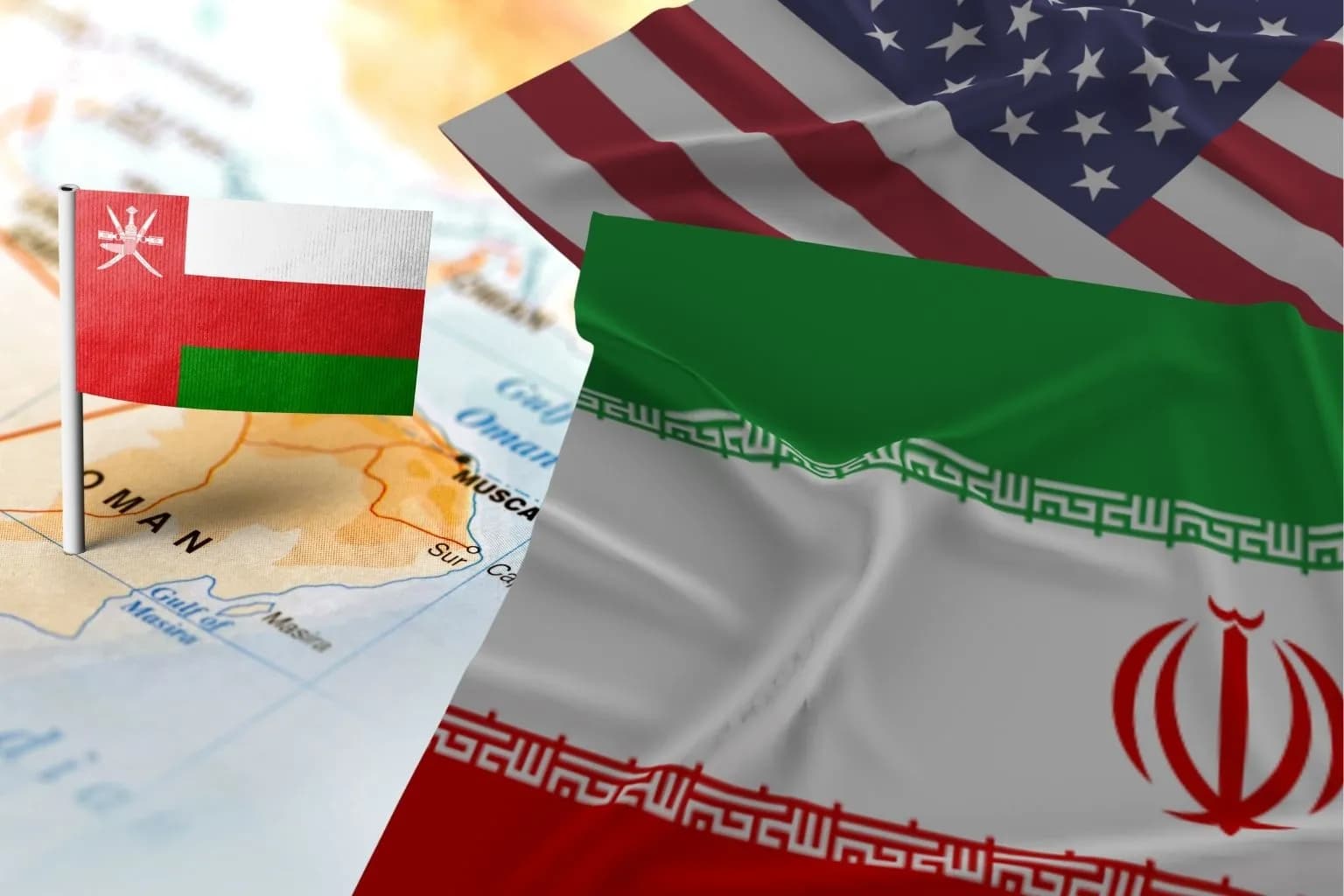
The increasing challenges in global politics are affecting the peace of societies. The rise of unpredictable leadership in the United States and the changing world order are undoubtedly creating new avenues for middle powers to enhance their role in the international system. The world is fragmented into three poles: major powers, middle powers, and developing states.
The unpredictable policies of the president of the United States offer ambiguous signals to foes and friends. Several countries are enhancing engagement with the US, and others are feeling left behind. The hammer diplomacy of President Trump, in which he is warning countries to accept his plans or face the wrathdemonstrating shift to hardline diplomatic approach. The recent example is Iran. President Trump aggressively attacked nuclear facilities of Iran and violated the sovereignty of the country. After years of tussles and a hard-diplomatic approach, the US leadership started to engage Iran with the mediating role of Oman.
One can see that the recent engagement of Iran and the US has come into the limelight after the US threatened Iran with attacks, and in retaliation, Iran showed a hard approach to attacking US bases in the Gulf region.
After the failure of the JCPOA agreement, both countries again sit at the table to resolve their concerns. Iran, on one hand, after facing domestic protests and crises due to the deteriorating economic situation, was forced to engage with the US to lower tariffs and get concessions in which they can improve their economy. On the other hand, the US not only demands a curb on nuclear enrichment but also to curtail proxies in the region.
But both countries concluded the talks as a good start, but one cannot predict the end result of the talks between both countries.
We can see that talks are primarily driven by fear rather than real concerns for peaceful reconciliation. Both countries want to avoid regional confrontation, which can destabilize the region and affect global political and economic equilibrium.
Similarly, the withdrawal of the US from the JCPOA decreases the trust of Iran in believing the commitments of the US today. And the United States has mistrust that Iran would not curtail its regional proxies if the agreement even takes place. Undoubtedly, regional countries are playing an important role in defusing the tensions because any stability in the region would directly affect the international trade and oil prices.
Thus, both countries are under pressure. Iran needs economic relief immediately to control the public anger within the country, and the US, on the other hand, after clearing a threat for Israel in the region, wants to eliminate the threat posed by Iran and its proxies to Israel. Because Israel sees Iran’s nuclear weapons as a threat to its survival. Washington does not want another Middle Eastern war because the Trump administration is focusing on competing with China in the global forums and revitalizing its economic outlook.
How would this wave of new reconciliation end up? Is there a chance of friendship between the US and Iran in a new phase? Or the recent shift is only limited to the nuclear deal. What if we see prolonged negotiations without getting a result or deal? Hence, what if the deal collapses and both countries start to be involved in conflict and cause periodic regional crises?
However, the possibilities are there for how the deal would end up, but the real efforts are significant by the regional countries and the US and Iran to diffuse tensions and create solutions to the problem.
Let's look at the first possibility: if this is ending up as a limited nuclear deal. Iran would get sanctions relief, and the missile program and proxies would be postponed. This is likely to happen because Iran's economy is under pressure, and they need an economic waiver to stabilize the economy. Gulf states need global market stability, and likewise, US wants to avoid Middle Eastern war. But this possibility would not solve the rivalry but only freeze the crisis temporarily.
What happens if a deal is not taking place but negotiations are continued? This will not solve the issue, but war is avoided, and diplomatic channels remain open. This possibility enhances the no war, no peace approach only.
But what would happen if talks collapsed and Iran increased its nuclear enrichment and the US threatened Iran’s survival? This will exacerbate regional war, global economic shocks, and oil price increases.
Hence the possibility of talks collapsing is rare, but we can appreciate the role of Oman as a mediator to diffuse the tensions between the region.
Similarly, both countries are negotiating due to fear, not for the purpose of reconciliation; this is what is making this deal weak and fragile. We can say that it seems this is not peace diplomacy but crisis management.
I want to leave a question for readers: will there be friendship, or can they establish a predictable or hostile modus vivendi that the region and world can live with?
Uroosa Khan
Contributing writer at EUReflect.
Follow EUReflect
See more of our reporting on Google
Mark EUReflect as a preferred source and our stories are ranked higher for you in Top Stories, Discover and Google News — and carry a “preferred” badge when they are cited in AI results.
Add EUReflect as a preferred source