Who is Mojtaba Khamenei: Iran’s New Supreme Leader
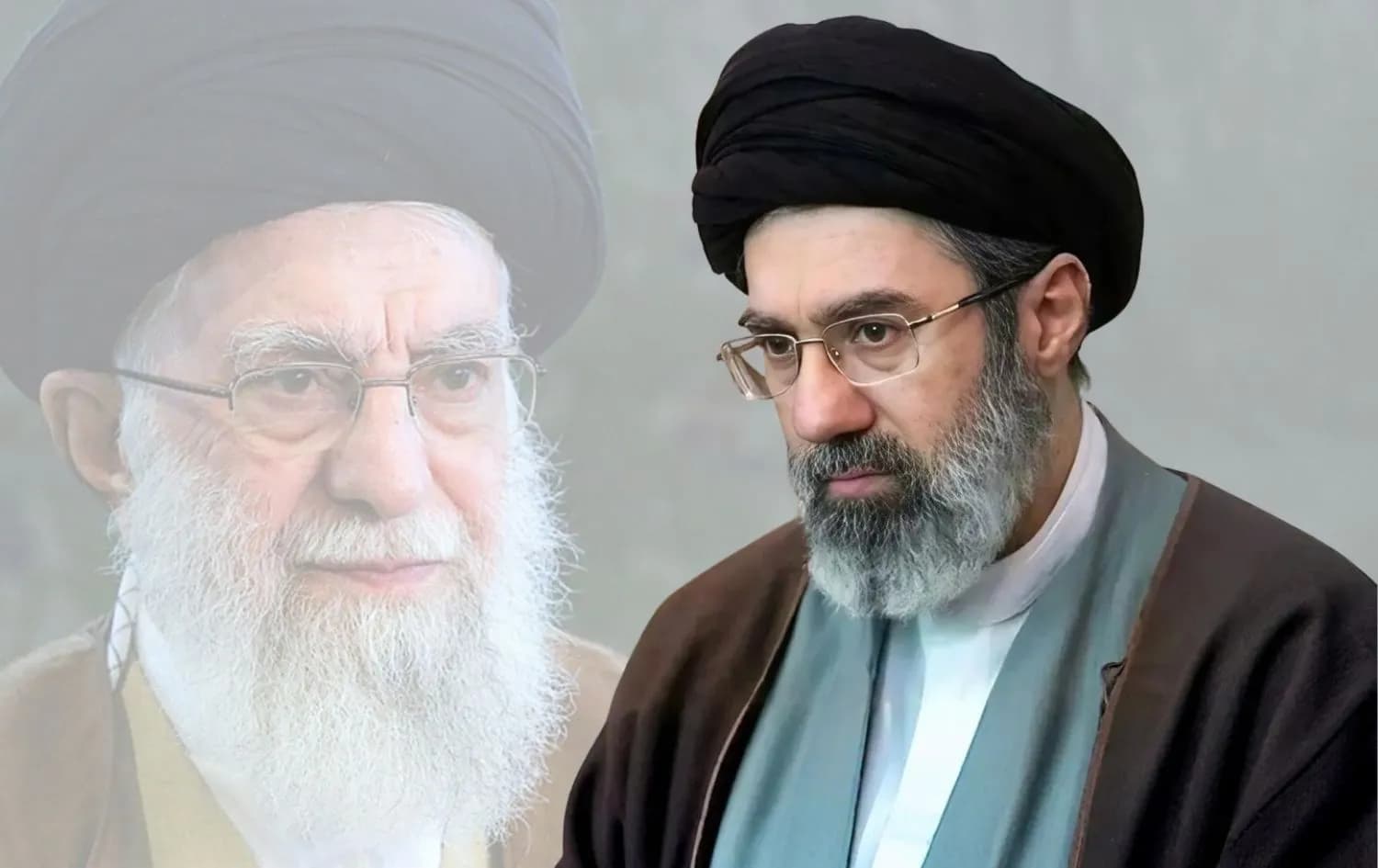
Mojtaba Khamenei, son of the late Supreme Leader, has been appointed Iran’s new Supreme Leader following US-Israel attacks. His rise consolidates hardline influence, links to the IRGC, and economic networks, signaling potential continuity of authoritarian policies and limited reformist leverage.
Introduction
Following the extensive military operations launched by the United States and Israel against Iran, a significant shift has occurred within the country’s political hierarchy. State media reported that Mojtaba Khamenei, son of the late Ayatollah Ali Khamenei, has been appointed as Iran’s new Supreme Leader. At 56 years old, Mojtaba Khamenei’s ascension signals that hardline factions retain considerable influence within Iran, suggesting that the country may pursue a more uncompromising stance in both domestic and foreign policy, with potential implications for regional stability.
1. Mojtaba Khamenei’s Rise and Familial Loss
Mojtaba Khamenei survived the initial attacks that claimed the lives of his father, mother, wife, and one of his sisters. Although he has never participated in a public election, Khamenei has been a highly influential figure within his father’s inner circle. Iran’s 88-member Assembly of Experts called on citizens to remain united and pledge support to the new leader, particularly urging intellectuals and elites in seminaries and universities to reaffirm their allegiance. Mojtaba’s selection thus represents both a continuation of the theocratic establishment and a consolidation of ideological continuity within the state.
2. Domestic Political Impact and Hardline Consolidation
The appointment underscores the sustained power of hardline factions in Iran. Mojtaba Khamenei has long maintained close ties with the Islamic Revolutionary Guard Corps (IRGC), cementing his influence within Iran’s security and political elite. Analysts suggest that his leadership may reduce the government’s willingness to engage in short-term negotiations, potentially constraining reformist initiatives. The swift, internal selection process, absent any public referendum, also raises questions about the extent of popular influence in leadership transitions and the political agency of reformist and younger demographics.
3. Controversies, Allegations, and Economic Networks
Khamenei has been linked to the violent suppression of domestic protests over the past two decades, including the 2009 Green Movement. Critics claim he utilized the paramilitary Basij force to control demonstrations and manipulate election outcomes. Additionally, reports indicate that he has amassed substantial economic influence, with financial transactions and investments spanning multiple countries. These connections, combined with his mid-level clerical status (“hojatoleslam”), have been points of contention. Legal precedents established during his father’s rise suggest that similar accommodations could facilitate his consolidation as Supreme Leader, despite the sensitive nature of dynastic perceptions in the post-revolutionary context.
Conclusion
Mojtaba Khamenei’s ascension highlights the continued influence of hardline and centralizing forces within Iran’s political system. Amid intensified bombardments and restricted information flows, the announcement of new leadership remains opaque. Khamenei’s cautious but decisive rise underscores both the enduring legacies of Iran’s theocratic establishment and the potential for heightened domestic and regional tensions under his leadership.
Alvara Merrick
Contributing writer at EUReflect.
Follow EUReflect
See more of our reporting on Google
Mark EUReflect as a preferred source and our stories are ranked higher for you in Top Stories, Discover and Google News — and carry a “preferred” badge when they are cited in AI results.
Add EUReflect as a preferred source