5 countries are against European Commission’s plans for electric grids
Some of the EU member states oppose the idea to control an aspect of bloc's green transition from Brussels
Written by journalist Danylo Aleksandrov
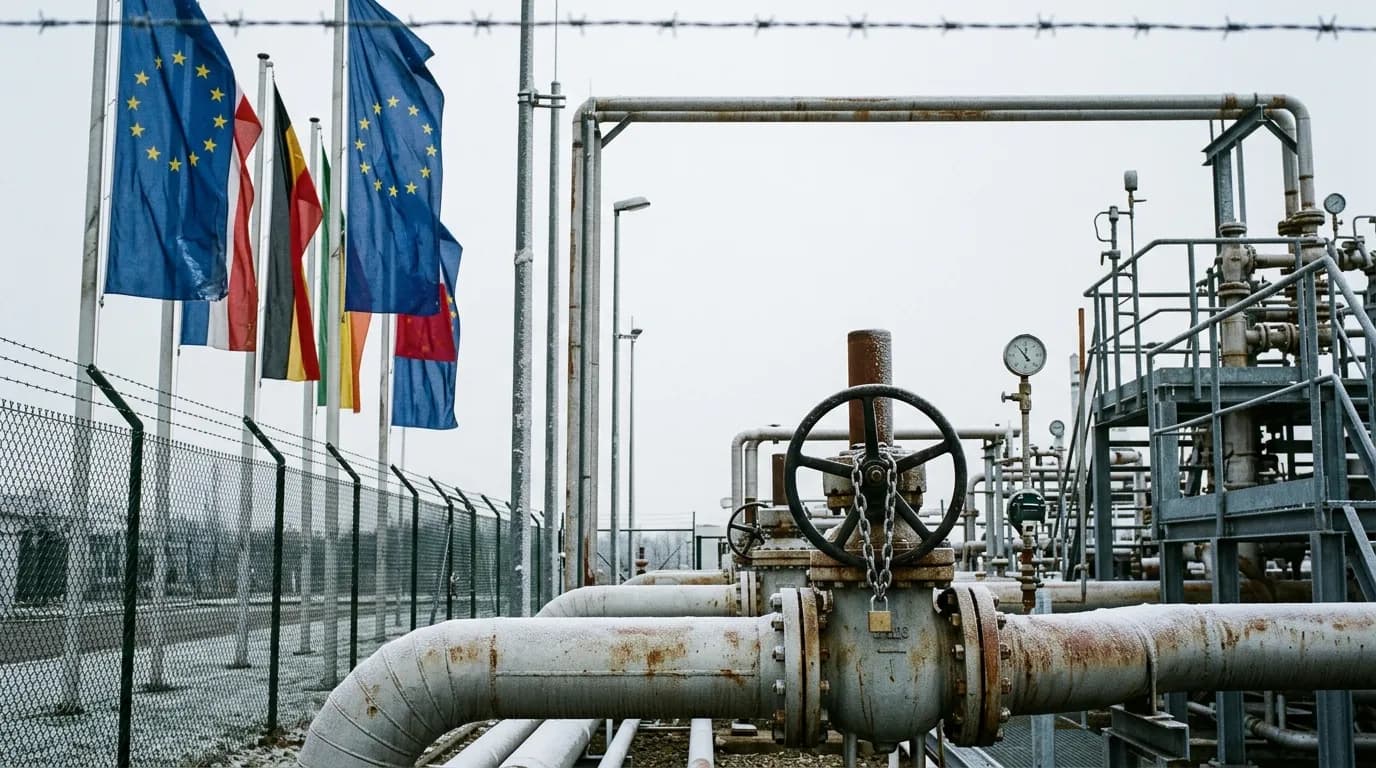
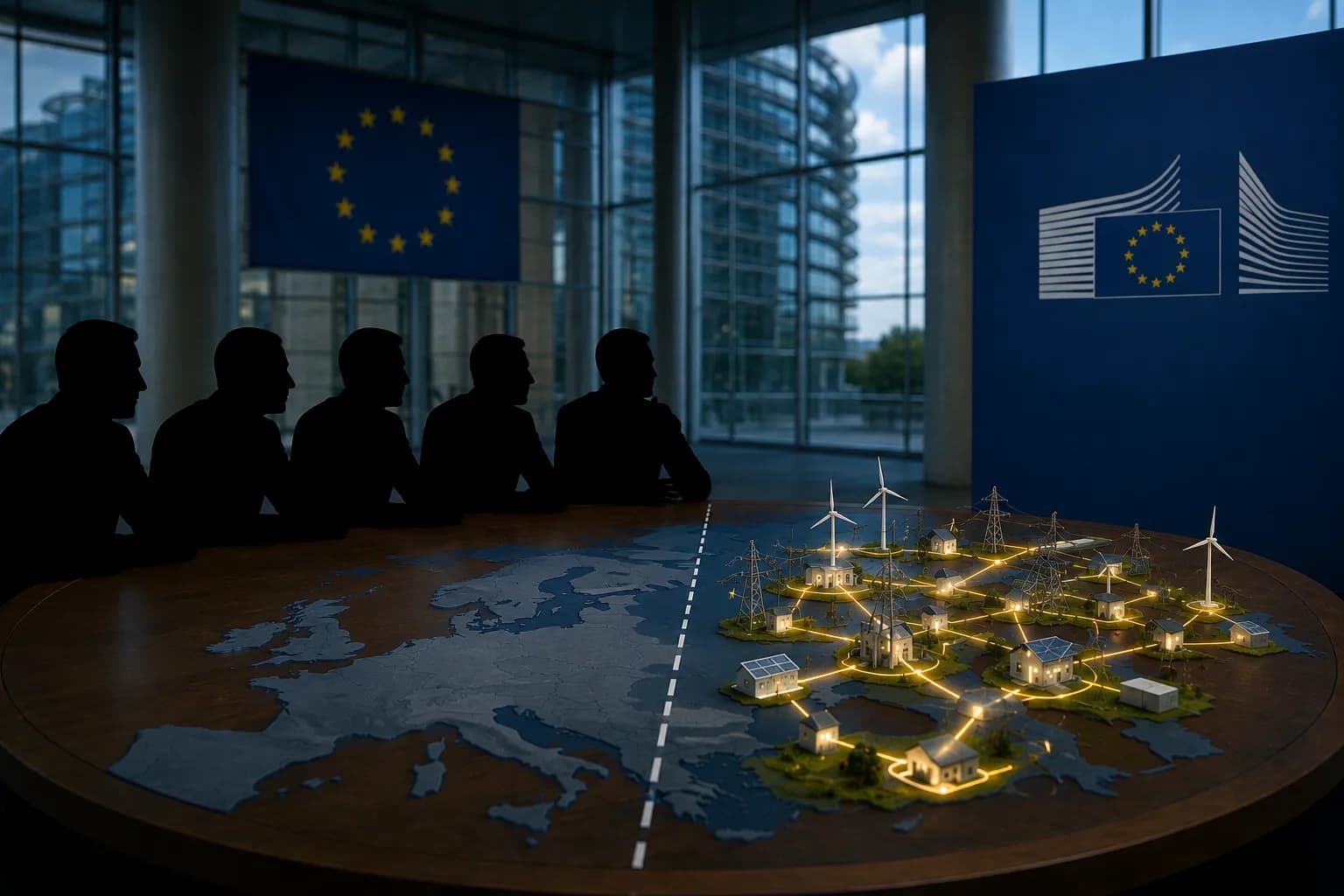
Five EU member states are opposing European Commission’s plans for energy infrastructure in the bloc – part of a wider plan for green transition.
The idea behind Bulgaria, Finland, France, Poland and Sweden’s opposition to these plans is that centralized control over development and overhaul of power grids would lead to EU’s green transition being more expensive, time consuming and inflexible. Rather, this matter should be resolved by members coordinating their efforts and set goals that are better suited for each country and/or region.
In December 2025, the European Commission proposed a legislation to overhaul the grids. It would make some changes in EU’s law concerning cross-border Energy infrastructure. The point of contention is the proposed creation of a central plan to to which long-term investments in member states would adhere.
The argument of the opponents of this plan is that it would lack sufficient understanding of how different are power systems of the European states and how they operate. They might be too complex or have many regional specifics. Thus, national companies should have more control over the power grid development since they should know what are the most important issues and where there are possibilities for upgrade. Another argument is the idea that this matter will be governed from Brussels might be too politically sensitive in some countries. Issues arising from such central plan might also cause higher bills for the people to cover for mistakes that could be avoided beforehand.
One of the most active opponents of Brussels’ plan is Sweden, which has recently halted the construction of a power cable that would connect the country’s grid to that of Denmark.
EU has sped up its efforts to electrify industry and use more renewable energy since the start of Russian full-scale invasion of Ukraine. This rush for better energy security requires more effort as well as strategic planning, which sometimes causes arguments and conflicts with members of the bloc.
EUReflect News
Site Administrator
Follow EUReflect
See more of our reporting on Google
Mark EUReflect as a preferred source and our stories are ranked higher for you in Top Stories, Discover and Google News — and carry a “preferred” badge when they are cited in AI results.
Add EUReflect as a preferred source