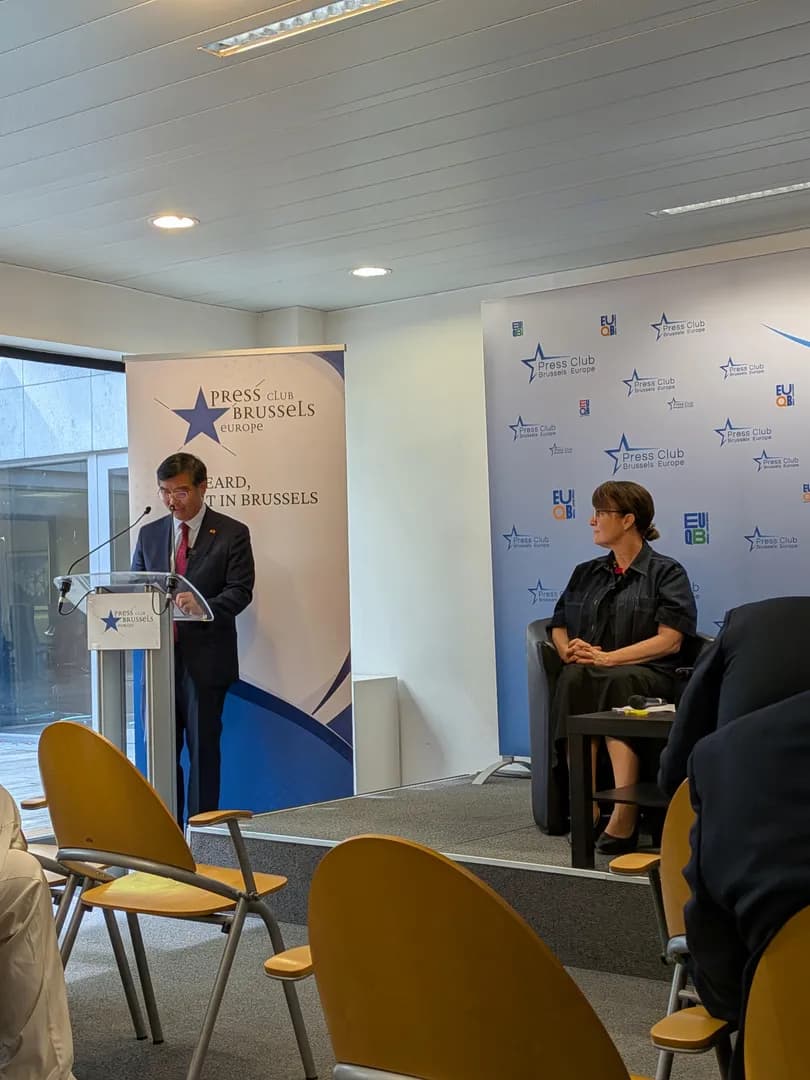
Al Sharq Youth Conference: The Role of Youth in Shaping the Future
The Al Sharq Youth Conference, held on December 12-13 in Istanbul, focused on youth's active role in shaping the Muslim world’s future under the theme "Tashkĩl Al Sharq: From Vision to Action." Speakers from diverse backgrounds, including Hakan Fidan, Omar Suleiman, and Wadah Khanfar, united around the common cause of the Palestinian issue.
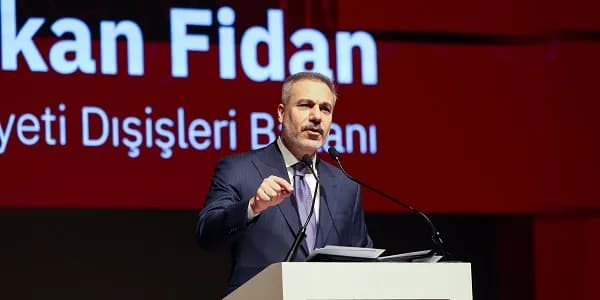
Held for the ninth time in Istanbul on December 12-13, the Al Sharq Youth Conference stands out as one of the most important international gatherings for youth. Taking place under the theme "Tashkĩl Al Sharq: From Vision to Action," the conference focused on the active role of youth in shaping the future of the Muslim world.
Common Problems Amidst Diversity One of the most striking aspects of the conference was the presence of speakers from different countries. Figures from diverse geographies—such as Turkish Foreign Minister Hakan Fidan, American Islamic scholar and civil society activist Omar Suleiman, President of the Al Sharq Forum Wadah Khanfar, Prof. Joseph Massad from Columbia University, and Prof. Mehmet Asutay from Durham University—offered rich perspectives.
However, the strongest common thread uniting the conference was that all speakers touched upon the Palestinian issue. Regardless of geography or field of expertise, every speaker’s emphasis on this topic demonstrated once again that the Palestinian issue is a common cause for global Muslim youth. The speech by Nael Albargouthi, known as the world's longest-serving political prisoner and a symbol of the Palestinian freedom struggle, created particularly emotional moments at the conference.
From Experience to Inspiration: Intergenerational Dialogue The panels and sessions at the conference were designed for experienced leaders to share their knowledge and experiences with the youth. Simultaneous seminars were organized across a wide spectrum, ranging from artificial intelligence to international politics, and from economic modeling studies to social identity and solidarity. This structure allowed participants to make choices based on their interests and take an active role in shaping their own futures.
A Matter of Perspective: Criticism or Conscious Choice? When evaluating the participant profile of the conference, a striking situation becomes apparent: the almost total absence of Western orientalist academics and the fact that the vast majority of participants came from the Arab world. This situation can be evaluated from two different angles.
On one hand, it is possible to view this as a deficiency that limits the international diversity of the conference. It could be argued that the coexistence of different perspectives might lead to richer discussions and more comprehensive solution proposals.
On the other hand, it can be defended that this preference is a conscious strategy aimed at increasing the agency of Muslim countries in a post-colonial world. Contrary to discourses shaped by the dominance of Western perspectives for centuries, this conference may aim to instill in youth the drive to create their own narratives, design the future in line with their own priorities, and exhibit a stance independent of Western-centric paradigms. In this sense, the identity and participant profile of the conference can be read not as a deficiency, but as a deliberate choice.
From Vision to Action The conference's subtitle, "From Vision to Action," also serves this purpose. Participants are cast not merely as listeners, but as actors who develop active action plans, participate in simulations, and produce concrete projects. Various formats such as Masterclasses, expert clinics, curation labs, and closed strategy sessions aim to facilitate the youth's transition from theory to practice.
Held annually in Istanbul and taking place for the ninth time this year, the Al Sharq Youth Conference conveys a strong message about youth taking initiative in shaping the future, rather than serving simply as a meeting point. This platform, hosting thousands of young participants, continues to reinforce the leading role of the new generation in overcoming the challenges faced by the Muslim World.
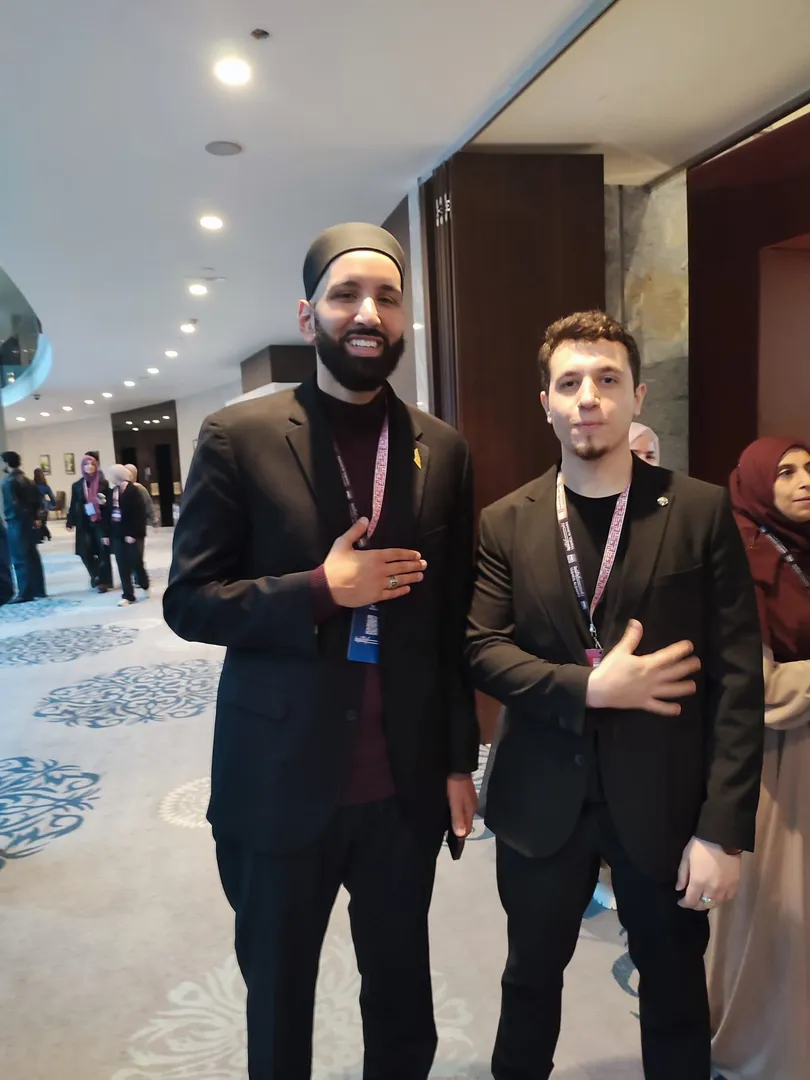
Abdullah Yakup Üner
Contributing writer at EUReflect.
Follow EUReflect
See more of our reporting on Google
Mark EUReflect as a preferred source and our stories are ranked higher for you in Top Stories, Discover and Google News — and carry a “preferred” badge when they are cited in AI results.
Add EUReflect as a preferred source