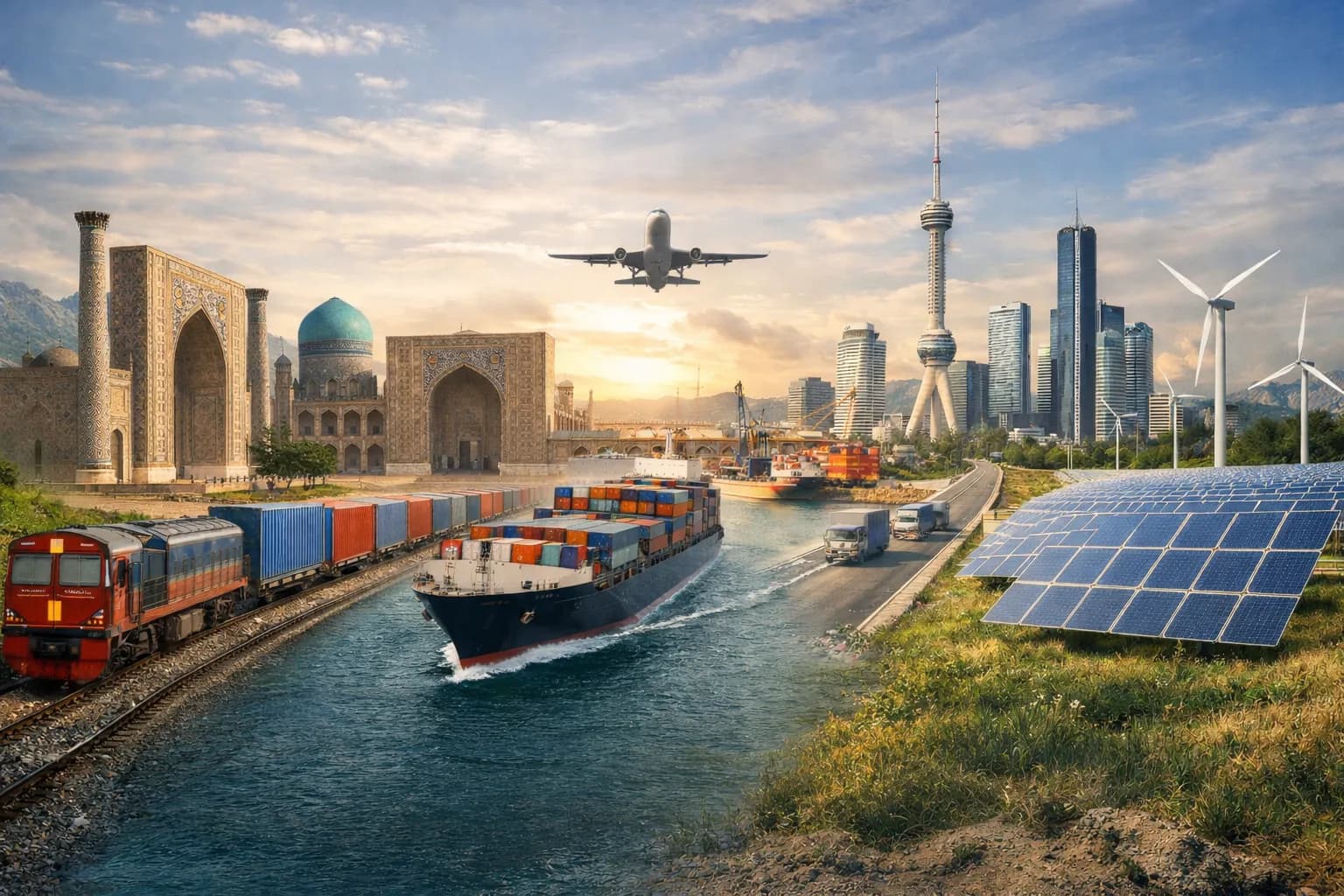
Uzbekistan is transforming its “double landlocked” disadvantage into an advantage through multi-directional logistics corridors, green energy, digitalization, and investor-friendly reforms. Its 2030 vision aims to position the country as Eurasia’s new trade and investment hub, driven by strong growth, legal security, low costs, and broad regional access.
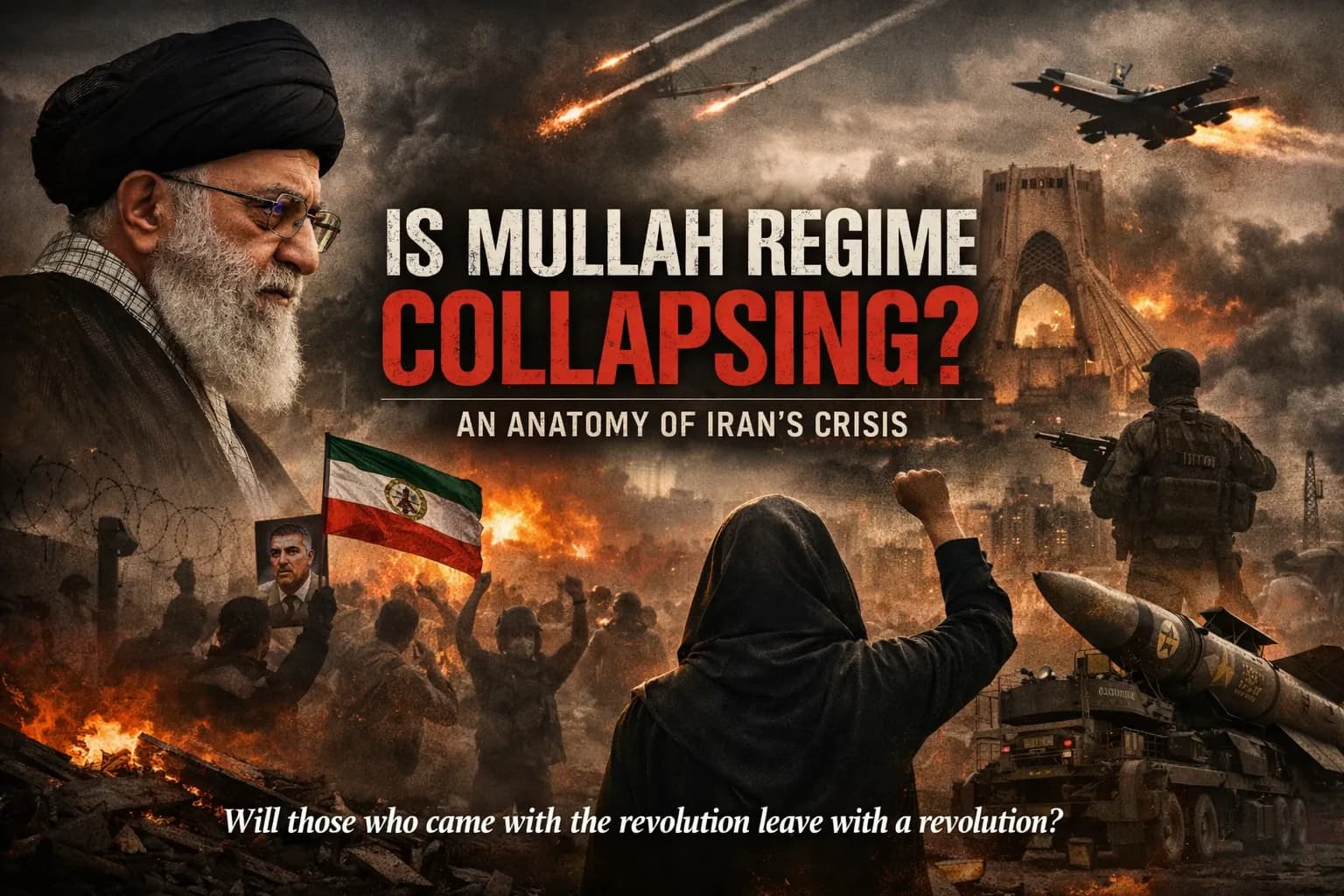
"Will those who came with the revolution leave with a revolution?" The Iranian mullah regime came to power in 1979 through a popular revolution against the Shah. In this process spanning nearly half a century, the regime's initial promise of an "exportable revolution" has today been replaced by a struggle for survival. So, how possible is it today for the mullah regime to depart through another social explosion or external intervention?
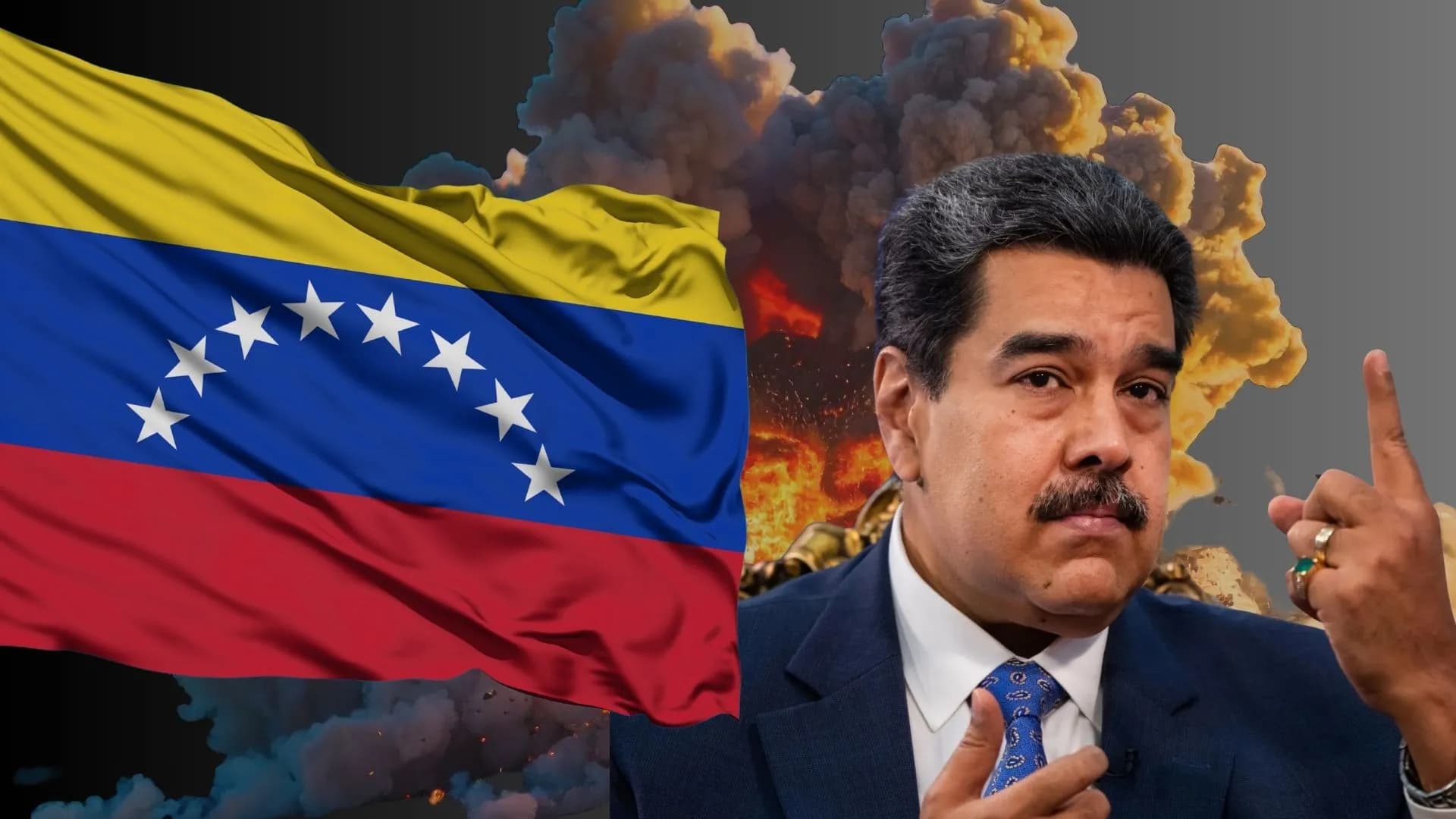
A reported U.S. operation to capture Venezuela’s President Nicolás Maduro marks a major break with international norms, challenging sovereignty and presidential immunity. Rooted in long-standing ideological, energy, and geopolitical tensions, the move exposed the fragility of Venezuela’s centralized system and risks regional instability. The muted global response suggests a shift toward raw power politics and spheres of influence over established rules.
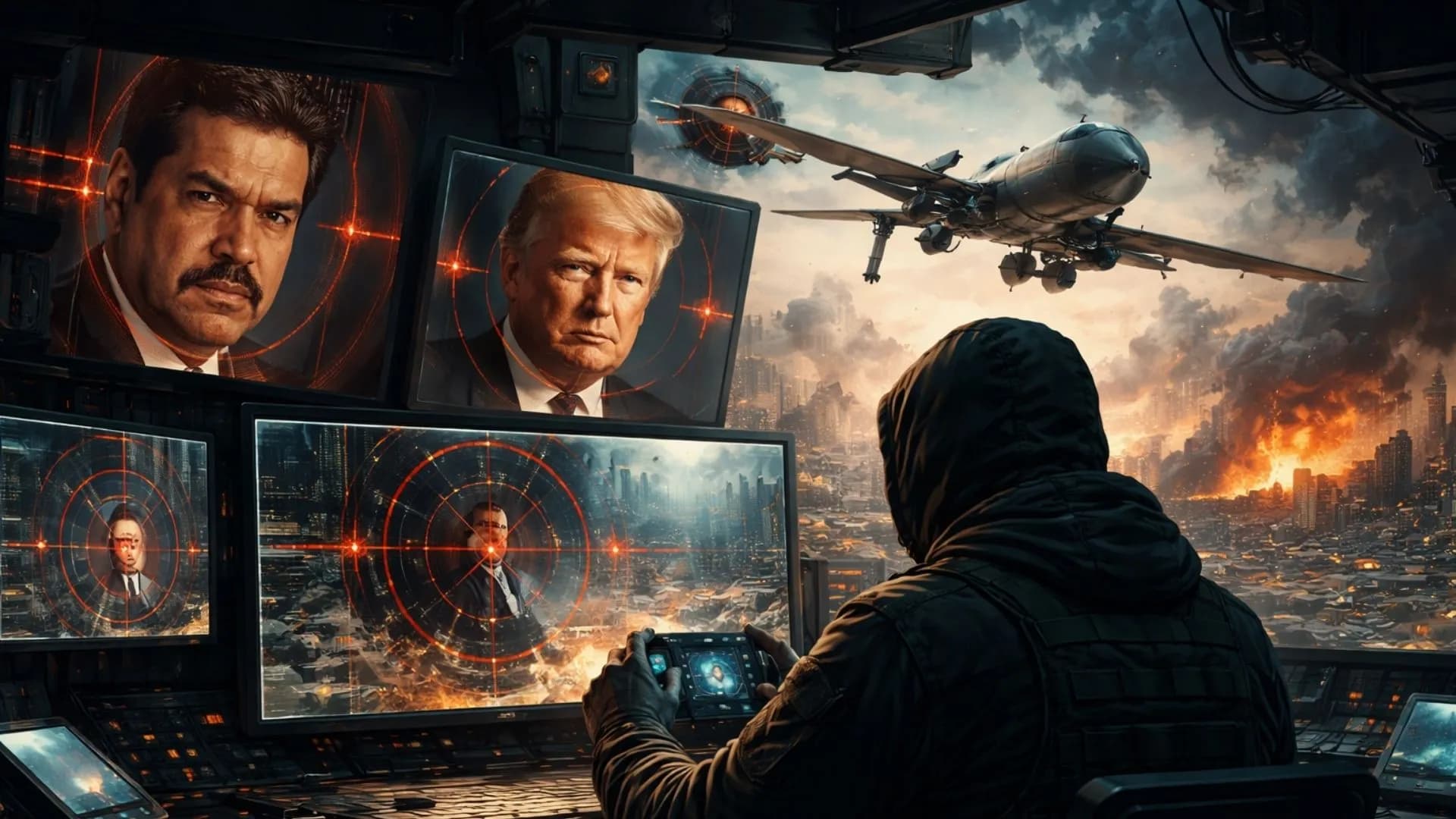
The article argues that contemporary conflicts are increasingly defined by the “personalization of war,” where violence shifts from states and structures to targeted individuals. Using Venezuela and the Iran–Israel conflict as case studies, it shows how complex geopolitical, economic, and strategic dynamics are reduced to the actions of specific leaders or figures, thereby legitimizing interventions, assassinations, and sovereignty violations as moral necessities. This individualization of violence erodes traditional legal and ethical frameworks of war, blurs the line between war and peace, and transforms political conflict into a permanent global manhunt. Ultimately, the article warns that replacing collective responsibility with individual guilt risks undermining sovereignty, international law, and the very meaning of legitimate violence.
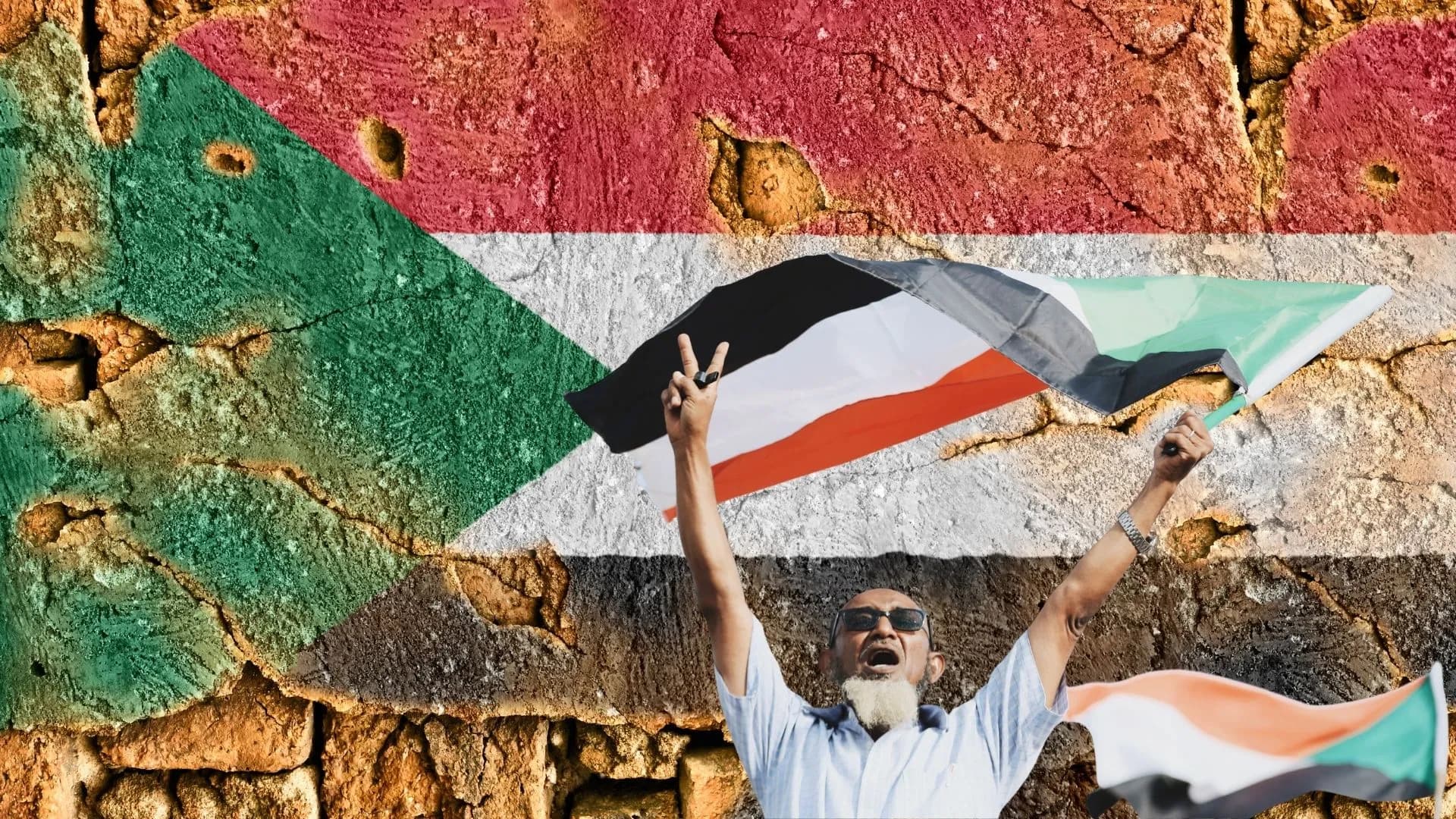
This article examines how constructed identity narratives of “Arab” and “African” in Sudan—rooted in culture, language, and politics rather than race—have been transformed into instruments of power, exclusion, and mass violence. Tracing the historical coexistence of Sudanese communities and the later politicization of identity by the modern state, the study shows how marginalization in regions such as Darfur was reframed through ethnic labels. The militarization of these narratives, particularly through the Janjaweed and their successor, the Rapid Support Forces, turned identity into a mechanism of war. External interventions further hardened these divisions, producing one of the world’s largest humanitarian crises. The Sudanese case demonstrates that identity, while socially constructed, can become lethally real when mobilized for political and geopolitical ends.
Artificial intelligence is not a neutral tool but a new global power shaping knowledge and politics. Western-centered algorithms monopolize narratives and values, eroding cognitive sovereignty and deepening digital colonialism.
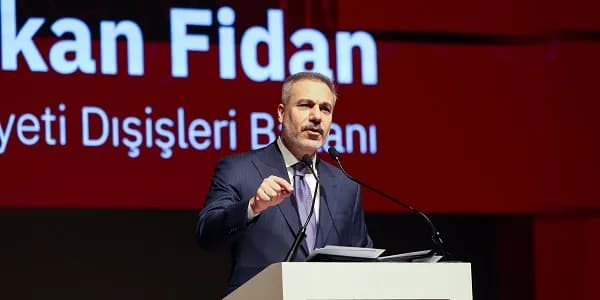
The Al Sharq Youth Conference, held on December 12-13 in Istanbul, focused on youth's active role in shaping the Muslim world’s future under the theme "Tashkĩl Al Sharq: From Vision to Action." Speakers from diverse backgrounds, including Hakan Fidan, Omar Suleiman, and Wadah Khanfar, united around the common cause of the Palestinian issue.
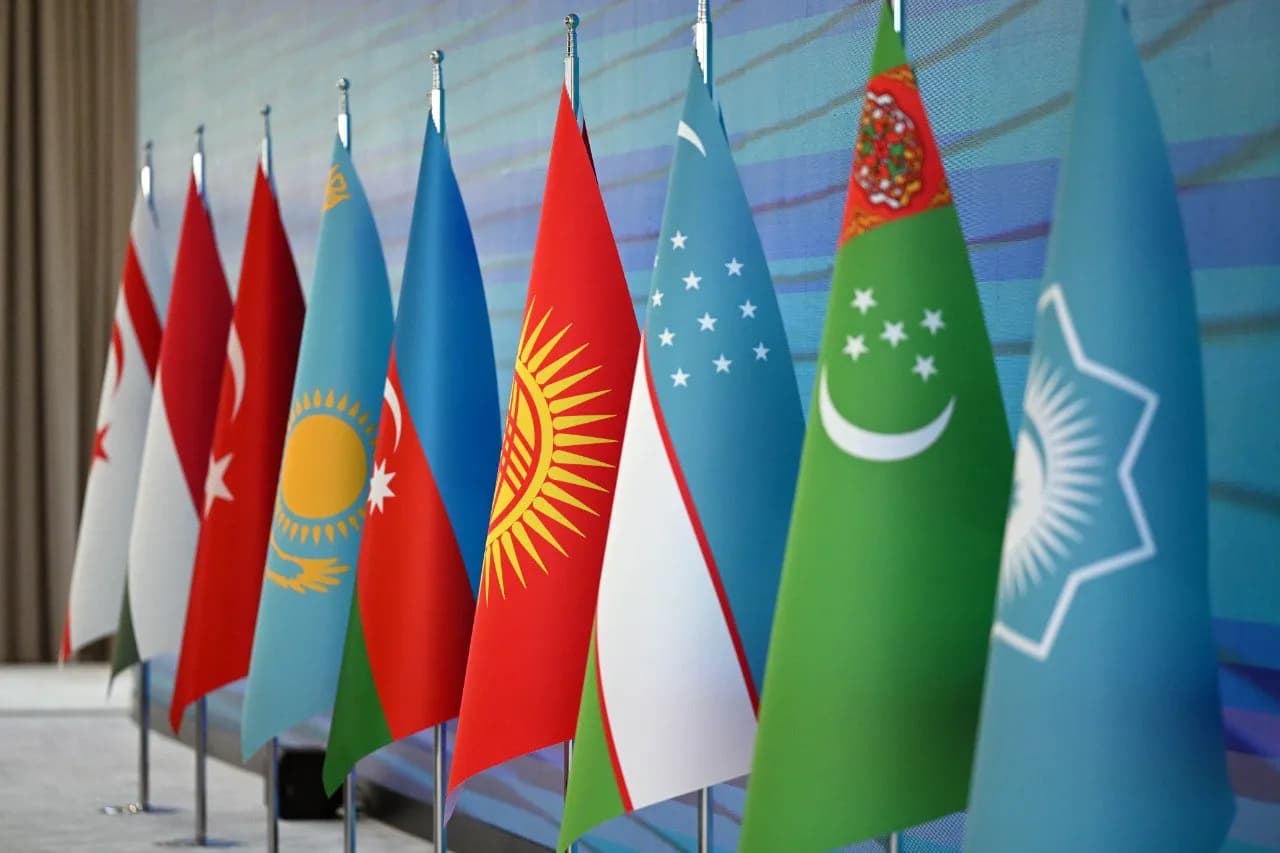
“The End of the Old Map” explores how the collapse of traditional Eurasian trade routes—through Russia and Iran—has forced a historic realignment of global logistics and power. The text argues that the “Middle Corridor,” traversing Turkey, Azerbaijan, and Kazakhstan, is not a choice but a necessity shaped by geopolitical crises. With the Northern and Southern corridors paralyzed by war and sanctions, the Turkic heartland emerges as the strategic backbone of a new Eurasian order. This transformation—driven by logistics, energy, digital infrastructure, and defense integration—is redefining the Organization of Turkic States (OTS) as a geopolitical and economic force. The paper concludes that the unification of the Turkic world is not romantic idealism, but a historical compulsion dictated by modern geography and global competition.