America’s Growing AI Backlash
Artificial intelligence is becoming increasingly unpopular among Americans despite its growing use in everyday life and business. Concerns over jobs, privacy, misinformation, and ethics continue to rise, yet massive investments and economic incentives suggest AI’s rapid expansion is unlikely to slow.
Introduction
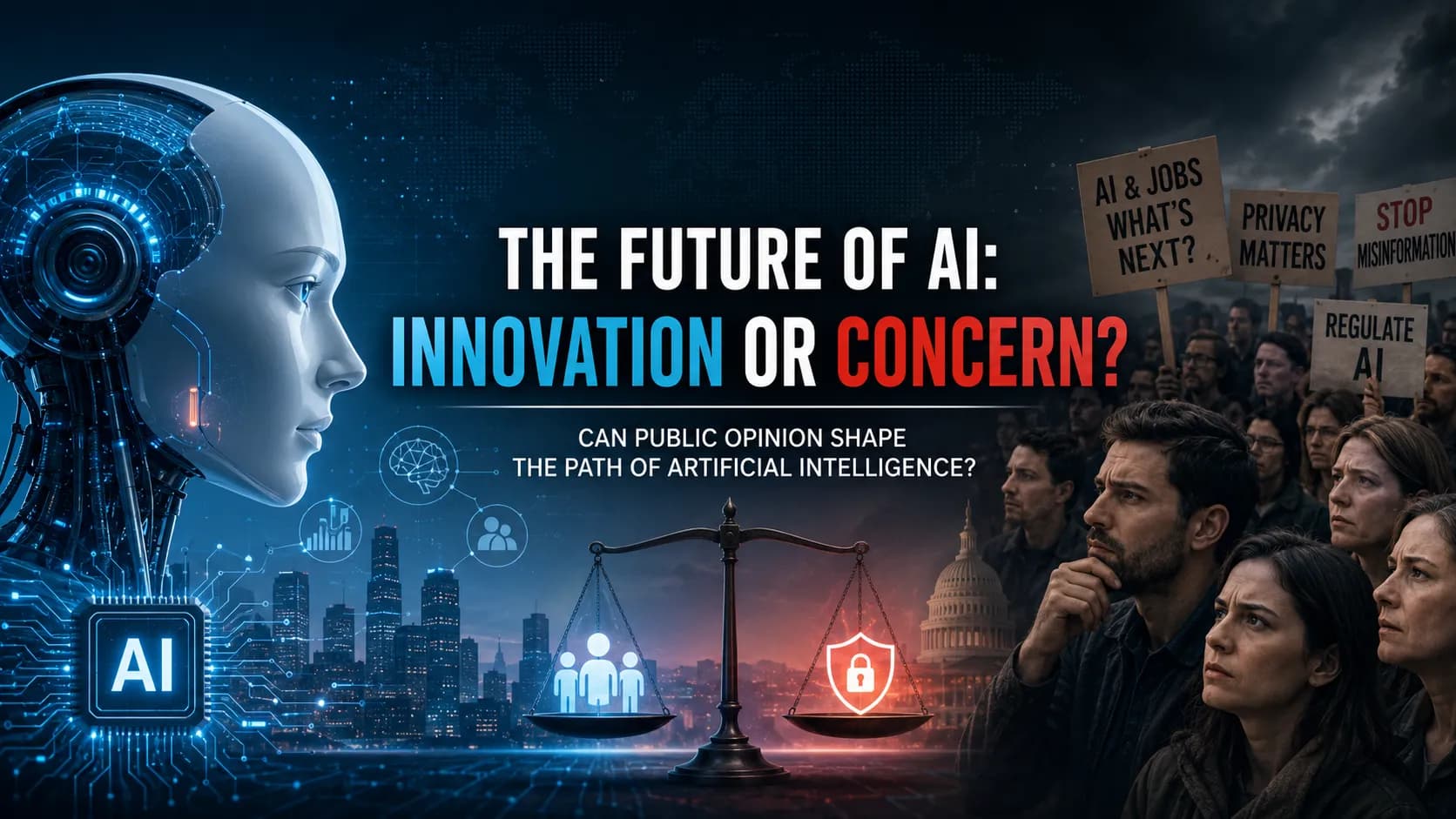
Artificial intelligence has become one of the most transformative technologies of the 21st century. From workplace productivity tools and customer service systems to education, healthcare, and entertainment, AI is increasingly embedded in everyday life. Yet, despite its growing presence and widespread adoption, public opinion in the United States appears to be moving in the opposite direction. Recent national surveys indicate that many Americans are becoming more skeptical of AI, expressing concerns about its impact on jobs, privacy, misinformation, and society as a whole.
This growing distrust raises an important question: can public opposition slow the rapid expansion of artificial intelligence, or has the technology already become too deeply integrated into modern life to be stopped?
Growing Public Skepticism Toward Artificial Intelligence
Over the past few years, AI has evolved from a specialized technological tool into a mainstream phenomenon. Millions of people now interact with AI-powered applications daily, often without realizing it. However, increased exposure has not necessarily translated into increased trust.
Many Americans worry that AI could replace human workers, particularly in industries involving administrative tasks, customer support, content creation, and data analysis. Others fear that advanced AI systems could contribute to the spread of misinformation, create convincing fake content, and make it more difficult to distinguish truth from fiction.
Privacy concerns also play a significant role in shaping public opinion. As AI systems rely heavily on large amounts of data, many individuals question how their personal information is collected, stored, and used. These concerns have fueled calls for stronger regulation and greater transparency from technology companies.
Why AI Development Continues Despite Public Concerns
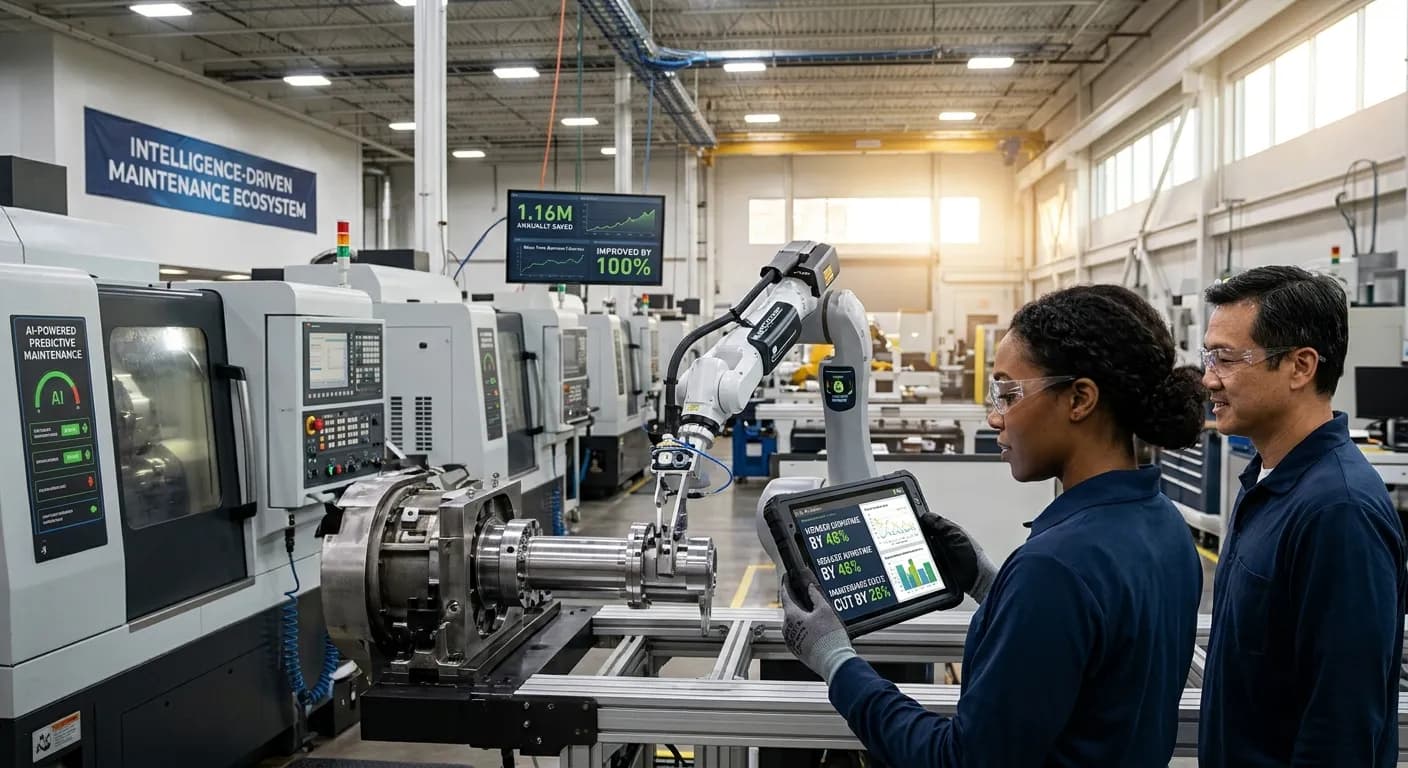
Although public skepticism is growing, AI development continues at an extraordinary pace. One major reason is the enormous economic value associated with the technology. Governments, corporations, and investors view AI as a key driver of future growth, productivity, and global competitiveness.
Major technology companies are investing billions of dollars into AI research and infrastructure. Businesses across multiple sectors are adopting AI tools to improve efficiency, reduce costs, and automate repetitive tasks. As a result, many organizations see AI not as an optional innovation but as a strategic necessity.
Financial markets also reflect this confidence. Some of the world’s most valuable companies have experienced significant growth due to investor expectations surrounding artificial intelligence. The success of these firms has become closely tied to broader market performance, creating powerful incentives to continue advancing the technology regardless of public sentiment.
Can Public Opinion Influence the Future of AI?
While public distrust may not stop AI development entirely, it can influence how the technology is regulated and implemented. Throughout history, public opinion has played an important role in shaping policies related to emerging technologies, from environmental protection to data privacy.
Governments may respond to growing concerns by introducing regulations designed to increase transparency, accountability, and safety. Companies may also be required to demonstrate that their AI systems operate fairly and responsibly.
In addition, consumer attitudes can affect market behavior. If people lose confidence in certain AI products or services, companies may face pressure to redesign their systems, improve safeguards, and communicate more clearly about how AI is being used.
Therefore, while public skepticism may not halt technological progress, it could significantly shape the rules and standards governing the future of artificial intelligence.
Conclusion
Artificial intelligence stands at a critical crossroads. On one hand, it promises unprecedented innovation, economic growth, and technological advancement. On the other, it faces increasing public scrutiny and concern from citizens who question its long-term consequences.
Despite rising skepticism among Americans, AI continues to expand across industries, workplaces, and financial markets. The momentum behind the technology is substantial, making it unlikely that public distrust alone will stop its progress. However, public opinion remains a powerful force that can influence regulation, corporate behavior, and the ethical development of AI.
The future of artificial intelligence may therefore depend not on whether it continues to grow, but on whether society can ensure that this growth occurs responsibly, transparently, and in the public interest.
Alvara Merrick
Contributing writer at EUReflect.
Follow EUReflect
See more of our reporting on Google
Mark EUReflect as a preferred source and our stories are ranked higher for you in Top Stories, Discover and Google News — and carry a “preferred” badge when they are cited in AI results.
Add EUReflect as a preferred source