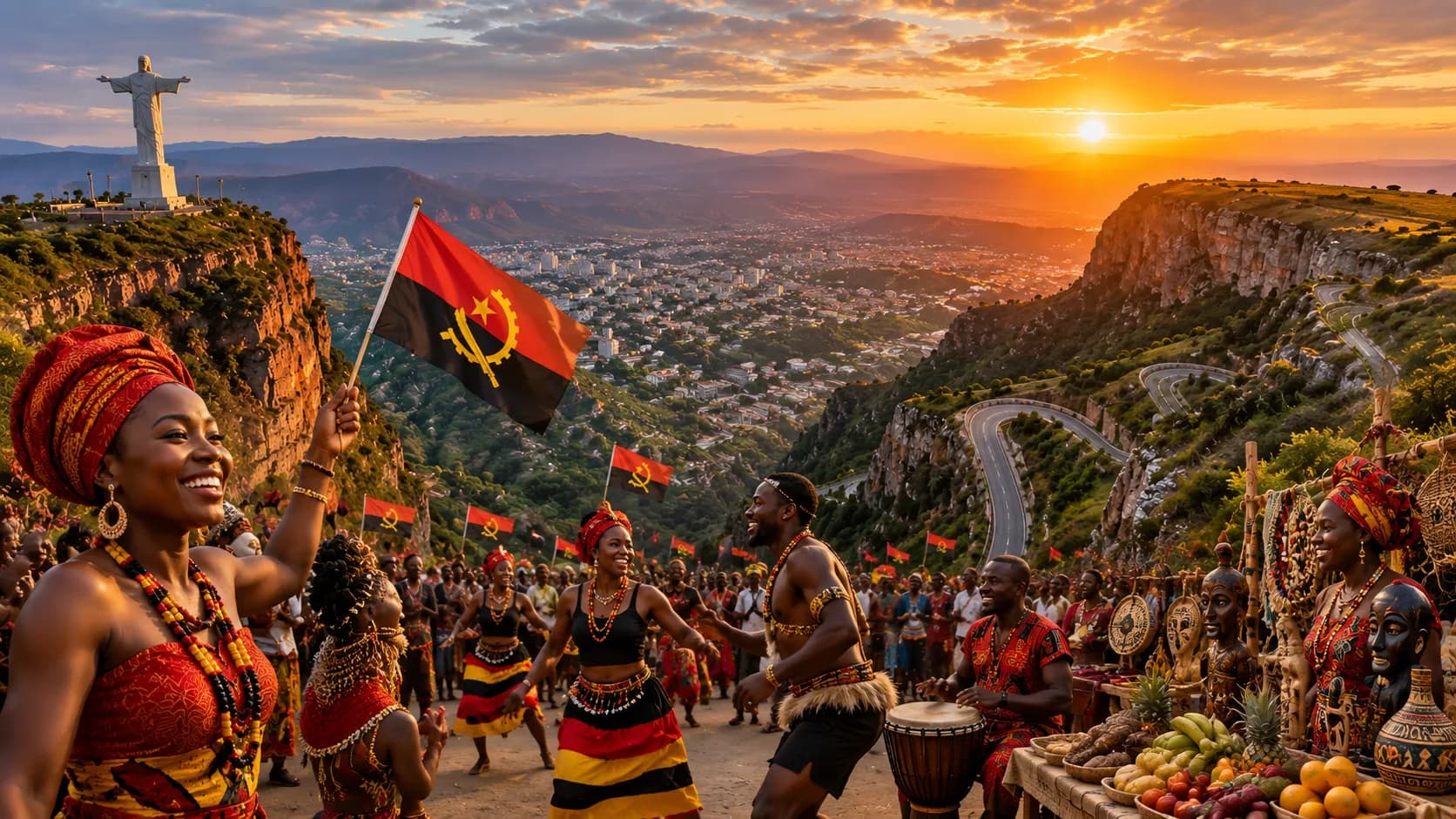
Angola’s Tourism Horizon: A New Frontier for Investment in Africa
By Olha Pashchenko, EUReflect Economic Analysis
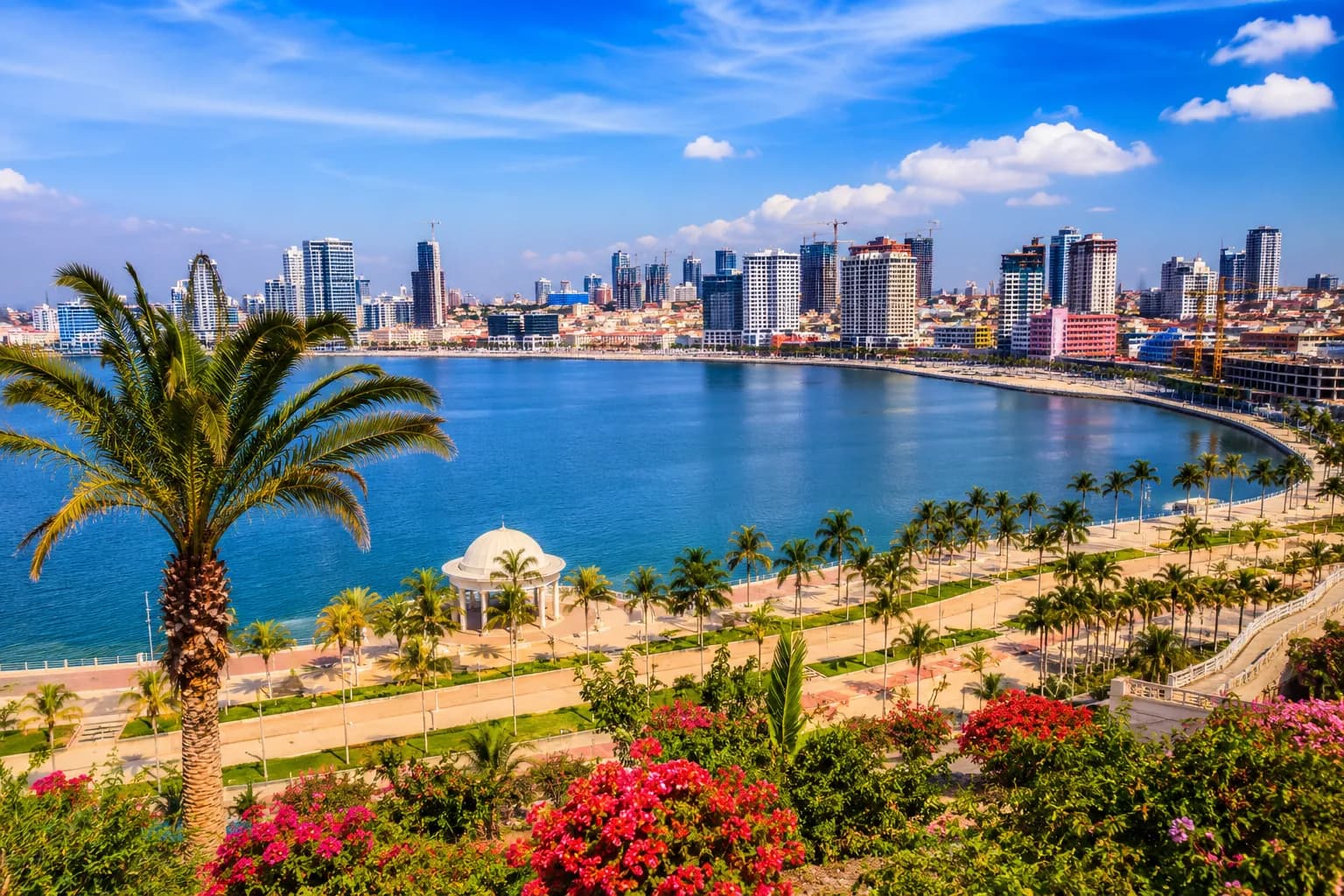
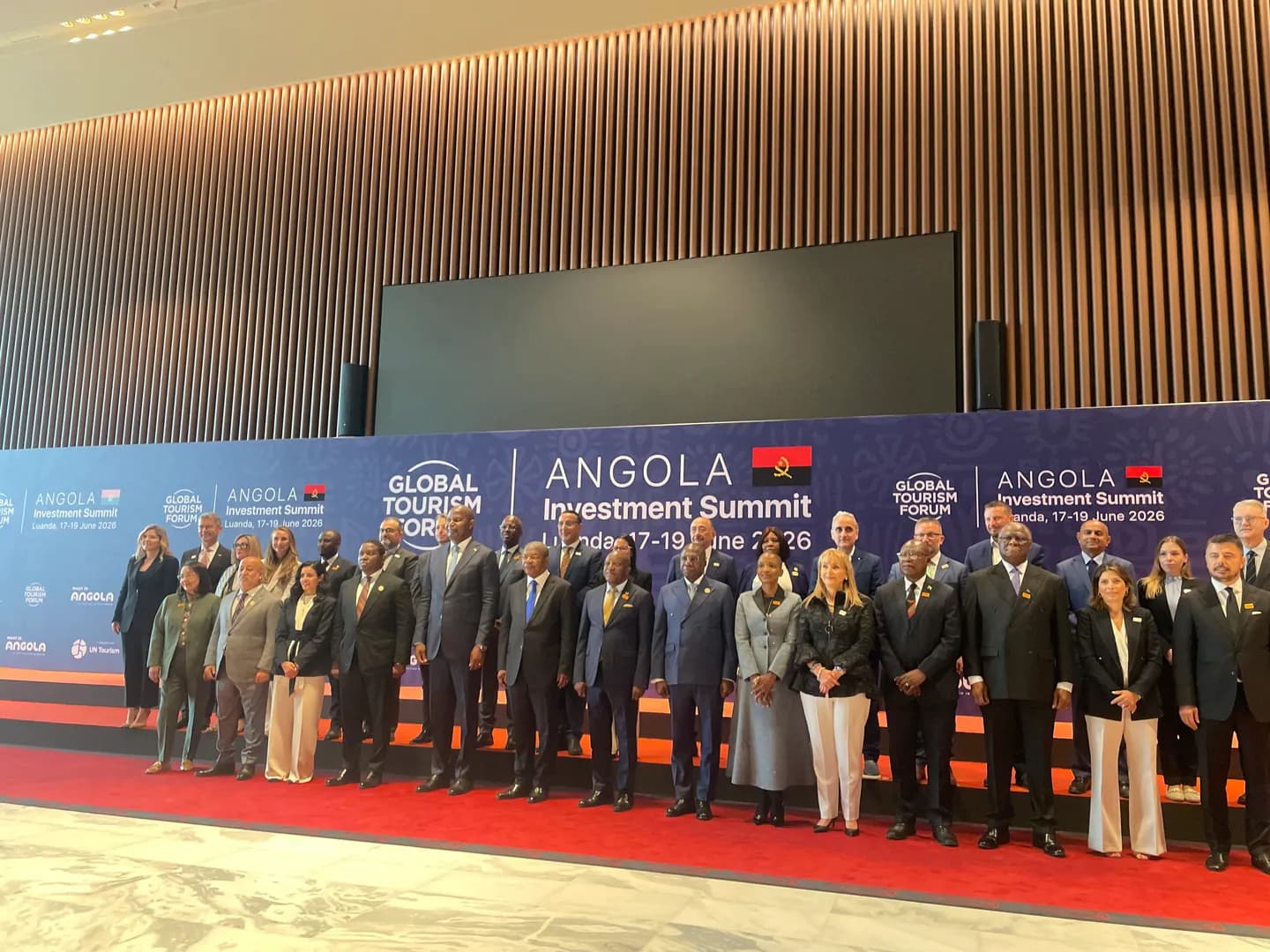
Luanda, June 17, 2026 – As Angola convenes the Angola Investment Summit 2026 in Luanda this week, a clear and compelling signal is being sent to the global investment community: the country has moved decisively beyond its petro-state legacy to actively cultivate a new, diversified economic pillar—tourism.
For decades, Angola’s economic narrative was tethered to oil price volatility. Today, a concerted and strategic state-led push, backed by concrete infrastructure spending and institutional reform, positions its tourism sector as a burgeoning asset class with significant long-term yields.
A Macroeconomic Turning Point
The transformation is not merely aspirational. Data from the UN Tourism Barometer confirms that Angola ranked as the top tourism growth destination in Africa—and fourth globally—in 2025, with international arrivals surging 30% to approximately 223,000 visitors, surpassing pre-pandemic levels. This momentum reflects a fundamental shift in the country’s economic diversification strategy, with tourism now framed as a catalyst for national development and job creation.
This shift is underpinned by robust macroeconomic fundamentals. The World Travel & Tourism Council (WTTC) projects thatForeign Direct Investment in Angolan tourism will reach a historic USD 3 billion in 2025. Critically, this marks the first time in nearly a decade that investment inflows are expected to exceed dividend repatriations, signaling a turning tide in international capital confidence. This is reinforced by the country's progressive Private Investment Law, which guarantees 100% foreign ownership and unrestricted repatriation of profits.
The Public Sector’s Role: De-risking and Enabling
The Angolan state is acting as a strategic enabler, rather than merely a regulator. The government has approved a $500 million public investment package dedicated to integrated infrastructure in zones of high tourism potential, including Cabo Ledo, Quicombo Bay, and the Namibe bays. This approach is classic developmental economics: public funds are tackling the high-cost hurdles of energy, water, and road infrastructure to create bankable environments for private capital.
“The State is creating the basic conditions... so that the private sector can invest in the construction of hotels, resorts, restaurants, and other tourism infrastructure,” stated Tourism Minister Márcio Daniel . This public-private partnership model is designed to mitigate early-stage project risk, making the destination more palatable to institutional investors and large hospitality groups.
Diversifying the Investment Portfolio
Angola’s tourism proposition is multi-faceted, catering to various investment theses:
The Business & MICE Hub: Luanda is consolidating its position as a regional business hub. The upcoming Luanda Convention Centre, part of the Lundo Project, will boast a capacity of over 3,000 delegates, a significant upgrade from the current 300-800 capacity across other venues . The launch of the Angola Convention Bureau aims to capture a larger share of the lucrative Meetings, Incentives, Conferences, and Exhibitions (MICE) market. This urban focus is already attracting global players, with Hilton announcing its entry into the market with three properties (including two in Luanda), and a formal partnership expected with the world's largest tourism group, TUI, for hotel management.
Ecotourism and Conservation: Beyond the capital, Angola offers one of Africa’s last great wilderness frontiers. With approximately 15% of its land designated as national parks and a commitment to sustainable development, the ecotourism potential is immense . The country is actively seeking partnerships to develop this niche, with operators like Natural Selection already applying to establish private game reserves. These projects are intrinsically linked to the vital conservation of the Okavango Basin’s headwaters, adding a layer of environmental and global significance to the investment opportunity.
Leisure and Coastal Development: The "Visit Angola – The Rhythm of Life" campaign is targeting the global leisure traveler . The shift in tourist profile is already evident: from 2025 to 2026, the number of leisure tourists grew by 24%. This growing demand validates investment in coastal resorts and integrated tourism destinations along Angola’s scenic Atlantic coastline.
An Analytical Outlook
While the trajectory is positive, a balanced analysis must acknowledge the baseline. Tourism currently contributes 1.6% to Angola’s GDP, below the African average. However, this low base also signifies enormous growth potential. The government’s target to surpass 3% by the end of 2027 is ambitious, but with the current momentum, it is achievable.
The institutional framework is strengthening. The Ministry of Tourism has launched programs such asCapacita Turismo to train 10,000 professionals and Simplifica Turismo to improve the business environment . Furthermore, visa exemptions for 98 countries and participation in the KAZA UniVisa system are dismantling entry barriers.
Angola is no longer an unknown quantity. Through strategic marketing partnerships (such as being a host country for ITB Berlin) and targeted investment summits, the government is successfully attracting attention from high-value markets in the Middle East and Europe. The Angola Investment Summit 2026 itself is a testament to this new era, signaling that Angola is open for business and ready to transform its natural and cultural wealth into sustainable, diversified prosperity.
Olha Pashchenko
Contributing writer at EUReflect.
Follow EUReflect
See more of our reporting on Google
Mark EUReflect as a preferred source and our stories are ranked higher for you in Top Stories, Discover and Google News — and carry a “preferred” badge when they are cited in AI results.
Add EUReflect as a preferred source