BRUSSEL, Kazakhstan – EU: Ten Years of a Strategic Partnership Ready to Shift Into Higher Gear
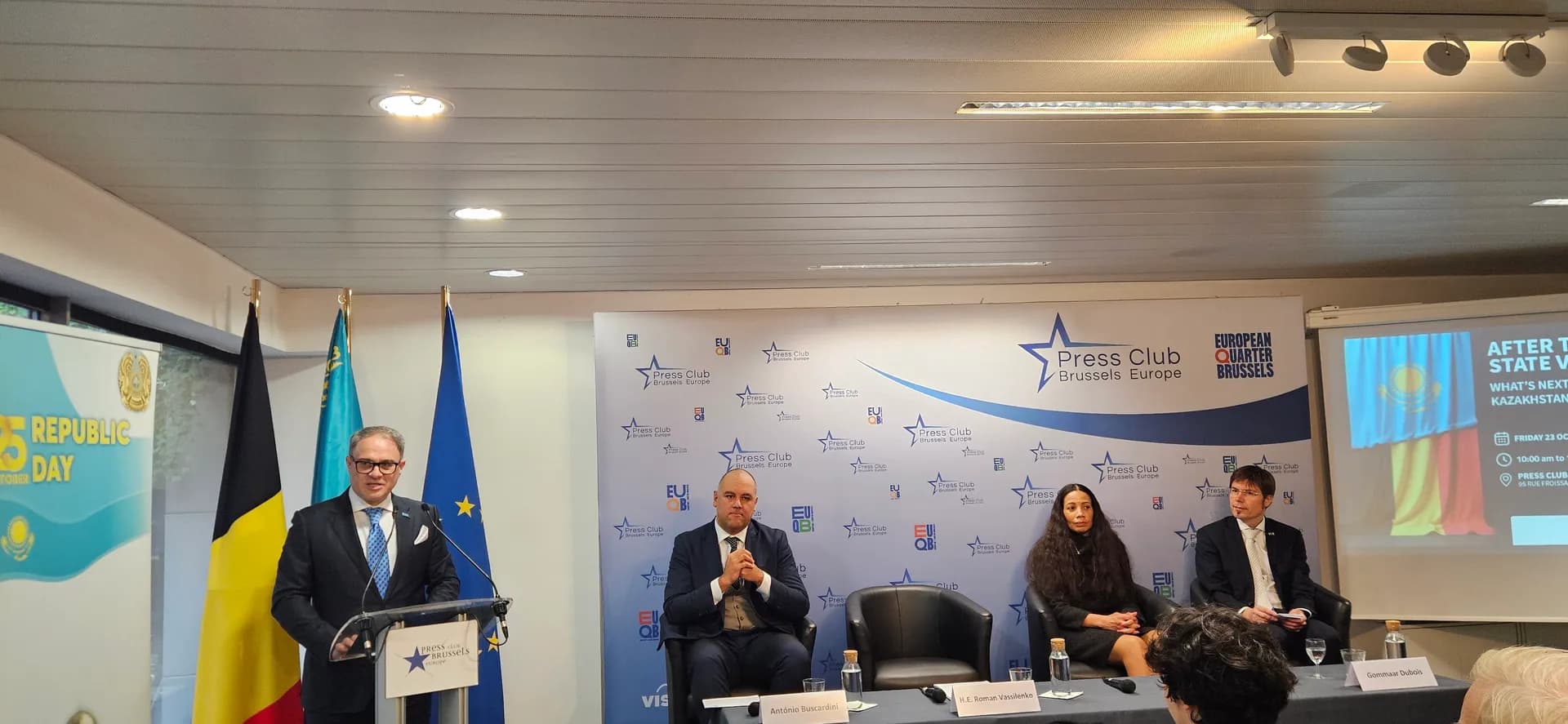
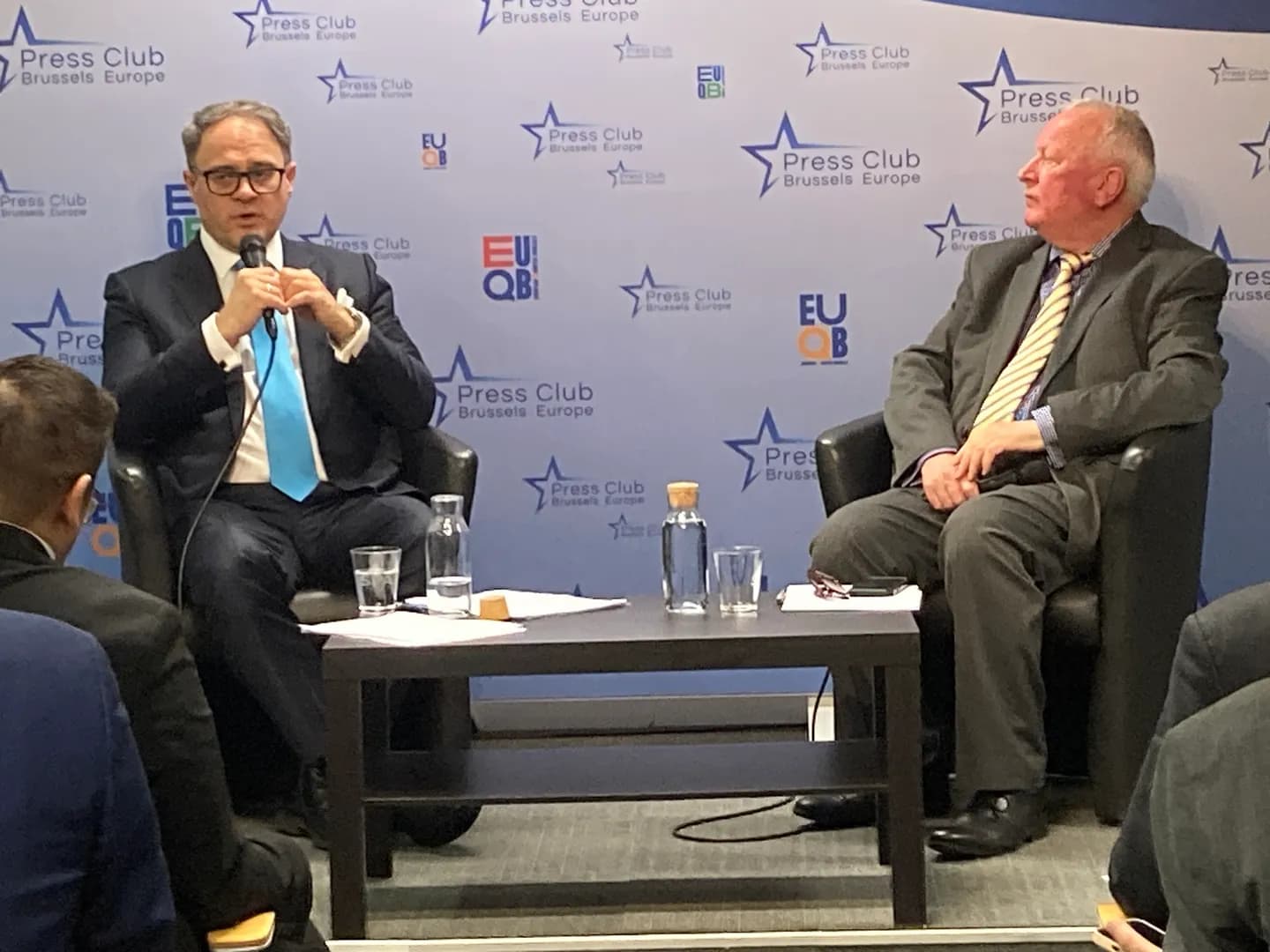
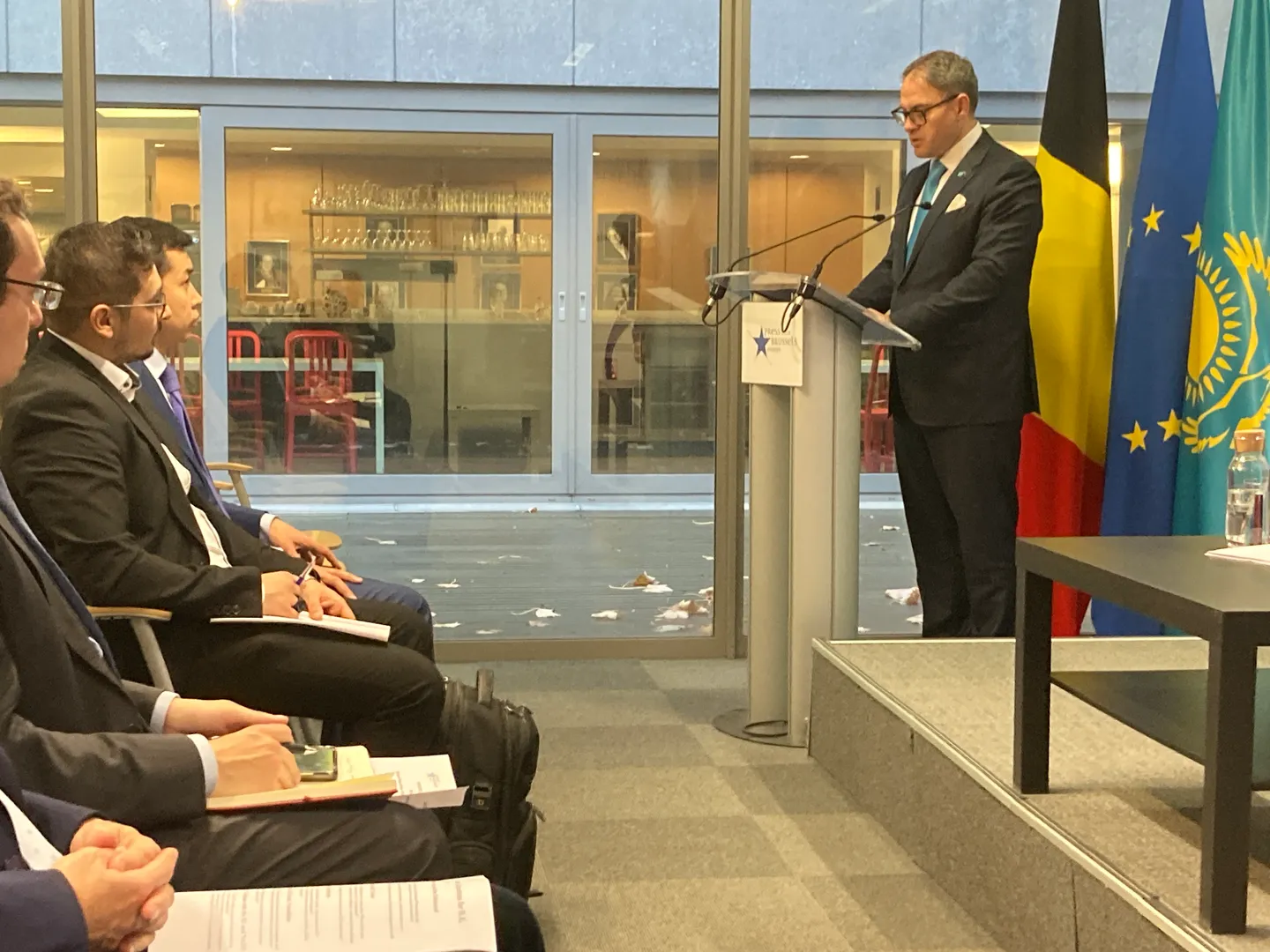
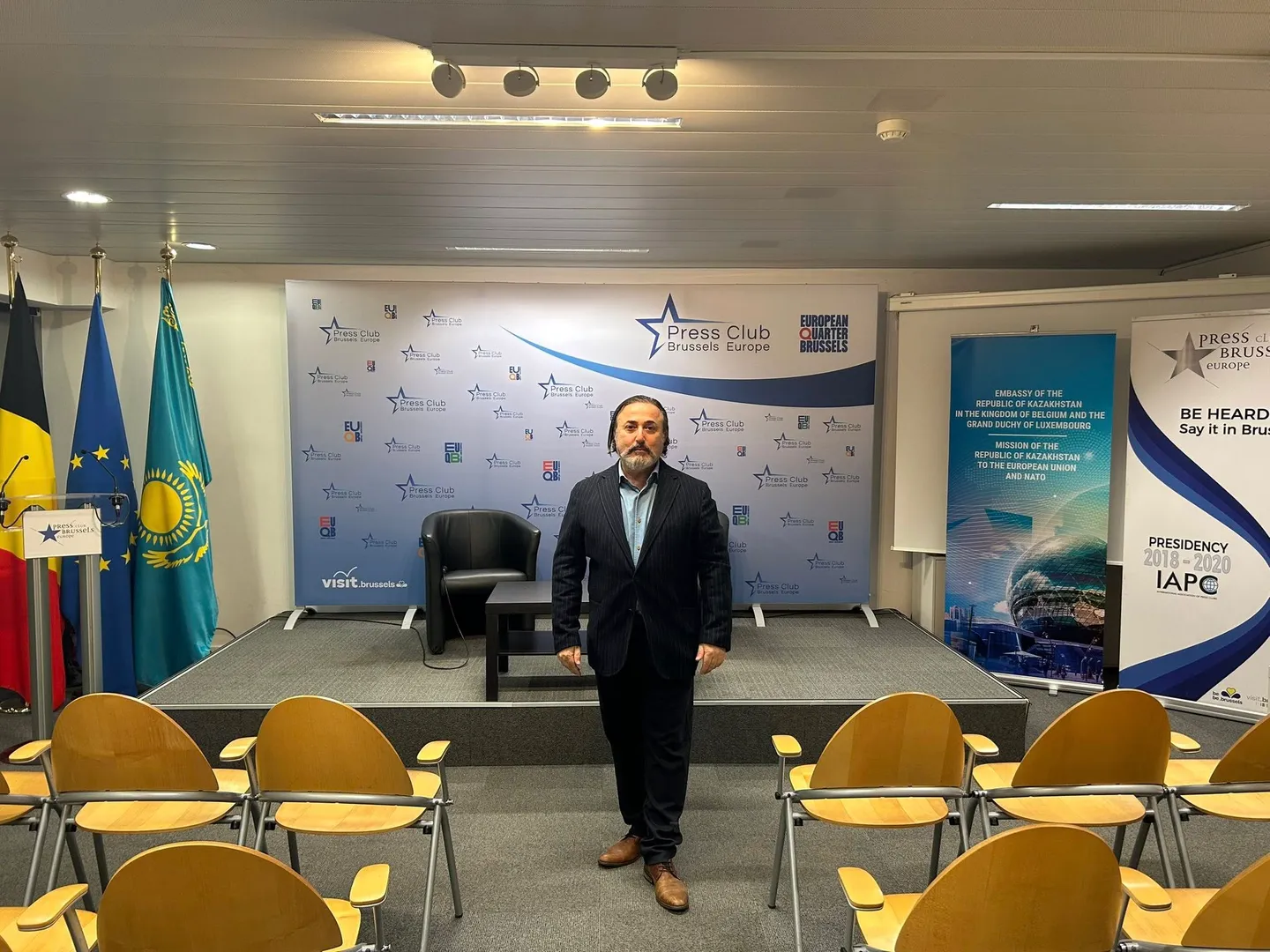
The debate organized at the Press Club Brussels revealed a Kazakhstan fully assured in its multi-vector foreign policy: engaging with Russia, China, the European Union and the United States without entering into bloc logic, but defending a strategic pragmatism that has become its trademark. Ambassador Roman Vassilenko called for a faster, more concrete and more ambitious EU–Kazakhstan partnership, emphasising two priorities: connectivity — with the central role of the Middle Corridor — and cooperation on critical raw materials essential for Europe’s industrial transition. Journalists present, including Colin Stevens (EU Reporter), raised key questions about energy, green hydrogen, civil nuclear development and Kazakhstan’s wider role in Europe’s green transition. Their direct, sometimes sharp questions shed light on Astana’s strategic objectives.
Kazakhstan – EU: Ten Years of a Strategic Partnership Ready to Shift Into Higher Gear
At the Press Club, Kazakhstan Positions Itself as a Strategic Pivot Between East and West
By Kadir Duran / Bruxelles Korner
Brussels, 24 November 2025
In Brussels, the political capital of the European Union and crossroads of diplomats from around the world, the Embassy of Kazakhstan today presented an ambitious roadmap for the next decade of the strategic partnership between Astana and the European Union.
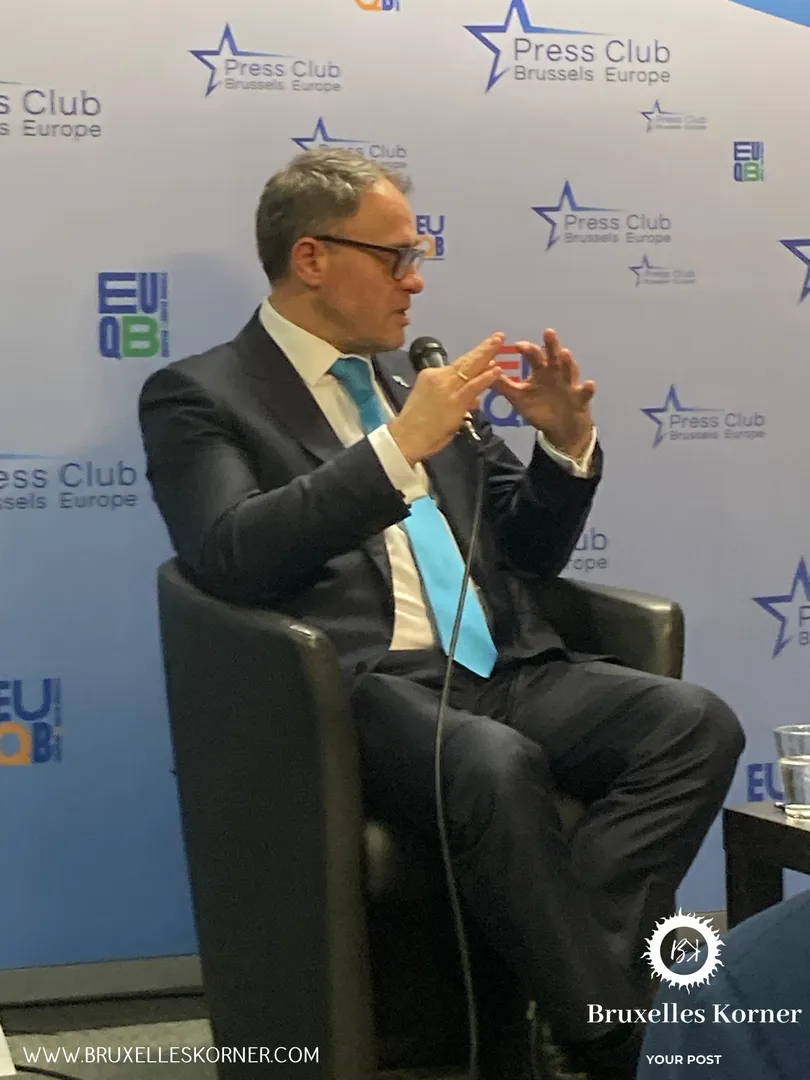
On the occasion of the 10th anniversary of the EPCA, the Enhanced Partnership and Cooperation Agreement signed with the EU, Ambassador Roman Vassilenko delivered a clear message: the Kazakhstan–EU relationship is no longer just a diplomatic chapter it has become a backbone of Eurasian connectivity, European energy security and the global green transition.
A “mature, confident and forward-looking” relationship
Addressing the European press, the Ambassador recalled several little-known facts:
Kazakhstan was the first Central Asian country to sign a “new generation” agreement with the EU.
The EPCA covers 29 areas of cooperation, from trade to education, security and innovation.
The European Union remains Kazakhstan’s largest trading partner and investor, with nearly USD 50 billion in trade in 2024, and over USD 200 billion in cumulative investments since independence.
4,000 European companies currently operate in Kazakhstan.
Despite current geopolitical turbulence, the relationship has never been this dense: meetings in Samarkand, New York, Astana, Brussels; accelerated sectoral dialogues; and a 22nd Kazakhstan–EU Cooperation Council scheduled as early as next week.
“We have built a relationship based on trust, shared interests and a common vision of regional stability,” the diplomat summarised.
Energy: an indispensable partner for Europe
Kazakhstan’s message is clear: Astana remains a pillar of Europe’s energy security, at a time when diversification has become vital.
13% of the oil consumed in the EU comes from Kazakhstan.
16% of the uranium used in European nuclear plants is Kazakh.
A commitment the country intends to maintain “in a stable, secure and uninterrupted manner”.
In a fractured world, such continuity is worth its weight in gold.
The “Middle Corridor”: the Eurasian artery changing the game
If one keyword defines this intervention, it is connectivity.
Kazakhstan is positioning itself as the physical, digital and strategic bridge between Europe and Asia through the Trans-Caspian Corridor — the well-known Middle Corridor, a credible alternative to routes crossing Russia or Iran.
Key figures:
Current capacity: 6 million tons/year
Volume transported in 2024: 4.5 million tons (+62%)
Target for 2025: 5.2 million tons
Target for 2028: 10 million tons/year
Investments already made: USD 35 billion
New investments expected by 2030: USD 15 billion
Armenia’s recent opening to Kazakh freight transit, announced during President Ilham Aliyev’s visit, marks a regional turning point. The first wheat convoys have already crossed the border — a strong symbolic gesture.
Kazakhstan states it plainly:
The Middle Corridor is no longer a route , it is a platform for regional cooperation.
It is compatible with:
the EU’s Global Gateway,
China’s Belt and Road Initiative,
and the European TEN-T network.
Green transition, critical raw materials and artificial intelligence
Europe talks a lot about industrial sovereignty. Kazakhstan brings solutions.
The country possesses 21 of the 34 critical raw materials listed in EU legislation and already exports:
copper, chrome, titanium, phosphorus, manganese, beryllium, tantalum…
The Sarytogan Graphite project, now recognised as a European Strategic Project, symbolises this new convergence.
This is complemented by:
an ambitious AI strategy;
the deployment of the Smart Cargo system;
full digital modernisation of logistics chains.
Kazakhstan does not merely want to supply raw materials — it wants to participate in European value chains.
Towards greater mobility between Europeans and Kazakhs
Highly anticipated: the EU has given the Commission a mandate to negotiate:
a visa facilitation agreement,
a readmission agreement.
A concrete step toward expanded academic, cultural, economic and tourism exchanges.
Kazakh diplomacy insists:
Human relations are the foundation of any lasting partnership.
A new decade, a strengthened partnership
Ambassador Roman Vassilenko concluded with a vision that goes beyond technical cooperation:
“We have built a mature and confident partnership. The next decade will be one of concrete achievements, for our peoples and for the stability of our continent.”
The future of the Kazakhstan–EU partnership will play out in:
energy,
connectivity,
critical raw materials,
digital development,
and human mobility.
And once again, Brussels is the stage.
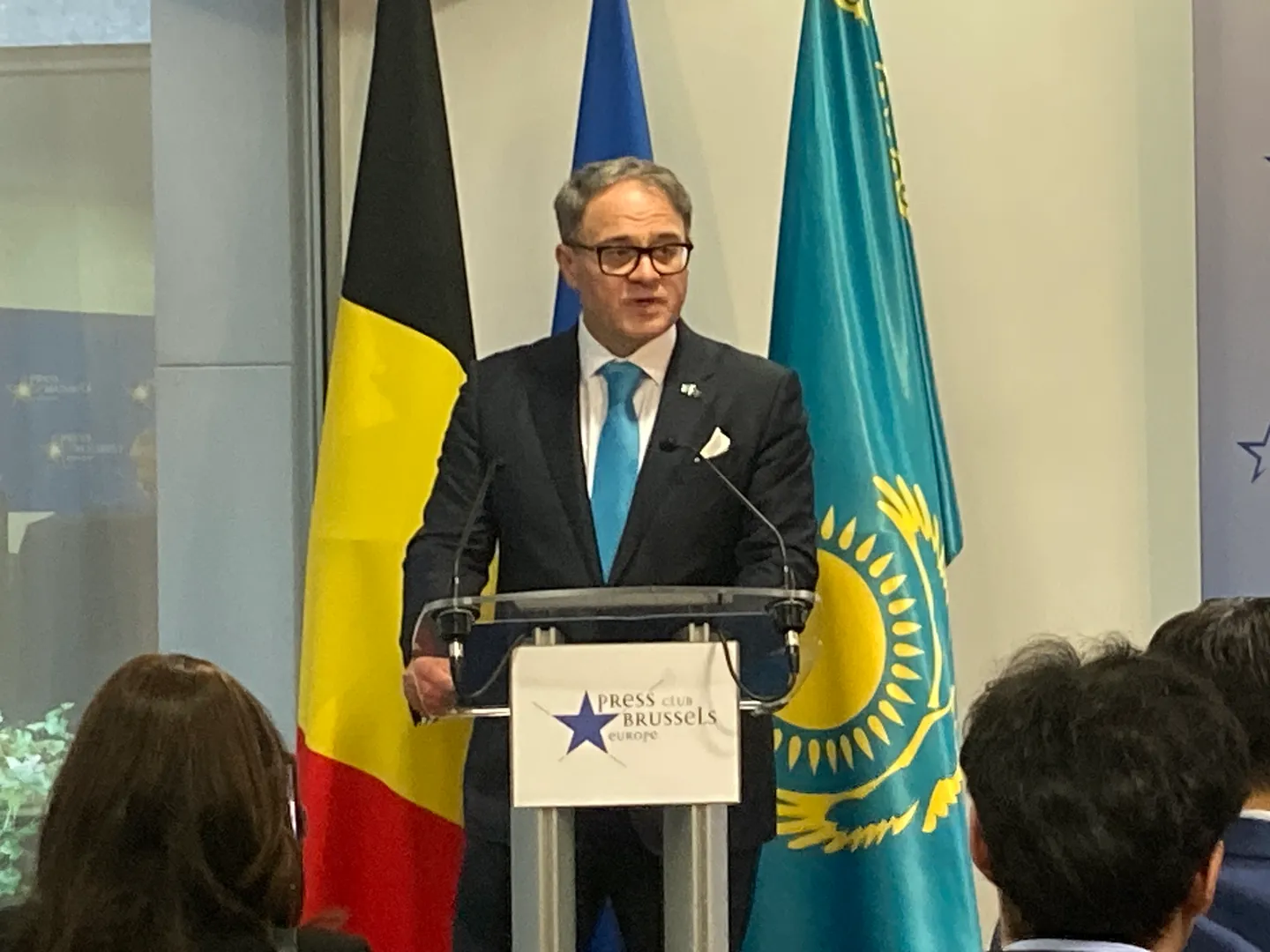
Kazakhstan – EU: A Confident Diplomacy, a Partnership Ready to Accelerate
The debate organized at the Press Club Brussels revealed a Kazakhstan fully assured in its multi-vector foreign policy: engaging with Russia, China, the European Union and the United States without entering into bloc logic, but defending a strategic pragmatism that has become its trademark.
Ambassador Roman Vassilenko called for a faster, more concrete and more ambitious EU–Kazakhstan partnership, emphasising two priorities: connectivity with the central role of the Middle Corridor and cooperation on critical raw materials essential for Europe’s industrial transition.
Journalists present, including Colin Stevens (EU Reporter), raised key questions about energy, green hydrogen, civil nuclear development and Kazakhstan’s wider role in Europe’s green transition. Their direct, sometimes sharp questions shed light on Astana’s strategic objectives.
The conference also highlighted Kazakhstan’s bilateral relations with Belgium, India and the wider Central Asian region, as well as new transport corridors — including those envisaged through Afghanistan demonstrating the country’s growing regional role.
Finally, the discussion returned to the theme of “living bridges”: diasporas, students, mobility, visas and human exchanges seen as the real foundation of EU–Kazakhstan relations for the next decade.
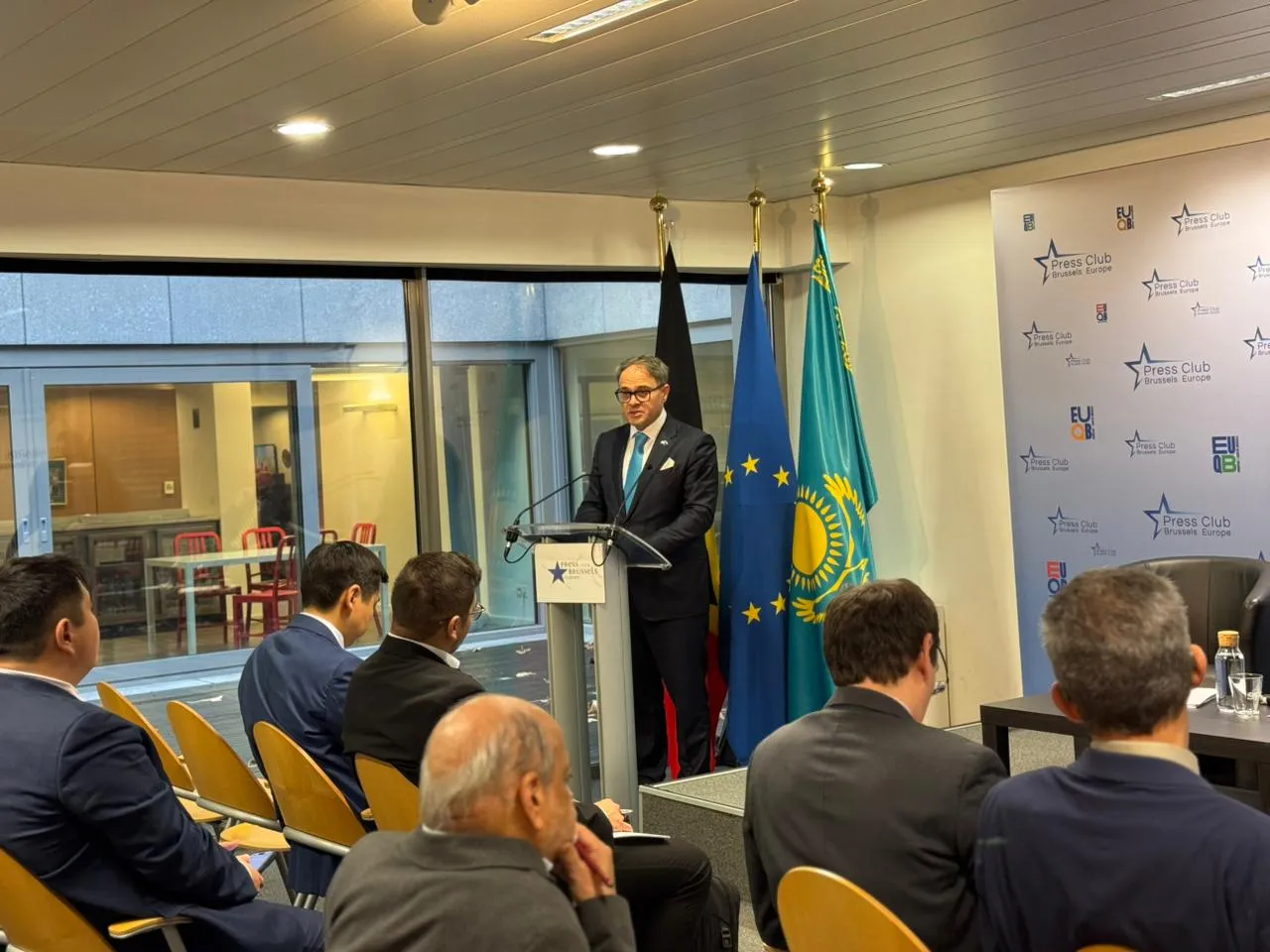
A Frank Debate With the European Press
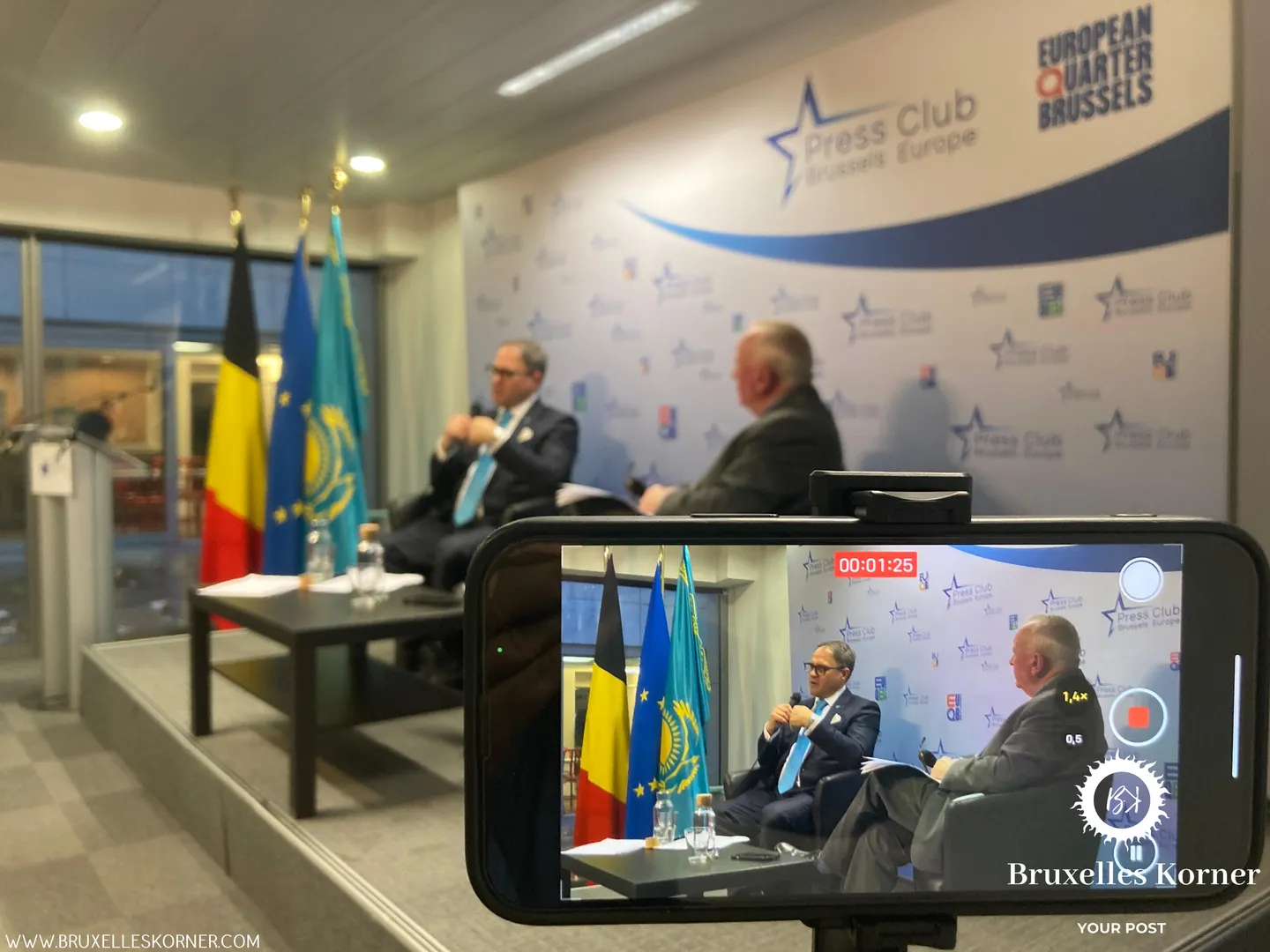
After the Ambassador’s structured presentation, the Press Club Brussels Europe shifted to a more direct format: unfiltered questions, straightforward answers. The session was moderated by Colin Stevens, President and Editor-in-Chief of EU Reporter, a well-known figure in Brussels media circles.
Right away, he posed the question everyone was thinking but few dared to articulate:
How can a country like Kazakhstan, in the current geopolitical context, maintain its multi-vector policy between Russia, China, the European Union… and the United States?
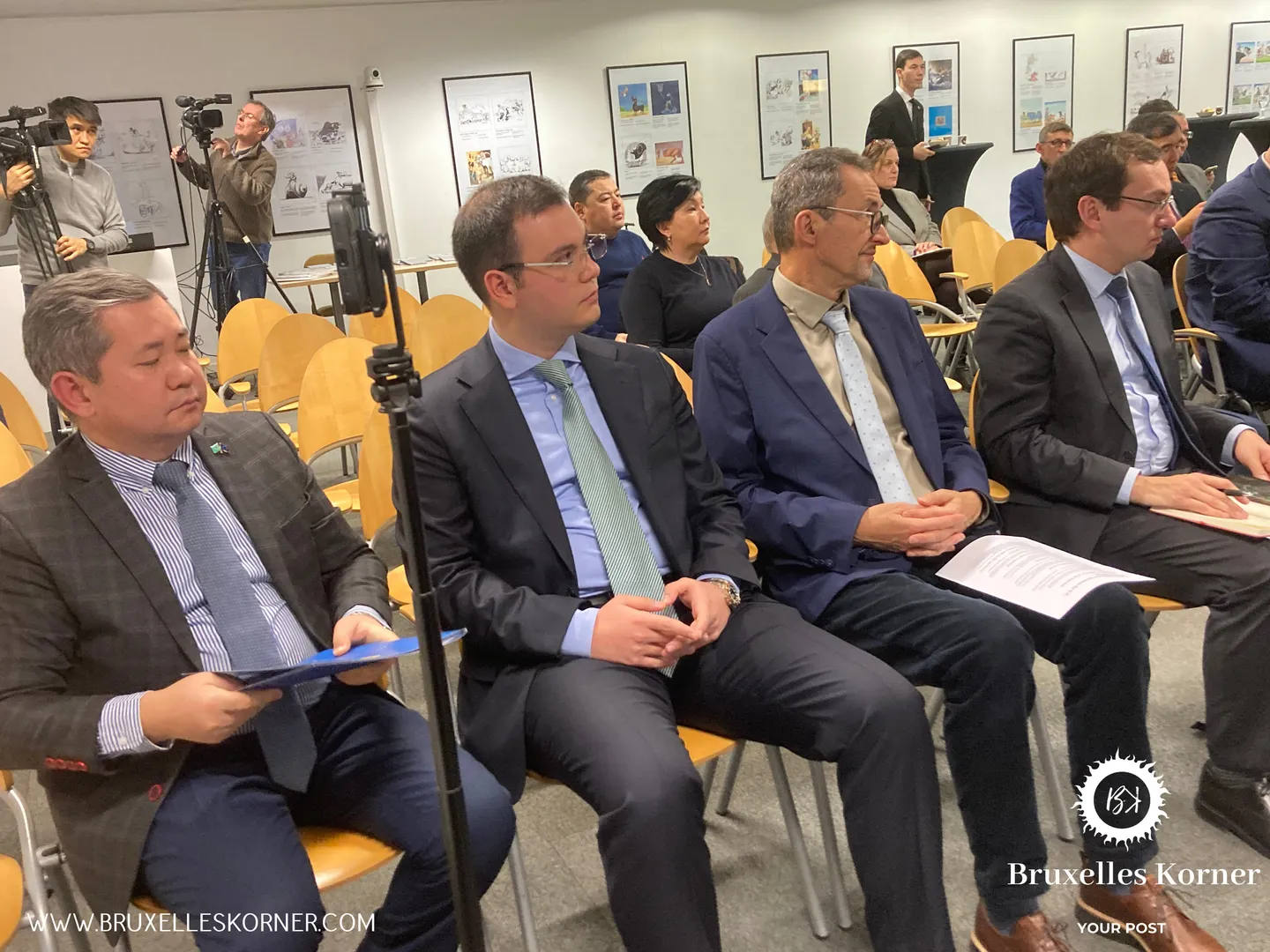
Multi-vector, yes but guided by a single compass: the UN Charter
Ambassador Vassilenko’s response was both political and geopolitical.
He began by recalling the obvious geographical reality:
Russia: a territorial giant;
China: a demographic giant;
and in between, Kazakhstan, with 20 million inhabitants spread over a territory the size of Western Europe.
“For nearly 35 years of independence, we have learned the value of a balanced and pragmatic foreign policy. Diplomacy is our historical answer.”
At the centre of this approach lies a clear red line:
“Our fundamental principle is the UN Charter. It remains the guiding light for all our partnerships.”
In other words:
yes to “normal, mutually beneficial and respectful” relations with Moscow, Beijing, Brussels and Washington;
no to bloc logic that forces one side against the other.
Kazakhstan presents itself as a pivot state, credible because it speaks to all and respects its international commitments.
The EU: an essential partner… but too slow
Colin Stevens followed up with a very Brussels-style question:
Why ask the EU to move faster when its processes are slow by nature?
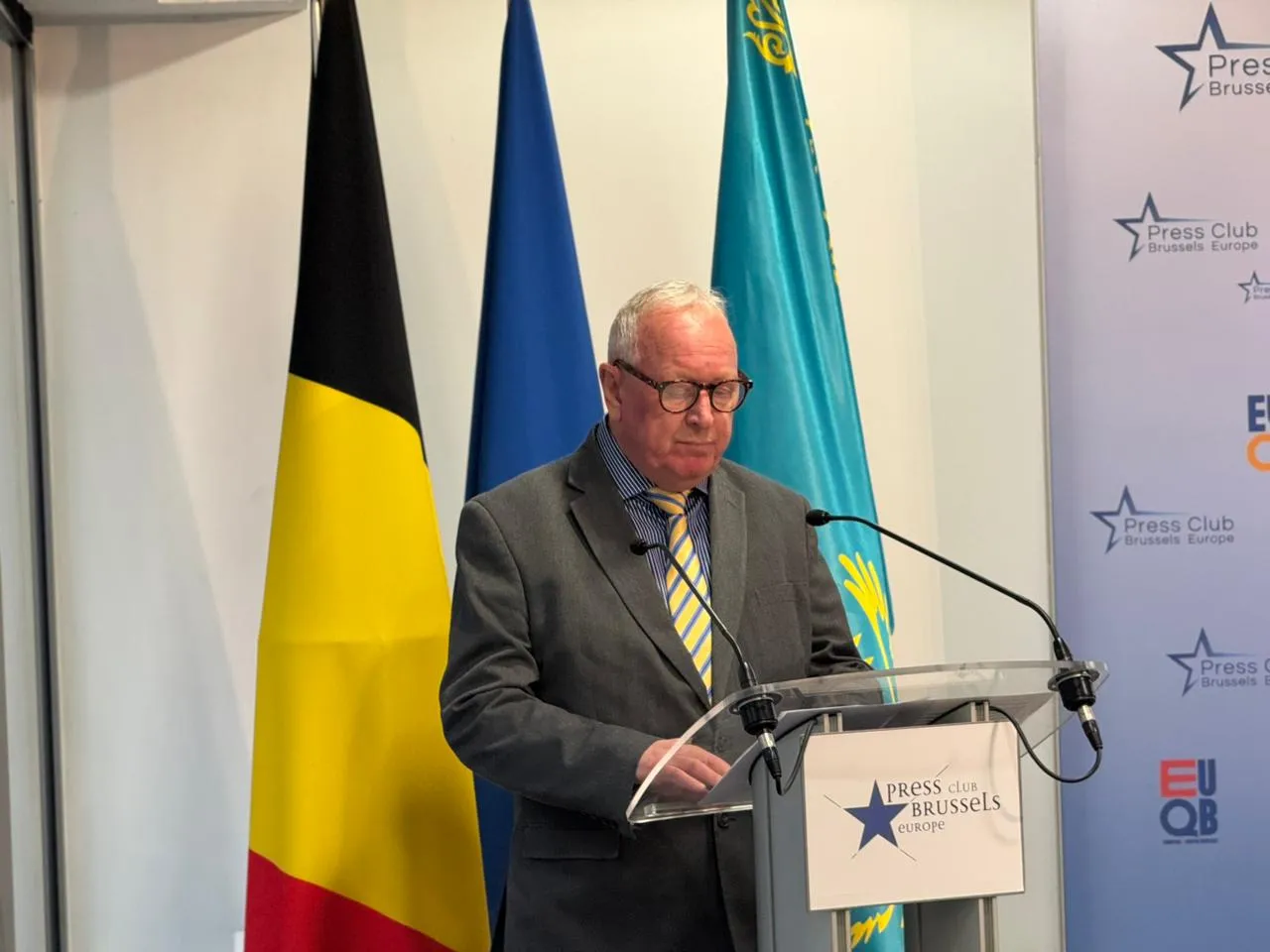
The Ambassador admitted:
yes, the EU is slow;
yes, this is an issue;
but it is also a strength: when it decides, it commits 27 countries together.
He cited the EU–Central Asia Forum:
EUR 10 billion announced for transport corridors, including the Middle Corridor.
Two years later:
USD 800 million signed by the EBRD for infrastructure in Kazakhstan;
EUR 200 million confirmed by the EIB with the Kazakh Development Bank.
A start but not enough.
“The projects are identified, the market is there, the demand is there. Now we must accelerate.”
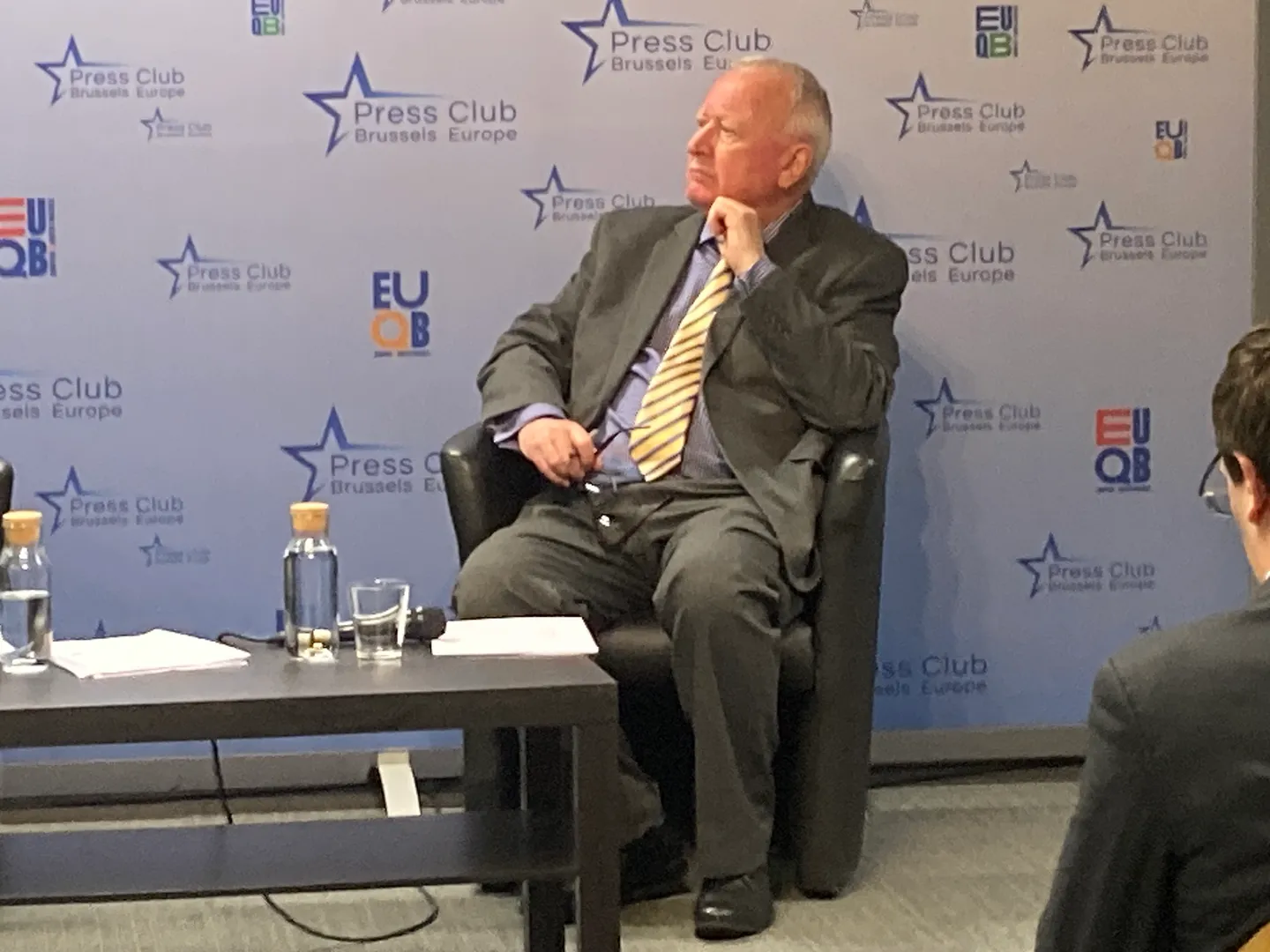
Oil, uranium, green hydrogen: Kazakhstan’s energy equation
Responding to questions about Europe’s energy security, the Ambassador laid out the figures:
Kazakhstan produces just under 100 million tons of oil, 80% of which is exported.
13% of EU oil imports come from Kazakhstan.
Crude flows through the CPC pipeline to Novorossiysk neither sanctioned nor interrupted because it carries Kazakh oil.
At the same time, Astana is developing alternative routes across the Caspian, Azerbaijan and Turkey to increase volumes via the Middle Corridor.
Looking toward the future:
1.2 GW of wind energy with TotalEnergies;
30 GW solar + wind for green hydrogen production dedicated to export;
a decision to build the country’s first nuclear power plant;
21 of the EU’s 34 critical raw materials present in Kazakhstan.
“Real partners will be those who invest not only in extraction but also in processing on Kazakh territory.”
Belgium–Kazakhstan: logistics, speculoos… and tomorrow maybe universities?
On Belgium’s role, the Ambassador highlighted:
Belgium is among the main investors in Kazakhstan.
Around 100 Belgian companies operate in logistics, ports and freight.
Belgian speculoos brand Lotus is booming in Almaty.
“We have British, German and American universities… but not yet Belgian ones. We hope to change that.”
Even football is joining in: Club Brugge will soon play in Almaty.
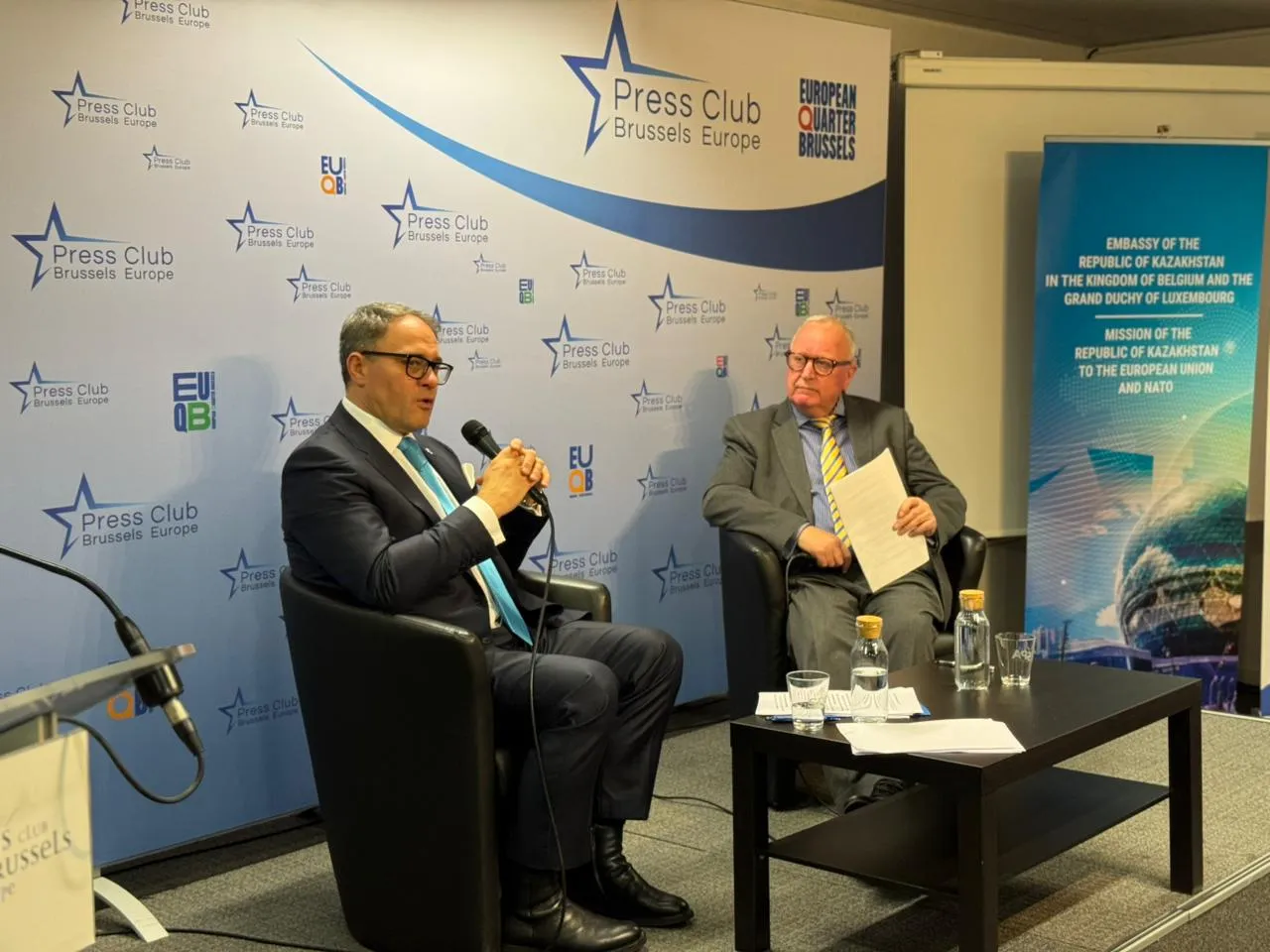
India, Afghanistan and regional integration
An Indian journalist asked about links with India and Afghanistan.
The answer: high potential limited by land connectivity.
A key project under discussion:
a 150 km railway line in western Afghanistan, opening a Kazakhstan–Pakistan–India corridor.
As for the region: intra-Central Asian trade has grown from USD 5 to 11 billion; a shared Vision 2040; synchronised regional projects.
Kazakhstan aims to be a driver of an integrated Central Asia.
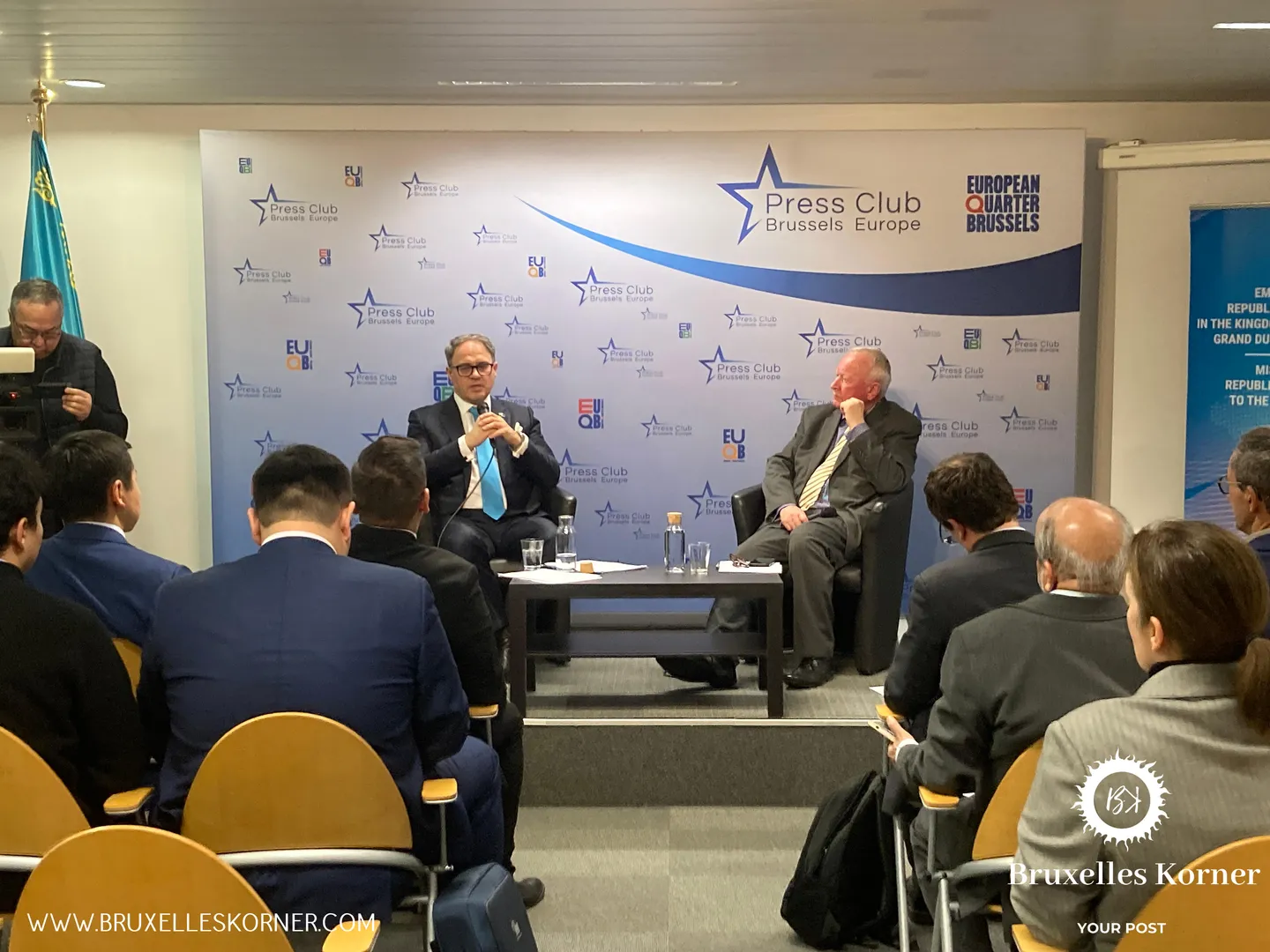
The “living bridges”: diasporas, students and visas
These human links are a core theme of the Ambassador’s message.
1 million Kazakh-Germans live in Germany.
31,000 foreign students in Kazakhstan today; target: 150,000.
120,000 Kazakhs visit Europe each year a number expected to double or triple with the upcoming visa agreements.
“No migration wave
but enormous potential for exchanges, circulation, sustainable connections.”
A cocktail, a photo and a final message
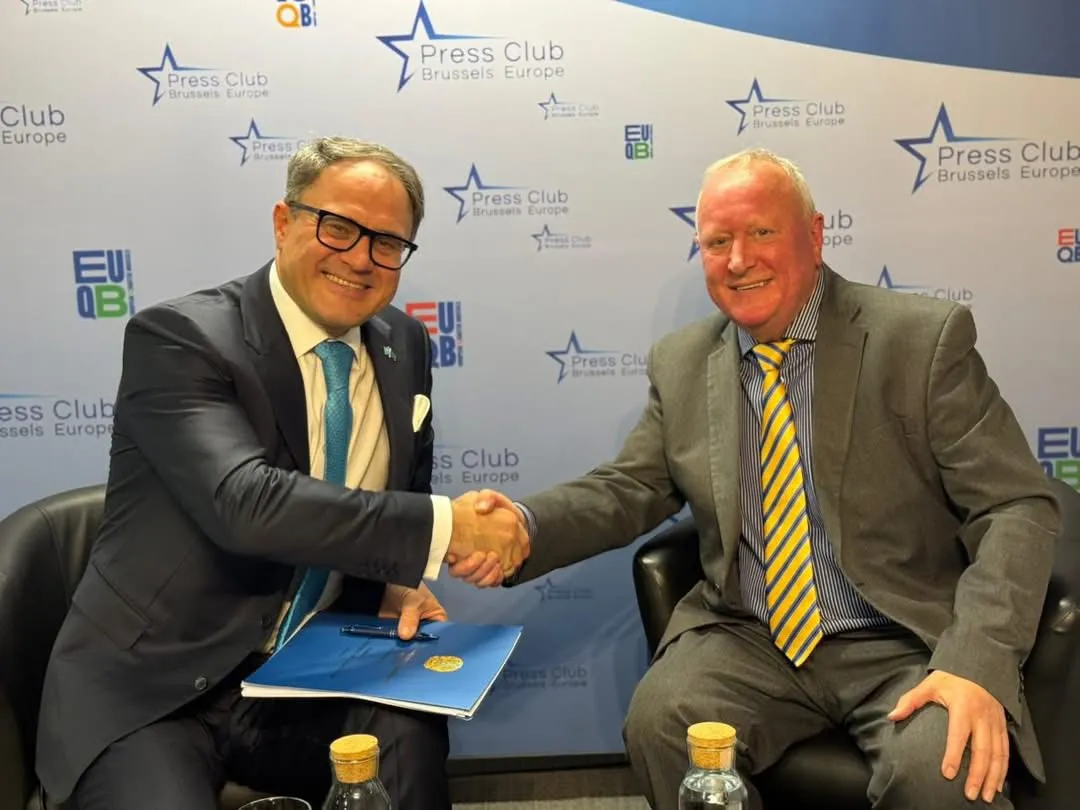
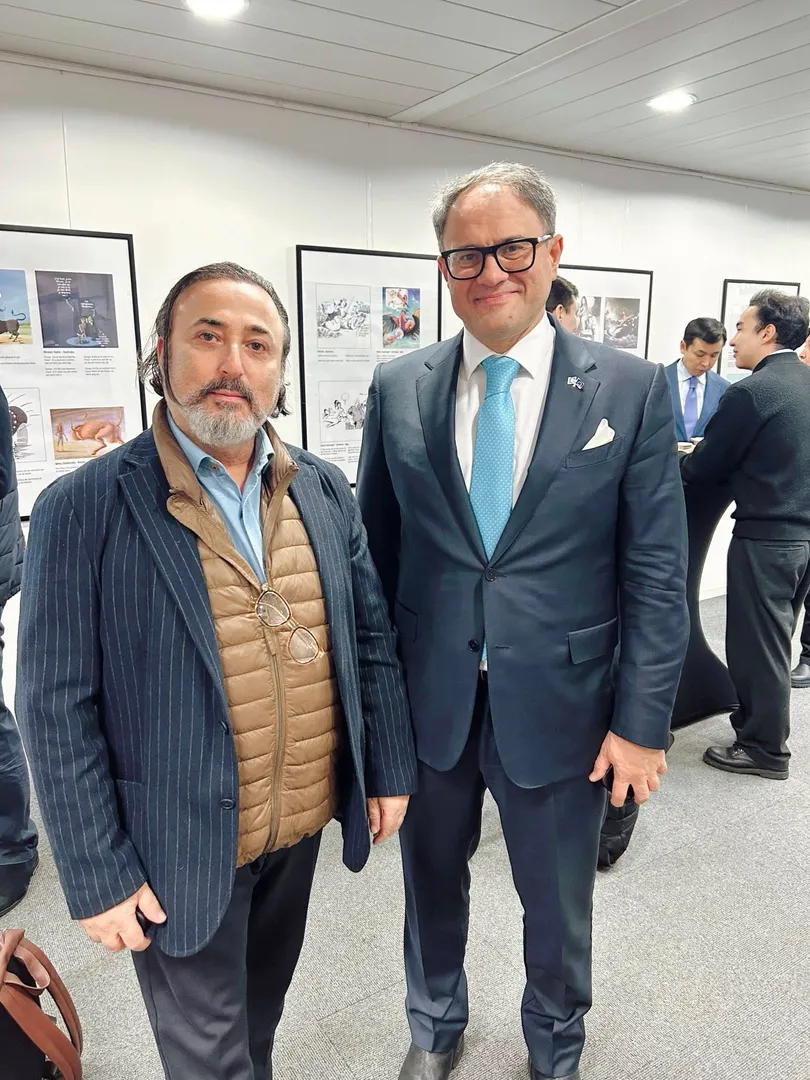
The session ended with photos, handshakes, and promises to meet again “in ten years to assess the progress”.
During the cocktail, diplomats, journalists and experts continued the discussions.
The Ambassador concluded:
“Kazakhstan is vast, and the opportunities are immense. There is room for all partners who work with us in a win–win spirit.”
In Brussels that day, the message was clear.
Now the question is whether Europe will match Kazakhstan’s pace and ambition.
Kadir Duran
Contributing writer at EUReflect.
Follow EUReflect
See more of our reporting on Google
Mark EUReflect as a preferred source and our stories are ranked higher for you in Top Stories, Discover and Google News — and carry a “preferred” badge when they are cited in AI results.
Add EUReflect as a preferred source