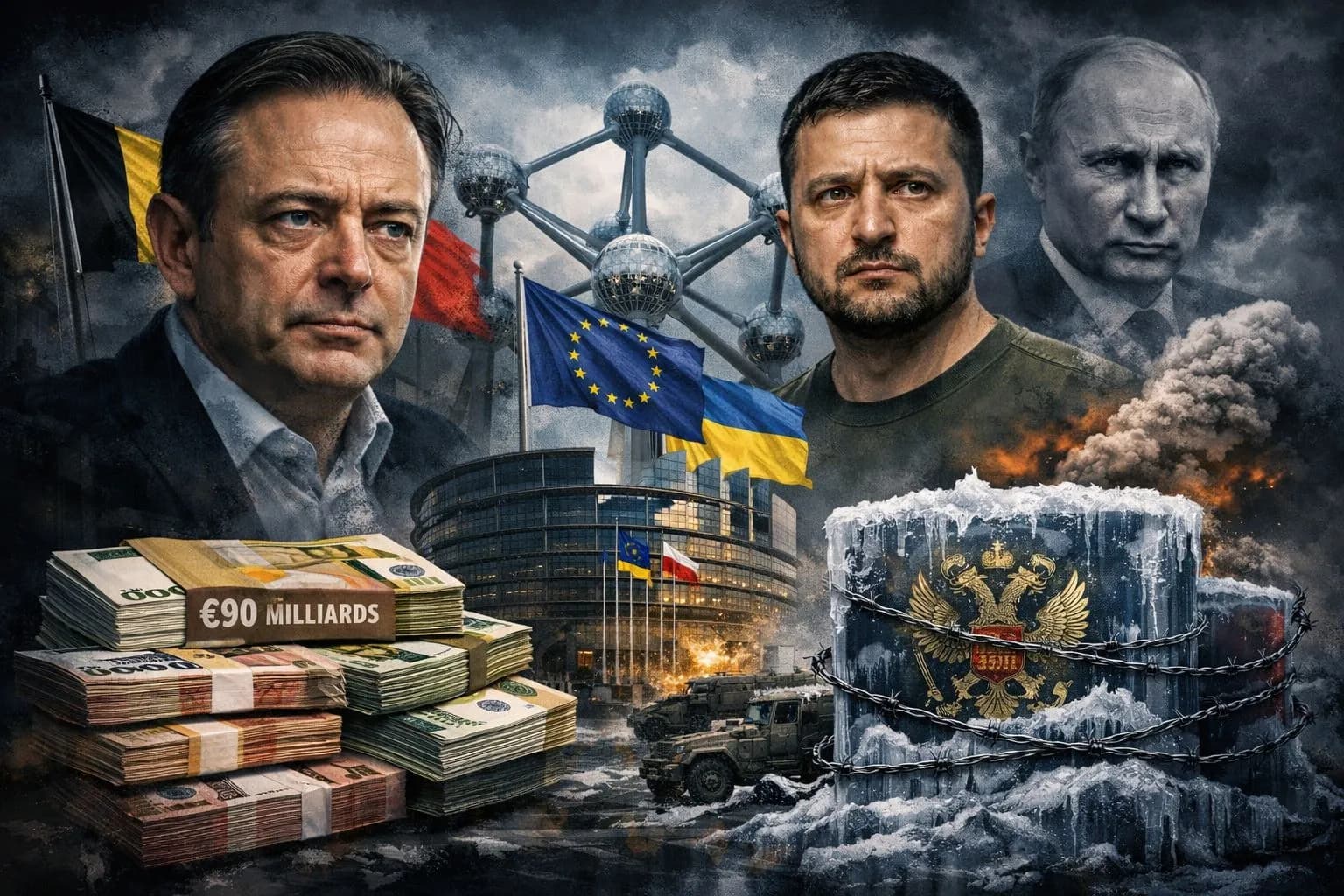
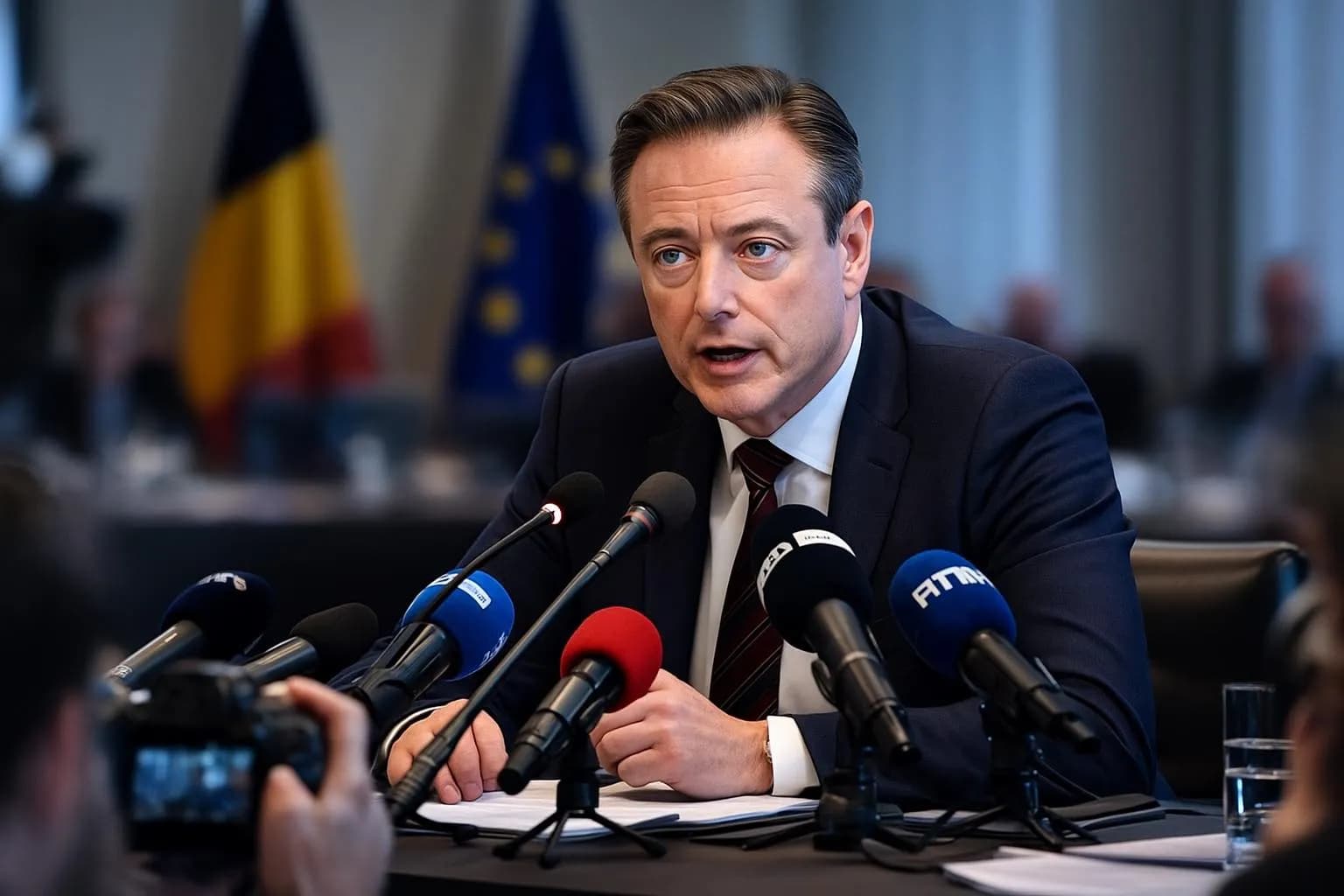
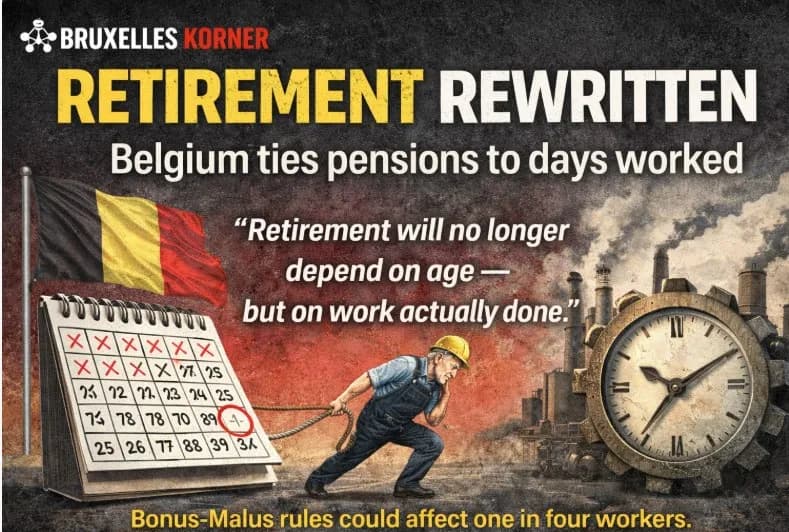
The Belgian pension reform led by Bart De Wever aims to ensure long-term sustainability amid population ageing and rising public debt. It introduces a bonus–malus system, aligns public and private pension rules, and removes some privileges, but has triggered significant political and social debate.
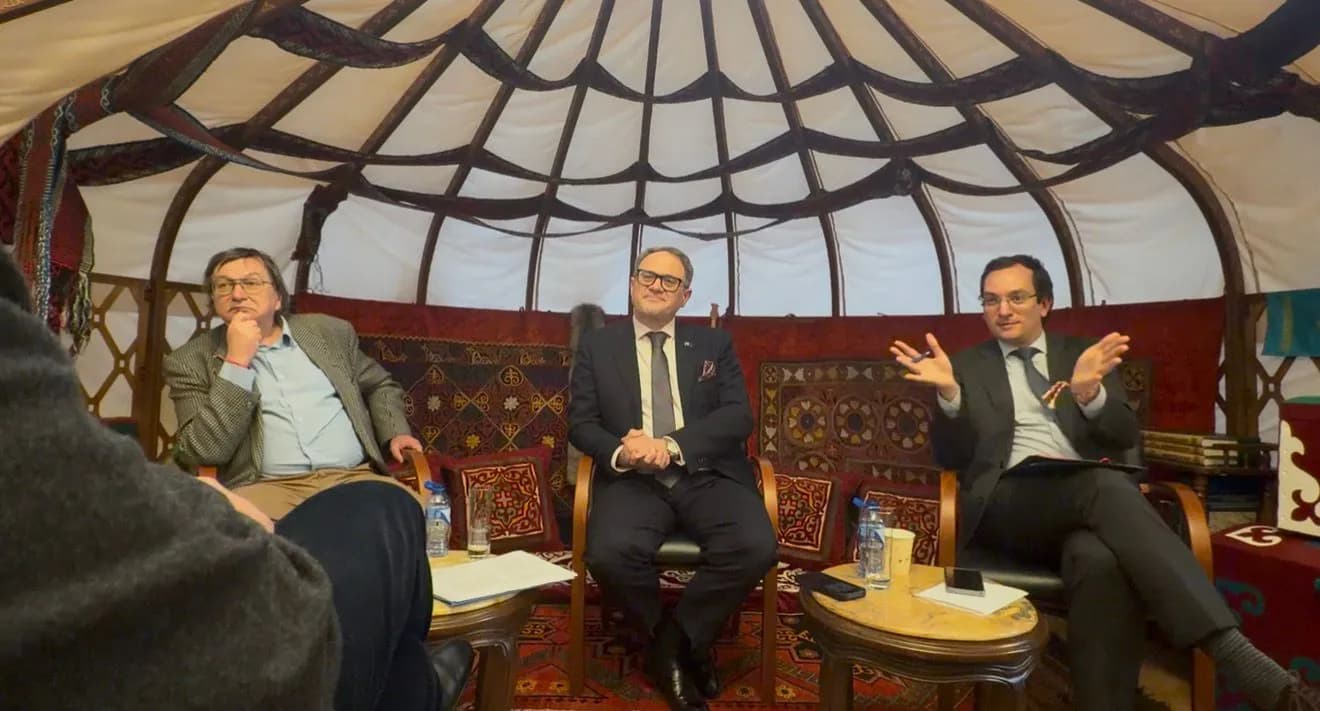
At the Shanyraq Dialogues in Brussels, Roman Vassilenko presented Kazakhstan’s March 15 constitutional referendum. The reform aims to strengthen institutional balance, clarify succession, reinforce human rights, and position the country as a stable, reliable middle power for the EU in energy, logistics, and diplomacy.
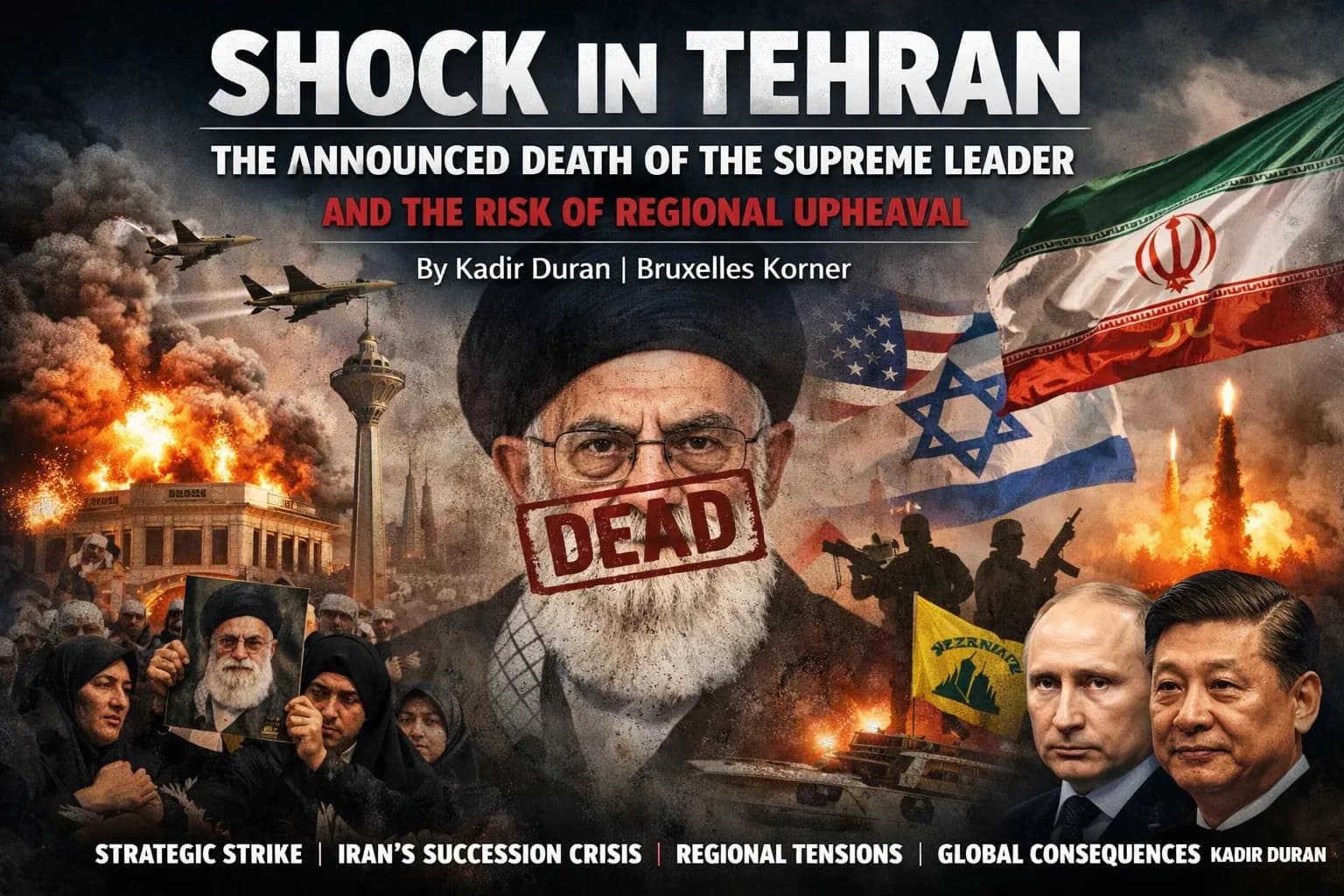
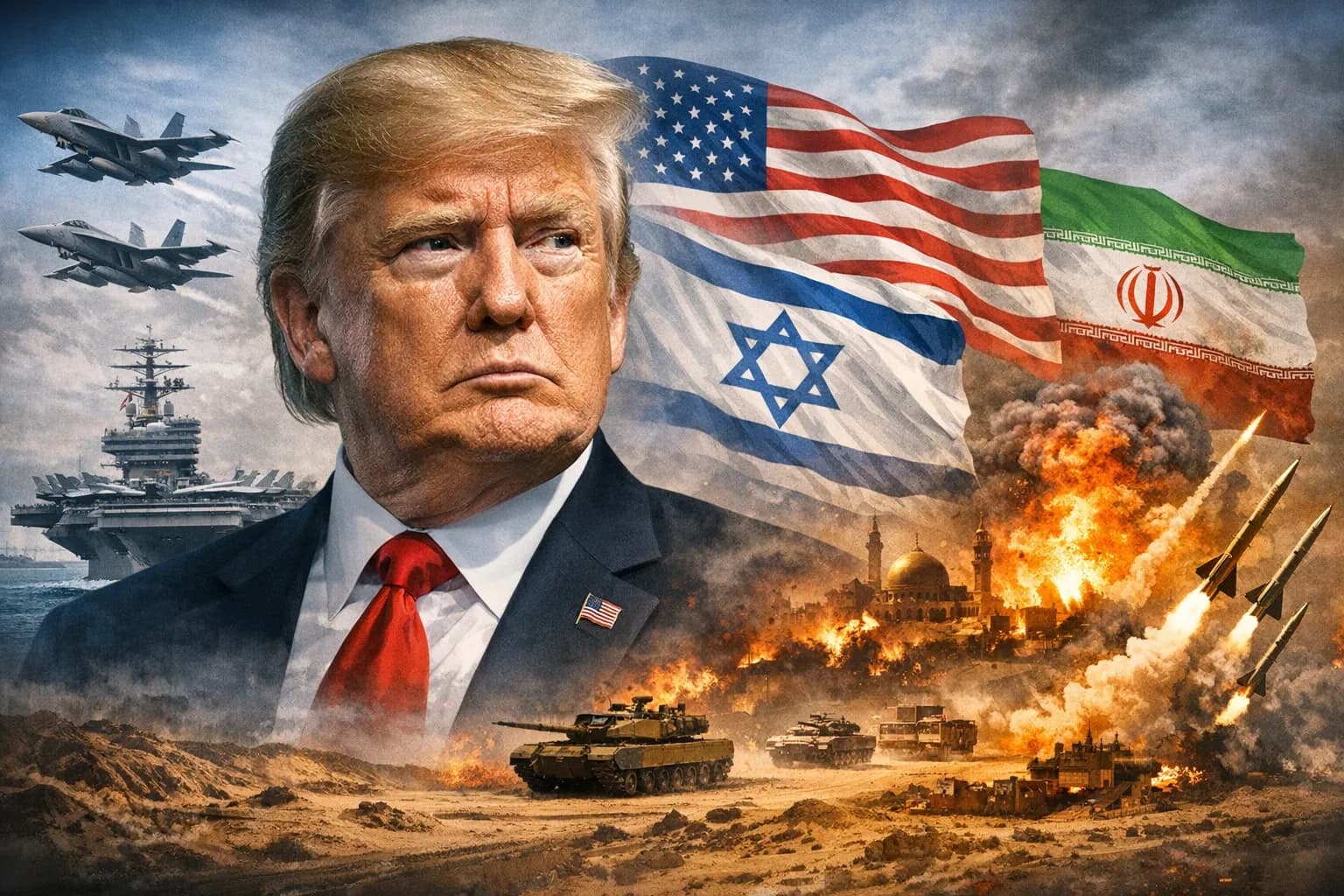
US and Israeli strikes on Iran mark the outcome of a calibrated escalation framed by diplomacy. Under the shadow of China and Russia, the crisis is no longer regional; it has evolved into a multilayered geopolitical rupture shaped by energy security, elections, and global power competition.
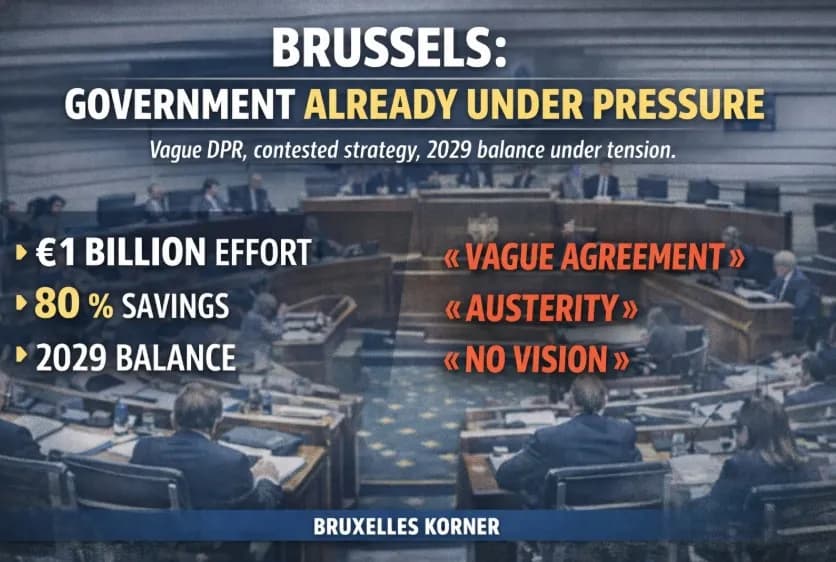
After more than 600 days of institutional paralysis, the Brussels-Capital Region finally has a government. At its helm, Boris Dilliès (MR) has presented a concise Regional Policy Statement (DPR) — 24 pages — intended to close the country’s longest regional political crisis.
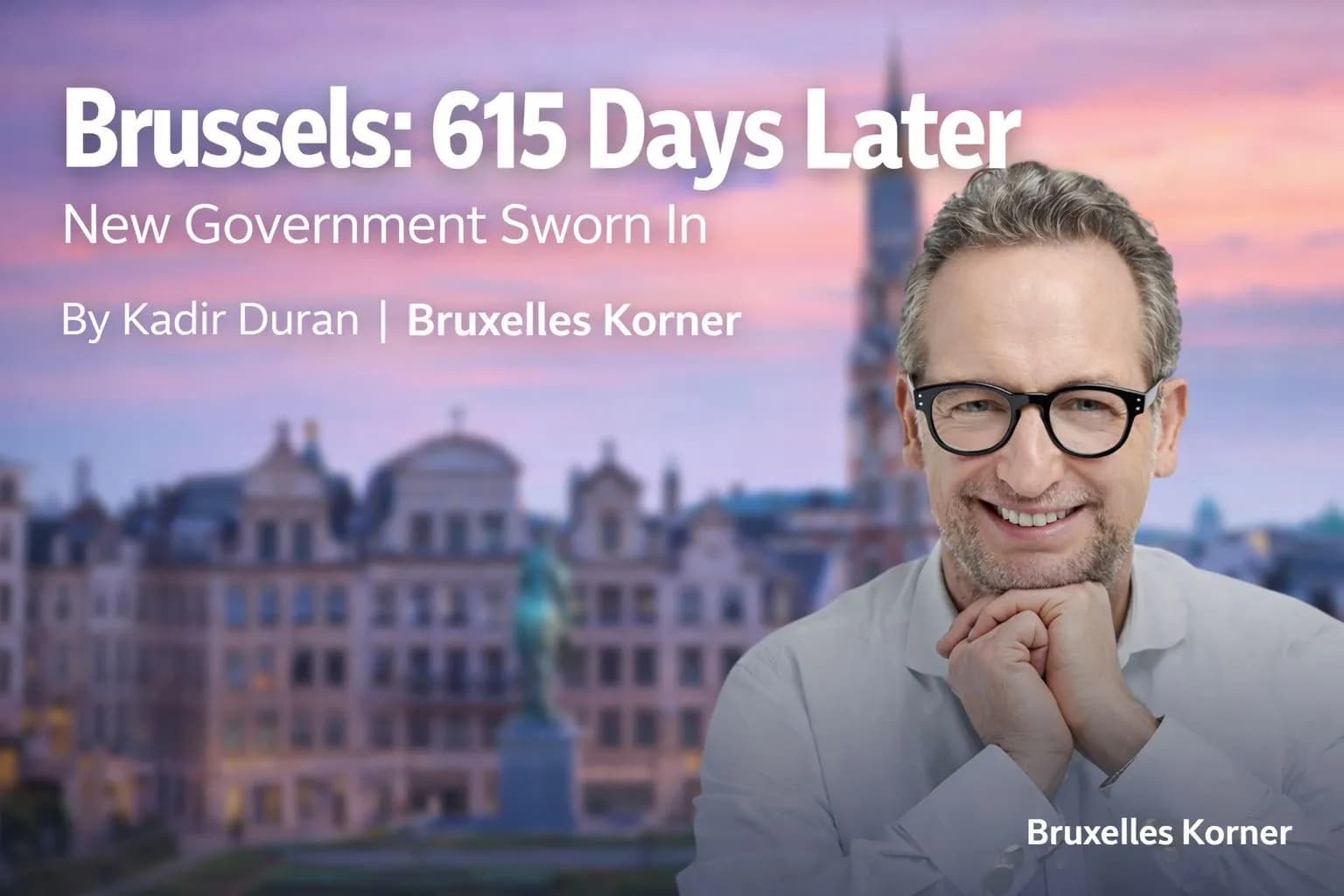
Led by Boris Dilliès, the Brussels Government was sworn in after 615 days of political deadlock. The new coalition now faces major challenges, including a structural budget deficit, a housing crisis, and deep administrative reforms. The real test shifts from forming a government to governing effectively.
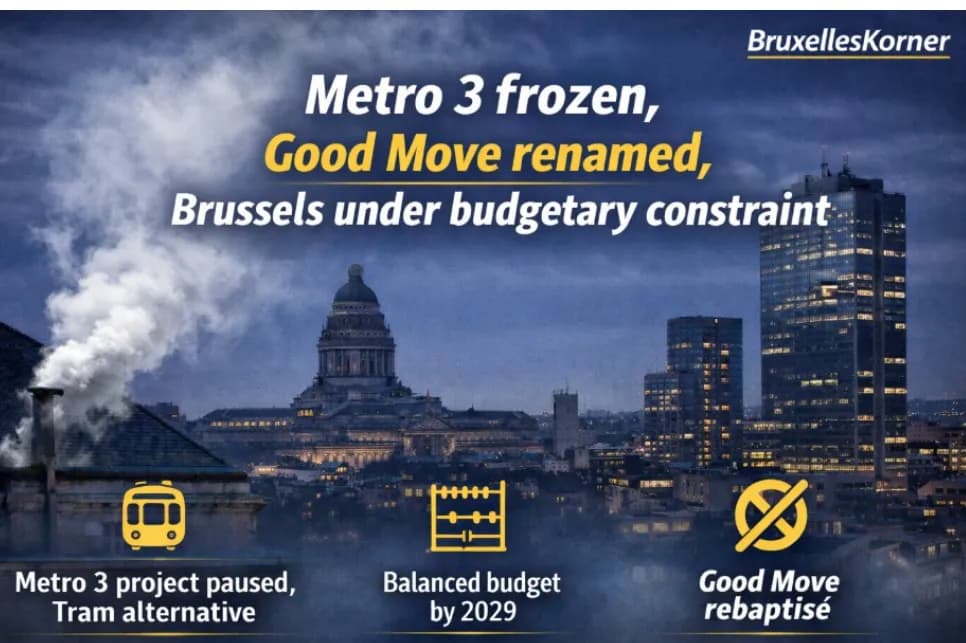
After 613 days of deadlock, Brussels finally has a government. The coalition faces budget constraints, political fragility, and institutional pressure. Metro 3 is frozen, the Good Move plan rebranded. The goal: restore budget balance and public trust by 2029.
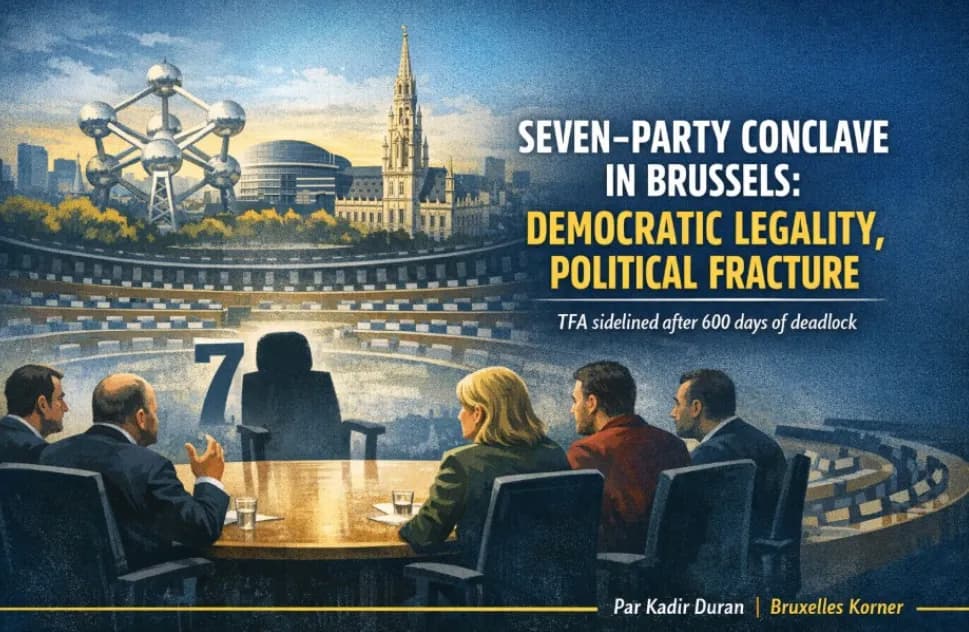
After 600 days of deadlock, a seven-party conclave seeks to form a Brussels government but excludes TFA, the second-largest Dutch-speaking party. While legally valid, sidelining TFA raises concerns about representative legitimacy, community balance, and long-term governability.
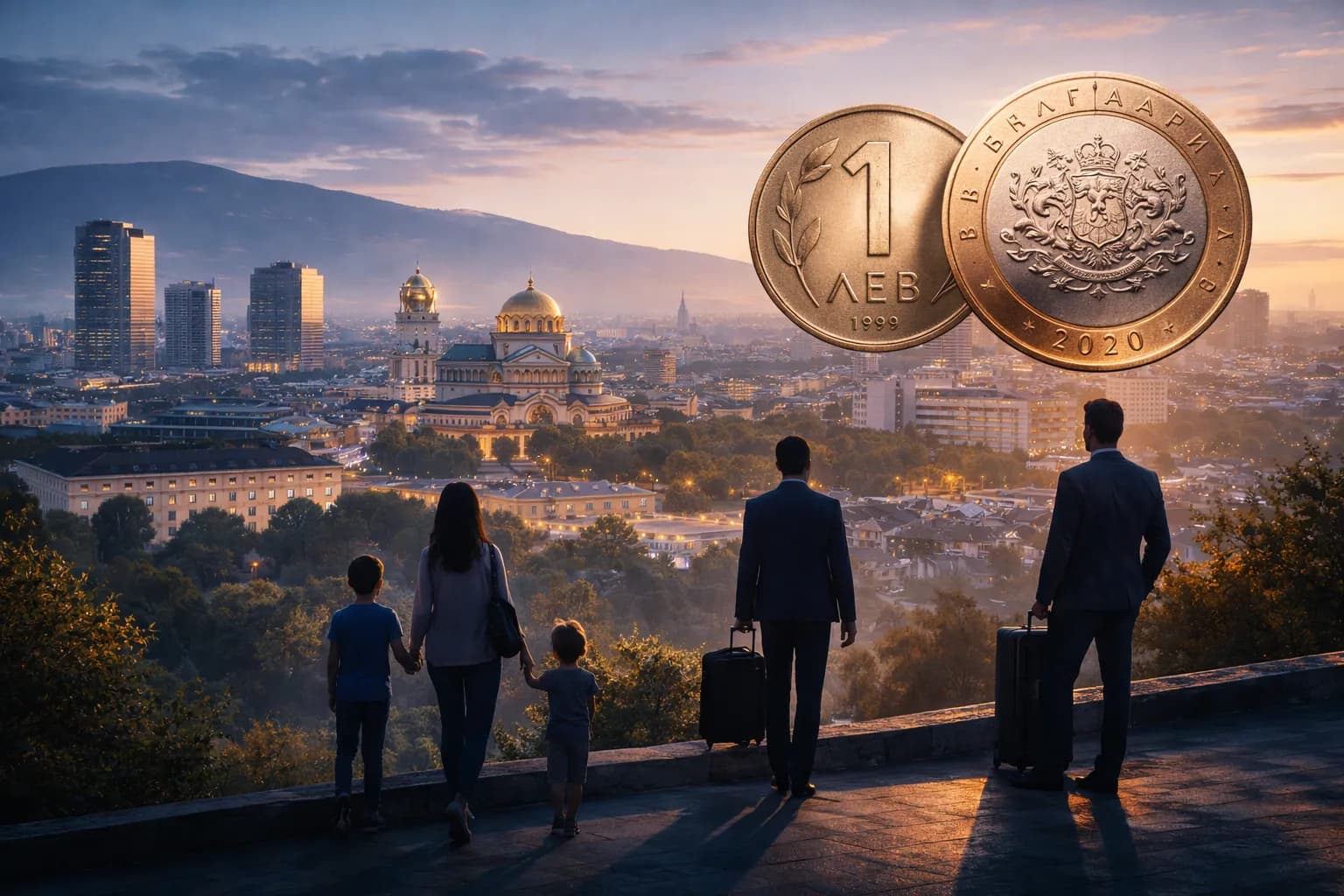
Bulgaria’s euro adoption in 2026 is not a sudden leap but the result of decades of monetary discipline, low debt, and convergence. Inflation and political instability stem from global and structural factors, not the euro, which merely reveals realities already in place.
The decision by Soulaimane El Mokadem, a former PTB deputy in Brussels, to join the Socialist Party (PS) goes far beyond a simple party switch. It is a politically revealing event, sitting at the crossroads of three deep-seated crises
the privatization of 18 state-owned enterprises through the issuance of additional common shares and their public offering or expanded listing on the stock exchange.
On 15 December 2025, the international community marks a historic milestone with the first official celebration of the World Day of the Turkic Language Family
The Embassy of the Republic of Kazakhstan in Belgium, in cooperation with Kazakhfilm Studio and the French Association of Kazakh Cinema, organized the Kazakh Cinema Days in Brussels
The European capital hosted a formal reception marking the 10th anniversary of the signing of the Enhanced Partnership and Cooperation Agreement (EPCA) between the Republic of Kazakhstan and the European Union
Aware of the fundamental role played by mountain ecosystems both for biodiversity preservation and for the socio-economic well-being of mountain populations Kyrgyzstan has emerged in recent years as one of the most committed actors in global environmental diplomacy.
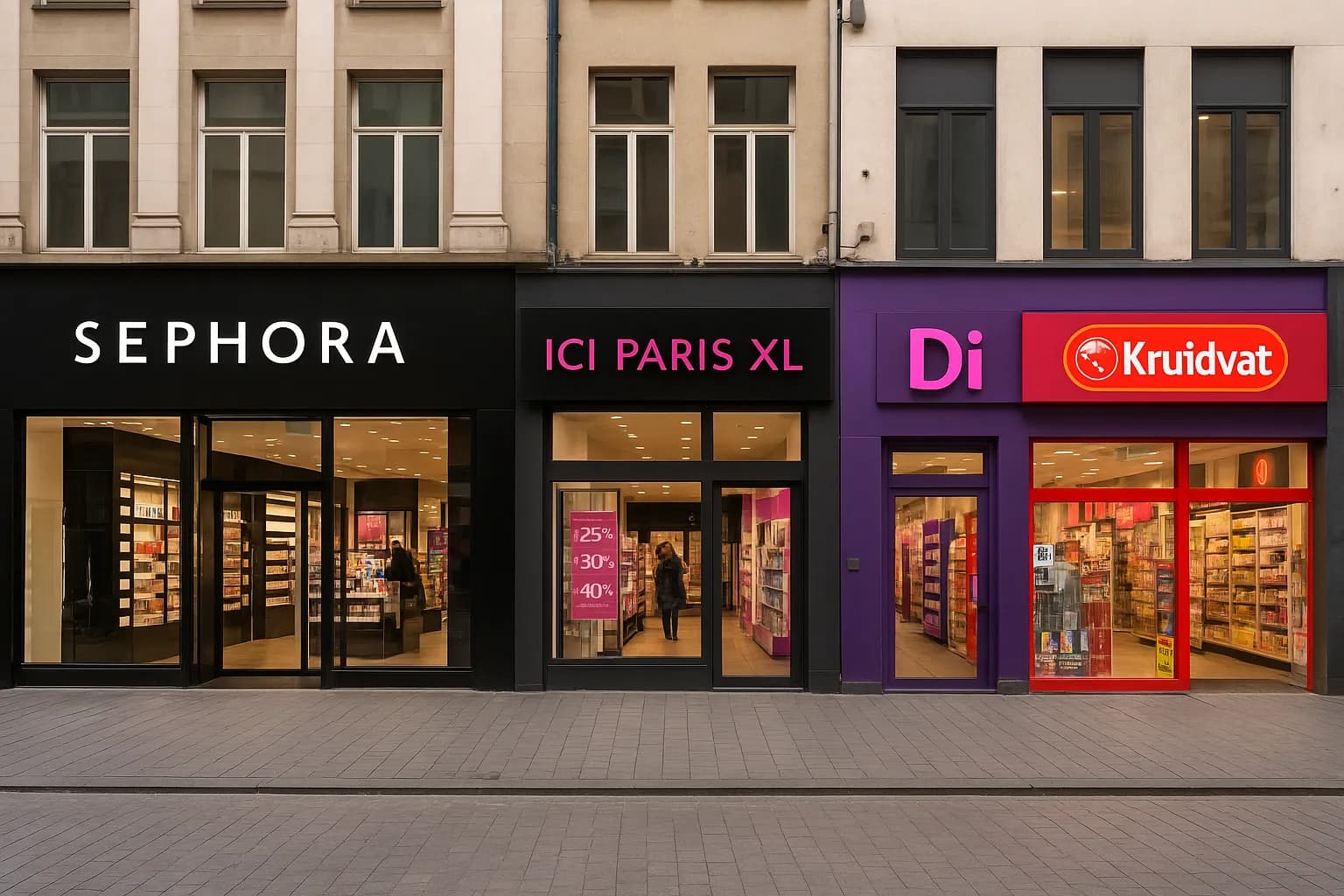
Behind the scenes, whispers spoke of secret negotiations, tacit agreements, even non-aggression pacts with local giants such as ICI Paris XL or Planet Parfum (now April).
But this time, it’s official: Sephora is coming to Belgium.
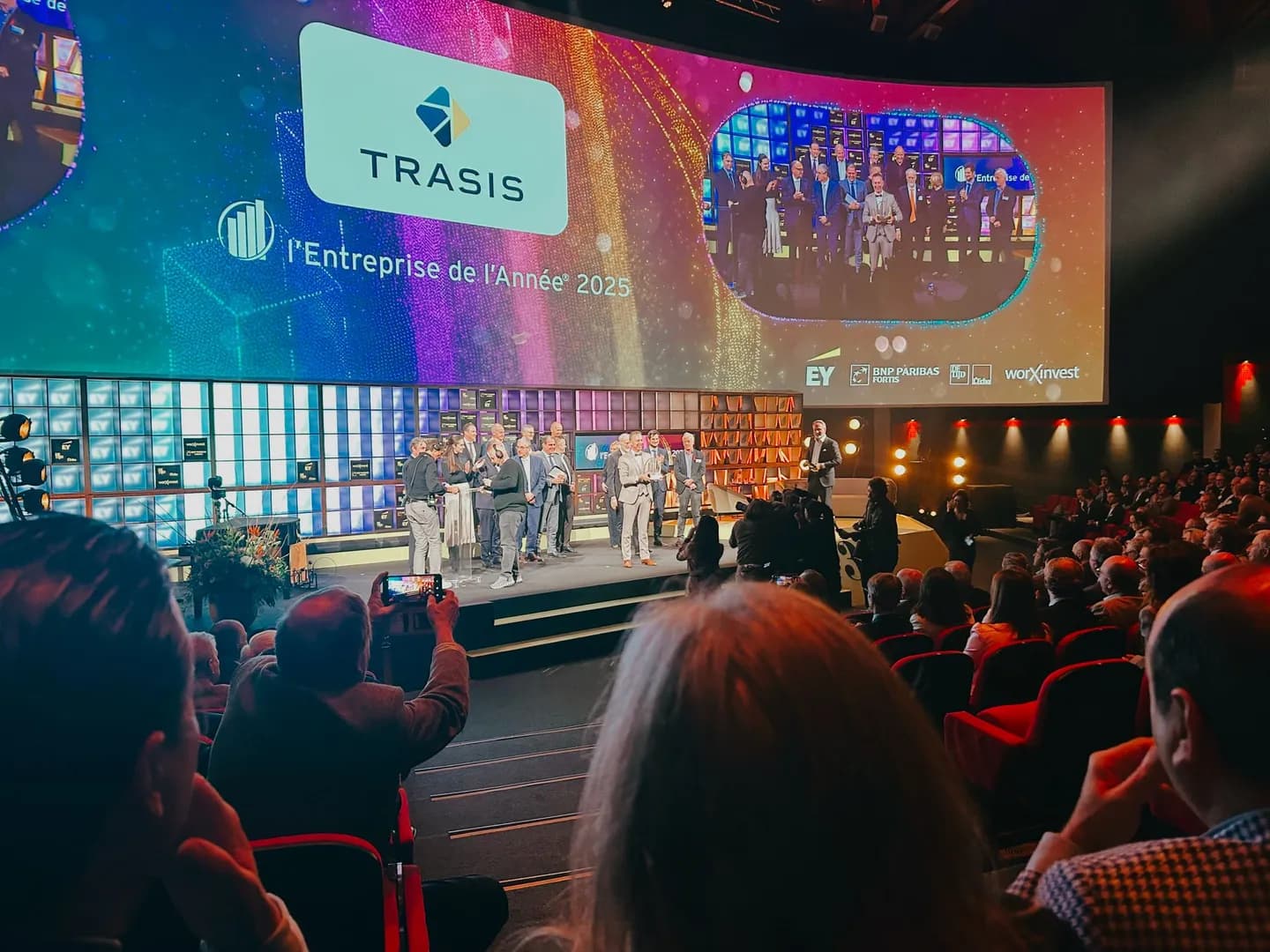
On stage, they celebrate:
7 finalists:
4 for Entreprise de l’Année: Eloy, Louyet, Stanley/Stella, Trasis
3 for Scale-up of the Year: GoVocal, Lizy, Insight
and 30 former winners that have marked the history of the award since its creation.
VIDEO FULL https://youtu.be/z7WtyVC0rLg
Finance – Salaries – Digital – Mobility – Culture
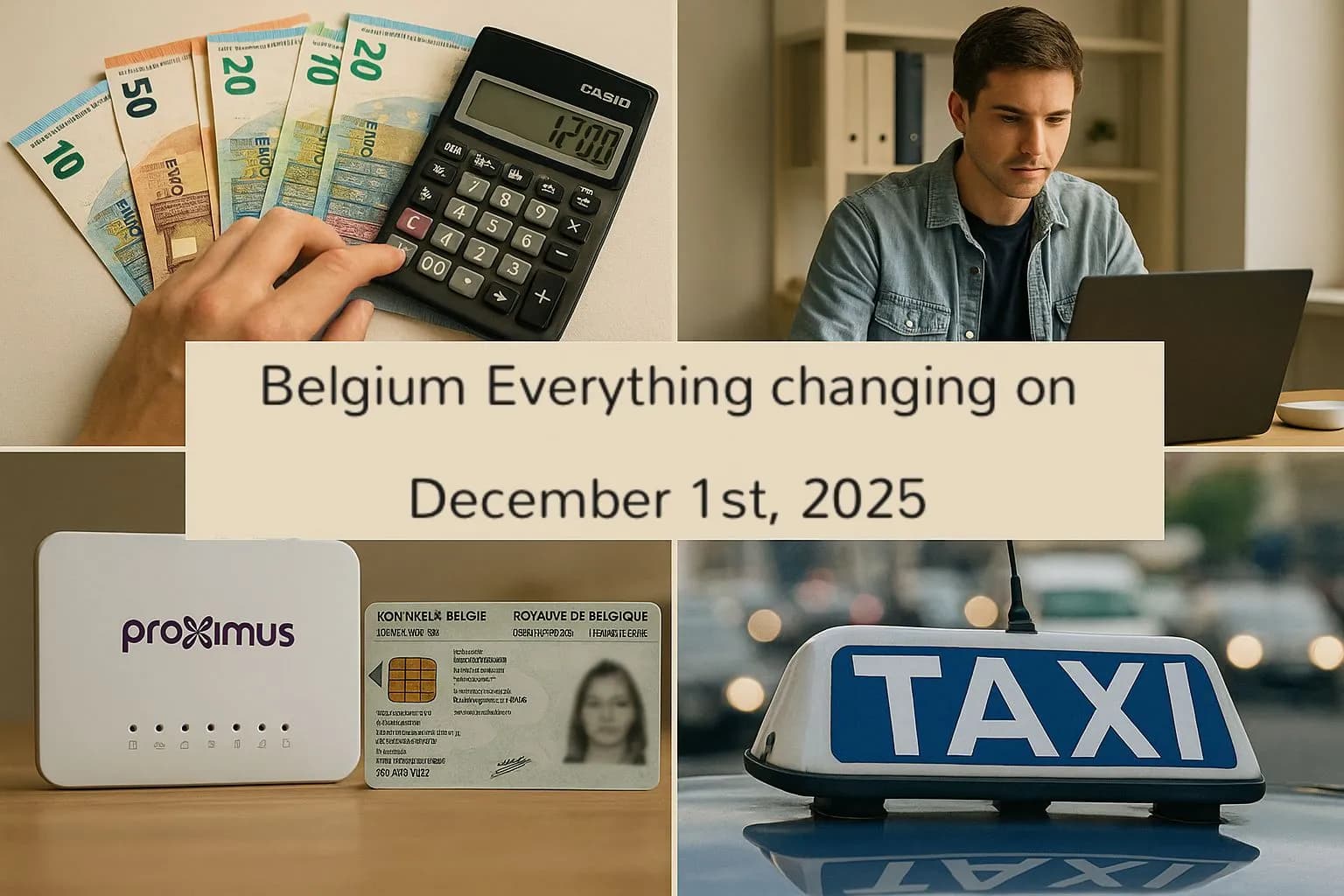
December 1st, 2025 does not bring a major “big bang,” but rather a set of very concrete adjustments affecting finances, digital services, employment, and several professional sectors. Quiet reforms… yet with direct consequences for households, businesses, and workers across Belgium.
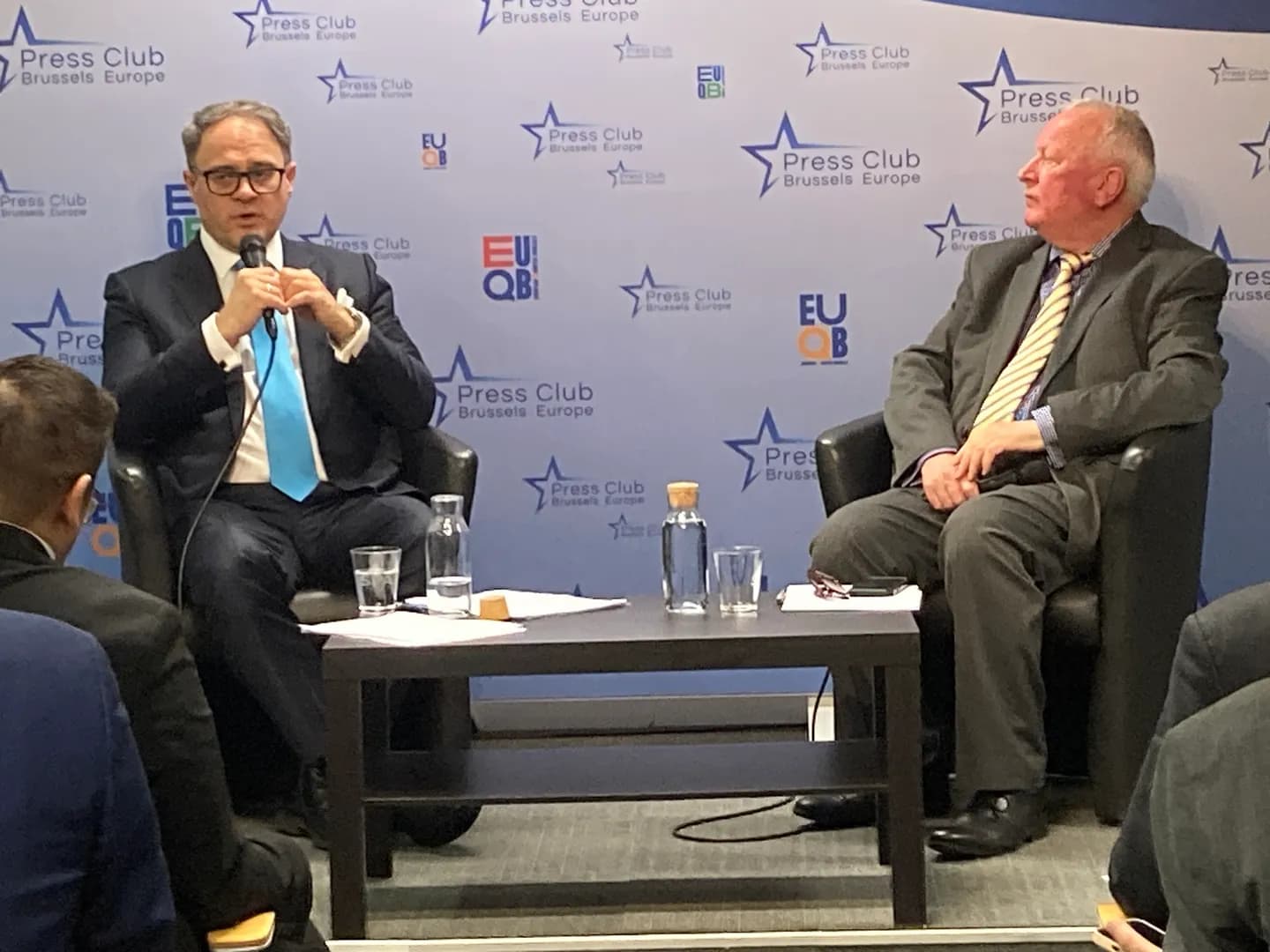
The debate organized at the Press Club Brussels revealed a Kazakhstan fully assured in its multi-vector foreign policy: engaging with Russia, China, the European Union and the United States without entering into bloc logic, but defending a strategic pragmatism that has become its trademark.
Ambassador Roman Vassilenko called for a faster, more concrete and more ambitious EU–Kazakhstan partnership, emphasising two priorities: connectivity — with the central role of the Middle Corridor — and cooperation on critical raw materials essential for Europe’s industrial transition.
Journalists present, including Colin Stevens (EU Reporter), raised key questions about energy, green hydrogen, civil nuclear development and Kazakhstan’s wider role in Europe’s green transition. Their direct, sometimes sharp questions shed light on Astana’s strategic objectives.
But who really benefits from this last-minute budget deal supposedly designed to save the government from collapse or from decisions taken at the very last minute without real reflection?
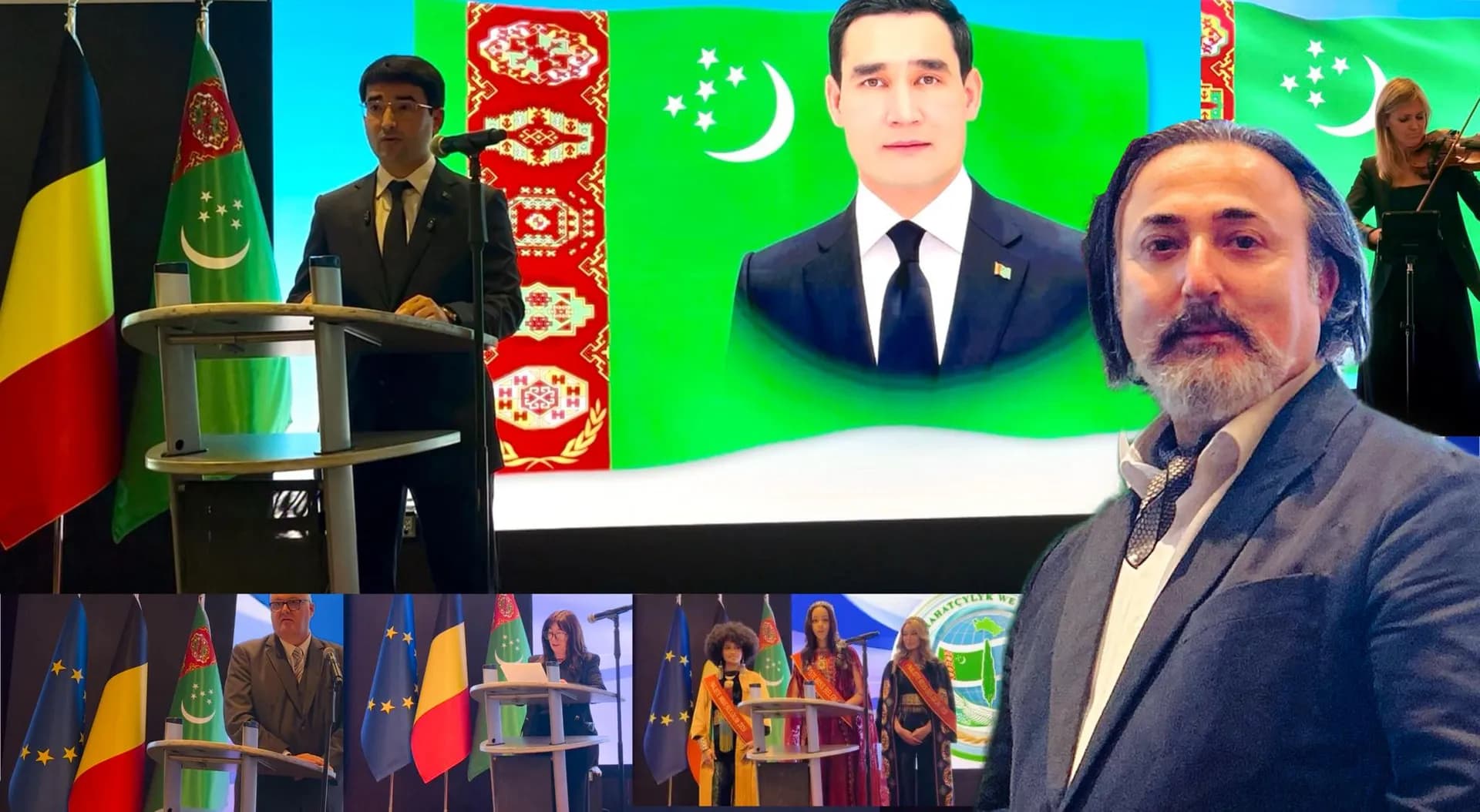
The reception took place in one of the most prestigious hotels in a luxury district of Brussels, offering a setting worthy of the significance of the event. More than 300 guests attended, demonstrating the broad interest generated by Turkmenistan’s 30 years of neutrality.
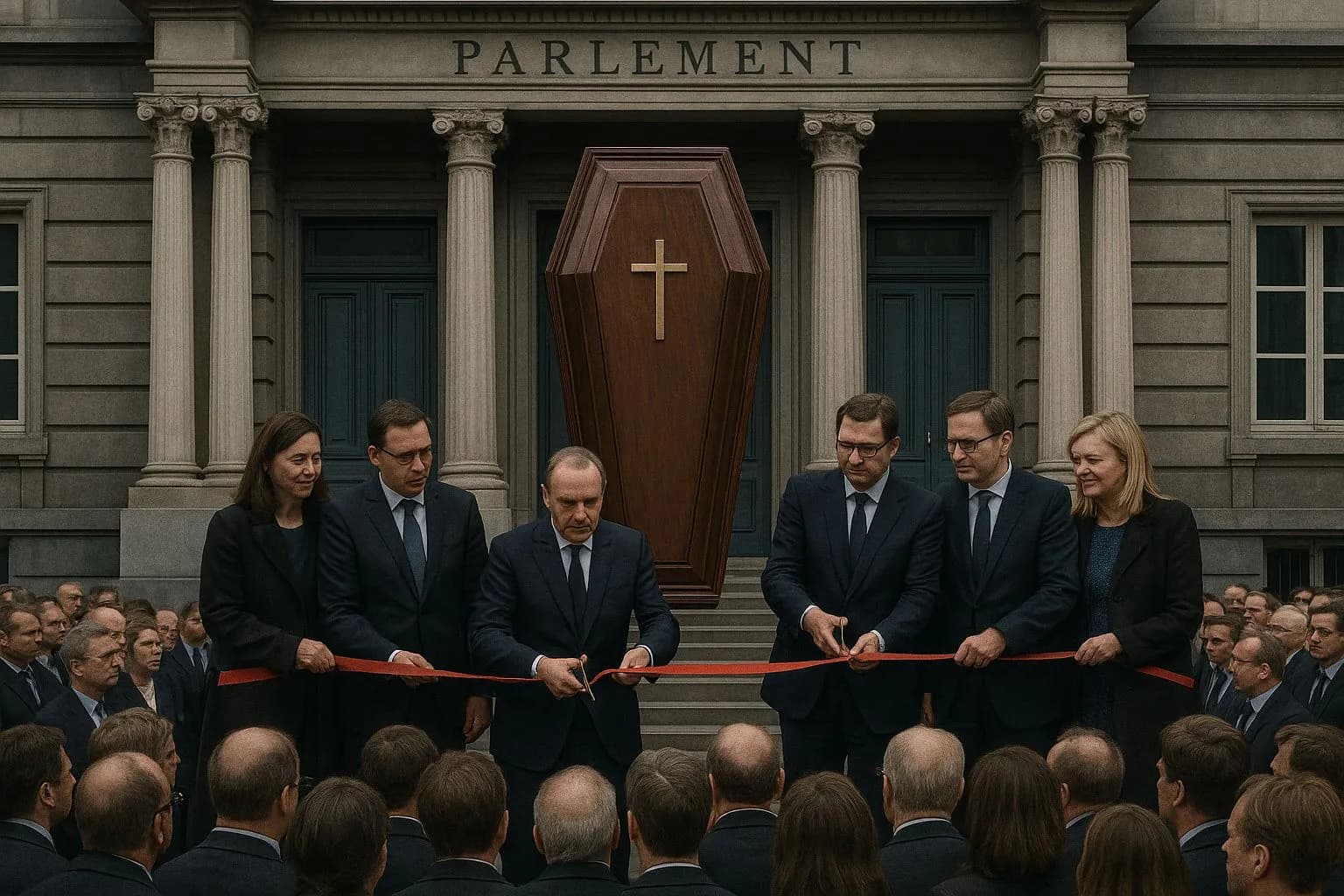
For months, the Region has been sinking, suffocated by the total incapacity of political parties to form a government. And while deadlines pile up, collapse, and renew themselves in a grotesque ballet, Brussels is sinking.
Georges-Louis Bouchez has presented a new internal organizational chart for the MR. Officially, it is a reorganization. Unofficially, it is a tactical manoeuvre on the liberal chessboard, where the president advances his pieces without truly altering the party’s dynamics.
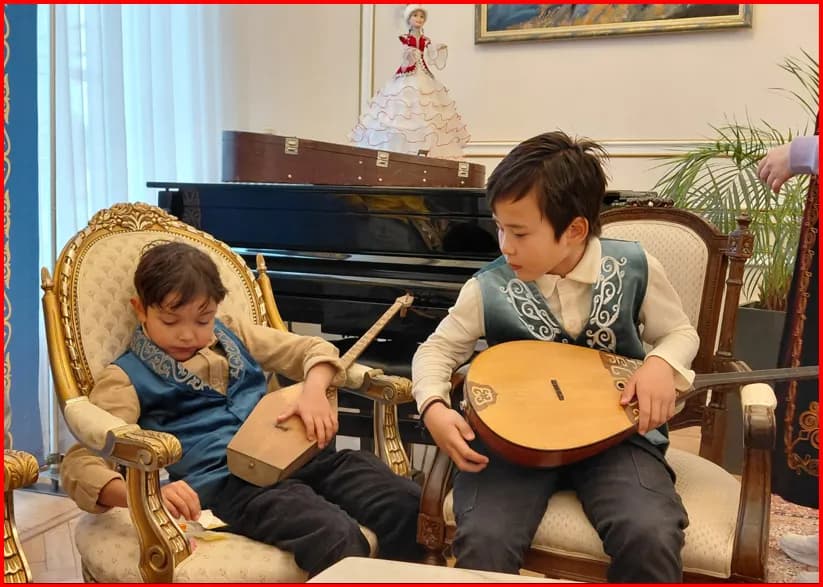
Kazakhs living in Belgium shared their determination: despite challenges related to nationalism, education or work environments, they are committed to safeguarding their roots, their language, and their traditions.
What’s New in Uzbekistan’s Economy?
October 2025 Monthly Economic Briefing
October 2025 was one of the most active months of the year for Uzbekistan’s international diplomacy and economic transformation. From Brussels to Dushanbe, from Gabala to Tashkent, the country advanced major agreements on trade, investment, energy, logistics, industrial cooperation and regional integration.
Why Europe Prefers the Balkans Over Turkey
The European Union’s enlargement strategy has taken a decisive turn: the Western Balkans are moving forward, while Turkey remains frozen in its accession process. This is not accidental , it’s the result of political, strategic, and institutional choices.
Here are the key reasons why the EU prioritises the Balkans over Turkey
Belgium Freezes Most Tax Breaks Until 2030
Belgium is not increasing taxes, but it is sharply restricting the mechanisms that allow taxpayers to reduce them. The Arizona government has decided to freeze nearly all tax-advantaged ceilings from 2025 to 2030, reversing the brief indexation window introduced under the previous Vivaldi coalition.
Key Measures
Pension savings, long-term savings, and savings-account exemptions remain fixed at 2024 levels for the next five years.
Regional tax advantages (service vouchers, ALE cheques, childcare deductions) continue to diverge significantly between Wallonia, Brussels and Flanders.
Donations see their federal tax deduction cut from 45% to 30%.
Several deductions are abolished entirely, including:
Household employee tax credit
Adoption-related tax reduction
Legal expenses insurance deduction
Incentives for light electric vehicles
Reduction for losses in private PRICAF structures.....
At only 34 years old, Zohran Mamdani has been elected mayor of the American metropolis, becoming the first Muslim mayor in the city’s history and one of the youngest to occupy the office in more than a century.
European Women’s International Leadership Award 2025 Held in Brussels
Brussels, 3 November 2025 — Eight women from across the globe were honored at the European Women’s International Leadership Award (EWILA) ceremony in Brussels, recognizing outstanding leadership, resilience, and social impact. The event took place at the DoubleTree by Hilton Brussels City, gathering diplomats, EU representatives, civil society leaders, and media.
Established at the European Parliament in 2019, EWILA highlights women who challenge traditional boundaries, drive transformative change, and inspire communities worldwide. This year’s laureates represent diverse backgrounds and fields including humanitarian action, nuclear safety, cultural preservation, emotional health, entrepreneurship, political leadership, and artistic activism.
Mohammed VI hails a “historic victory” after UN resolution on Western Sahara
King Mohammed VI celebrated what he called a “historic and resounding victory” for Morocco after the UN Security Council adopted a resolution endorsing autonomy under Moroccan sovereignty as a credible solution for Western Sahara.
The decision is seen as a major diplomatic milestone for Rabat, reinforcing international momentum behind Morocco’s plan, already backed by the US, Spain, France, the UK, the EU – and, recently, Belgium.
In a solemn address marking 50 years since the Green March and 70 years of independence, the monarch declared the start of a “new victorious chapter” and invited Algeria to open a path toward reconciliation, stressing “no winner and no loser.”
He also called on Sahrawi populations in the Tindouf camps to return, affirming national unity.
The resolution renews MINURSO until 2026 and passed with 11 votes in favour, while Russia, China, and Pakistan abstained and Algeria declined participation.
The speech situates Western Sahara as a pillar of Morocco’s regional economic and security strategy, including major infrastructure projects connecting to the Sahel and increasing European investment interest—particularly in energy, trade, and stability.
Algeria and the Polisario rejected the decision, accusing the UN of ignoring Sahrawi self-determination.
The development underscores rising international support for Rabat, amid geopolitical priorities including migration, green hydrogen, and Mediterranean security.
As Morocco looks ahead, the key question remains:
Will this diplomatic breakthrough help unlock long-stalled dialogue with Algiers and pave the way for regional stability?
The Belgium’s most iconic figure, the Manneken Pis, was dressed in a traditional Kazakh chapan, richly embroidered in blue and gold — a gesture of friendship and cooperation between Kazakhstan and Belgium.
Belgium faces a dual fiscal crisis: the Federal "Arizona" government (N-VA, MR, Les Engagés, CD&V, Vooruit) is deadlocked over a mandatory €10 billion austerity plan demanded by the EU, while the Brussels Region struggles to fill a €1.5 billion budget hole without a governing majority or a budget deal.
The hub.brussels Economic Mission (Oct 20-23, 2025) successfully fostered economic and cultural ties in Türkiye. Highlighted delegate, businessman Kadir Duran (Tax Man Bruxelles, Bruxelles Korner), spearheaded high-level meetings in Istanbul to discuss investment, media partnerships, and long-term cooperation between Brussels and Anatolia.
Brussels welcomes the CHP: Özgür Özel and the mayors of Eskişehir meet the Turkish diaspora at the major rally of October 12. A historic first for Turkey’s main opposition party abroad — a symbol of democracy, dialogue, and unity with the diaspora.
Regional budget talks are paralyzed by ideological gridlock, risking an estimated €1.5 billion deficit and forcing a spending freeze ("provisional twelfths"). Formateur Leisterh struggles as parties refuse to cut. The consequence: municipal projects stall, social services face underfunding, and Brussels' credibility erodes. Critics warn the capital lacks a coherent vision, living on borrowed time as debt piles up.
Mayor's costly re-election campaign leaves a commune facing a €60M financial abyss, depleted reserves, and mandatory regional tutelage. Opportunistic alliances masked a structural collapse.