Ten Years of Strategic Partnership Celebrated in the Heart of Brussels
The European capital hosted a formal reception marking the 10th anniversary of the signing of the Enhanced Partnership and Cooperation Agreement (EPCA) between the Republic of Kazakhstan and the European Union
Kazakhstan – European Union
By Kadir Duran – Bruxelles Korner
Brussels, 12 December 2025
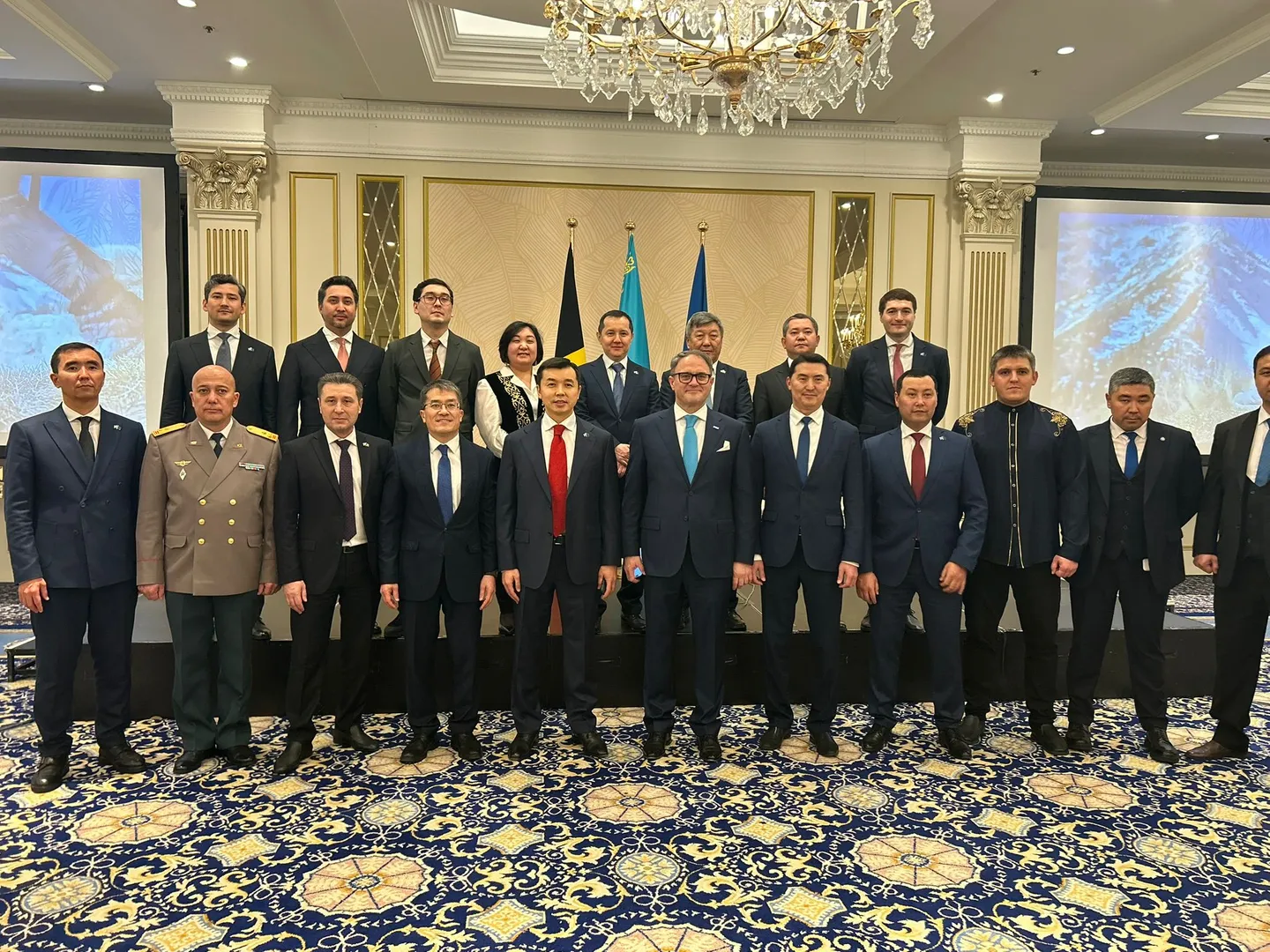
The European capital hosted a formal reception marking the 10th anniversary of the signing of the Enhanced Partnership and Cooperation Agreement (EPCA) between the Republic of Kazakhstan and the European Union, as well as Kazakhstan’s National Day. Ten years after the agreement entered into force, the message delivered from Brussels was unequivocal: EU–Kazakhstan relations have evolved into a genuine strategic partnership, set to deepen further in the years ahead.
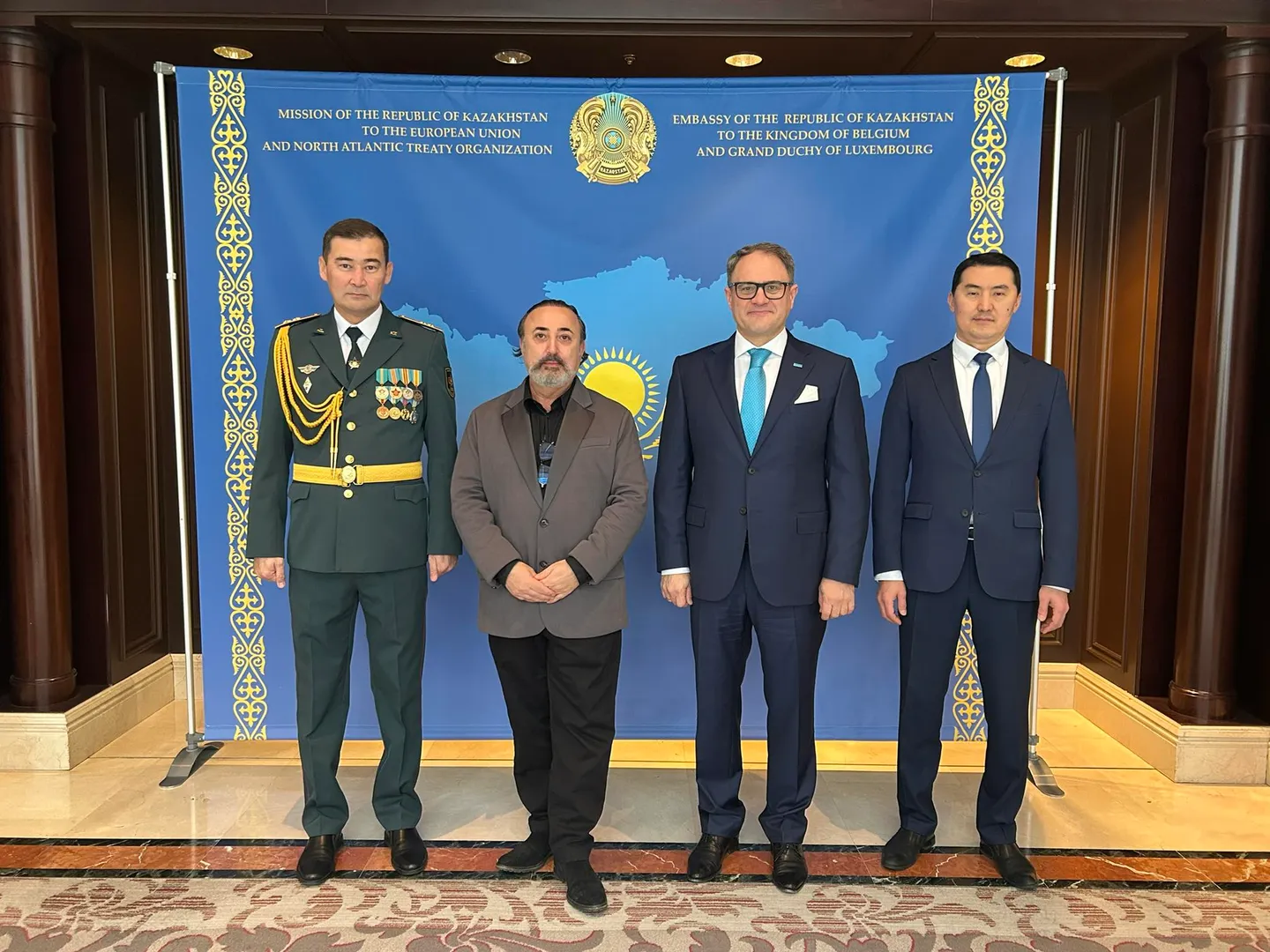
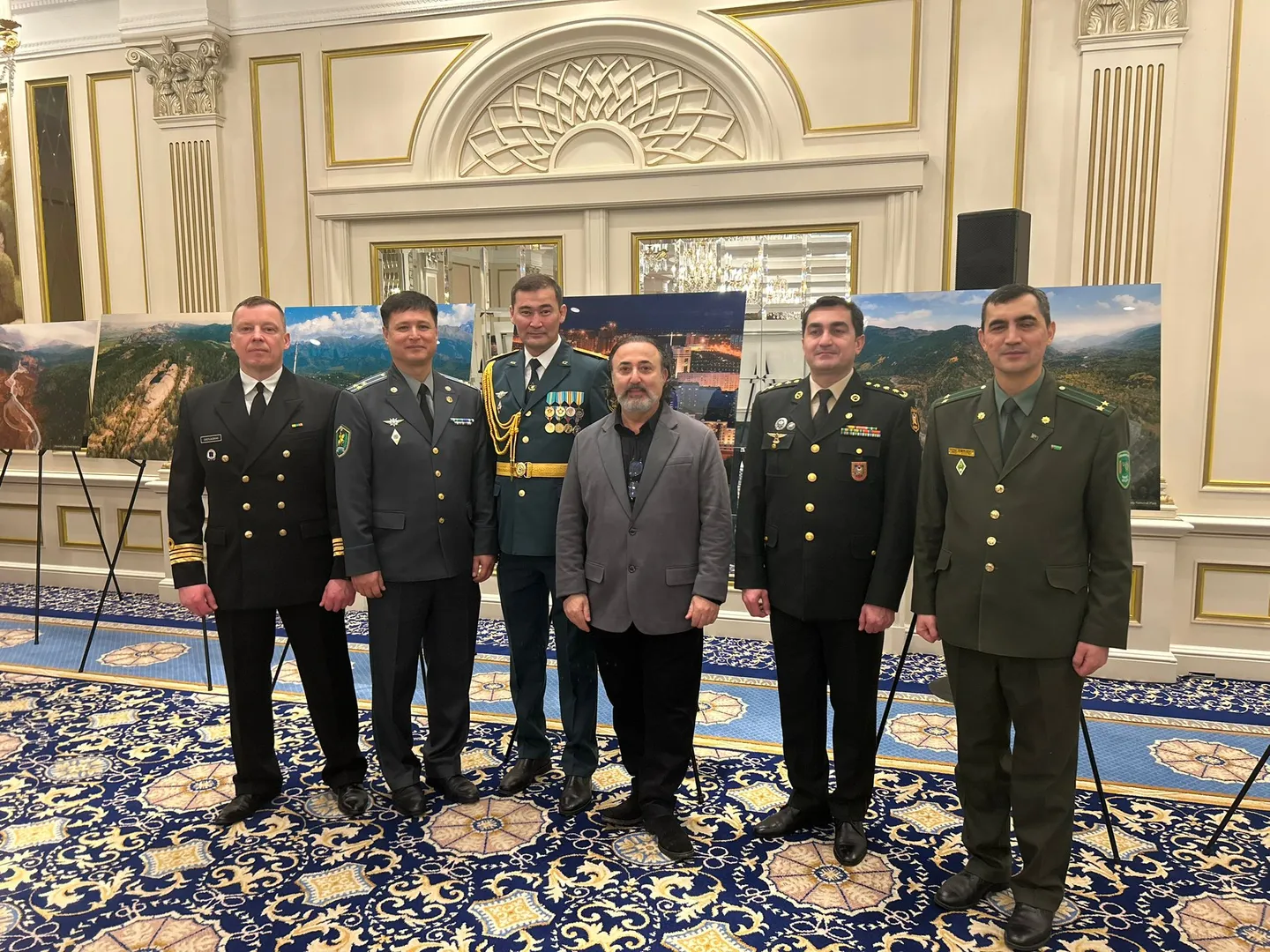
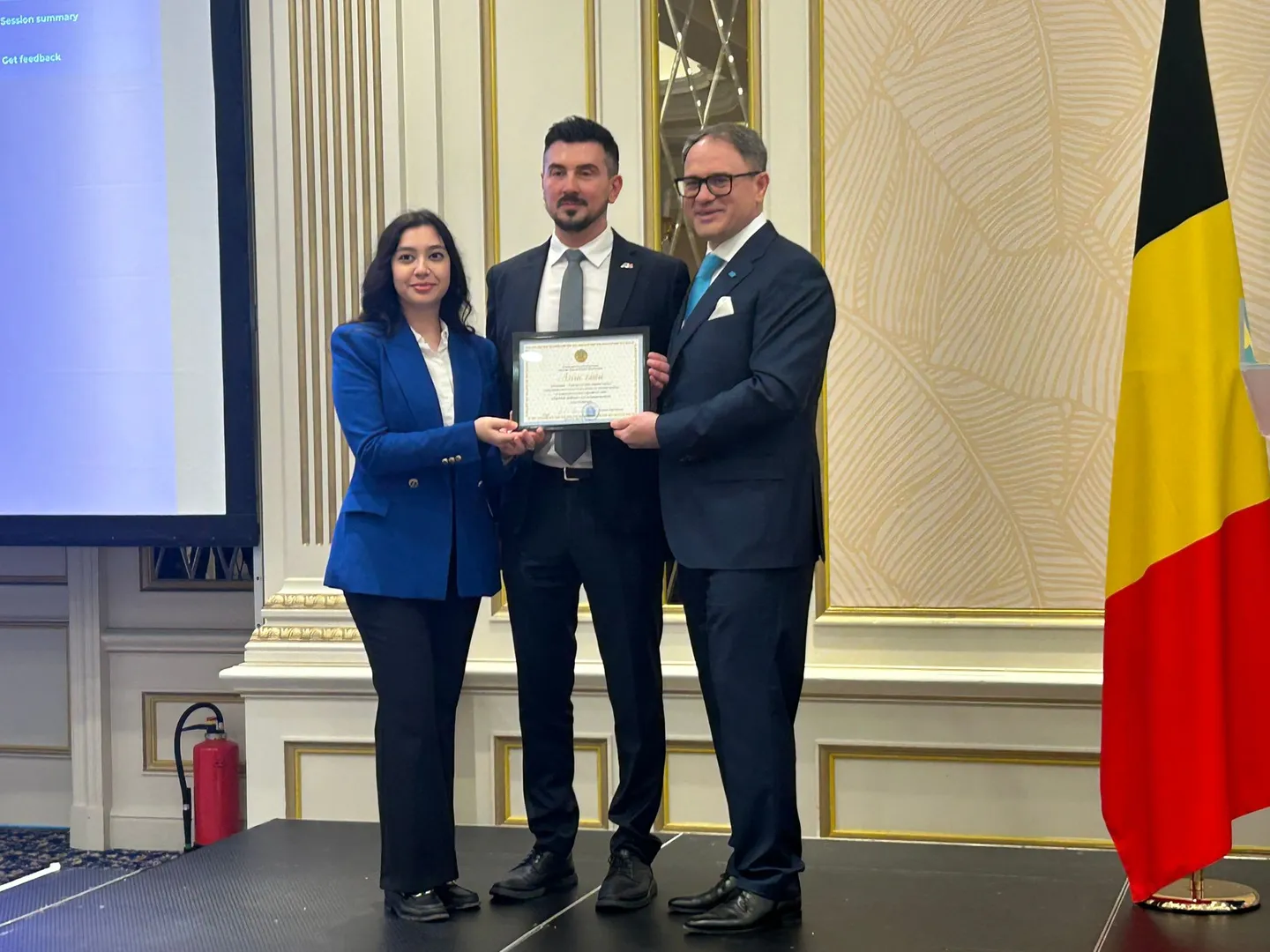
The event took place in the prestigious setting of the Steigenberger Wiltcher’s Hotel on Avenue Louise, a landmark venue for major diplomatic gatherings in Brussels. It brought together representatives of the European Commission, the Belgian Federal Parliament, the Belgian Ministry of Foreign Affairs, the diplomatic corps, business circles, experts, and international media. The reception was supported by Eurasian Resources Group (ERG) as the official partner.
A Relationship That Has Reached Maturity
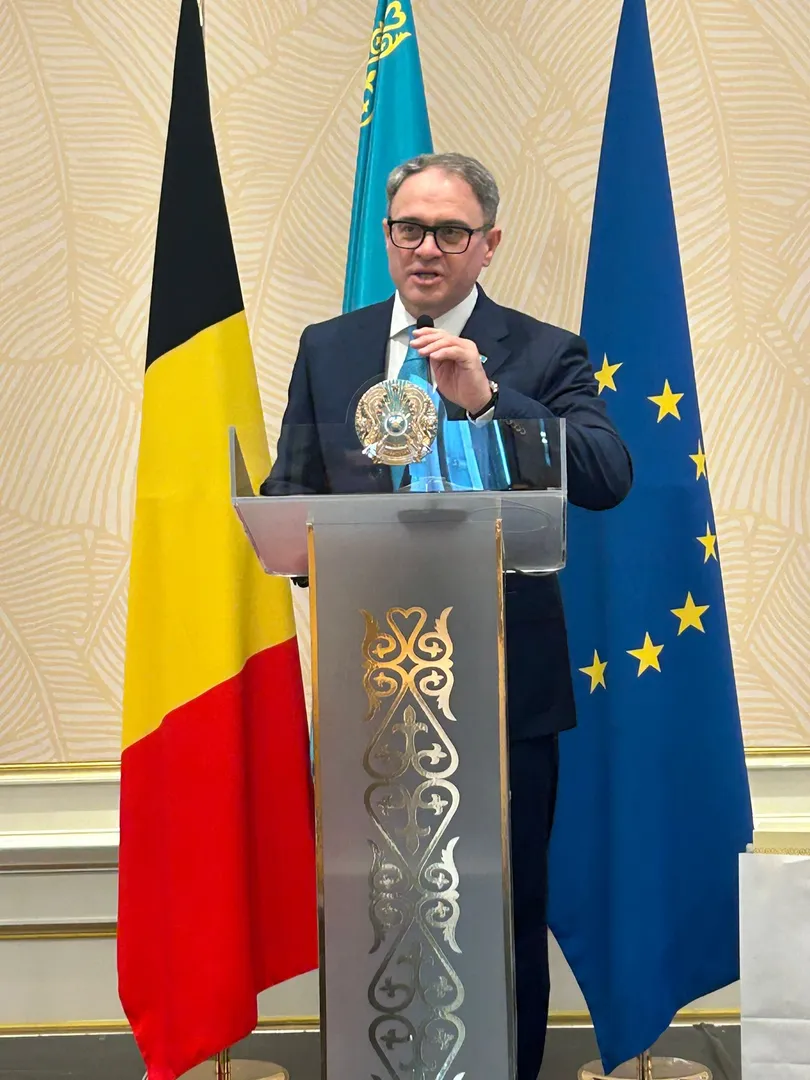
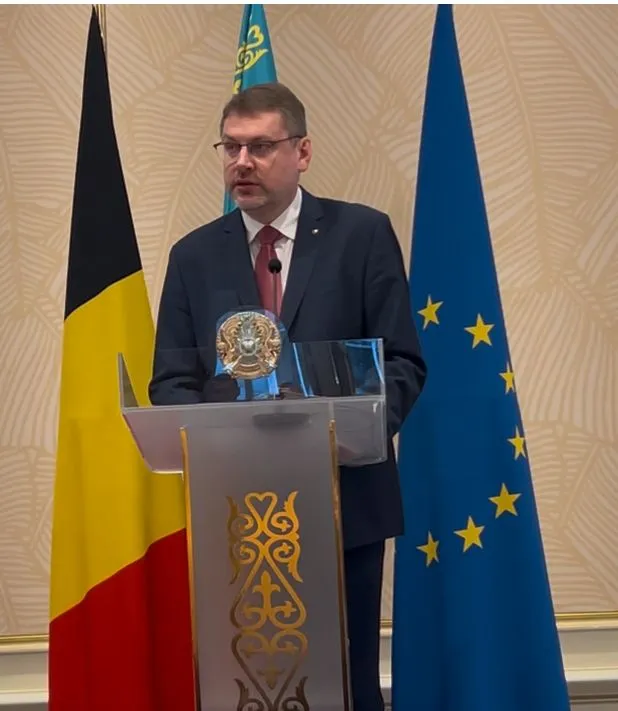
In his address, Roman Vassilenko, Ambassador of Kazakhstan to the Kingdom of Belgium and Head of Mission to the European Union and NATO, highlighted the progress achieved since the EPCA was signed.
“Over ten years, the EPCA has elevated our relations to the level of genuine strategic cooperation,” he stated.
Economic indicators confirm this momentum:
USD 50 billion in trade in 2024, a historic record;
Over USD 200 billion in cumulative European investment since 2005;
More than 4,000 European companies operating in Kazakhstan, reflecting sustained confidence in the country’s economy.
Beyond the figures, the Ambassador emphasized the qualitative expansion of cooperation, particularly in critical raw materials, energy transition, digitalization, transport, and sustainable development all key priorities on the European agenda.
Eurasian Connectivity and Climate Ambitions
Connectivity featured prominently in the discussions, with particular focus on the Trans-Caspian International Transport Route, also known as the Middle Corridor. In a context of global supply-chain reconfiguration, this corridor is increasingly emerging as a strategic link between Central Asia and Europe, reinforcing Kazakhstan’s role as a Eurasian hub.
Roman Vassilenko also announced the launch of negotiations on visa facilitation and readmission agreements, a strong political signal in favor of closer human and economic ties between Kazakhstan and the European Union.
On the domestic front, the Ambassador recalled the political and socio-economic reforms undertaken by Astana, as well as Kazakhstan’s commitment to achieving carbon neutrality by 2060, in line with European climate objectives.
European and Belgian Perspectives
Representing the European Union, Eduards Stiprais, EU Special Representative for Central Asia, praised the consistency and depth of the partnership, describing the EPCA as a “solid foundation for long-term cooperation, based on predictability and mutual trust.”
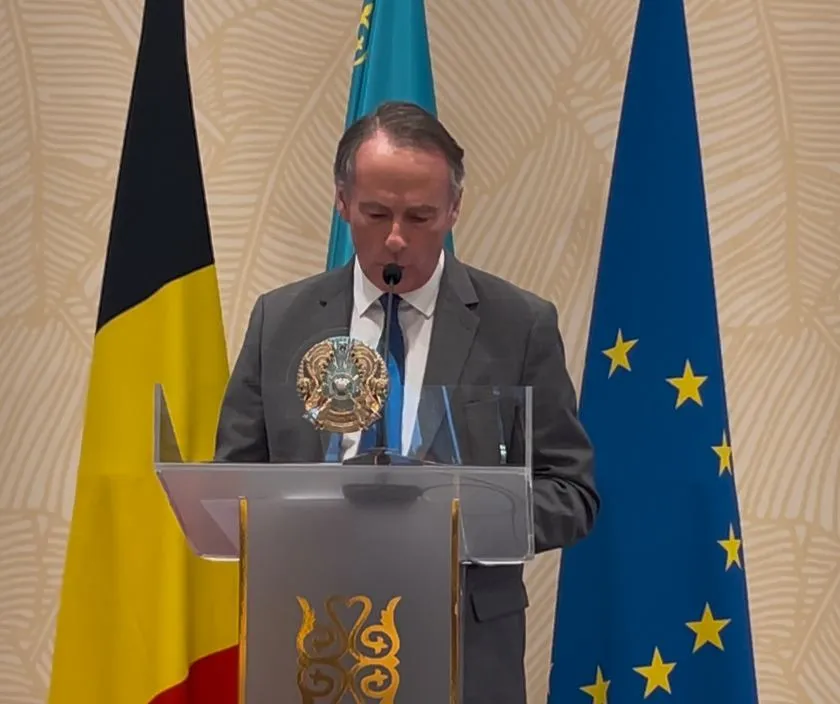
Belgium, as host country, was represented by Ambassador Pierre Cartuyvels, Director-General of Protocol at the Belgian Ministry of Foreign Affairs. He underlined the steady progress of Kazakhstan–Belgium relations and the still largely untapped potential of their bilateral cooperation.
Media and Institutional Presence
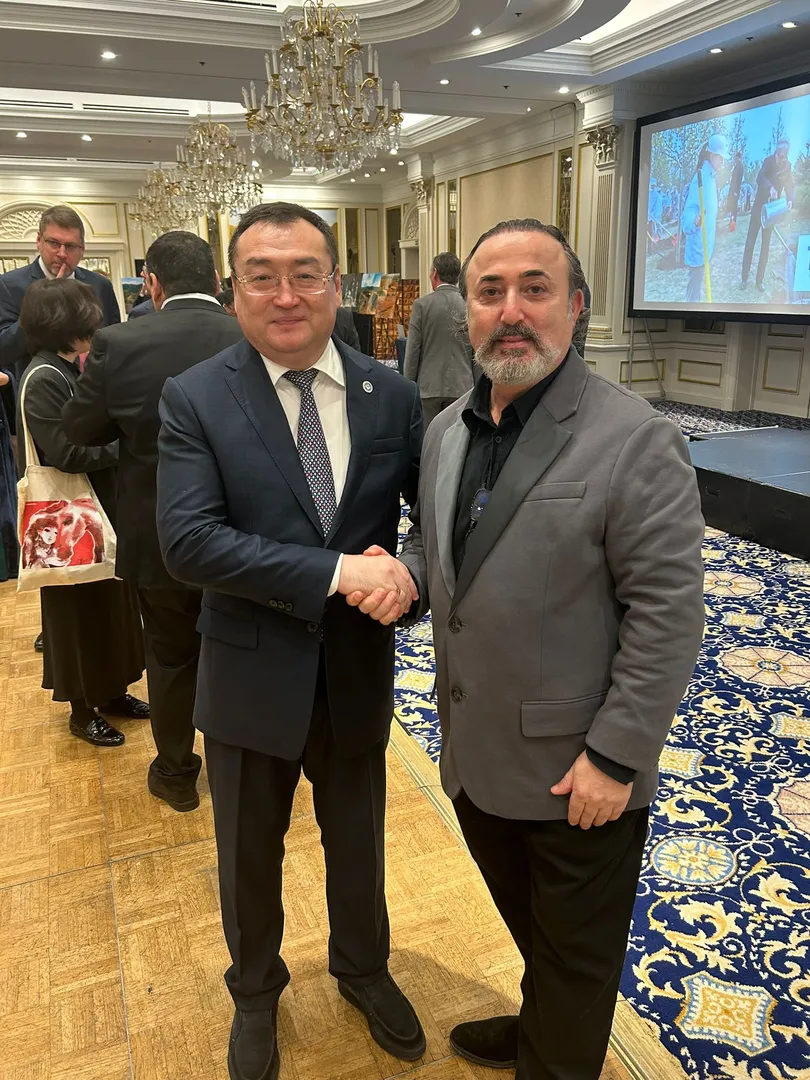
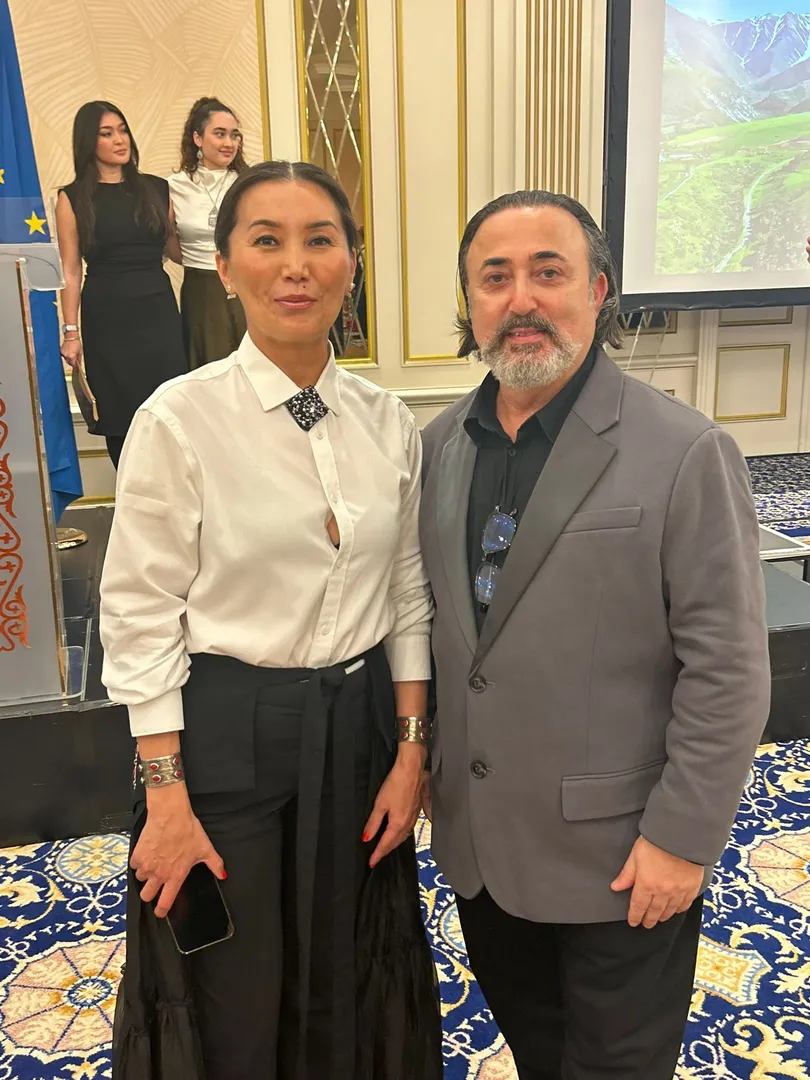
On a personal note, I was invited to this official reception by His Excellency Ambassador Roman Vassilenko on the occasion of Kazakhstan’s National Day and the 10th anniversary of the EPCA.
This invitation reflects the importance attached to the role of specialized media and Brussels-based analytical platforms in enhancing understanding and visibility of relations between the European Union and Central Asia.
The reception took place on Friday, 12 December 2025, in an institutional format (business attire), bringing together decision-makers, diplomats, business leaders, and informed observers of the Euro-Asian scene.
Cultural Diplomacy and the Art of Hospitality
The event also featured an exquisite buffet, showcasing excellence in diplomatic hospitality. These convivial moments fostered informal and direct exchanges among guests, extending discussions beyond official speeches.
The reception was further enhanced by the presentation and tasting of exclusive cognacs, specially selected for the occasion. These exceptional spirits offered a refined sensory interlude, underscoring how contemporary diplomacy also expresses itself through craftsmanship, culture, and soft power.
When Fashion Becomes Diplomacy
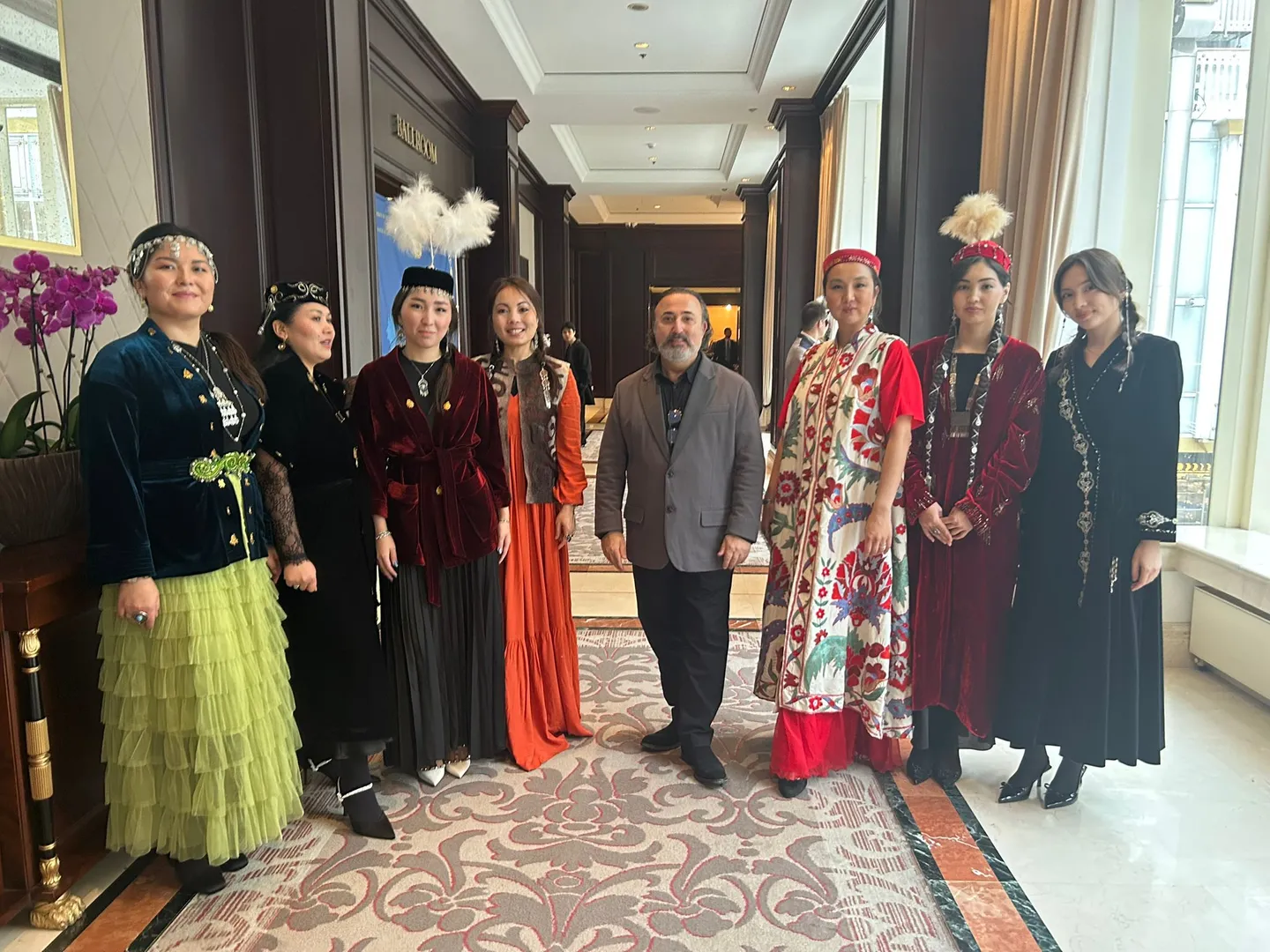
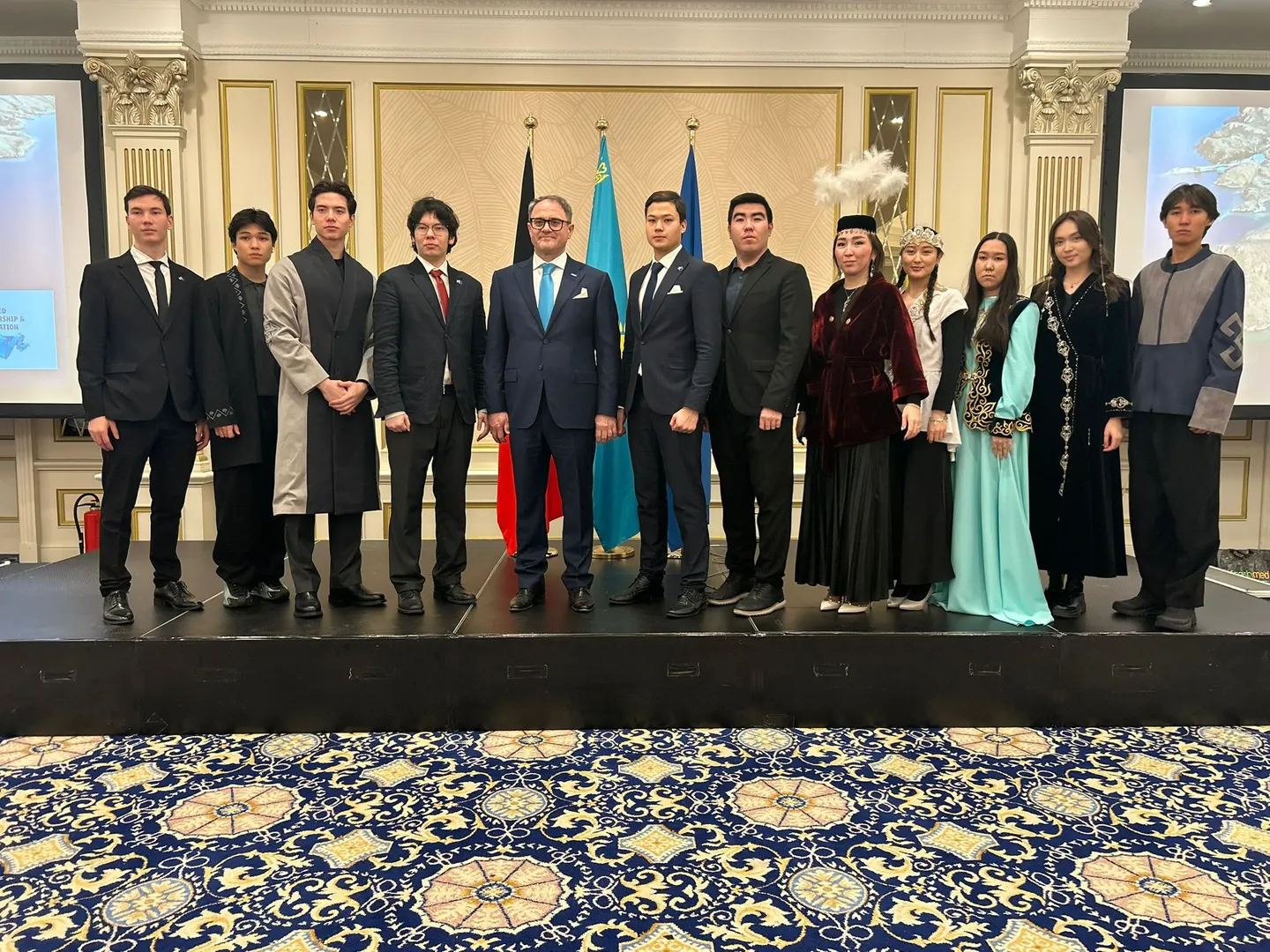
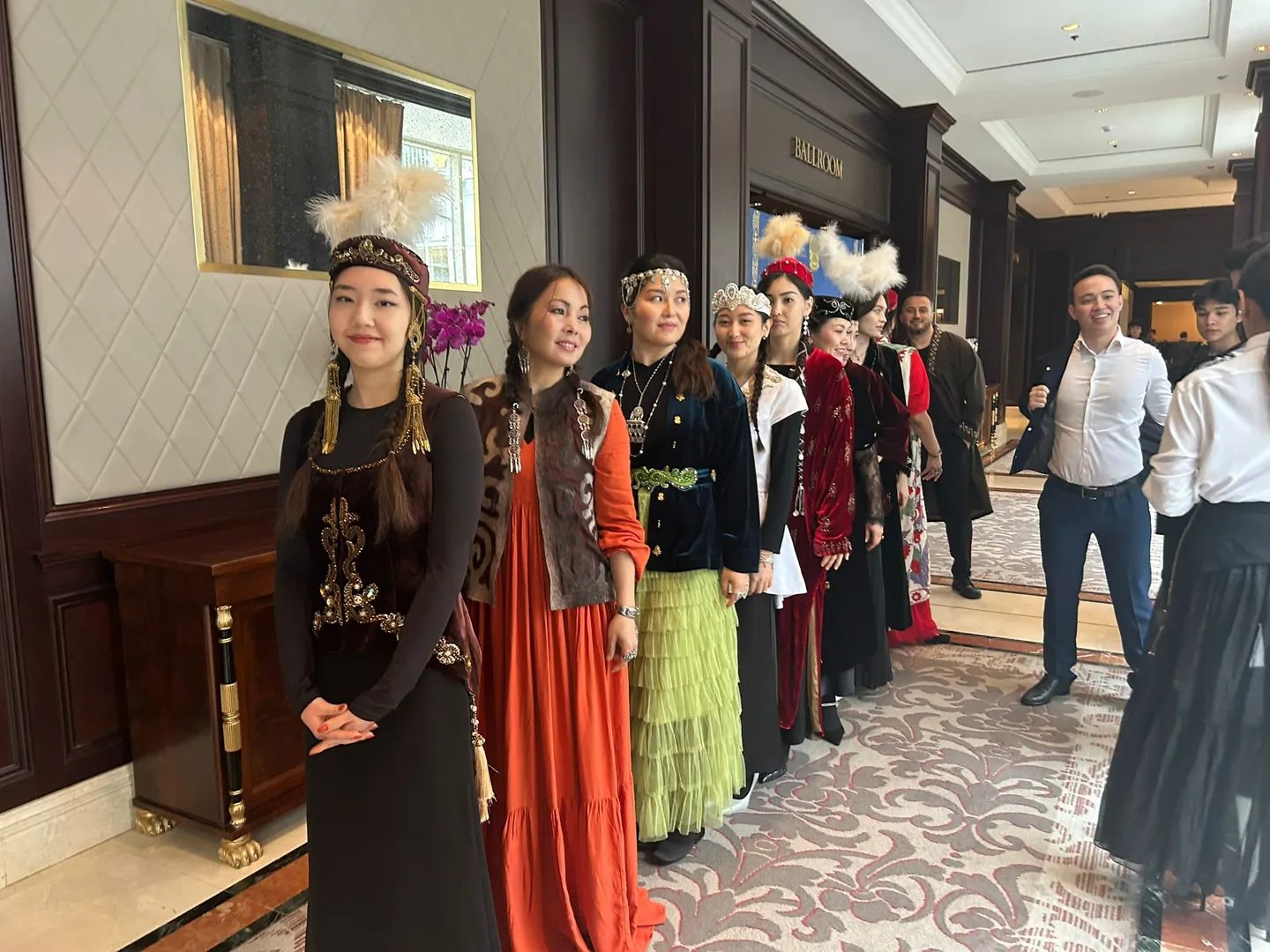
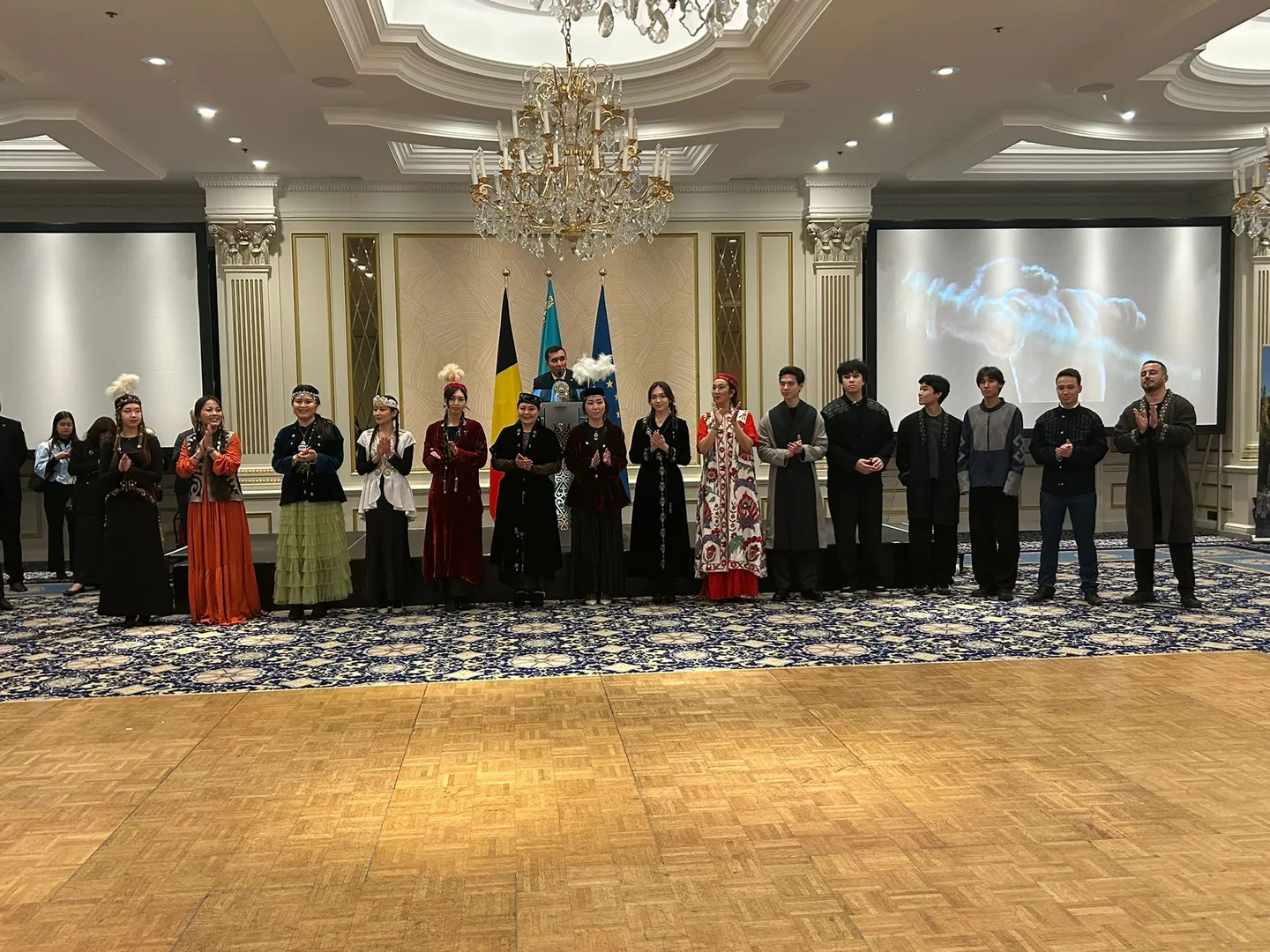
A highlight of the evening was a fashion show in traditional Kazakh style, presented by leading designers under the artistic direction of Bayan Zhambauova. Blending traditional motifs with contemporary design, the collection captivated the audience and showcased the richness of Kazakhstan’s cultural heritage and its distinctive identity.
ERG: A Major Economic and Societal Player
As the official partner of the event, Eurasian Resources Group (ERG) embodies the economic and societal dimension of this cooperation. Founded in Kazakhstan and headquartered in Luxembourg, ERG is among the world’s largest groups in the metals and mining sectors, with operations in Europe, Asia, Africa, and the Americas, and sales in more than 40 countries.
With the Kazakh state holding a 40% stake, ERG serves as an industrial and social lever: supporting nearly 200,000 jobs, maintaining a strong regional presence, and actively engaging in educational, cultural, and scientific initiatives, including the Astana Opera, UNESCO-related projects, and STEM laboratories.
Looking Ahead to 2026
In closing, Ambassador Roman Vassilenko announced that several high-level visits planned for 2026 are expected to inject new momentum into the Kazakhstan–EU partnership.
Ten years after the EPCA, one certainty stands out: in a rapidly reconfiguring world, Kazakhstan is asserting itself as a central, stable, and strategic partner for the European Union, while Brussels remains more than ever the privileged stage for this Euro-Asian dialogue.
Special Thanks
Special thanks are extended to Turkish Airlines for its valuable support of the event, notably through the provision of first-class airline tickets.
Through this commitment, Turkey’s national carrier once again confirms its role as a strategic bridge between Europe, Central Asia, and the wider world, and its active support for diplomatic, cultural, and economic initiatives that foster dialogue between regions.
Kadir Duran
Contributing writer at EUReflect.