Uzbekistan’s 35th Independence Anniversary Celebrated in Rotterdam
By Sharif Akhmedov, Rotterdam
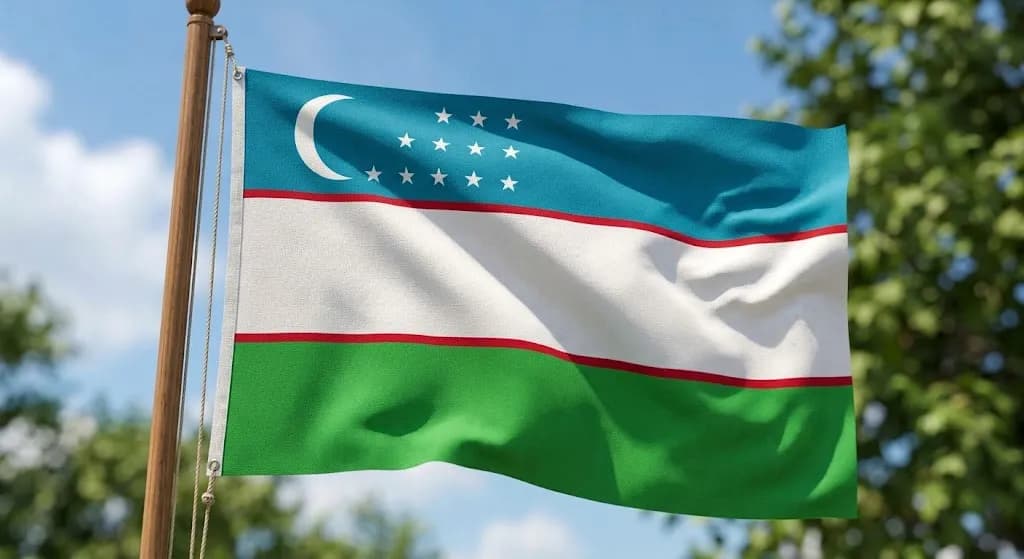
This year marks the 35th anniversary of the proclamation of the state independence of the Republic of Uzbekistan. For the past month, celebrations marking this important milestone have been held in various countries around the world, bringing together members of Uzbek communities abroad.
Meetings with compatriots are organized with the participation of the Embassies of the Republic of Uzbekistan and in cooperation with the Vatandoshlar Public Foundation. These gatherings go far beyond traditional celebrations. Above all, they provide an opportunity for open dialogue with Uzbeks living abroad, allowing them to discuss issues of concern, highlight existing challenges, and jointly explore ways to address them.
Particular attention is given to preserving national identity and cultural heritage. Living far from their historic homeland, compatriots seek to preserve their native language, traditions, and cultural values while actively integrating into the societies of their countries of residence.
One such event was held in Rotterdam, the largest port city in the Netherlands and one of the country’s major cultural and economic centres.
A Growing Uzbek Community
Holding such a gathering in the Netherlands is particularly significant. In recent years, the number of people from Uzbekistan living in the country has steadily increased. While the Netherlands was not until recently among the most common destinations for Uzbek citizens relocating abroad, the Uzbek community here is now gradually becoming more visible.
According to the latest statistical data, more than 2,600 people of Uzbek origin are officially registered in the Netherlands. However, unofficial estimates suggest that the actual size of the community is considerably larger.
Various socio-economic factors are contributing to changes in migration patterns. In particular, against the backdrop of changing attitudes towards migrant workers in Russia, which has traditionally been one of the main destinations for labour migrants from Uzbekistan, interest in European countries continues to grow.
Under these circumstances, strengthening the cohesion of the Uzbek community, maintaining cultural ties, and fostering closer interaction with compatriots have become increasingly important. Such gatherings are not only an opportunity to come together, but also an important platform for communication, mutual support, and strengthening ties with Uzbekistan.
“The Homeland Is Always Close”
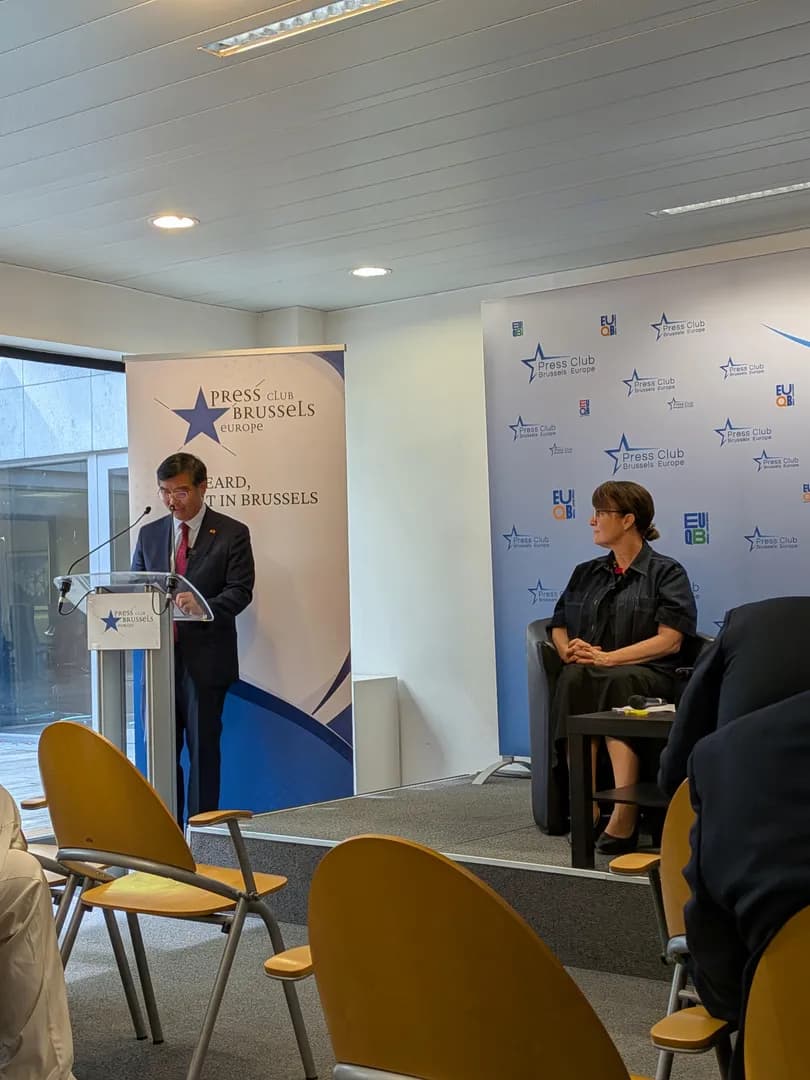
The event was addressed by H.E. Gayrat Fozilov, Ambassador Extraordinary and Plenipotentiary of the Republic of Uzbekistan to the Benelux countries, and Boliddin Sanaev, Deputy Chairman of the Vatandoshlar Public Foundation.
In their remarks, they emphasized that the Uzbek state attaches particular importance to citizens and compatriots living abroad. It was noted that people who are far from their homeland and contribute to the well-being of their families through their honest work should continue to feel the support of their country.
Particular emphasis was placed on providing practical assistance to compatriots in addressing the issues and challenges they face. Helping overcome difficulties, protecting the interests of citizens, and strengthening their ties with their historical homeland were identified as among the key priorities.
Participants were also encouraged to maintain closer ties with Uzbekistan, take part in cultural and community initiatives, and contribute to further strengthening relations between the Uzbek community in the Netherlands and their historical homeland.
Culture as a Space for Unity
The celebration continued with musical and vocal performances. Traditional Uzbek songs and melodies created the atmosphere of a true Uzbek celebration, bringing together people separated from their homeland by thousands of kilometres.
A special part of the cultural programme was devoted to exhibitions highlighting Uzbek national traditions. Guests were presented with examples of traditional Uzbek clothing and works of visual art.
The cultural component of the event carried significance beyond the celebration itself. National clothing, music, visual art, and traditions are important elements in preserving cultural memory and passing it on to future generations.
For many participants, the event was also an opportunity to introduce friends and guests from the Netherlands to Uzbekistan’s rich cultural heritage — that of a country whose history has been shaped over centuries at the crossroads of civilizations, cultures, and trade routes.
A Connection That Transcends Distance
Today, the Uzbek community in the Netherlands is undergoing a process of active development. People come here to study, work, start families, and build their future. At the same time, they continue to maintain a strong interest in the language, culture, and traditions of their historical homeland.
This is why gatherings of this kind have significance that extends beyond a particular date on the calendar. They create a space for communication, enable compatriots to get to know one another better, discuss common concerns, and develop new forms of interaction.
The celebration in Rotterdam was yet another testament to the fact that distance does not necessarily weaken a person’s connection with their homeland. On the contrary, living far from home can often deepen one’s appreciation of the native language, culture, traditions, and shared heritage.
The 35th anniversary of Uzbekistan’s independence in Rotterdam was therefore not only an occasion for celebration, but also an opportunity to reaffirm the importance of unity, mutual support, and the preservation of cultural ties — regardless of where in the world compatriots may live today.
Related Topics
EUReflect News
Site Administrator
Follow EUReflect
See more of our reporting on Google
Mark EUReflect as a preferred source and our stories are ranked higher for you in Top Stories, Discover and Google News — and carry a “preferred” badge when they are cited in AI results.
Add EUReflect as a preferred source