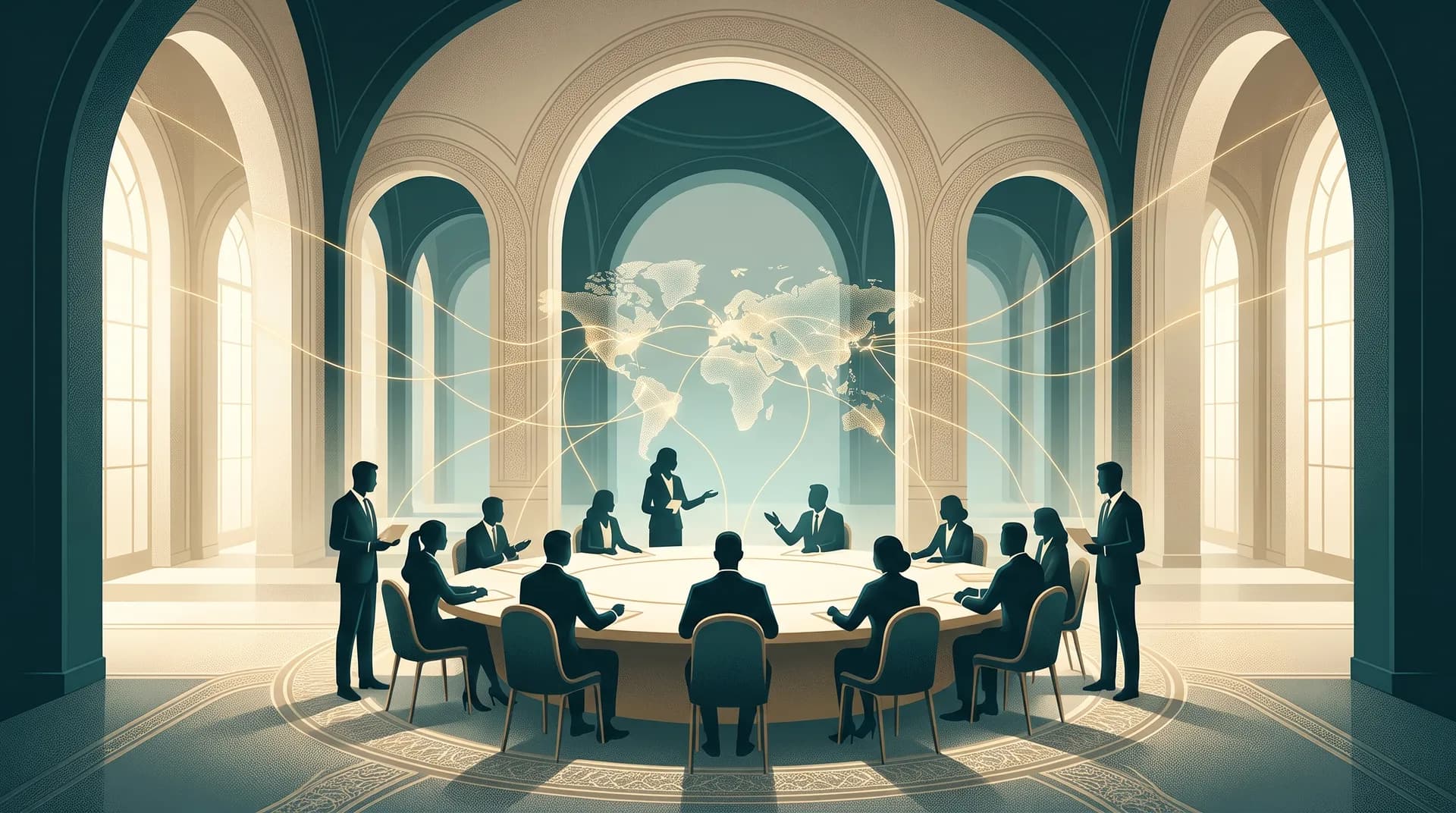
Business Diplomat: Digital Protocol
Diplomatic courtesy is changing in the digital age, says Prof. Dr. Mehmet Emin Erendor, but what emerges is not a new diplomacy; it is traditional diplomatic behaviour adapted to the screen, the camera and the microphone. Interviewed by: Asst. Prof. İsmail Polat Interviewee: Prof. Dr. Mehmet Emin Erendor
When negotiations move online, what happens to protocol? Prof. Dr. Mehmet Emin Erendor begins with a measured answer. In this part of its interview series, Business Diplomat presents it.
First observation: change, but not a new diplomacy
“Yes, I think diplomatic courtesy and protocol rules are changing markedly in the digital age. However, rather than an entirely new diplomacy emerging, what we have is the adaptation of traditional diplomatic behaviours to the digital environment.”
Erendor affirms change and limits it. The essence of diplomatic behaviour remains; its setting is what has shifted.
Second observation: what replaces what
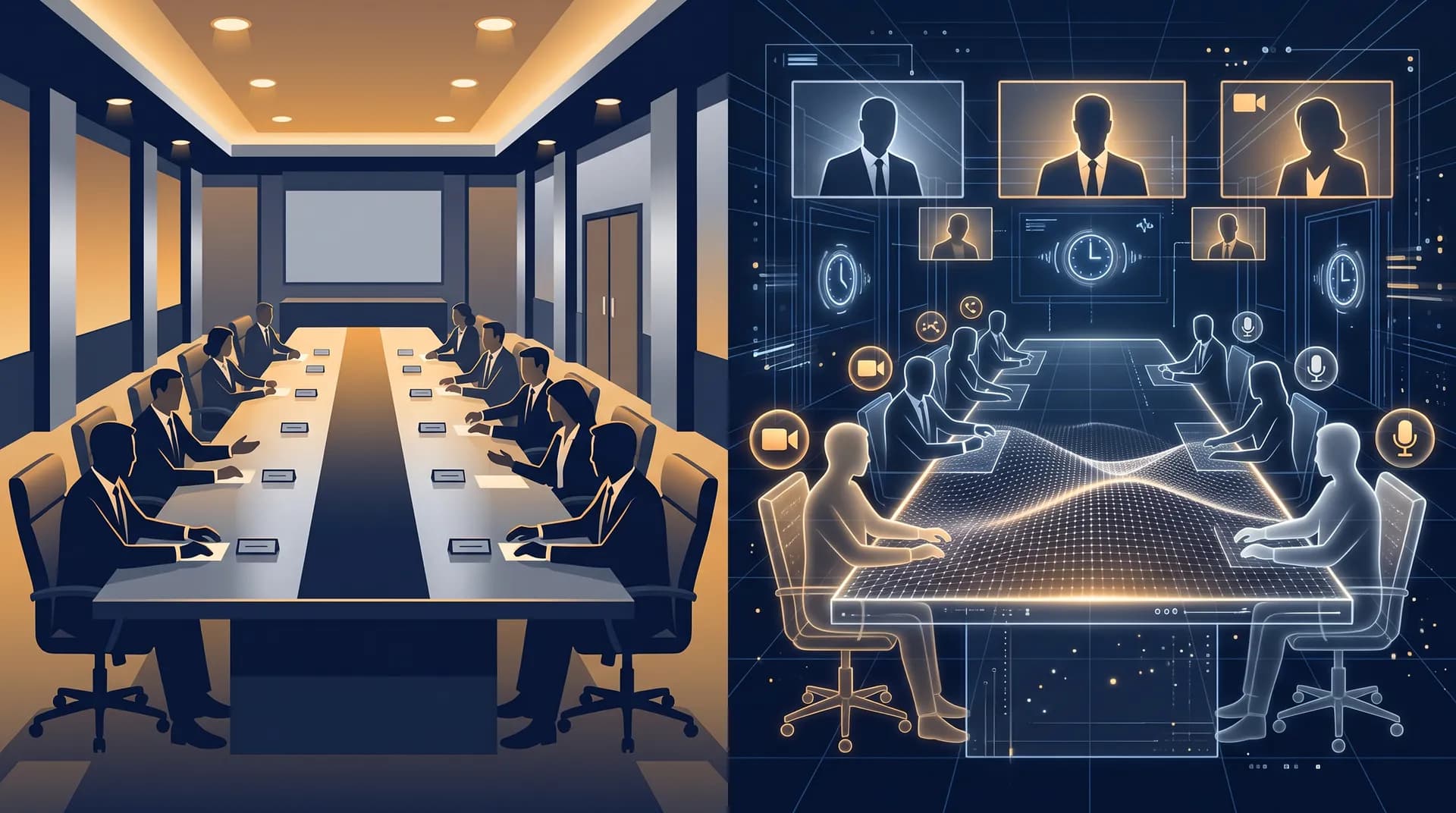
“In face-to-face meetings, elements such as place, body language, form of address, seating order and timing are important, while in online negotiations these begin to be replaced by the screen, camera, microphone, messaging style and digital timing.”
The list is a translation table. Each physical element has a digital counterpart: place becomes screen, body language becomes camera, seating order becomes the way a meeting is joined, and timing becomes digital timing.
Third observation: lateness and conduct
“Arriving late at a meeting once meant entering the room late physically. In an online meeting, not connecting on time or joining without technical preparation can be seen as a similar discourtesy.” Other habits join the list: when to turn the camera on, muting the microphone so as not to interrupt a speaker, not attending to other tasks during the meeting, and the tone of the follow-up email. All are now “part of professional etiquette.”
The logic of the assessment
Protocol changes in form. Each element of physical etiquette has a digital equivalent. Punctuality, camera, microphone, attention and follow-up are the new points of courtesy.
The role of Business Diplomat
The platform’s mission is to give young people experience, bring a diplomatic order to the business world, and benefit states by revitalising the economy. Erendor’s examples are the kind of habits young professionals can practise from their first online meeting. Business Diplomat can teach them explicitly.
Conclusion
Digital protocol is traditional courtesy translated into new tools. Business Diplomat aims to help young professionals practise it.

İsmail Polat
Ph. D. in International Relations
Follow EUReflect
See more of our reporting on Google
Mark EUReflect as a preferred source and our stories are ranked higher for you in Top Stories, Discover and Google News — and carry a “preferred” badge when they are cited in AI results.
Add EUReflect as a preferred source