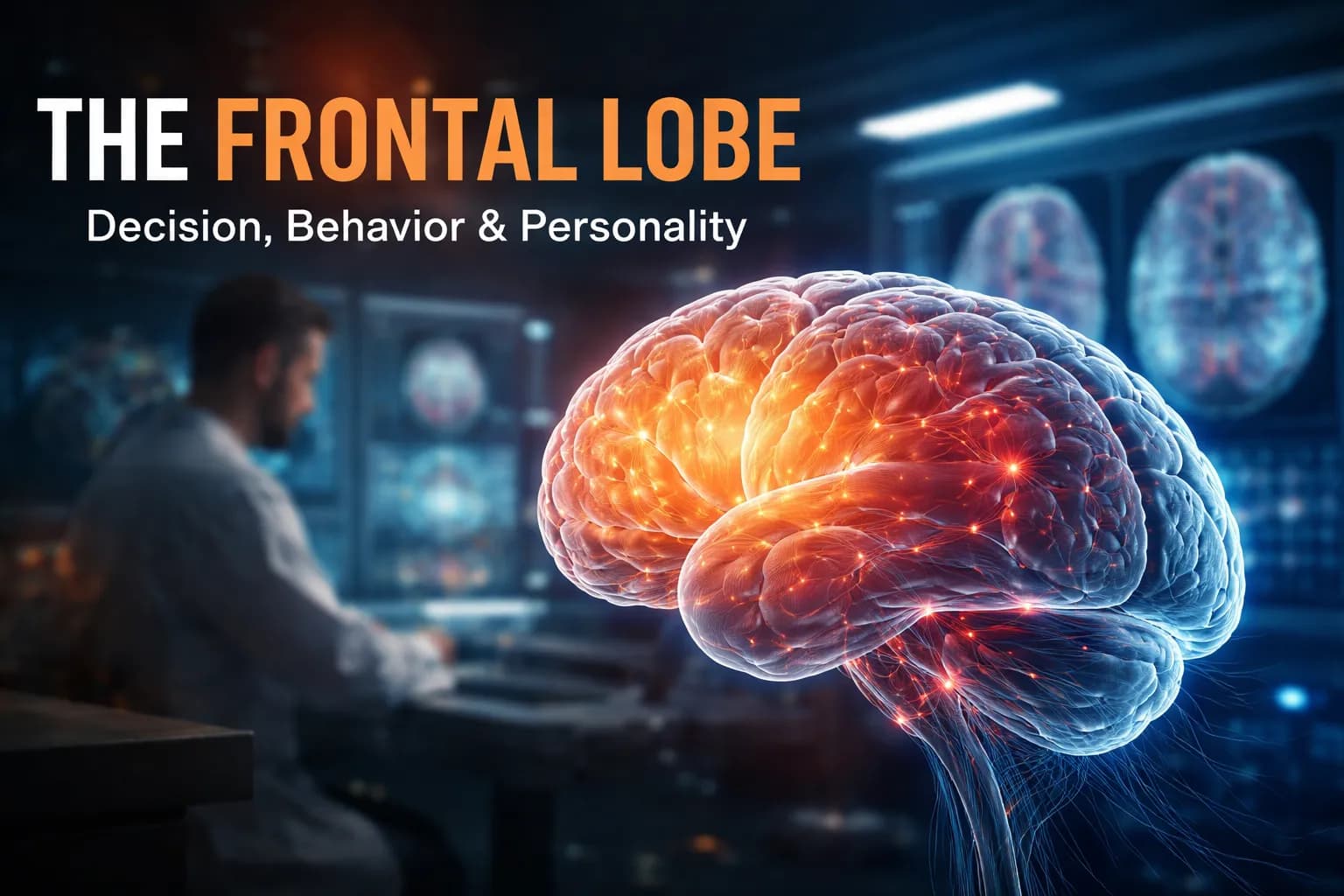
The frontal lobe is the brain’s central system for executive control, decision-making, emotional regulation, and personality. Its proper functioning enables self-regulation, social adaptation, and responsible behavior, while dysfunction may lead to impulsivity, poor judgment, and social instability.
This article defines the concepts of cognitive intelligence (IQ) and emotional intelligence (EQ), highlighting their differences as well as their complementary nature. While IQ emphasizes cognitive functions such as problem-solving and logical reasoning, EQ focuses on emotional and social skills. A review of the literature demonstrates that high IQ alone is insufficient for long-term success in personal and professional life; EQ also plays a critical role. The article further proposes a four-week integrated program for developing both EQ and IQ, illustrated with practical case studies.
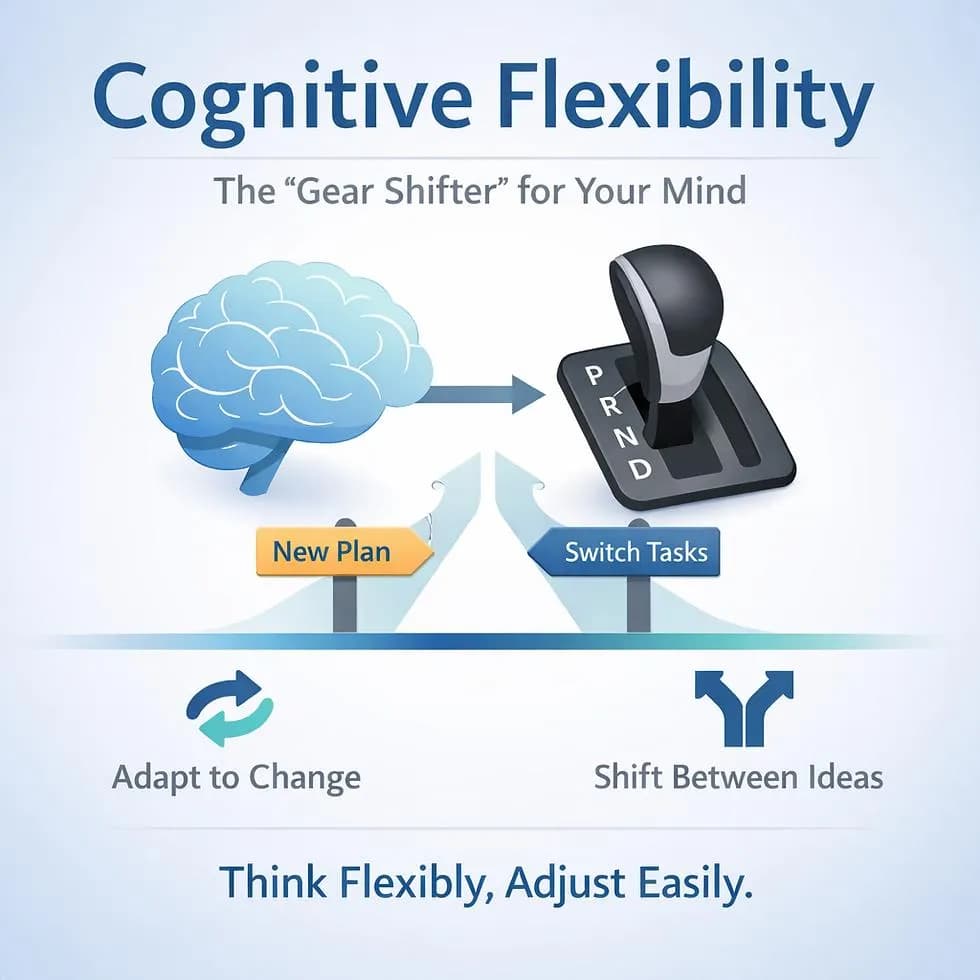
Cognitive flexibility is usually described as the ability to adapt thinking when circumstances change. A new theoretical model proposes that this ability may not be a single mental capacity, but a system composed of three interacting forms of flexibility.