The Frontal Lobe as the Neural Core of Human Behavior
The frontal lobe is the brain’s central system for executive control, decision-making, emotional regulation, and personality. Its proper functioning enables self-regulation, social adaptation, and responsible behavior, while dysfunction may lead to impulsivity, poor judgment, and social instability.
Introduction
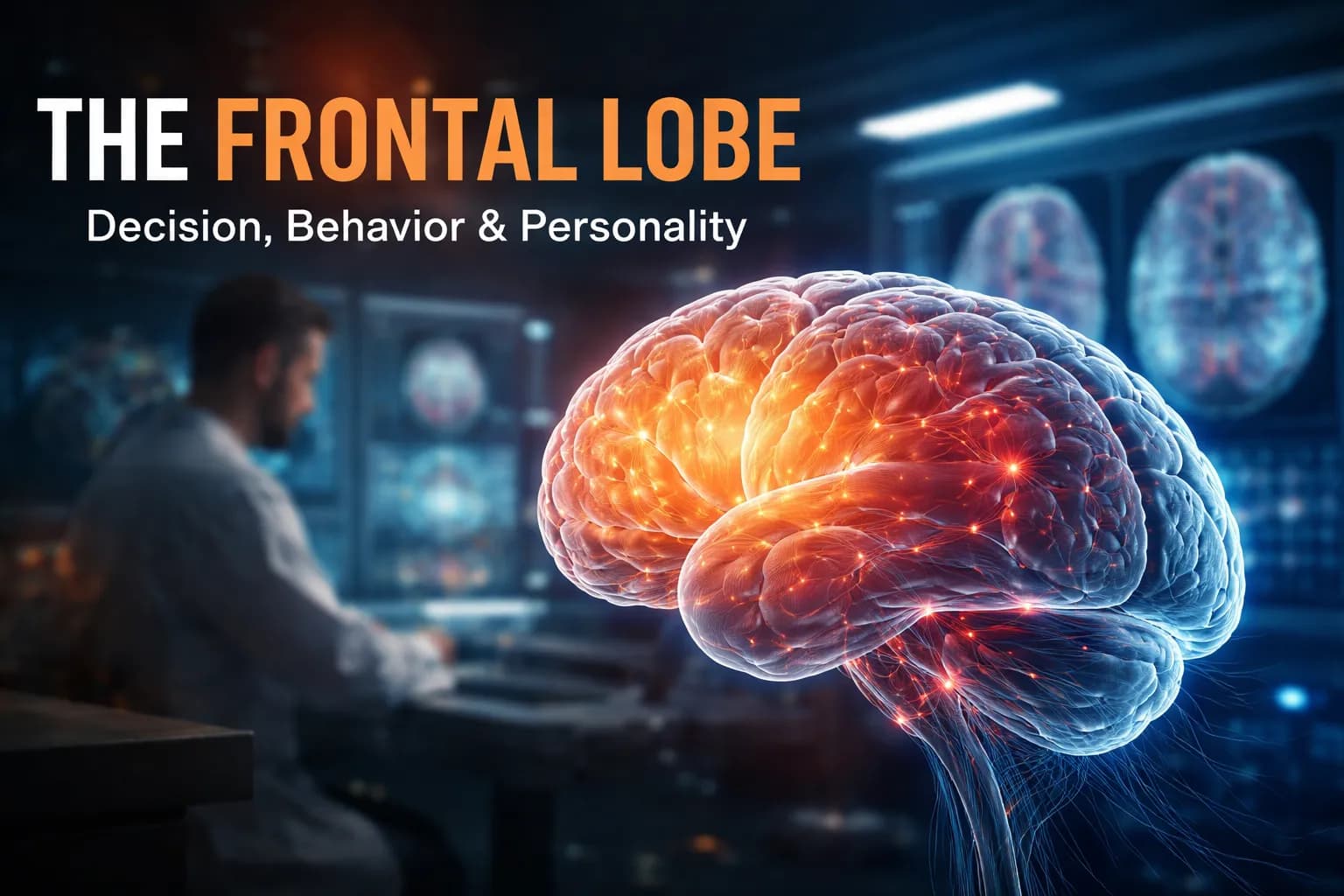
The frontal lobe, located in the anterior region of the human brain, plays a central role not only in cognition but also in the regulation of behavior, emotion, and social functioning. Contemporary neuroscientific research consistently demonstrates that the healthy functioning of the frontal lobe determines an individual’s capacity for self-control, foresight, and adherence to social norms. As one of the most recently evolved brain regions, the frontal lobe is widely regarded as a defining neural structure that distinguishes human behavior from that of other species.
In everyday life, abilities such as maintaining patience, suppressing impulsive reactions, making reasoned decisions under emotional pressure, and sacrificing short-term gratification for long-term goals depend largely on frontal lobe integrity. The growing prevalence of impulsivity, aggression, and behavioral dysregulation in modern societies has therefore shifted the frontal lobe from a purely clinical subject to a broader social and public health concern.
1.Executive Functions and Goal-Directed Behavior
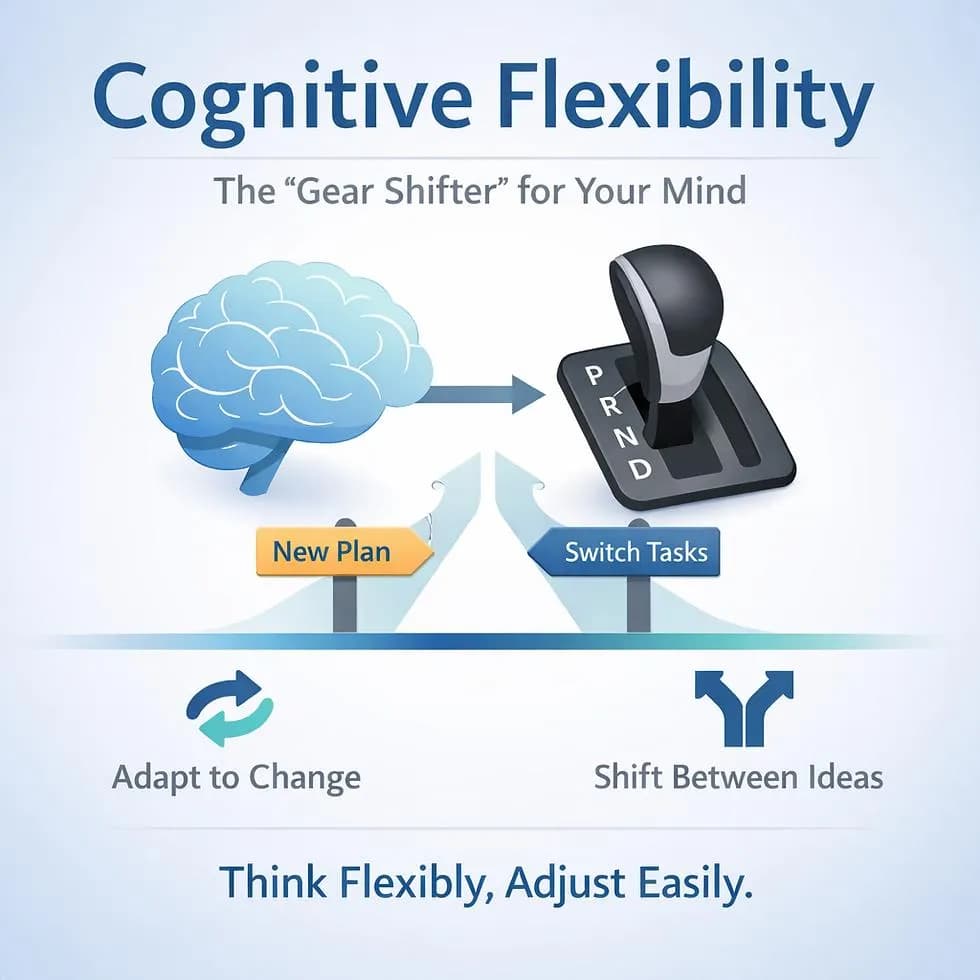
One of the primary roles of the frontal lobe is the regulation of executive functions, including planning, organization, attention control, cognitive flexibility, and problem-solving. These processes enable individuals to translate intentions into sustained, goal-directed actions. The distinction between knowing what should be done and being able to implement it effectively reflects frontal lobe efficiency.
Empirical findings indicate that individuals with frontal lobe dysfunction often retain intellectual capacity while struggling to organize behavior over time. This pattern suggests that functional success in complex societies depends less on raw intelligence than on the ability to regulate behavior consistently. From this perspective, achievement is not solely a cognitive outcome but a product of neural systems that govern self-regulation and persistence.
2.Decision-Making, Risk Assessment, and Impulse Control
The frontal lobe plays a critical role in balancing short-term rewards against long-term consequences. This regulatory mechanism allows individuals to inhibit emotionally driven or risky behaviors that may yield immediate satisfaction but result in long-term harm. When this system functions effectively, individuals are capable of pausing, evaluating outcomes, and selecting socially adaptive responses.
Disruptions in frontal lobe functioning are associated with increased impulsivity, poor risk assessment, and socially inappropriate decisions. Rising levels of aggression, emotional outbursts, and uncontrolled reactions observed in traffic incidents, workplaces, and digital environments increasingly point to a neurobiological dimension of behavioral dysregulation. In such cases, the loss of the capacity to delay response undermines rational judgment and social stability.
3.Emotional Regulation, Personality, and Social Adaptation
Through continuous interaction with limbic structures, the frontal lobe regulates emotional intensity and expression. This interaction enables individuals to respond to criticism, stress, or conflict in a controlled and socially appropriate manner rather than through emotional extremes. At the same time, personality traits such as empathy, moral reasoning, responsibility, and social awareness are closely linked to frontal lobe functioning.
Clinical observations consistently show that damage to the frontal lobe may leave general intelligence relatively intact while profoundly altering personality and social behavior. This dissociation highlights that personality is not merely a psychological construct but a biologically grounded system. The maintenance of social order, therefore, relies not only on external regulations but also on the neural capacity of individuals to regulate their own behavior.
Conclusion
The frontal lobe represents a central neural system that enables humans to act as self-regulating, socially responsible individuals rather than purely reactive organisms. Planning, decision-making, impulse control, emotional balance, and personality coherence are all contingent upon the healthy functioning of this region.
As demonstrated throughout this analysis, frontal lobe dysfunction can result in severe behavioral and social impairments even when cognitive abilities remain preserved. This evidence challenges explanations that attribute violence, addiction, or antisocial behavior solely to moral failure or individual choice. Instead, it underscores the importance of recognizing frontal lobe function as a key factor in both individual mental health and societal stability. Interventions aimed at strengthening executive control and emotional regulation may therefore contribute not only to personal well-being but also to broader social resilience.
Kadir Duman
Contributing writer at EUReflect.
Follow EUReflect
See more of our reporting on Google
Mark EUReflect as a preferred source and our stories are ranked higher for you in Top Stories, Discover and Google News — and carry a “preferred” badge when they are cited in AI results.
Add EUReflect as a preferred source