The Transformation of the Self in the Digital Age
In the digital age, social media has significantly transformed the ways individuals perceive and present themselves. This article examines the impact of social media on the self within the frameworks of symbolic interactionism and individualistic psychology. The aim of the study is to explain, in simple terms, how the self is reshaped in digital environments through social interactions and individual psychological processes.
1. Introduction
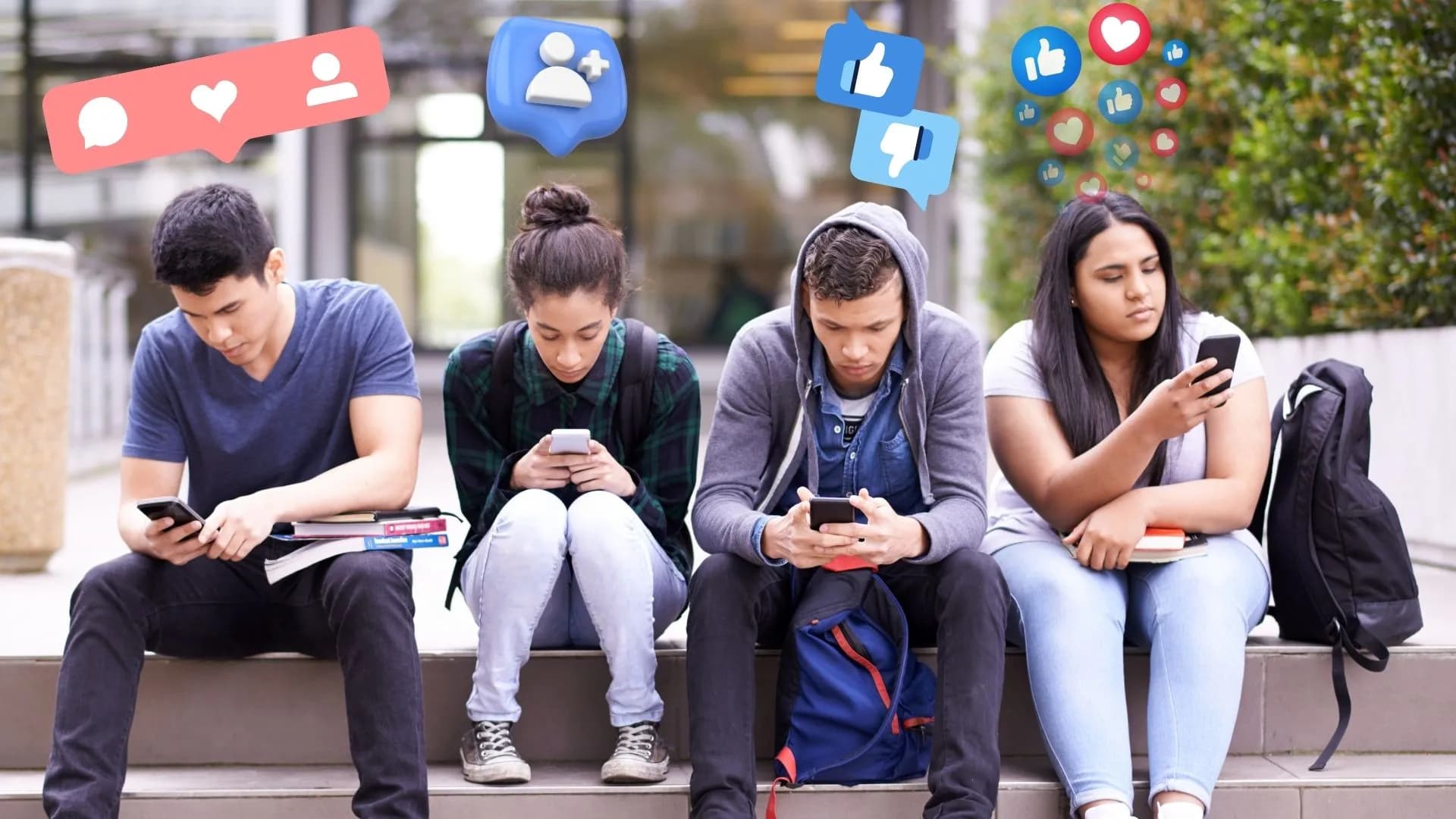
The self consists of the answers an individual gives to the question “Who am I?”. In traditional societies, these answers were shaped through face-to-face interactions and social roles. Today, however, social media has created a new space where individuals can constantly present themselves. On platforms such as Instagram, X, or TikTok, individuals express who they are through photos, posts, and likes. This situation leads to the reconstruction of the self in digital environments.
2. Symbolic Interactionism and the Digital Self
According to symbolic interactionism, the self is formed through social interactions. Mead (1934) argues that individuals develop their selves by considering how others perceive them.
Social media has made this process more visible. Likes, comments, and follower counts carry symbolic meanings for individuals. For example, receiving many likes on a post may cause an individual to feel “valuable,” while low engagement may negatively affect self-perception. From this perspective, digital environments strengthen the concept of the “looking-glass self” (Cooley, 1902).
3. Social Media from the Perspective of Individualistic Psychology
Individualistic psychology argues that all behavior is fundamentally based on an individual’s mental and emotional processes. Even group or societal influences gain meaning through individual perception.
From this perspective, social media affects psychological processes such as self-esteem, self-worth, and self-presentation. For instance, some individuals present an idealized version of themselves on social media. This can create a gap between the real self and the presented self, which may lead to anxiety and feelings of inadequacy in the long term (Baumeister, 1999).
4. Discussion
While symbolic interactionism explains how social media shapes the self through social feedback, individualistic psychology focuses on how this feedback is processed within the individual’s inner world. The digital self emerges as a joint product of social interactions and individual psychological processes.
5. Critical Evaluation
Symbolic interactionism and individualistic psychology offer important insights into understanding the transformation of the self in the digital age. However, both approaches have limitations when explaining social media.
First, while symbolic interactionism emphasizes the formation of the self through social interactions, it does not sufficiently consider power relations and the structural effects of digital platforms. Social media interactions do not occur under equal conditions; algorithms determine which content becomes visible, indirectly shaping self-presentation.
Individualistic psychology, on the other hand, explains social media experiences largely through internal processes, often neglecting social and cultural contexts. Yet the digital self is both an individual and a social product.
Moreover, both approaches tend to focus on the negative effects of social media and may overlook the individual’s capacity to act as an active and critical agent. It should be recognized that not all users are affected by social media in the same way.
6. Conclusion
Social media is not merely a tool that reflects the self, but an active environment that shapes it. In the digital age, the self has become a structure that constantly receives feedback, remains fluid, and is increasingly fragile. Understanding this transformation is crucial for both individual mental health and social relationships.
Baumeister, R. F. (1999). The self in social psychology. Psychology Press.
Cooley, C. H. (1902). Human nature and the social order. Scribner’s.
Goffman, E. (1959). The presentation of self in everyday life. Anchor Books.
Mead, G. H. (1934). Mind, self, and society. University of Chicago Press.
Vogel, E. A., Rose, J. P., Roberts, L. R., & Eckles, K. (2014). Social comparison, social media, and self-esteem. Psychology of Popular Media Culture, 3(4), 206–222.
Kadir Duman
Contributing writer at EUReflect.
Follow EUReflect
See more of our reporting on Google
Mark EUReflect as a preferred source and our stories are ranked higher for you in Top Stories, Discover and Google News — and carry a “preferred” badge when they are cited in AI results.
Add EUReflect as a preferred source