China in the Heart of EU Trade and Security
The European Union’s foreign and trade policies now have China as a central actor. China’s partnership with the EU has grown drastically over the past 20 years, turning a distant trading partner into a main player in debates around global security, trade, and sustainability. This evolution reflects the deep interdependence that has developed between the two powers.
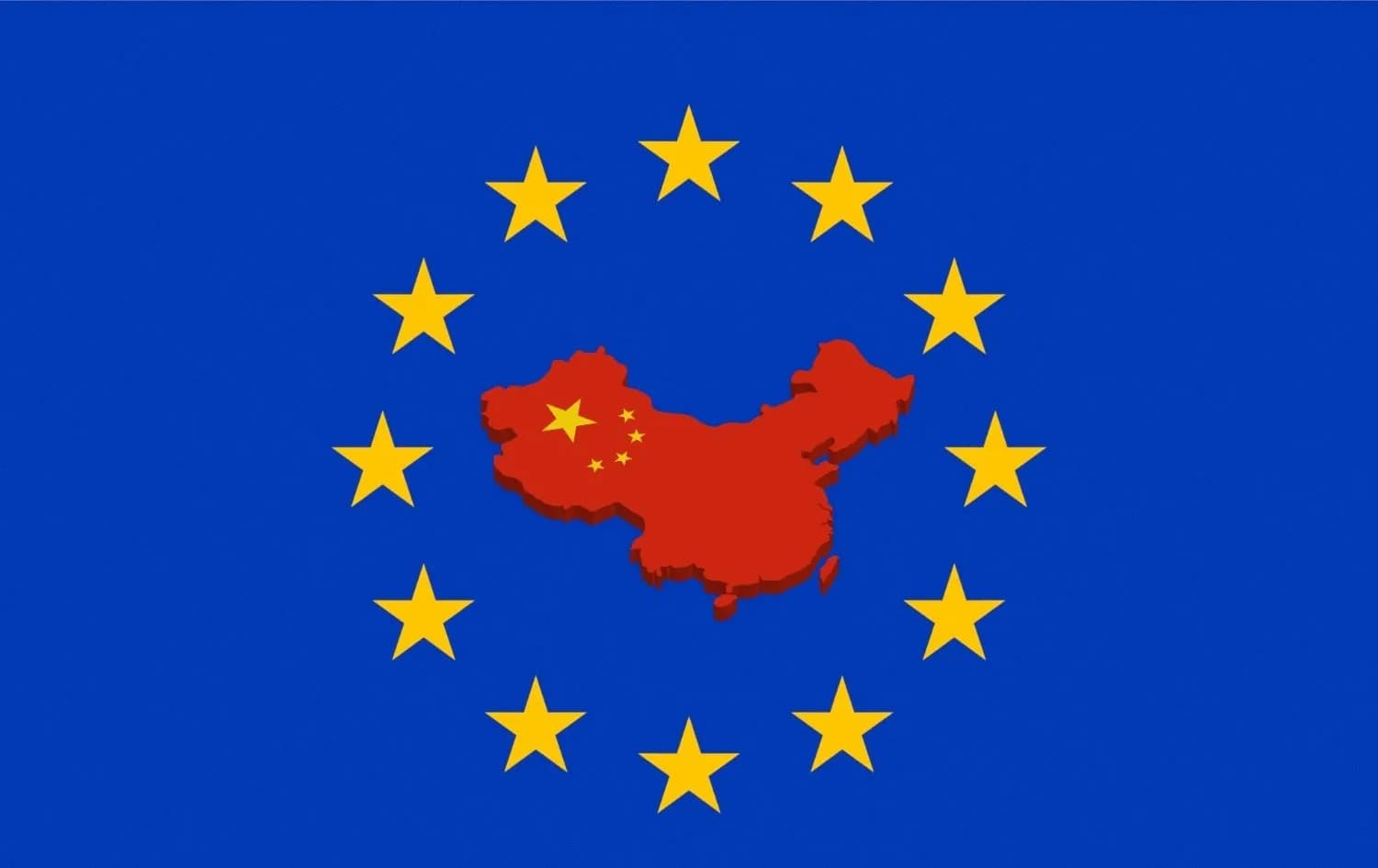
Economic, strategic, and geopolitical ties
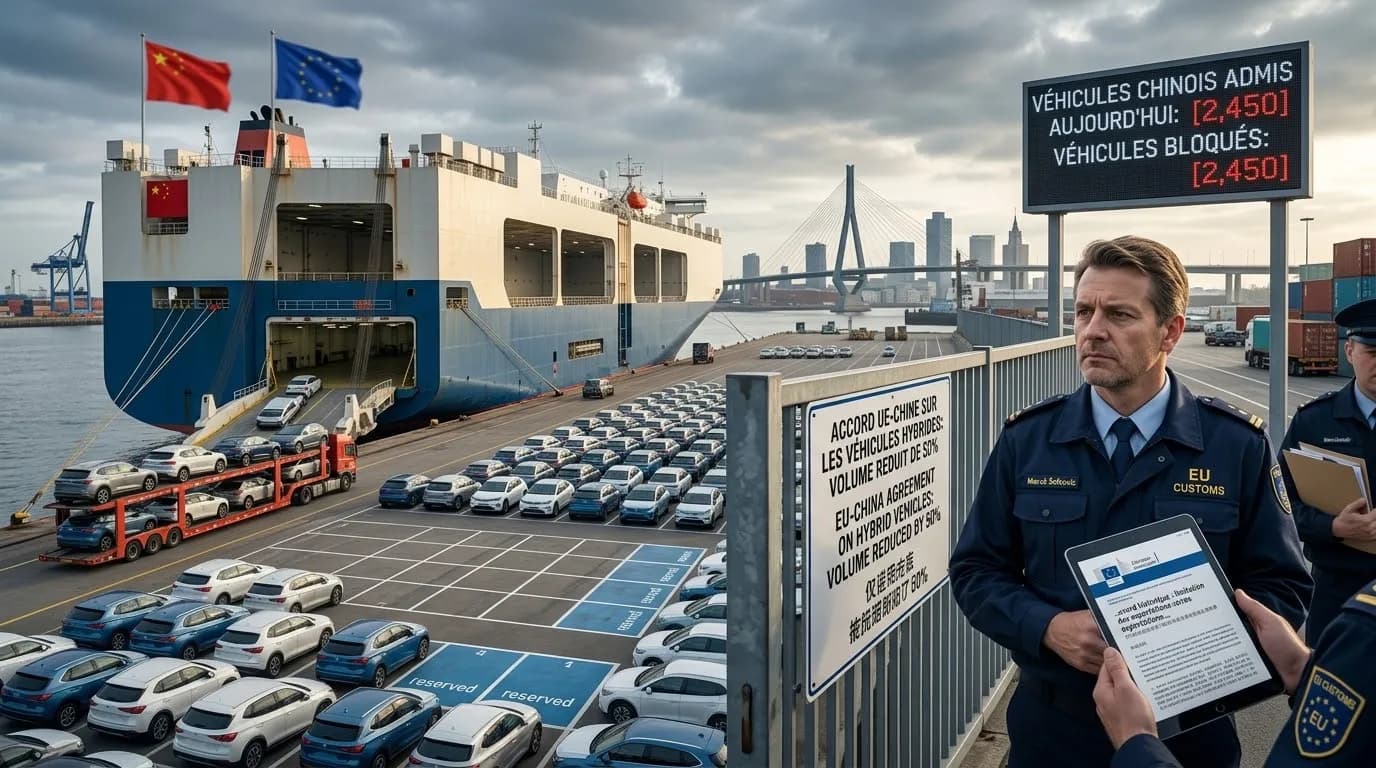
China’s economic influence is the most prominent dimension of the relationship. It is the EU’s second‑largest trade partner and its biggest source of imports. Chinese firms flood European markets with electronics, machinery, green‑tech components, and consumer goods. The EU is not the only winner from these ties, as European companies closely follow the Chinese market for opportunities to grow, export, and invest.
The strategic relationship between the EU and China is more complex. The European Union has described China as a“partner, negotiating partner, economic competitor, and systemic rival.”This apparently contradictory description shows how cooperation can be achieved on shared priorities such as sustainability and climate change, while intense competition continues in areas like digital infrastructure, semiconductors, and green‑tech manufacturing. Because of the sensitivity of this relationship, the EU has introduced trade‑defence tools, investment‑screening mechanisms, and export controls to reduce risks without completely decoupling.
Geopolitically, the EU–China relationship is at its most fragile. The EU has repeatedly voiced concerns about Chinese support for Russia during the war in Ukraine and warns against escalating tensions in Europe’s neighbourhood and the Indo‑Pacific. At the same time, it still seeks Chinese cooperation on global challenges. Although geopolitical relations are often treated as less important than economic and strategic ones, the EU has consistently raised concerns about China’s human‑rights record.
China: a“forever partner”of Europe
Even in times of distrust and rivalry, China’s partnership with Europe remains indispensable. Two‑way trade alone exceeds hundreds of billions of euros, and the EU depends heavily on Chinese supply chains to manufacture electronics, textiles, and green‑tech products, to name just a few. Chinese diplomacy explicitly calls the EU a“long‑term partner”and often presents Europe as a desired economic and diplomatic counterweight to the United States. A trade war or abrupt decoupling would likely harm both sides, while also undermining cooperation on shared global concerns such as sustainability and climate change. It would also put many European jobs at risk. Despite diverging values, EU‑China cooperation around common goals shows that pragmatic collaboration is possible, even when ethical and political disagreements persist.
Conclusion
Milestones and common achievements, such as the 50th anniversary of diplomatic ties, regularly bring both sides back to the table. Even though Europe has adopted more cautious measures in recent years,“win‑win”cooperation remains a constant topic in EU-China discussions. China is not just a market for the EU, but a test of how Europe balances openness, security, and strategy. Ultimately, the deep interdependence between China and Europe is difficult to undo, even when times are tough, and ideas clash.
Tamim Majdoub
Contributing writer at EUReflect.
Follow EUReflect
See more of our reporting on Google
Mark EUReflect as a preferred source and our stories are ranked higher for you in Top Stories, Discover and Google News — and carry a “preferred” badge when they are cited in AI results.
Add EUReflect as a preferred source