Dominican Republic: The cultural heart of the Caribbean
The Dominican Republic is a country where the past and present, tradition and innovation, nature and culture intertwine harmoniously.
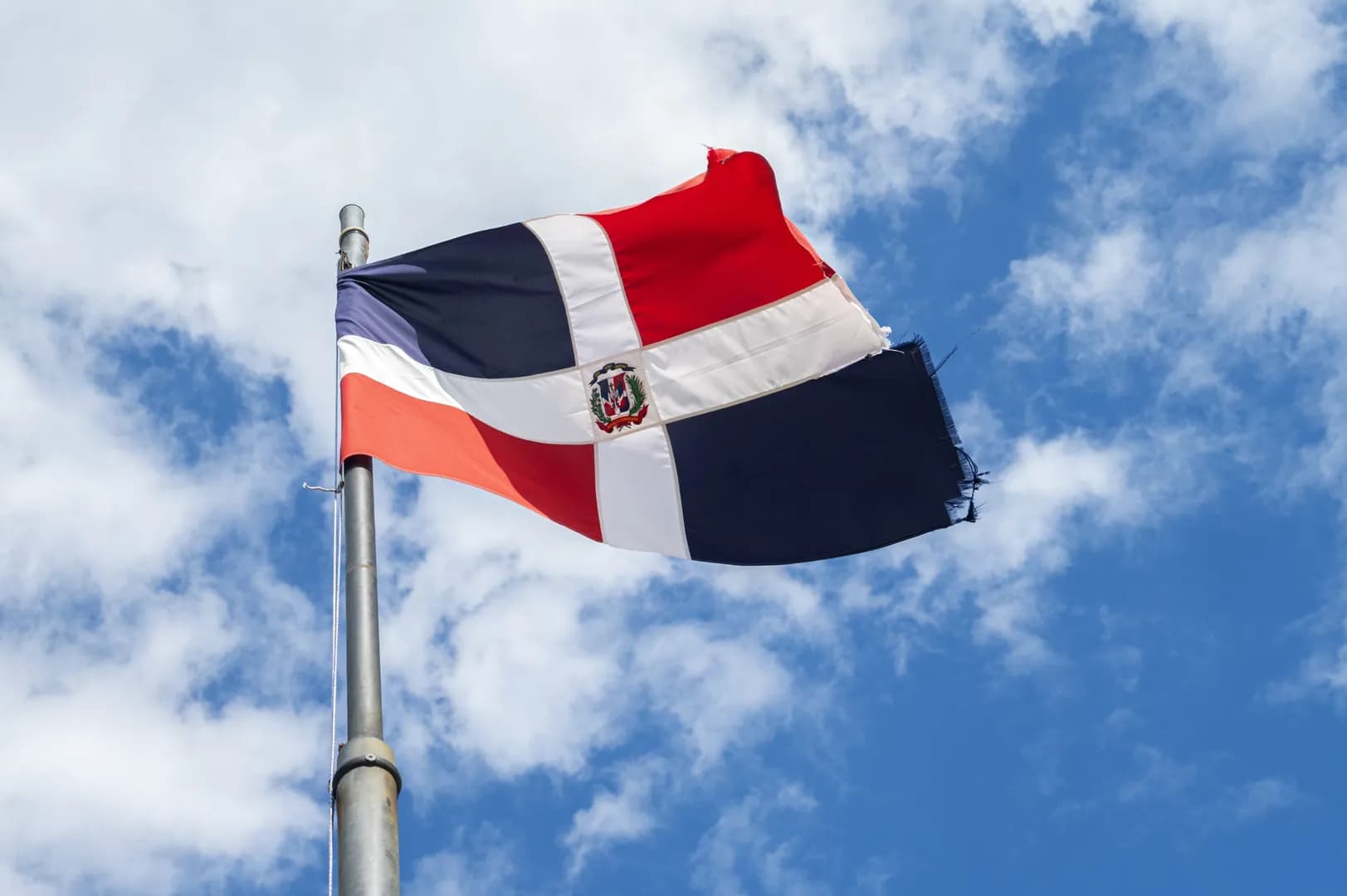
Dominican Republic: The cultural heart of the Caribbean, impossible not to fall in love with
The Dominican Republic, located on the eastern part of the island of Haiti in the Caribbean, is one of the oldest countries in the New World: it was here that Christopher Columbus landed in 1492, and the city of Santo Domingo became the first permanent European settlement in America and the site of the first cathedral and university in the Western Hemisphere Britannica, 2025.
The country is rich in natural contrasts: from tropical forests and deserts to the highest peak in the Caribbean, Pico Duarte. The population is approximately 10.7–11.4 million, and the main language is Spanish. Before the arrival of the Spanish, the island was inhabited by the Taíno, an indigenous people whose culture had a significant influence on the language, cuisine, and traditions.
In the 16th–19th centuries, the country underwent colonization, periods of Spanish and French control, and gained independence in 1844. In the 20th century, the Dominican Republic experienced the dictatorship of Rafael Trujillo, after which a gradual transition to a democratic system began. Today, the republic is known not only for its rich historical heritage, but also for its vibrant culture, which intertwines African rhythms, Spanish traditions, and local Caribbean elements. All this makes it a center of cultural and tourist attraction in the region. World Bank, 2024.
Dominican culture is a unique blend of roots: Taino, Spanish colonizers, and African traditions, seasoned with influences from other regions of the world. This eclecticism leaves its mark on music, architecture, cuisine, and folk festivals. Living history at every turn, in the heart of the capital, Ciudad Colonial (Zona Colonial), colonial buildings, fortifications, and cathedrals, now UNESCO monuments, stand as pioneers of European civilization in the Americas. It is especially famous for its vibrant dances and breathtaking carnivals, where you can enjoy all the colors of the country’s history and traditions and feel the rhythm with the local people.
Every February, the Dominican Republic undergoes a transformation: the streets fill with dancers wearing bright masks and costumes, with the most recognizable characters being “Diablos Cojuelos” (Lame Devils), “Roba la Gallina” (The Chicken Robber), and “Gulioya” .
The origins date back to the 16th century, and after independence in 1844, the carnival was combined with patriotic celebrations. Other notable events , such as Merengue Festival in the capital (July) — dancing, music, competitions, and a lively atmosphere. Festival of the Virgin of Altagracia (Virgen de la Altagracia) — a religious holiday with folk songs, dances, and a colorful procession.
It is worth noting that their traditional «Cocolo» dance, which incorporates a mixture of African, biblical, and medieval themes, has also been recognized by UNESCO as an art form that should be preserved and cherished forever.
In addition to its impressive and vibrant culture, special emphasis should be placed on the grandeur and beauty of the Dominican Republic’s nature. Nature and coastal contrasts. On one island, the mountain valleys of the Cordillera Central coexist with tropical forests and the longest strips of white sand in the Caribbean. The resort of Punta Cana alone stretches along a continuous line of beaches for about 48 km, giving the impression of an endless “turquoise highway” along the sea. A unique experience on the water: whale watching.
Winter (approximately mid-January to March) is the season when thousands of humpback whales come to the protected warm waters of the Samaná Bay and the Banco de la Plata and Navidad Marine Reserve. This is one of the key reserves in the North Atlantic, where regulated, responsible observation is practiced — an excellent opportunity to see mating rituals and females caring for their young without disturbing the animals.
In conclusion, The Dominican Republic is a country where the past and present, tradition and innovation, nature and culture intertwine harmoniously. It has managed to preserve the heritage of three civilizations—the Taino, Spanish, and African—and turn it into a source of national pride and global recognition. Dominican culture influences the world through music, art, cuisine, and a philosophy of joie de vivre. Visiting this country is not only a vacation but also a deep cultural immersion that can give you a new perspective on human history and the value of cultural diversity.
Used literature and sorces:
• Britannica. Dominican Republic. britannica.com (https://www.britannica.com/place/Dominican-Republic)
• UNESCO World Heritage Centre. Colonial City of Santo Domingo. whc.unesco.org (https://whc.unesco.org/en/list/526)
• CIA World Factbook. Dominican Republic. cia.gov (https://www.cia.gov/the-world-factbook/countries/dominican-republic/)
• National Geographic. Dominican Republic Culture Guide.
Aydana Xiyatova
Contributing writer at EUReflect.
Follow EUReflect
See more of our reporting on Google
Mark EUReflect as a preferred source and our stories are ranked higher for you in Top Stories, Discover and Google News — and carry a “preferred” badge when they are cited in AI results.
Add EUReflect as a preferred source