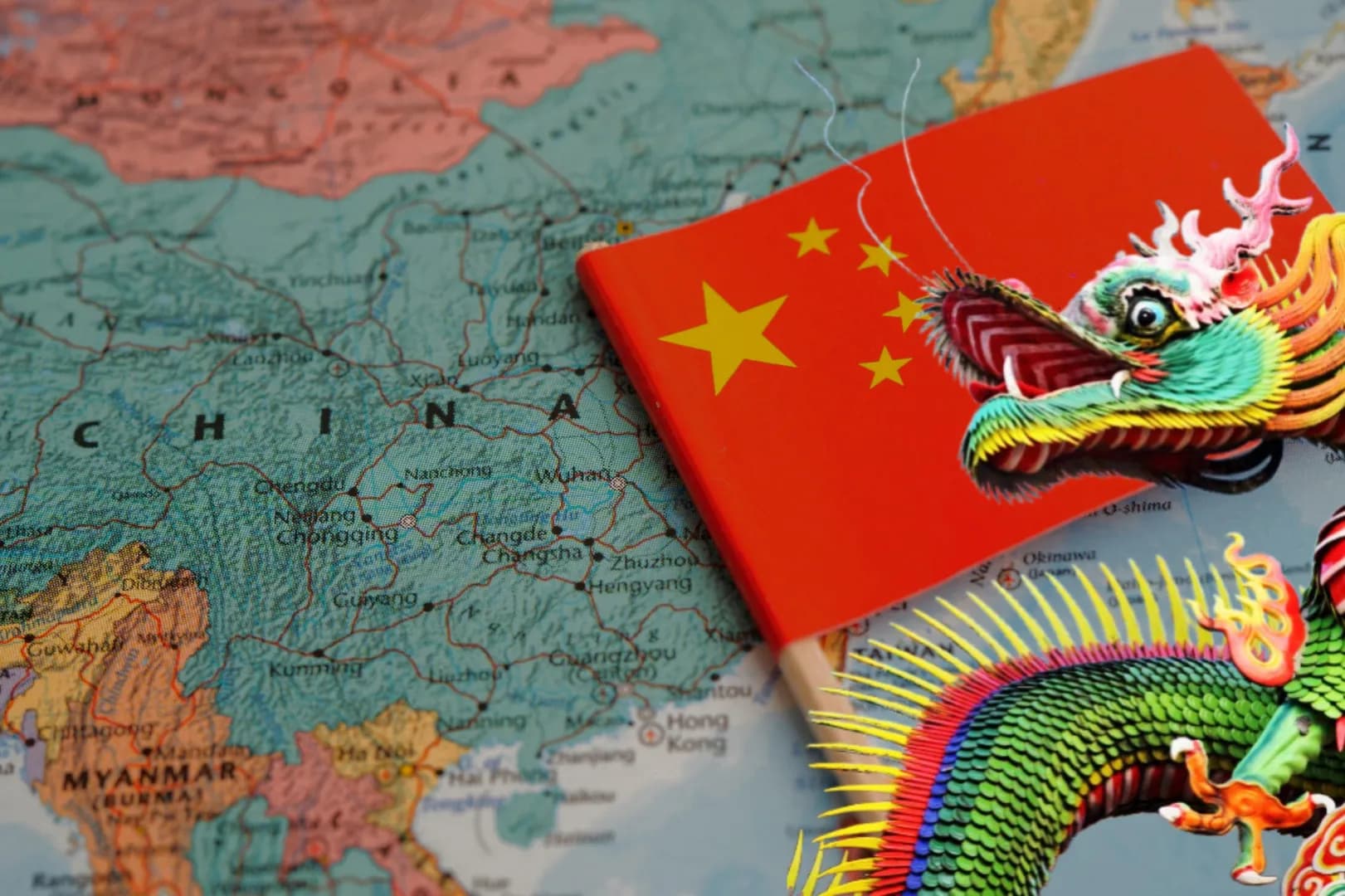
While the world is still debating climate commitments and the pace of transformation, China is taking action on a large scale, decisively and without compromise. It is demonstrating that sustainability is not a luxury for developed countries, but the foundation for growth, security, and international cooperation.
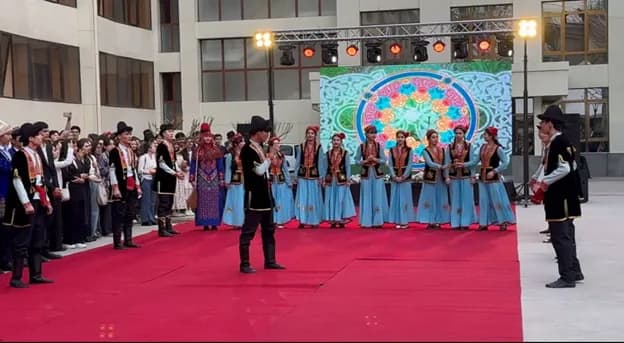
Karakalpak literature is a mirror and a flame. It remembers what history forgets. It sings when voices are silenced. From Berdaq’s battle cries to Toleubike’s tears, from the zhyrau’s ballads to the whispers of modern poets, Karakalpak cultural expression is not merely survival—it is resistance, identity, and beauty distilled through centuries.
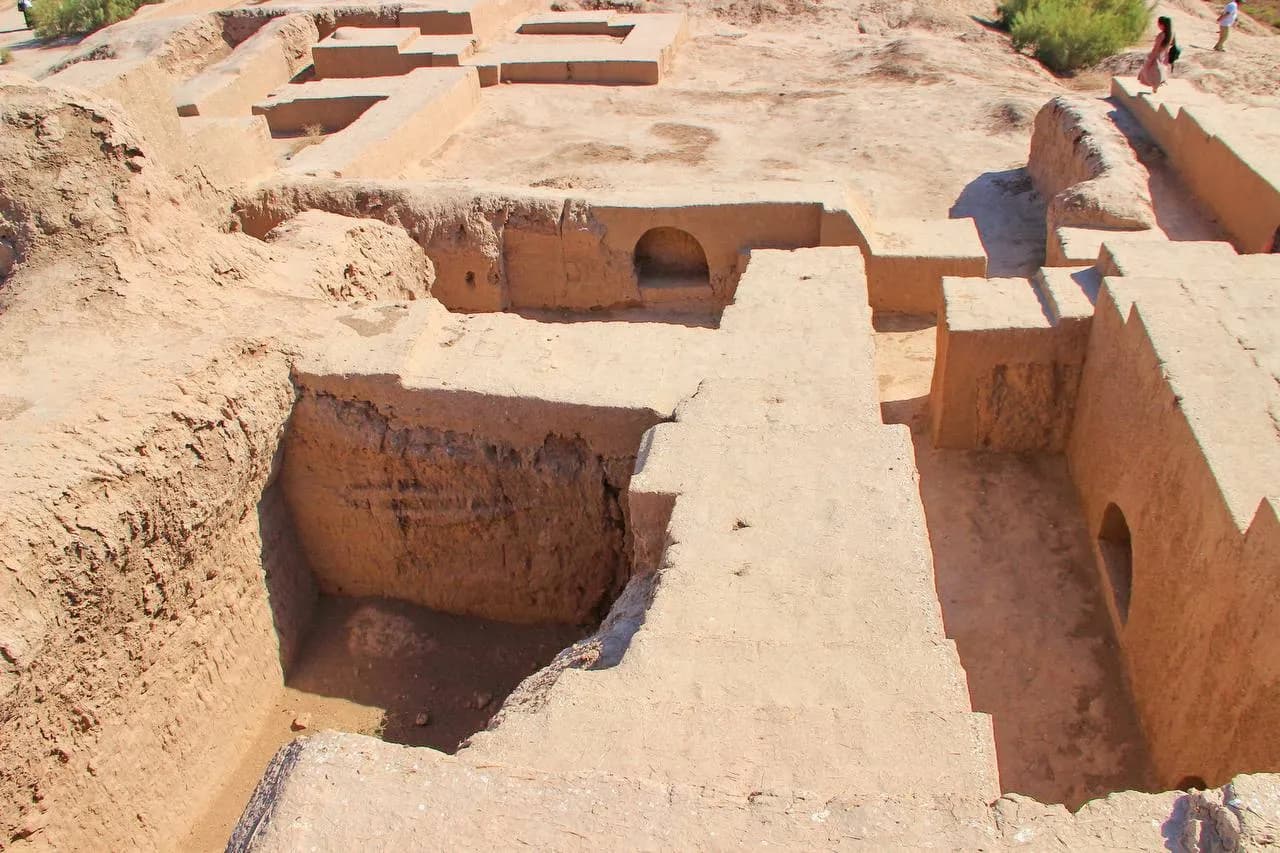
Why should we visit Guldursun-Kala in Karakalpakstan, Uzbekistan? Hidden in the windswept plains just 9 kilometers north of Turtkul lies a forgotten titan of history — the awe-inspiring fortress of Guldursun-Kala.
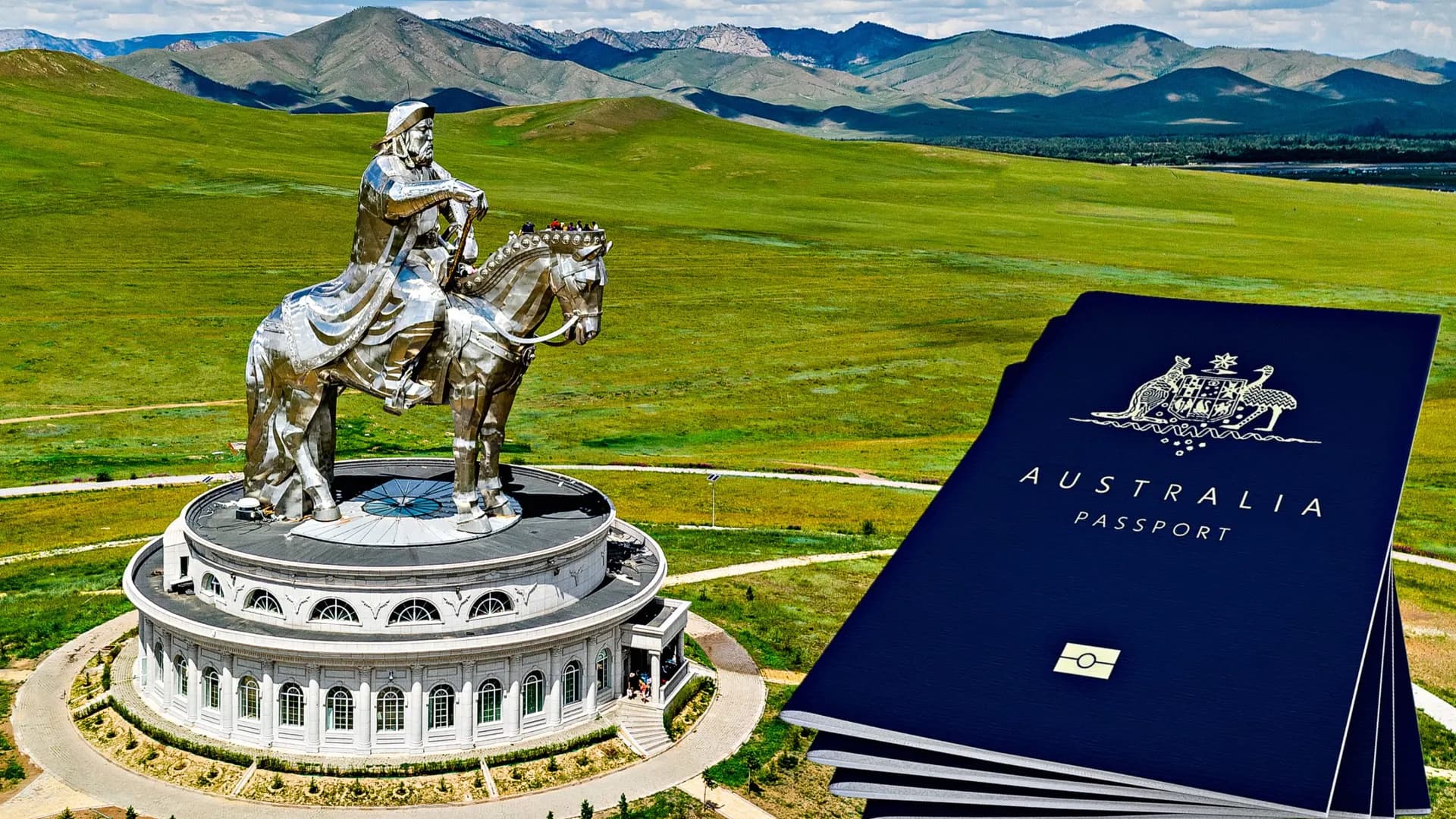
The demand among Australians for Mongolia and Central Asia in 2025 is not a “temporary hype” but a manifestation of a deeper trend: “meaningful” and less dense travel, supported by institutional actions of operators and the general normalization of outbound tourism.
The first Bukhara Biennale of Contemporary Art – “Recipes for Broken Hearts” held in 2025 became one of Uzbekistan’s most significant cultural achievements. It served as an interdisciplinary platform blending art, architecture, gastronomy, music, and poetry. Hosted at UNESCO-listed historical landmarks, the Biennale transformed Bukhara into a living museum, where ancient heritage and contemporary creativity coexisted. Inspired by Avicenna’s legendary “healing recipe,” the theme symbolized both personal and collective recovery. Artists from diverse nations united ecological, spiritual, and emotional dimensions through their works—turning art into a universal language of healing, memory, and public diplomacy.