China’s Eco Path to Global Sustainability
While the world is still debating climate commitments and the pace of transformation, China is taking action on a large scale, decisively and without compromise. It is demonstrating that sustainability is not a luxury for developed countries, but the foundation for growth, security, and international cooperation.
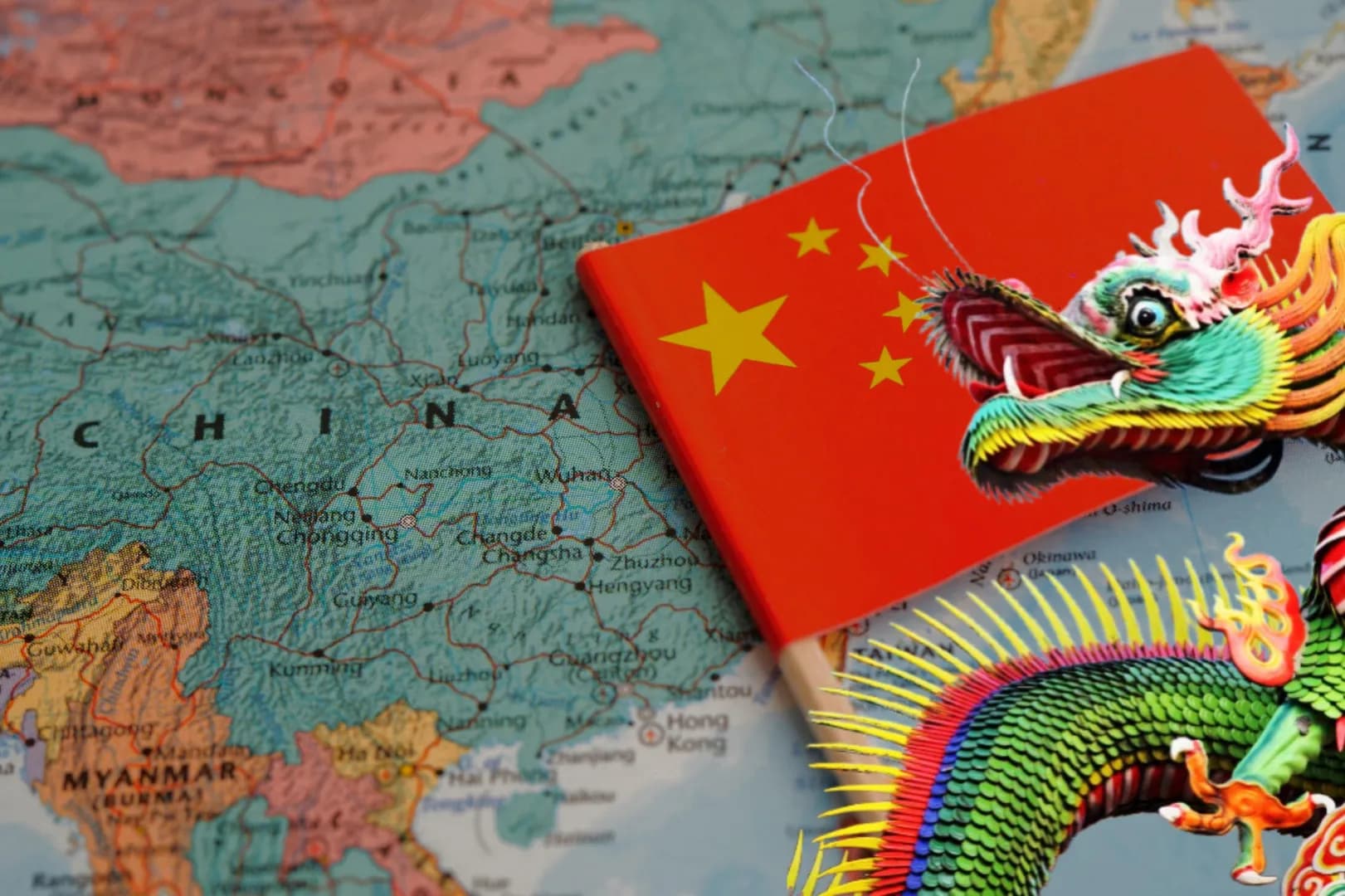
Green Dragon Rising: How China’s Ecological Civilization Is Shaping Global Sustainability
China, long considered the “world’s factory,” has had a dramatic impact on the environment. It is now actively transforming itself into a global leader in sustainable development. Its concept of ecological civilization, established in 2005, represents a systemic model of development based on harmony between nature and economic growth. This model, embodied in infrastructure, technology, and investment, has become a key element of Beijing’s global strategy — from the Belt and Road Initiative to the Global Development Initiative. China is not merely undertaking economic reforms; it is actively promoting an alternative development model tailored for countries of the Global South, including those in Central Asia. This model emphasizes the deployment of renewable energy, the advancement of green technologies, and the construction of digital infrastructure designed to meet specific local requirements
The concept of ecological civilization (生态文明) is not just a slogan, but a key ideology deeply embedded in modern Chinese politics. Chinese ecological civilization is based on traditional thinking, where harmony between man and nature is one of the basic values.
• Confucianism, especially in the teachings of Mencius (孟子), emphasizes the idea of “unity between heaven and man” (天人合一).
• Taoism (for example, in Laozi’s “Dao De Jing”) asserts that the best way to live is to follow nature (顺其自然). In 2012, at the 18th National Congress of the Communist Party of China, the term “ecological civilization” was included in the Constitution of the People’s Republic of China for the first time as one of the priorities in the country’s development. Later, in 2018, a special Commission for the Construction of Ecological Civilization was established, reporting directly to the Central Committee of the Communist Party of China. In the 13th Five-Year Plan (2016–2020), an entire section was devoted to the construction of ecological civilization for the first time. Key measures:
• Reducing CO₂ emissions by 18%
• Energy reform (increasing the share of renewable sources)
ecological transformation of China:
• Carbon Peaking and Carbon Neutrality Policy (双碳目标) — the goal is to reach peak CO₂ by 2030 and carbon neutrality by 2060.
• Large-scale inve• Improving air and water quality. China has launched national projects for stments in solar and wind energy.
• Development of “smart” green cities (such as Shenzhen and Jinan).
•Sustainable agriculture (ecological farming, erosion control).
This, in turn, is clear evidence that enormous strides have been made in protecting the environment and ensuring its sustainability. So many projects have been organized that a positive outcome will not be long in coming.
The clean energy sector includes the production and installation of solar panels, wind turbines, battery systems, and infrastructure construction, and China is the world leader in this field. In 2024, growth in the clean energy sector accounted for 26% of the country’s total GDP growth, which is associated with experts in solar panels, batteries, and electric buses, as well as additional domestic investments. In addition to this, China has invested a whopping $290 billion in an international energy transition project in 2024, surpassing the US by almost three times. Through the Green Silk Road as part of the BRI, China has invested in renewable energy in Pakistan, Indonesia, Brazil, and other countries.
China is turning the environmental agenda into a tool of “green diplomacy” — a concept that will dominate the 21st century. In the context of climate crises and global inequality, access to technology, infrastructure, and investment will determine the new architecture of international relations, and Beijing is already laying the foundation for it.
In conclusion, While the world is still debating climate commitments and the pace of transformation, China is taking action on a large scale, decisively and without compromise. It is demonstrating that sustainability is not a luxury for developed countries, but the foundation for growth, security, and international cooperation.
Sources of information and literature
1. CarbonBrief: Clean energy contributed 10% of China’s GDP in 2024 (https://www.carbonbrief.org/analysis-clean-energy-contributed-a-record-10-of-chinas-gdp-in-2024/)
2. AA Energy: China to surpass 50% of global solar capacity in 2025 (https://www.aa.com.tr/en/energy/solar/china-set-to-surpass-50-of-global-solar-capacity-in-2025/48734)
3. Power Technology: China’s solar and wind exceed 26% of generation (https://www.power-technology.com/news/china-clean-energy-april-2025/)
4. FT: China’s cleantech boom fuels its climate confidence (https://www.ft.com/content/4ccf255b-1180-42d2-8496-84773f0418d2)
5. Statista: Global investment in renewable power (https://www.statista.com/chart/34682/global-investment-in-renewable-power-and-fuels/)
6. Wikipedia: Belt and Road Initiative — Renewable Energy Projects (https://en.wikipedia.org/wiki/Belt_and_Road_Initiative)
7. China’s 13th Five-Year Plan (2016–2020 (https://en.ndrc.gov.cn/newsrelease_8232/201612/t20161207_1193875.html))
8. OECD (2018). Environmental Performance Review: China.
9. Zhang, Jinhai. (2018). “Confucian Ecological Thought and Ecological Civilization Construction.” Journal of Chinese Philosophy.
Aydana Xiyatova
Contributing writer at EUReflect.
Follow EUReflect
See more of our reporting on Google
Mark EUReflect as a preferred source and our stories are ranked higher for you in Top Stories, Discover and Google News — and carry a “preferred” badge when they are cited in AI results.
Add EUReflect as a preferred source