Ethnomediation in Kazakhstan: Key Results
The Republican Forum confirmed the growing institutionalization of ethnomediation in Kazakhstan through expanded regional activities, professional standards, digital tools, and a nationwide network of 330 ethnomediators, strengthening social cohesion and interethnic harmony.
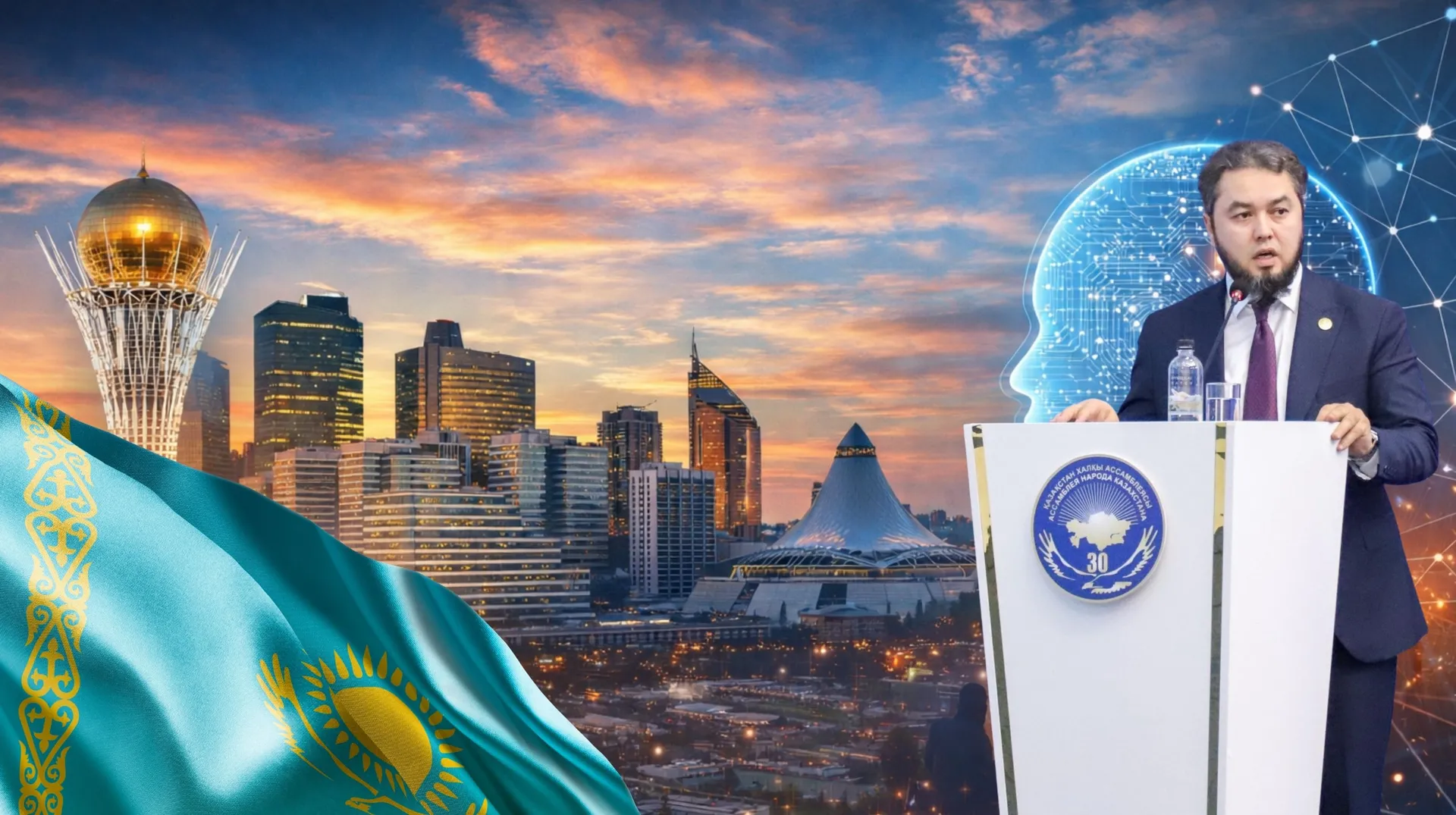
Dear colleagues and friends,
I participated in the Republican Forum reviewing the 2025 outcomes of the Assembly of the People of Kazakhstan (APK) and delivered a presentation on the activities of the Republican Council of Ethnomediation.
The Forum brought together representatives from all regions of the country, ethnocultural associations, and public structures of the APK, providing a comprehensive platform to discuss the key results achieved throughout the year.
In my presentation, I outlined the development of the institution of ethnomediation and the work being carried out within the framework of the instructions given by President Kassym-Jomart Tokayev at the XXXIV Session of the Assembly.
First, within the framework of the “Eldesu and Tatulasu (Meeting and Reconciliation)” project, more than 25 information and outreach events, focus-group meetings, and training seminars were organized this year in the Akmola, Kostanay, North Kazakhstan, Turkistan, and Zhambyl regions. These activities were implemented with the participation of regional administrations, government bodies, educational institutions, ethnocultural associations, and non-governmental organizations.
Second, the first Republican Forum of Ethnomediators was held in Aktau, bringing together more than 120 specialists from 20 regions, who exchanged experiences and discussed practical pathways for the further development of ethnomediation.
Third, a number of new institutional tools were developed to enhance the effectiveness of ethnomediators, including:
an operational algorithm for ethnomediators,
a draft of professional standards,
performance evaluation indicators, and
the digitalization of ethnomediation, including the development of an AI-based ethnomediator assistant.
At present, 330 ethnomediators are registered in the three-tier national registry:
54 experts at the republican level,
84 specialists at the regional level, and
192 active practitioners at the local level.
In addition, within the framework of the “APK Academy,” a practice-oriented training module was organized for regional councils and coordinators, enabling 35 participants to upgrade their professional competencies.
With the support of the Mangystau Regional Administration, the first issue of the journal “Ethnomediation” was published, featuring analytical articles on the development of the ethnomediation institution in Kazakhstan.
To study international best practices, APK ethnomediators conducted working visits to Baku (Azerbaijan) and Tashkent (Uzbekistan).
The Ministry of Culture and Information has officially recognized ethnomediation as the most systematically organized field of mediation in Kazakhstan.
This work will continue in the coming period. I would like to express my sincere gratitude to all regional administrations for their continued support in advancing the institution of ethnomediation.
Sherzod Pulatov
Contributing writer at EUReflect.