EU Ban Pushes Russian Gas Toward China
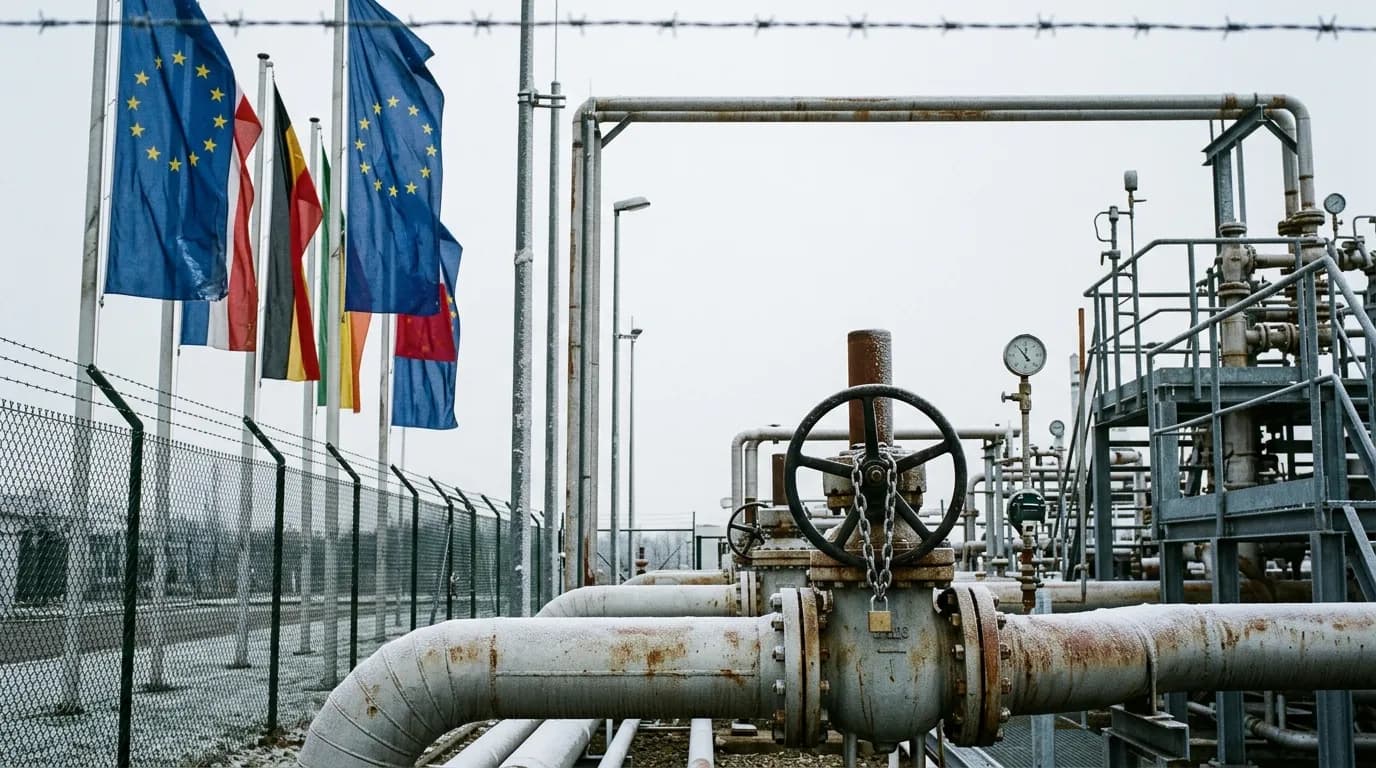
Following the European Union’s 2027 ban on Russian liquefied natural gas, Moscow plans to redirect its LNG exports toward Asian markets, primarily China. While this shift helps Russia preserve short-term revenue, it deepens its structural dependence on Beijing’s import infrastructure and financing network. Experts warn that China’s growing control over logistics and pricing could transform Russia from an energy superpower into a junior partner within the Sino-Russian energy axis, reshaping the geopolitical balance of global gas markets.
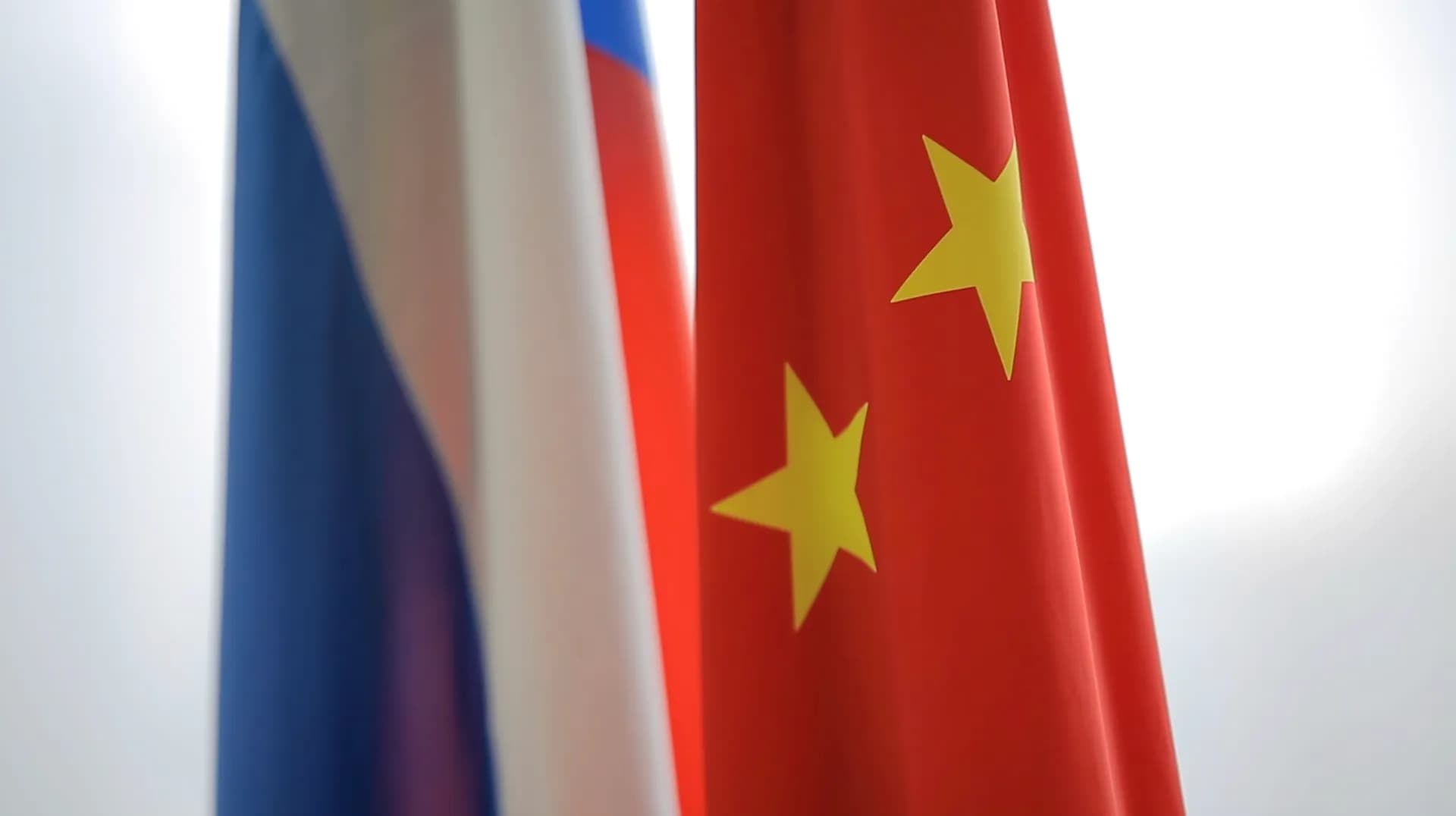
Russia’s liquefied natural gas (LNG) output will find new destinations after the European Union’s import ban takes effect in 2027, according to Leonid Mikhelson, CEO of Novatek PJSC, the country’s largest LNG producer.
Speaking at the Verona Eurasian Economic Forum in Istanbul, Mikhelson stated that “Russia currently accounts for more than 10% of global LNG production,” and that EU-restricted volumes “will simply go to other markets.” He insisted that it is “impossible to exclude Russian LNG from the global gas balance.”
Europe’s Exit and Global Market Shift
The European Union’s decision to phase out Russian LNG imports aims to limit Moscow’s ability to finance its war against Ukraine. Yet, Mikhelson warned that the move would “trigger unprecedented price hikes” and that “European consumers will ultimately pay the price.”
Since 2022, Europe has diversified away from Russian pipeline gas toward LNG imports from the U.S., Qatar, and Nigeria, sharply reducing Gazprom’s dominance. However, the continent now faces fierce competition for LNG cargoes — particularly from Asian buyers, which are expanding their long-term contracts to secure supplies before a forecasted global glut in 2027.
In this shifting landscape, Russia’s pivot toward Asia, especially China, appears inevitable. But analysts warn that while this redirection preserves short-term revenues, it risks making Russia structurally dependent on Chinese demand and logistics infrastructure.
Sanctions and the Chinese Lifeline
Although Novatek itself is not directly sanctioned by the U.S., all its future projects — including Arctic LNG 2 — are on Washington’s blacklist.
Nevertheless, a critical development came in August, when China’s Beihai LNG terminal in Guangxi province began receiving sanctioned cargoes from the Arctic LNG 2 project. According to ship-tracking data compiled by Bloomberg, the terminal has accepted 12 shipments since late August, with more en route across the South China Sea.
Beijing’s willingness to handle these cargoes has provided Moscow with a strategic export corridor at a time when traditional markets — Europe and Japan — are closing their doors.
However, this also grants China a powerful leverage position: as Russia’s energy exports become increasingly dependent on Chinese terminals, logistics, and financing, Beijing gains pricing and strategic influence over the Russian gas sector.
Structural Dependence and Bargaining Asymmetry
Energy economists note that this dynamic may reshape the balance of power between Moscow and Beijing.
Russia, once Europe’s dominant gas supplier, now risks becoming a junior partner in the Sino-Russian energy axis. Unlike the EU market — characterized by transparent pricing and diversified buyers — China negotiates bilateral, long-term contracts that heavily favor its own state firms.
In essence, while Russia can reroute its LNG to Asia, it does so under less favorable terms.
China’s growing control over port infrastructure, storage capacity, and LNG regasification facilities grants it the ability to dictate prices and delivery conditions.
Moreover, China is also investing in joint Arctic infrastructure projects, giving it partial control over future Russian export capacity — a subtle but profound shift in the geopolitical order of global gas markets.
Global LNG Balance and Strategic Outlook
By 2050, the world will need an additional 300 million tons of LNG annually, Mikhelson said, noting that only Qatar, the United States, and Russia have sufficient reserves to meet this demand.
Qatar plans to expand its annual capacity by 50 million tons, while the U.S. could increase production by around 100 million tons. “It’s impossible to meet future demand growth without Arctic reserves, and most of them are in Russia,” Mikhelson concluded.
Yet, while this projection highlights Russia’s natural resource strength, it masks an emerging geopolitical asymmetry: Russia holds the gas, but China increasingly controls the gate through which that gas reaches global markets.
This dependence could constrain Moscow’s strategic autonomy — particularly in negotiations involving pricing, currency settlement, and technology transfers.
EU and U.S. Strategy: Containment Through Diversification
For Brussels and Washington, the strategy behind the LNG ban and energy sanctions is twofold:
Reduce Europe’s structural vulnerability to Russian energy leverage, and
Limit Moscow’s global financing capacity by disrupting its export logistics.
However, this also indirectly accelerates Russia’s eastward integration into China’s economic sphere. Analysts describe this as a “reversal of interdependence”: where once Europe relied on Russian gas, Russia may soon rely on Chinese demand to sustain its LNG industry.
This outcome reinforces Beijing’s long-term objective — transforming China into the primary hub of Eurasian energy flows, from Siberia to the Indian Ocean.
New Markets, New Dependencies
While Novatek’s optimism about finding new LNG markets may hold true in the short term, the long-term implications are more complex.
Russia’s shift from Europe to Asia does not eliminate dependency — it relocates it.
China’s logistical support, financial backing, and market access now form the backbone of Russia’s LNG export strategy, giving Beijing a decisive say in Moscow’s energy future.
In geopolitical terms, this transition signifies a strategic inversion: the world’s largest resource power increasingly relies on its largest customer for survival.
For Russia, the challenge will be to maintain autonomy while navigating a relationship where energy flows east, but power flows south — toward Beijing.
https://energynow.com/2025/10/russian-lng-will-find-new-markets-after-eu-ban-novatek-ceo-says/

İsmail Polat
Ph. D. in International Relations
Follow EUReflect
See more of our reporting on Google
Mark EUReflect as a preferred source and our stories are ranked higher for you in Top Stories, Discover and Google News — and carry a “preferred” badge when they are cited in AI results.
Add EUReflect as a preferred source