From People to Industry: How President Mirziyoyev Is Shaping the Future of New Uzbekistan
The official visit to Japan clearly demonstrated President Shavkat Mirziyoyev’s political character, governance style, and strategic vision. This trip was not only about diplomacy—it showed how and where he intends to lead New Uzbekistan, with clarity and determination.
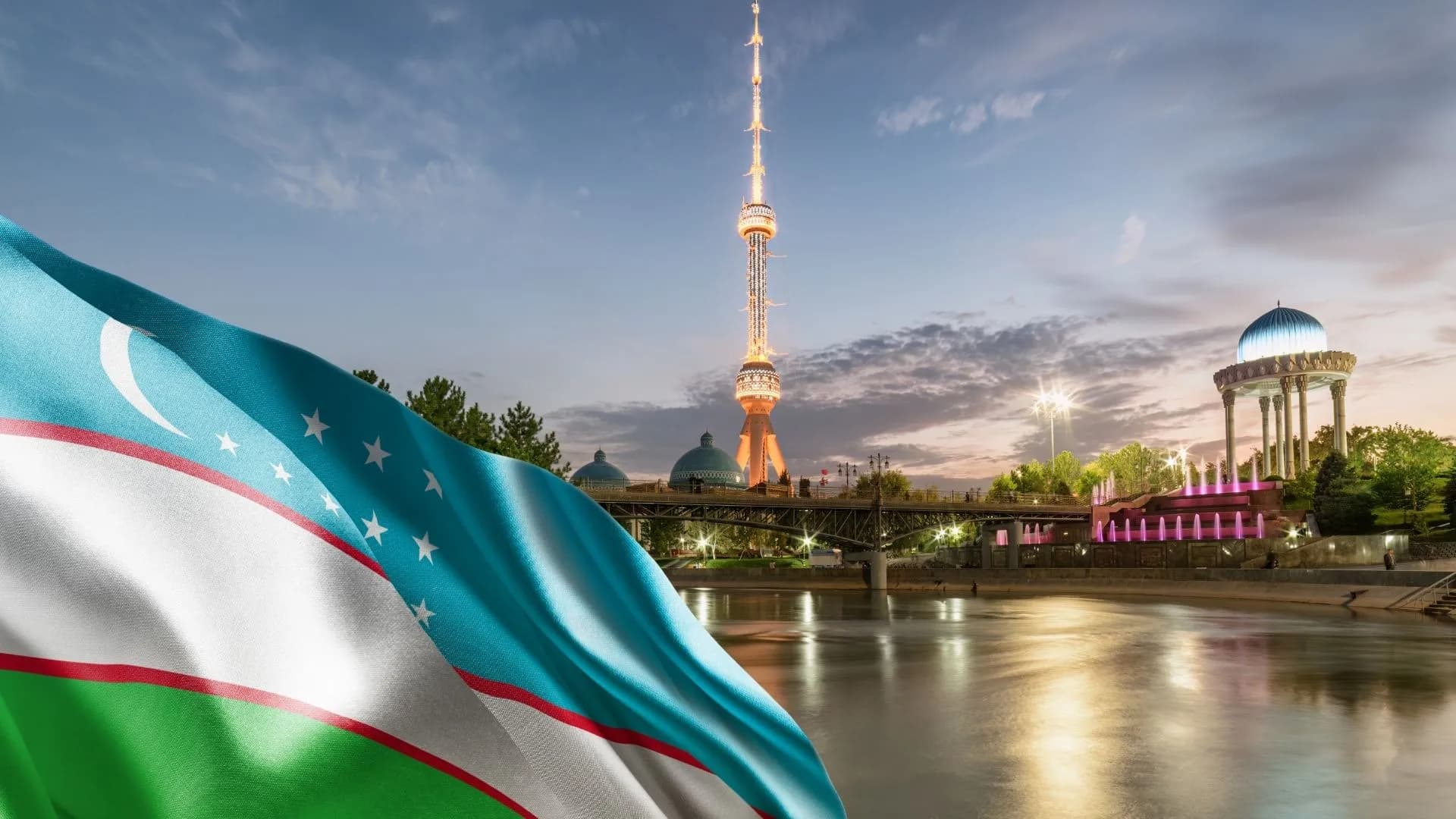
The visit beginning with a meeting with Uzbek citizens living, working, and studying in Japan reflects a principle deeply associated with President Mirziyoyev: state policy starts with people. For him, labor migrants and students abroad are not a social burden, but a national strength and an intellectual reserve. The knowledge and experience they gain overseas are viewed as strategic investments that will serve the country’s future. This approach once again confirms that human dignity and real life concerns remain at the center of his political agenda.
The economic component of the visit clearly articulated President Mirziyoyev’s development model. Japan is not seen merely as a source of capital, but as a strategic partner in building Uzbekistan’s future industrial base. The focus was not on attracting money alone, but on technology transfer, joint production, workforce development, and the creation of full value-added chains. This signals Uzbekistan’s firm decision to move away from a raw-material export model toward a modern, industrialized, high-tech economy.
Priority areas identified during the visit included energy, the green economy, decarbonization, deep processing of critical minerals, mechanical engineering, digitalization, and artificial intelligence. These choices are not accidental; they reflect a clear strategy through 2030, emphasizing long-term sustainable growth over short-term gains.
Special attention was given to cooperation in critical mineral resources. Central Asia holds 39% of global manganese reserves, 31% of chromium, 20% of lead, 13% of zinc, and 9% of titanium. For Japan, this offers diversification of supply chains; for Uzbekistan, it creates an opportunity to develop deep processing and advanced industrial capacity. According to open sources, Japan imported USD 340 million worth of rare metals in 2024 alone, making technology-driven cooperation with the region mutually beneficial.
The expansion of cooperation with leading financial institutions such as JBIC and JICA further underscores the high level of international trust in Uzbekistan’s reform path. The implementation of multi-billion-dollar projects with these institutions confirms that reforms are not rhetoric, but producing tangible results. For domestic audiences, this serves as a clear message: the chosen course is working.
Overall, the Tokyo visit once again revealed the essence of President Shavkat Mirziyoyev’s policy—openness, trust, responsibility, and forward-looking planning. Uzbekistan is not pursuing hidden agendas or quick fixes; it is committed to a development model based on partnership, technology, and human capital. In simple terms, this visit was not a collection of agreements, but a strong political statement about what New Uzbekistan is becoming and where it is heading.
Nurmamatov Nurmuhammad
Contributing writer at EUReflect.
Follow EUReflect
See more of our reporting on Google
Mark EUReflect as a preferred source and our stories are ranked higher for you in Top Stories, Discover and Google News — and carry a “preferred” badge when they are cited in AI results.
Add EUReflect as a preferred source