From Steppe Diplomacy to Global Balance: Tokayev on Law and Power
At the CICA headquarters inauguration, President Tokayev linked Kazakhstan’s “Steppe Diplomacy” to global challenges, warning that power is increasingly placed above law. He called for renewed respect for international norms and the UN Charter.
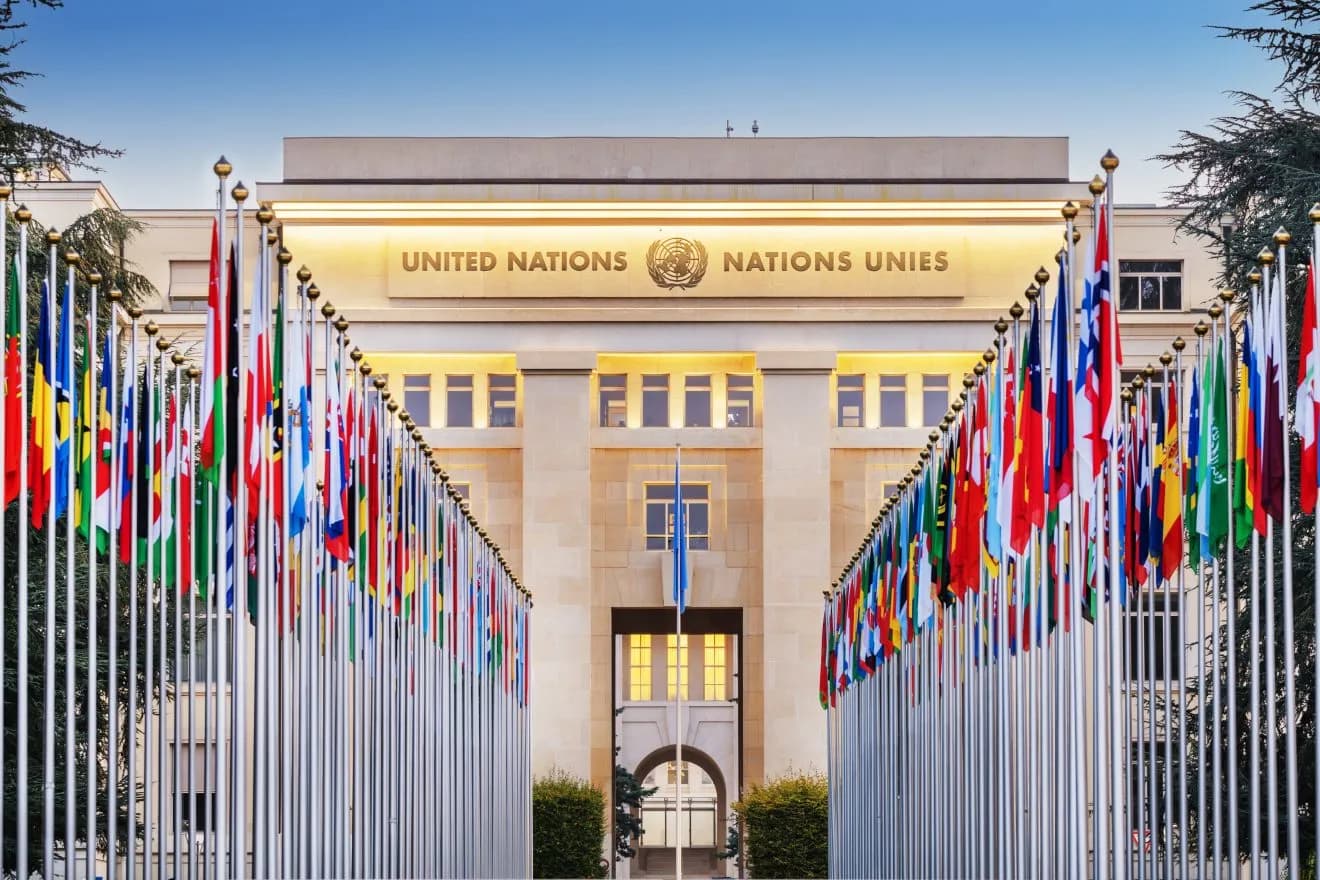
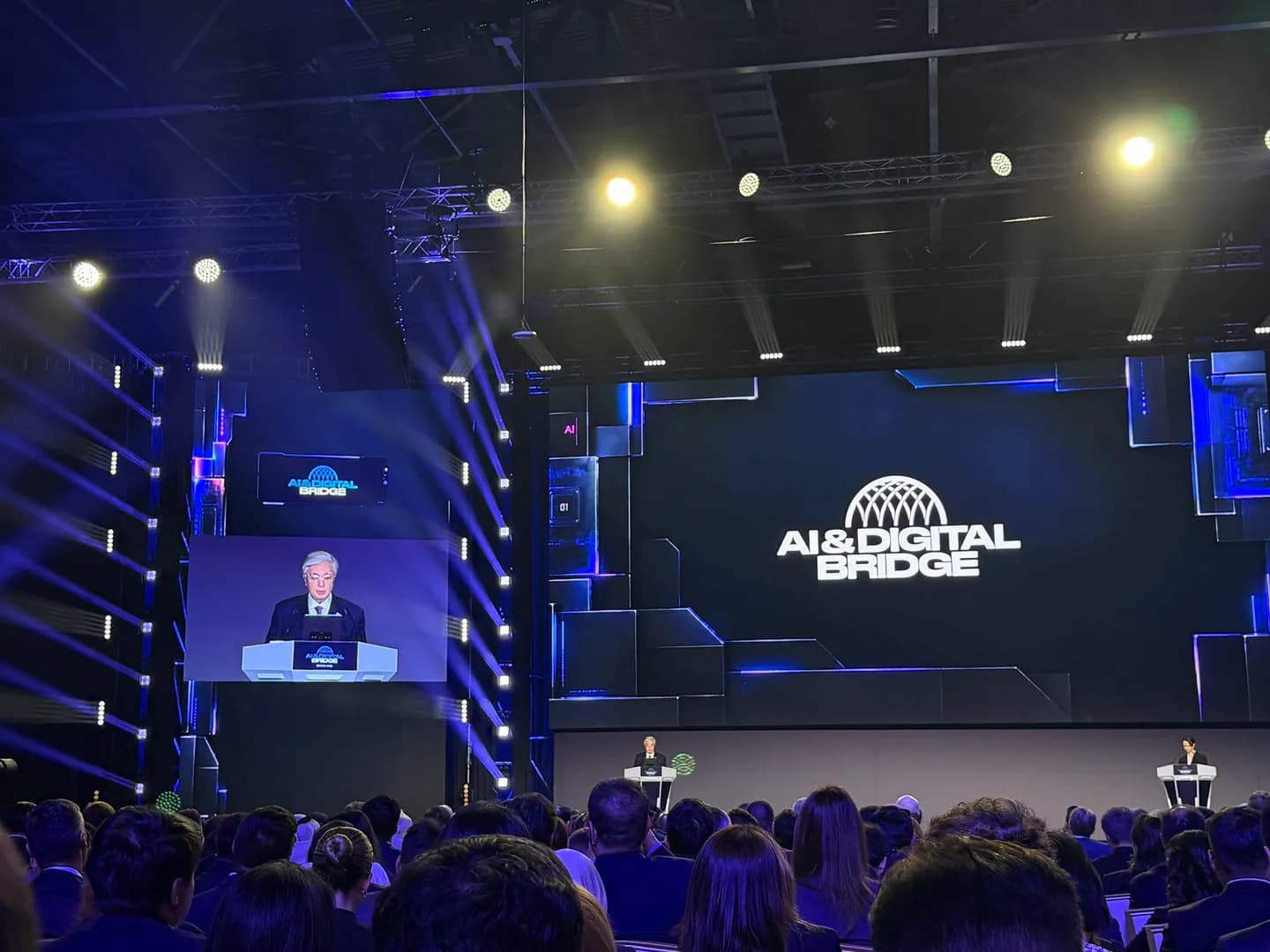
During the inauguration ceremony of the headquarters of the Conference on Interaction and Confidence-Building Measures in Asia (CICA), President of Kazakhstan Kassym-Jomart Tokayev delivered a speech in which he articulated a compelling message linking Kazakhstan’s diplomatic heritage, rising global geopolitical tensions, and the erosion of international legal norms. Tokayev’s address served as a strong warning, rooted in the tradition of “Steppe Diplomacy”, against the growing global trend of placing raw power above the rule of law.[1] Opening his remarks by congratulating the professionals and veterans of Kazakhstan’s diplomatic service, Tokayev emphasized the historical foundations of Kazakh diplomacy based on peace, respect, and mutual understanding:
“Our ancestors cultivated an approach of open and friendly dialogue, creating a unique model of peaceful coexistence in the Great Steppe. This cultural heritage continues to serve as the guiding compass of Kazakhstan’s foreign policy.”
Tokayev also highlighted the establishment of CICA as a direct outcome of this diplomatic vision. Initiated by Kazakhstan three decades ago, the platform now encompasses nearly 90% of the Asian continent and represents more than half of the world’s population, serving as a vital pillar of regional security and cooperation.
The most striking portion of Tokayev’s speech, however, focused on his critical assessment of the current global trajectory. He warned that the fundamental principles of international law are increasingly being undermined, as certain actors prioritize power over legal norms:
“The world is confronted with extraordinarily complex and unprecedented processes. Unfortunately, the foundations of international law are being eroded. Power is being placed above legal principles. This trajectory poses a serious threat not only to regional but also to global stability.”
In response to this alarming trend, Tokayev urged all states to adhere strictly and impartially to international law and the United Nations Charter. Stressing that “legal norms valid for all are the cornerstone of the global order,” he recalled that Kazakhstan has upheld these principles domestically through comprehensive reforms. Measures such as the liberalization of peaceful assembly laws, lowering the threshold for political party registration, the decriminalization of defamation, and the abolition of the death penalty, he argued, demonstrate Kazakhstan’s firm commitment to the rule of law and democratic values.
Tokayev’s message resonates beyond Kazakhstan, forming part of a broader vision for the future of the Eurasian continent: a call for restoring the centrality of law amidst the chaos of global power rivalries, echoing from the Steppe to the international stage.
[1] Токаев о геополитической напряженности: Сила ставится выше принципов закона, https://www.zakon.kz/politika/6482931-tokaev-o-geopoliticheskoy-napryazhennosti-sila-stavitsya-vyshe-printsipov-zakona.html
Botakoz Unbayeva
Contributing writer at EUReflect.
Follow EUReflect
See more of our reporting on Google
Mark EUReflect as a preferred source and our stories are ranked higher for you in Top Stories, Discover and Google News — and carry a “preferred” badge when they are cited in AI results.
Add EUReflect as a preferred source