Iran Rewrites Its Foreign Policy
The 2026 war with the U.S. and Israel has forced Tehran to shift from proxy-based deterrence to direct threats against regional U.S. assets, according to Foreign Minister Abbas Araqchi.
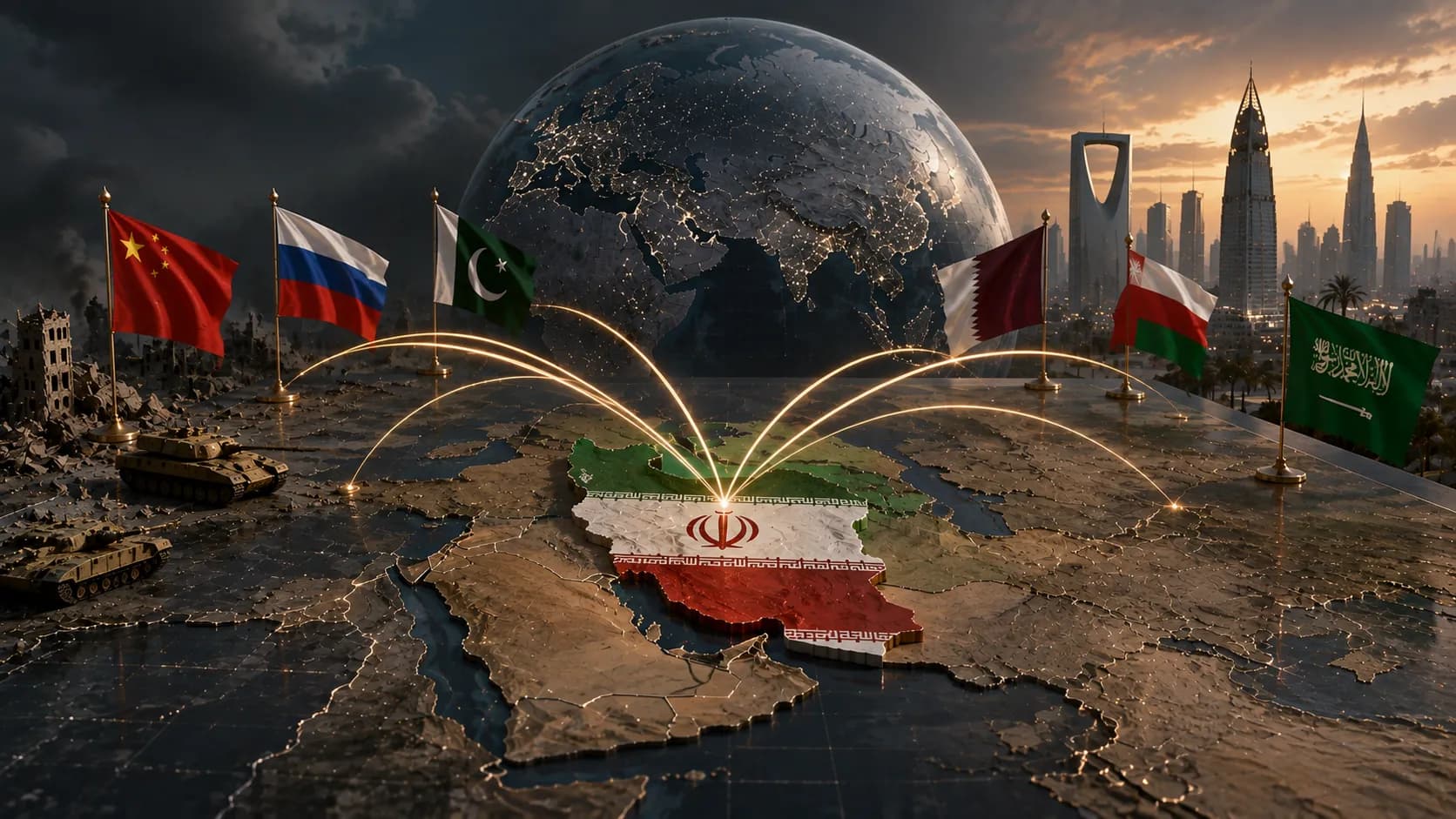
Iran is entering a new phase of foreign policy after the 2026 war with the United States and Israel fundamentally altered Tehran's security calculations, regional relationships and approach to diplomacy.
The conflict that began with U.S.-Israeli strikes on February 28 has weakened the assumptions that shaped Iranian strategy for decades. Although large-scale fighting was interrupted by a Pakistan-mediated framework in June, a durable political settlement has still not been reached. Disputes over sanctions, Iran's nuclear program and the Strait of Hormuz remain unresolved.
Iranian Foreign Minister Abbas Araqchi has openly argued that the country's post-war foreign policy will be different from its pre-war diplomacy.
The emerging strategy appears to rest on three principles: stronger deterrence, greater reliance on regional diplomacy and deeper economic relations with countries willing to resist Western sanctions.
From Proxy Deterrence to Direct Deterrence
For decades, Iran attempted to keep many of its confrontations away from Iranian territory.
Relations with Hezbollah, the Houthis and other armed groups provided Tehran with a network through which it could pressure adversaries while reducing the likelihood of direct attacks on Iran itself.
The 2026 war challenged that model.
Once Iran itself became the battlefield, Tehran increasingly demonstrated that it was prepared to respond directly against U.S. military assets and regional infrastructure.
Araqchi has said Iran warned governments during the conflict that U.S. bases located in countries participating in attacks against Iran could become targets.
The implication is important.
Iran's future deterrence strategy may depend less exclusively on creating strategic depth through allied organizations and more on convincing neighboring states that their own security depends on preventing their territory from being used against Iran.
Gulf Diplomacy Becomes More Important
This creates an unusual combination of threats and diplomacy.
Iran has warned Saudi Arabia, Qatar, Türkiye, Pakistan and other regional governments that another U.S. attack could trigger wider retaliation. At the same time, Tehran has encouraged those same governments to pressure Washington toward negotiations.
The Gulf monarchies therefore occupy an increasingly important position in Iranian calculations.
Saudi Arabia, the UAE, Qatar, Kuwait and Bahrain have strong security relationships with Washington, but they also have powerful economic incentives to prevent another regional war.
Recent reporting indicates that several Gulf governments have themselves become frustrated by the continuing confrontation and are pushing for a more predictable diplomatic solution.
For Tehran, this creates an opportunity.
Rather than viewing every Gulf state simply through the framework of U.S.-Iran competition, Iran can attempt to convince its neighbors that regional stability requires an independent relationship with Tehran.
Hormuz Becomes a Diplomatic Weapon
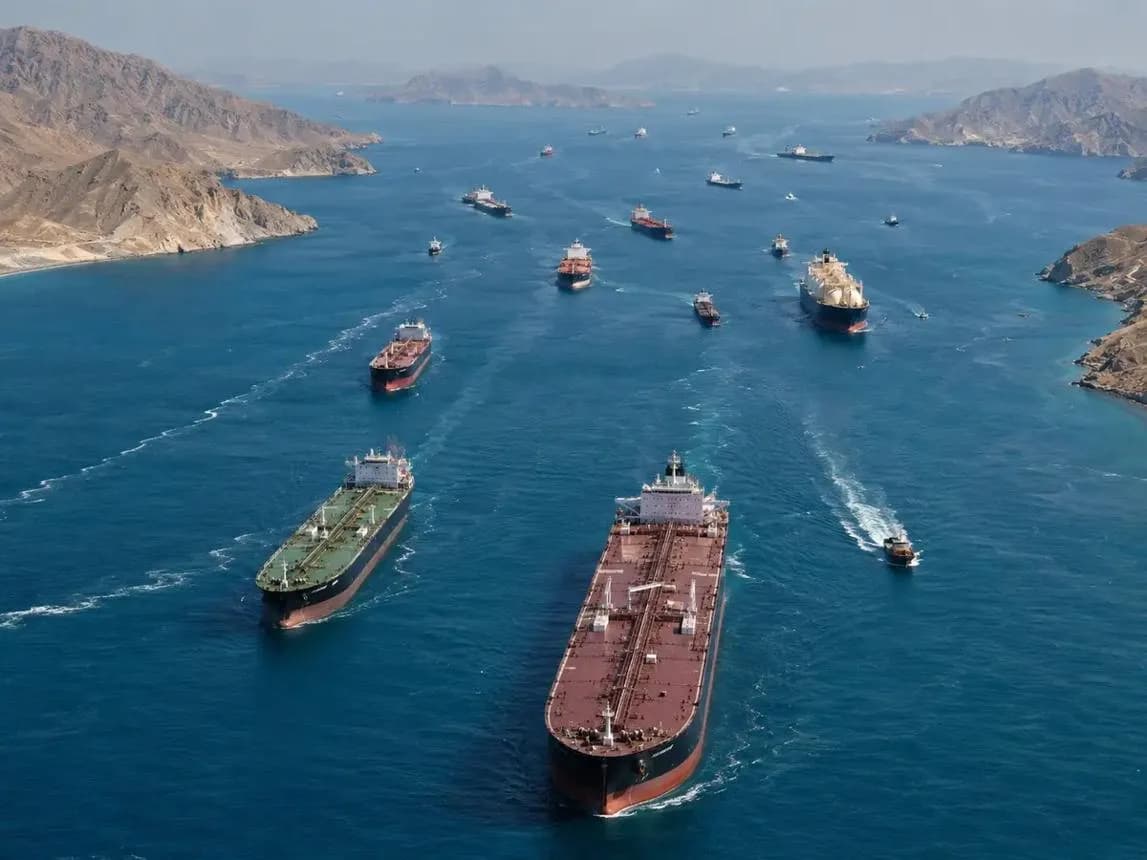
The Strait of Hormuz has become perhaps Iran's most important instrument of post-war leverage.
Before the conflict, roughly one-fifth of globally traded oil passed through the waterway. Months of confrontation have severely disrupted shipping, demonstrating how Iranian military capabilities can transform a regional conflict into an international economic problem.
Iran is now attempting to connect maritime security directly with diplomacy.
Araqchi says Tehran is working separately with Oman on technical arrangements for new shipping routes through Hormuz, while insisting that normal maritime traffic ultimately depends on a broader political agreement with Washington. Qatar and Pakistan have also been transmitting messages between the sides.
This suggests a significant strategic development.
Iran is attempting to transform geography into negotiating power.
Hormuz is no longer merely something Tehran threatens to close. It is increasingly becoming something Tehran wants to negotiate over.
Economic Diplomacy Will Move East
The latest American response is likely to accelerate another long-term Iranian strategy: economic diversification away from the West.
On August 24, Washington dramatically expanded sanctions covering Iranian aviation, digital assets, gold, shipping and technology while adding numerous individuals, companies and vessels to sanctions lists.
Secretary of State Marco Rubio has subsequently told allies that Washington is shifting, at least temporarily, from military strikes toward economic pressure.
For Tehran, this increases the importance of China and other non-Western economic partners.
China has already criticized Washington's new sanctions, arguing that additional pressure will worsen instability.
Iran's response is therefore likely to include stronger efforts to develop trade channels that are less vulnerable to Western financial restrictions.
The result could be a foreign policy that becomes economically more closely connected with Asia while remaining diplomatically active across the Middle East.
Pakistan and Oman Gain New Roles
Another important consequence of the war has been the growing diplomatic importance of middle powers.
Pakistan played an important role in the June ceasefire framework and continues to maintain channels between Washington and Tehran. Pakistan's army chief has also visited Tehran as diplomatic efforts continue.
Oman retains its traditional role as an intermediary but now also has direct strategic importance because it shares the Strait of Hormuz with Iran.
Qatar has similarly participated in indirect communication.
This illustrates a broader transformation in regional diplomacy.
Iran's relationship with the international system is no longer shaped only by negotiations with the United States, Europe, Russia and China.
Regional states themselves are becoming increasingly important diplomatic intermediaries.
Negotiations Are Still Possible
Despite the intensity of the conflict, Tehran has not completely closed the door to negotiations with Washington.
Araqchi said in mid-August that Iran had not yet decided whether to restart formal negotiations, while acknowledging that Qatar and Pakistan were transmitting messages between the parties.
Iran's position therefore appears deliberately ambiguous.
Tehran wants to demonstrate that it cannot be forced into negotiations through military or economic pressure, while simultaneously preserving diplomacy as a possible route toward sanctions relief and stabilization.
This is not necessarily a contradiction.
It represents an attempt to negotiate from what Tehran considers a stronger strategic position.
A More Regional Iran
The most important post-war transformation may ultimately be geographical.
Before the war, much of Iranian foreign policy revolved around confrontation with Washington, support for regional partners and the nuclear dispute with Western governments.
After the war, Iran has stronger reasons to focus directly on its immediate neighborhood.
Saudi Arabia and the Gulf states matter because they host American forces and control major energy infrastructure.
Oman matters because of Hormuz.
Pakistan and Qatar matter as mediators.
China matters economically.
And relations with Russia and other non-Western powers remain important for reducing Tehran's international isolation.
Iran's post-war strategy therefore appears to be moving toward a combination of military deterrence, regional diplomacy, control over strategic geography and economic orientation toward non-Western partners.
The war has not ended Iran's confrontation with the United States.
But it may have changed how Tehran intends to manage that confrontation.
Iran's emerging foreign policy is increasingly based on a simple calculation: if it cannot remove American power from the Middle East, it can try to make regional states more reluctant to participate in it — while building enough diplomatic and economic alternatives to survive continued Western pressure.
Ahmet Balakan
Contributing writer at EUReflect.
Follow EUReflect
See more of our reporting on Google
Mark EUReflect as a preferred source and our stories are ranked higher for you in Top Stories, Discover and Google News — and carry a “preferred” badge when they are cited in AI results.
Add EUReflect as a preferred source