Oil Markets Ease as U.S.–Iran Pause Fuels Diplomatic Hopes
Global oil prices declined after the United States paused its military campaign against Iran and Tehran suspended retaliatory attacks. While investors welcomed signs of de-escalation, uncertainty surrounding the Strait of Hormuz and broader Middle East security continues to influence energy markets.
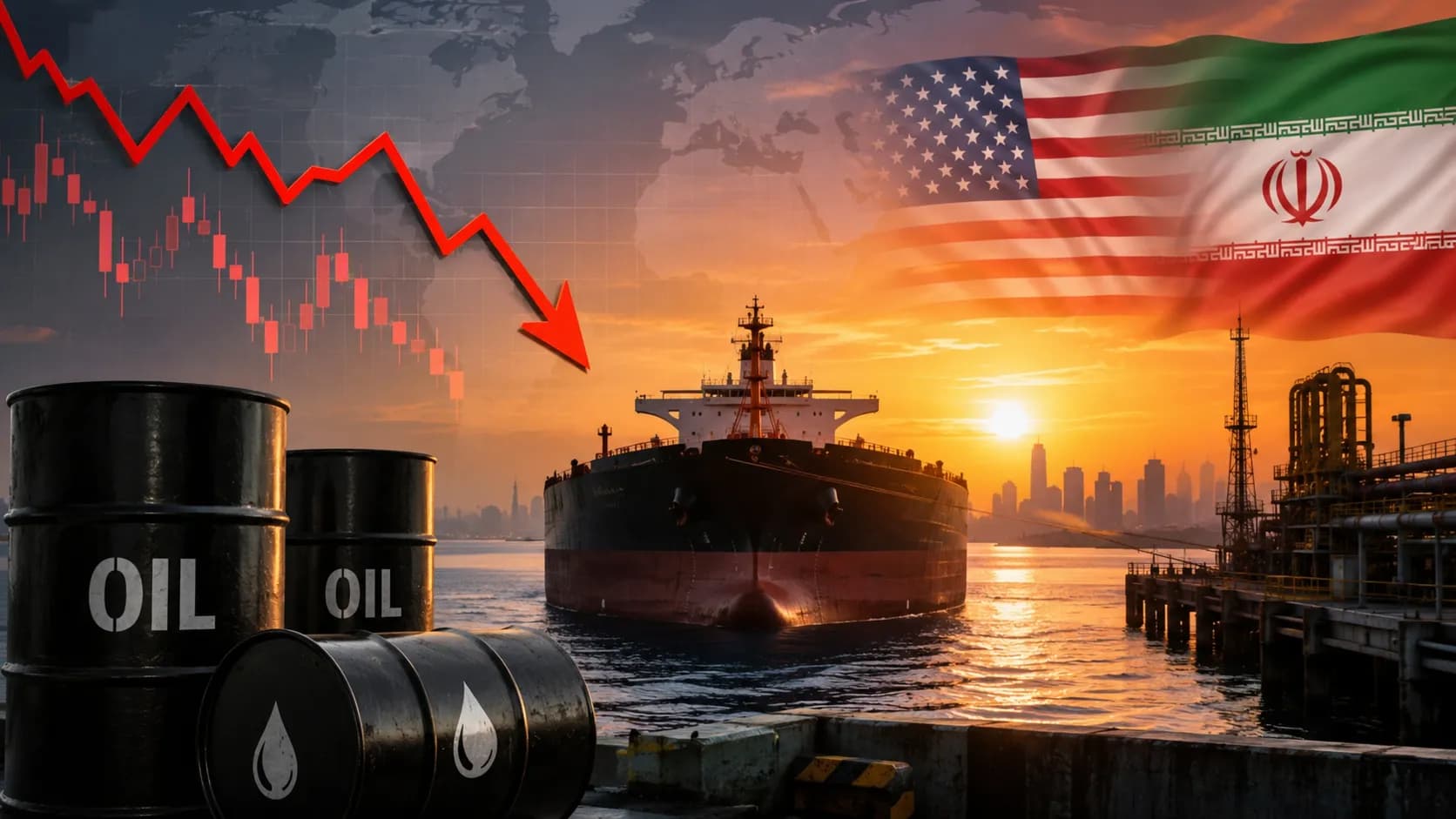
Oil Markets Ease as U.S.–Iran Pause Fuels Diplomatic Hopes
Global oil prices declined as markets responded positively to the temporary de-escalation between the United States and Iran, with investors interpreting the pause in hostilities as a sign that diplomacy may once again take precedence over military confrontation. Although geopolitical risks remain elevated, the latest developments have eased immediate concerns over potential disruptions to global energy supplies.
The market reaction followed President Donald Trump's decision to halt the recent U.S. military campaign against Iran. Tehran subsequently announced that it would suspend its retaliatory attacks for as long as the American pause remains in effect. The reciprocal restraint reduced fears of a broader regional conflict and prompted a sharp decline in crude oil prices.
Diplomatic Signals Calm Energy Markets
For energy markets, geopolitical stability is one of the most significant drivers of price movements. The recent exchange between Washington and Tehran had raised concerns that a prolonged conflict could threaten oil production and transportation routes across the Middle East. However, the temporary suspension of military operations has altered investor expectations.
Market participants increasingly believe that both sides are attempting to prevent a wider conflict while preserving their respective strategic positions. Although no formal diplomatic agreement has been announced, the reduction in military activity has been sufficient to lower the geopolitical risk premium that had recently pushed oil prices higher.
Strait of Hormuz Remains the Critical Variable
Despite the market's positive reaction, uncertainty continues to surround the Strait of Hormuz, one of the world's most strategically important maritime energy corridors. A significant share of global crude oil exports passes through the narrow waterway each day, making any security concern in the region capable of affecting international energy markets.
While shipping activity has continued, analysts note that any renewed military escalation involving Iran could immediately disrupt tanker traffic and trigger another surge in oil prices. Consequently, investors remain highly sensitive to developments in the Gulf despite the current diplomatic pause.
Markets Continue to Balance Geopolitics and Economics
Oil prices are influenced not only by geopolitical developments but also by broader macroeconomic expectations. Investors continue to monitor U.S. monetary policy, global economic growth prospects, and crude inventory data alongside political developments in the Middle East.
Expectations regarding interest rates remain particularly important. Higher borrowing costs could weaken global demand for energy, while declining inventories may provide support for prices. As a result, the current market environment reflects a combination of geopolitical optimism and economic caution.
Relief Rather Than Resolution
The recent decline in oil prices should not be interpreted as evidence that regional tensions have disappeared. Instead, financial markets are responding to the reduced likelihood of an immediate military escalation.
The temporary pause between Washington and Tehran has lowered short-term risk perceptions, but the structural issues that define the relationship between the two countries remain unresolved. As long as these strategic disagreements persist, energy markets are likely to remain vulnerable to sudden price volatility.
This episode once again demonstrates how rapidly geopolitical developments can reshape commodity markets. Oil prices increasingly reflect expectations about future political decisions as much as current supply and demand conditions.
Conclusion
The temporary reduction in hostilities between the United States and Iran has provided short-term relief for global oil markets, encouraging investors to price in a lower probability of immediate regional conflict. Nevertheless, uncertainty surrounding the Strait of Hormuz, broader Middle Eastern security, and future diplomatic efforts continues to limit confidence.
Whether the recent decline in oil prices develops into a lasting trend will depend largely on the durability of the current pause and the willingness of both Washington and Tehran to prevent another cycle of escalation. Until then, geopolitical developments will remain one of the defining forces shaping global energy markets.
Ipek Tuncer
M.A. in International Relations
Follow EUReflect
See more of our reporting on Google
Mark EUReflect as a preferred source and our stories are ranked higher for you in Top Stories, Discover and Google News — and carry a “preferred” badge when they are cited in AI results.
Add EUReflect as a preferred source