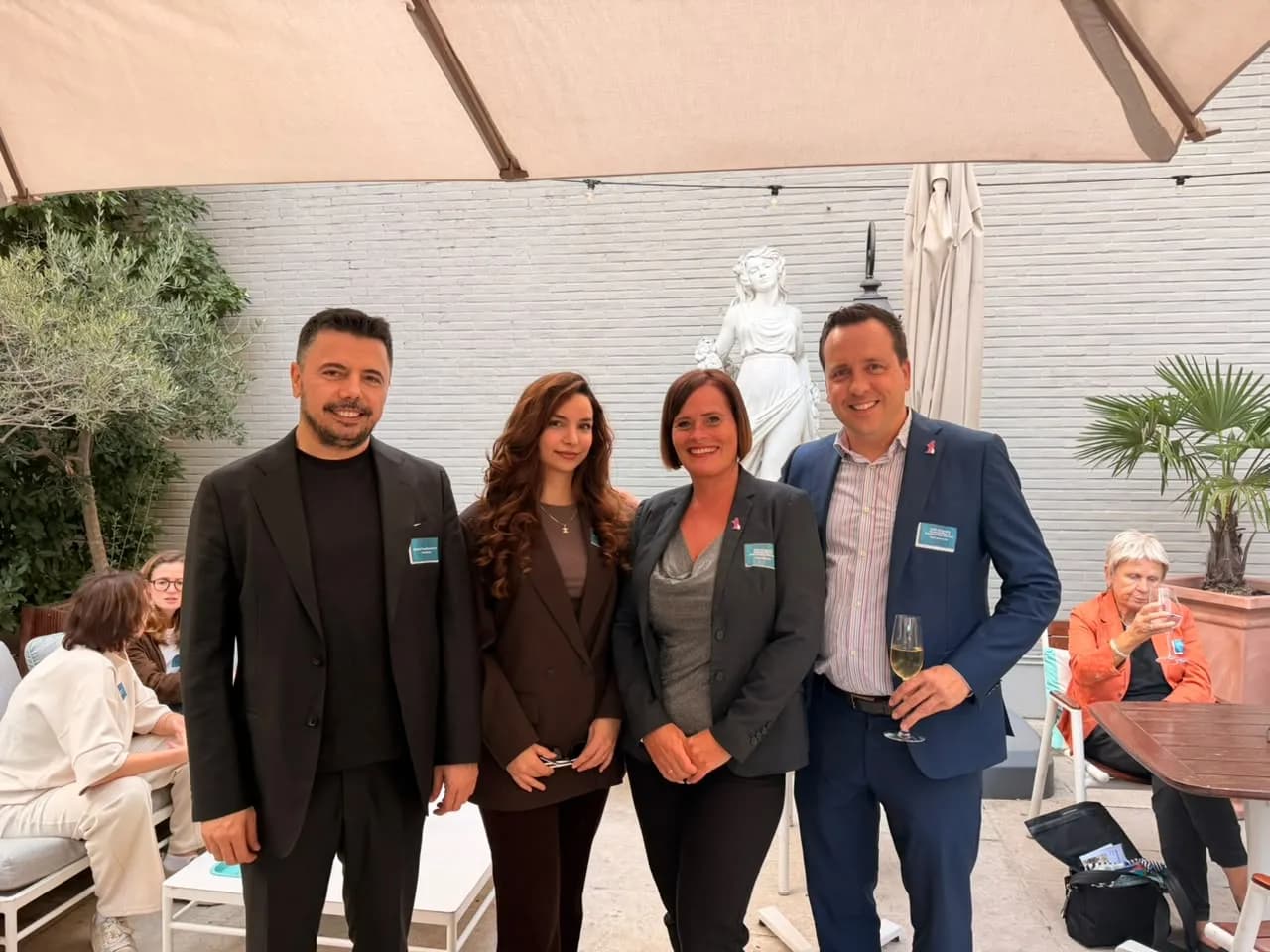
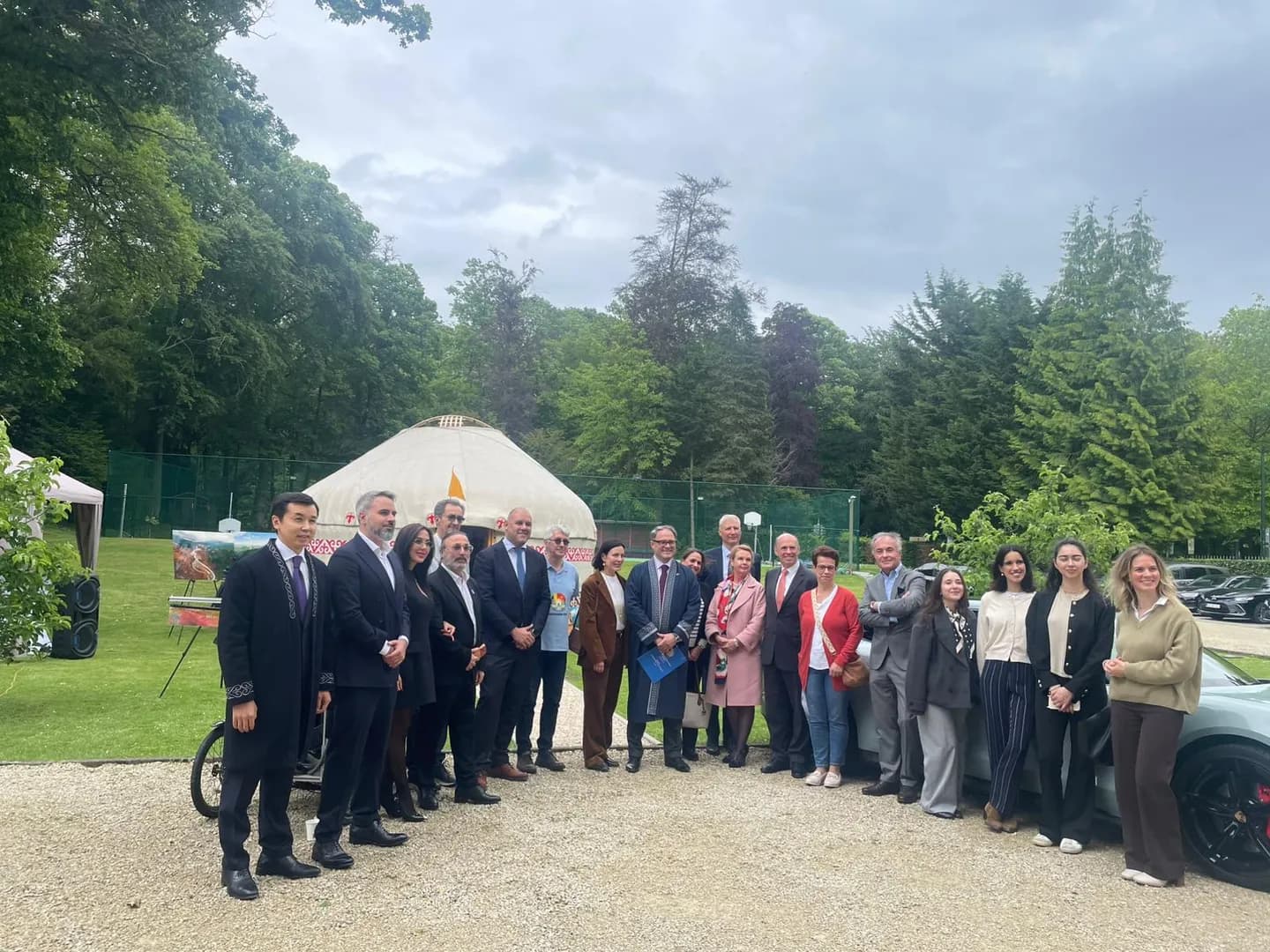
Jakarta Meets Brussels: A Night of Modern Indonesian Mastery at Batavia
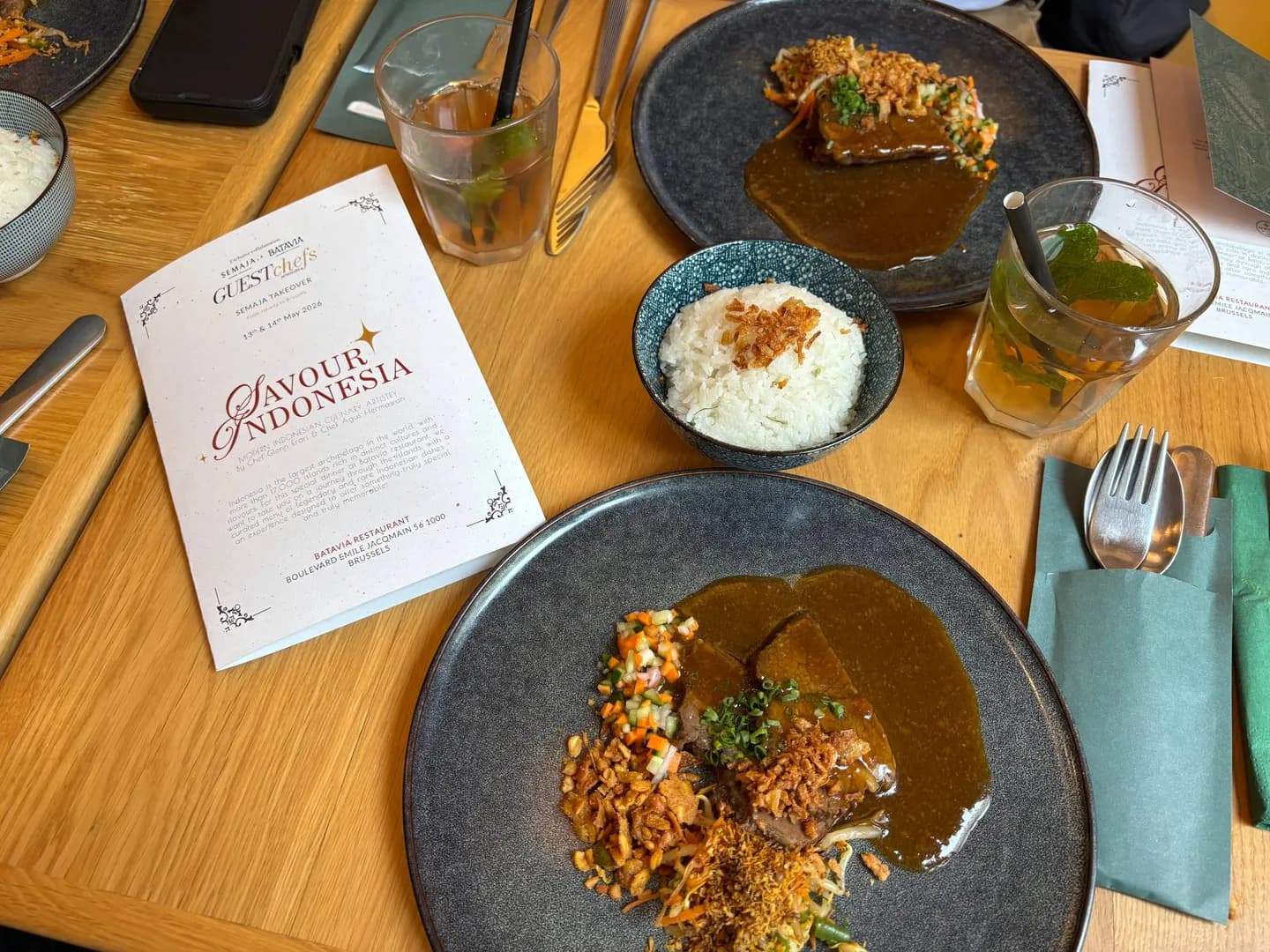
For two exclusive evenings on May 13 and 14, Batavia restaurant hosted the “Semaja Takeover”, bringing together the modern culinary artistry of Chef Glenn Erari and Chef Agus Hermawan. Together, the chefs transformed a corner of Brussels into a sensory gateway to Jakarta. This was more than just a dinner - it was a masterclass in gastro-diplomacy, proving that one of the most powerful ways to understand a nation is through its flavors and spices.
The Visionaries Behind the Burners
The success of the “Semaja Takeover” rested on the shoulders of two culinary heavyweights: Chef Glenn Erari of Semaja and Chef Agus Hermawan of Ron Gastrobar Indonesia. The collaboration marked a milestone for Semaja, representing the restaurant’s first appearance and culinary presentation outside Indonesia.
Chef Glenn Erari, known for his refined approach at Semaja, brought a contemporary Jakarta sensibility to the table. Alongside him, Chef Agus Hermawan - a familiar name to those acquainted with the Michelin-starred legacy of Ron Gastrobar - offered a bridge between traditional Indonesian flavors and European technical precision.
Together, the chefs created more than a dinner service; they orchestrated a culinary dialogue between heritage and modernity.
A Culinary Tour of the Archipelago
This was not simply a dinner — it was a high-speed journey across the Indonesian archipelago.
The menu was carefully designed to showcase the distinct culinary identities of different regions while embodying Indonesia’s national motto, Bhinneka Tunggal Ika (“Unity in Diversity”). Rather than merely serving dishes, the chefs presented Indonesia itself on a single table.
The West - Sumatra Barat
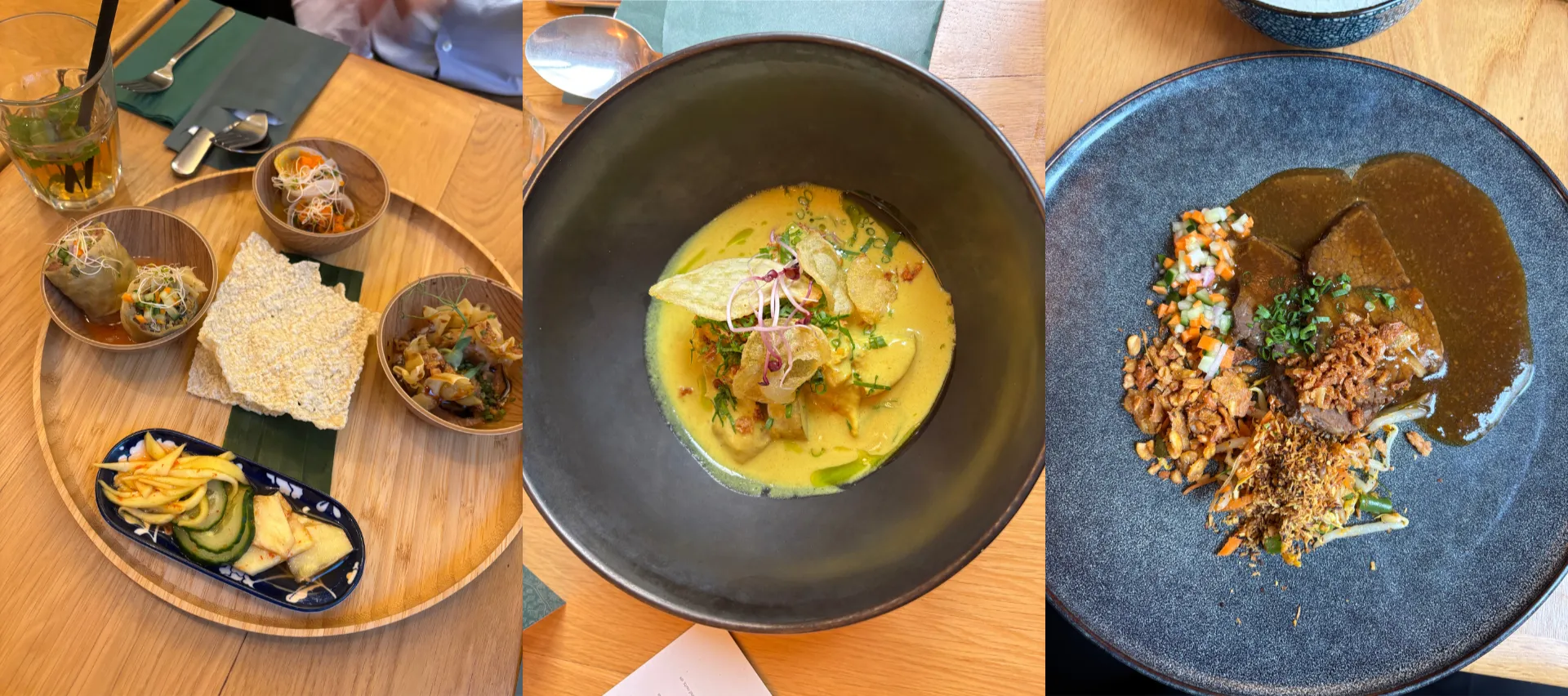
The evening began with Pangsit Udang Kalio, delicate shrimp dumplings infused with a Minangkabau spice blend lighter than traditional rendang, yet deeply rich with candlenut and chili.
The Capital - Jakarta
Next came Martabak Telur, the beloved street-food staple elevated through spiced lamb mince and crisp, smoky pastry that felt both nostalgic and sophisticated.
The Heartland — Jawa Barat
The Batagor, originating from Bandung, offered a refined interpretation of the classic fried fish and tofu dish, accompanied by a deeply comforting Sundanese peanut sauce.
The Fragrant Mainstays
The meal reached its peak with Ayam Opor Wangi, a deboned chicken thigh served in a fragrant coconut broth. It was followed by Semur Brisket, beef braised for four hours in sweet soy glaze and paired with kentang mustopa - a spicy, crispy potato dish commonly found in Sundanese and Javanese households.
To conclude the evening, Klapertart - a coconut custard served with raisins and coconut ice cream - provided a cool, creamy finale to an intensely aromatic journey.
What made the menu remarkable was not only its geographical breadth, but also its cohesion. The chefs successfully wove together the flavors of Sumatra, Jakarta, and West Java into a dining experience that felt unified rather than fragmented. At Batavia, every course felt like another passport stamp.
Diplomacy on a Plate
Between the clinking of glasses, I sat down with Dr. Sidum Trio Indarto, Indonesian diplomat and Minister Counsellor at the Embassy of Indonesia in Brussels. For a man who has spent years away from home, the evening carried personal significance beyond diplomacy.
“I miss my home,” he admitted with a smile, “and now I can taste Indonesian flavors here - but in a modern way.”
He explained that while the dishes remain rooted in traditional recipes, their presentation and culinary techniques adopt a more contemporary, Western-influenced style intended to bridge cultural distance.
According to Dr. Indarto, the two-city event -which also stopped in Amsterdam - aimed to reshape global perceptions of Indonesia.
“We want to show that Indonesian food can represent the country’s modern side,” he explained, referencing Indonesia’s role as a G20 member and Jakarta’s rapidly evolving skyline.
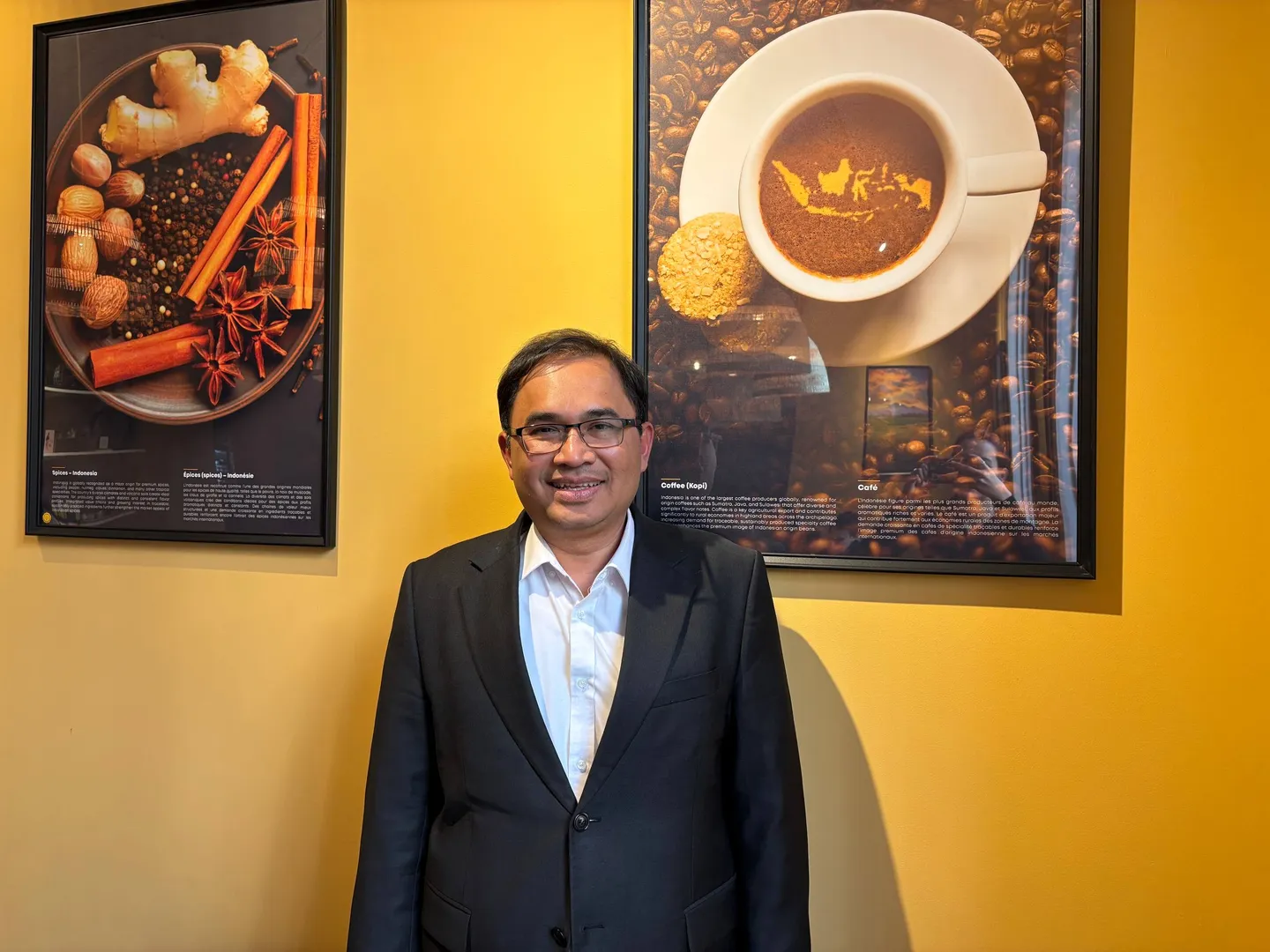
The dinner was designed not only to introduce Indonesian cuisine, but also to present Indonesia itself as modern, dynamic, and culturally diverse.
As Dr. Indarto aptly summarized, the evening celebrated a “modern and diverse culture” united through culinary artistry.
The “Semaja Takeover” ultimately proved to be a sell-out success, demonstrating Brussels’ growing appetite for ambitious, high-concept Asian dining. For those fortunate enough to secure one of the limited seats, it was a night during which the distance between Jakarta and Brussels felt remarkably small.
Olha Horina
Contributing writer at EUReflect.
Follow EUReflect
See more of our reporting on Google
Mark EUReflect as a preferred source and our stories are ranked higher for you in Top Stories, Discover and Google News — and carry a “preferred” badge when they are cited in AI results.
Add EUReflect as a preferred source