Kazakhstan & EU: A Decade Long Strategic Partnership Blossoming into Genuine Friendship
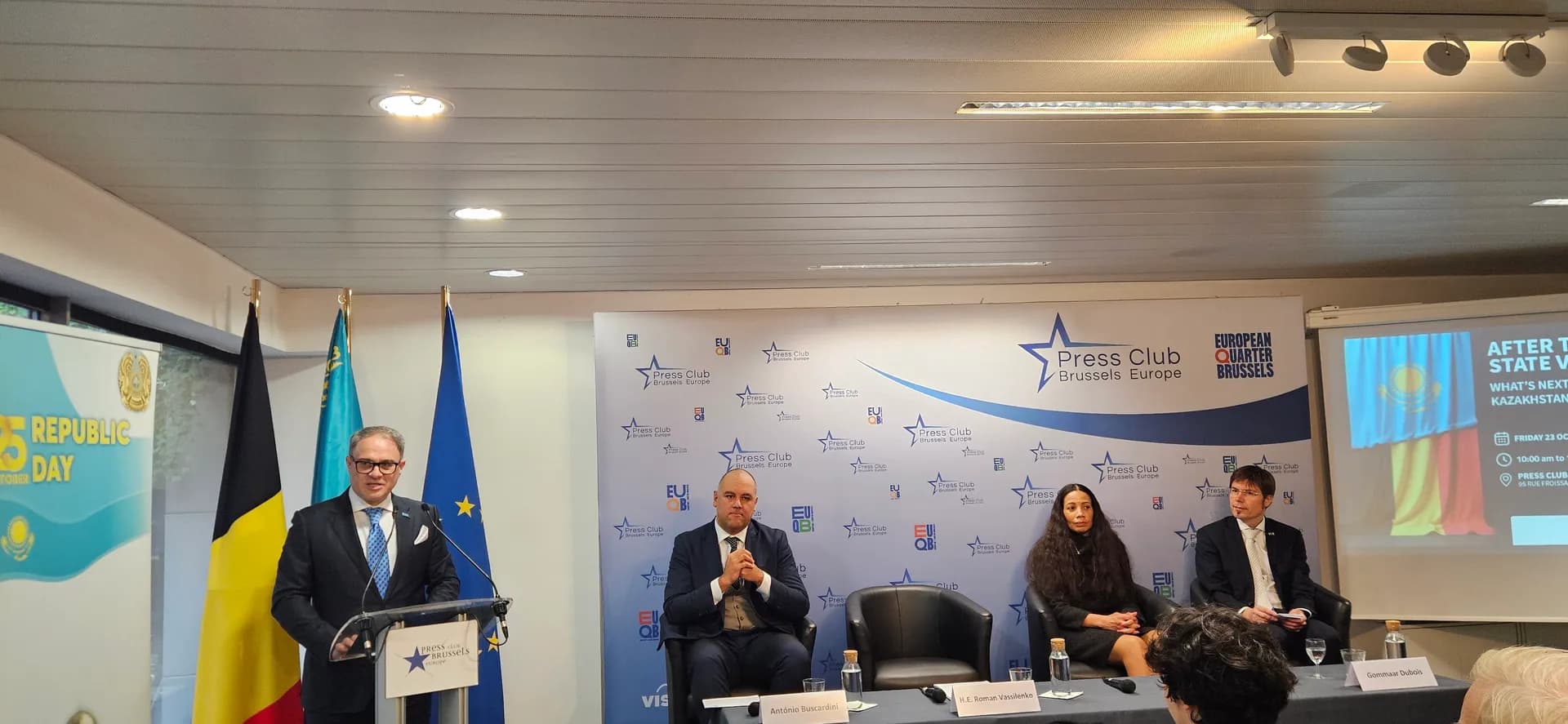
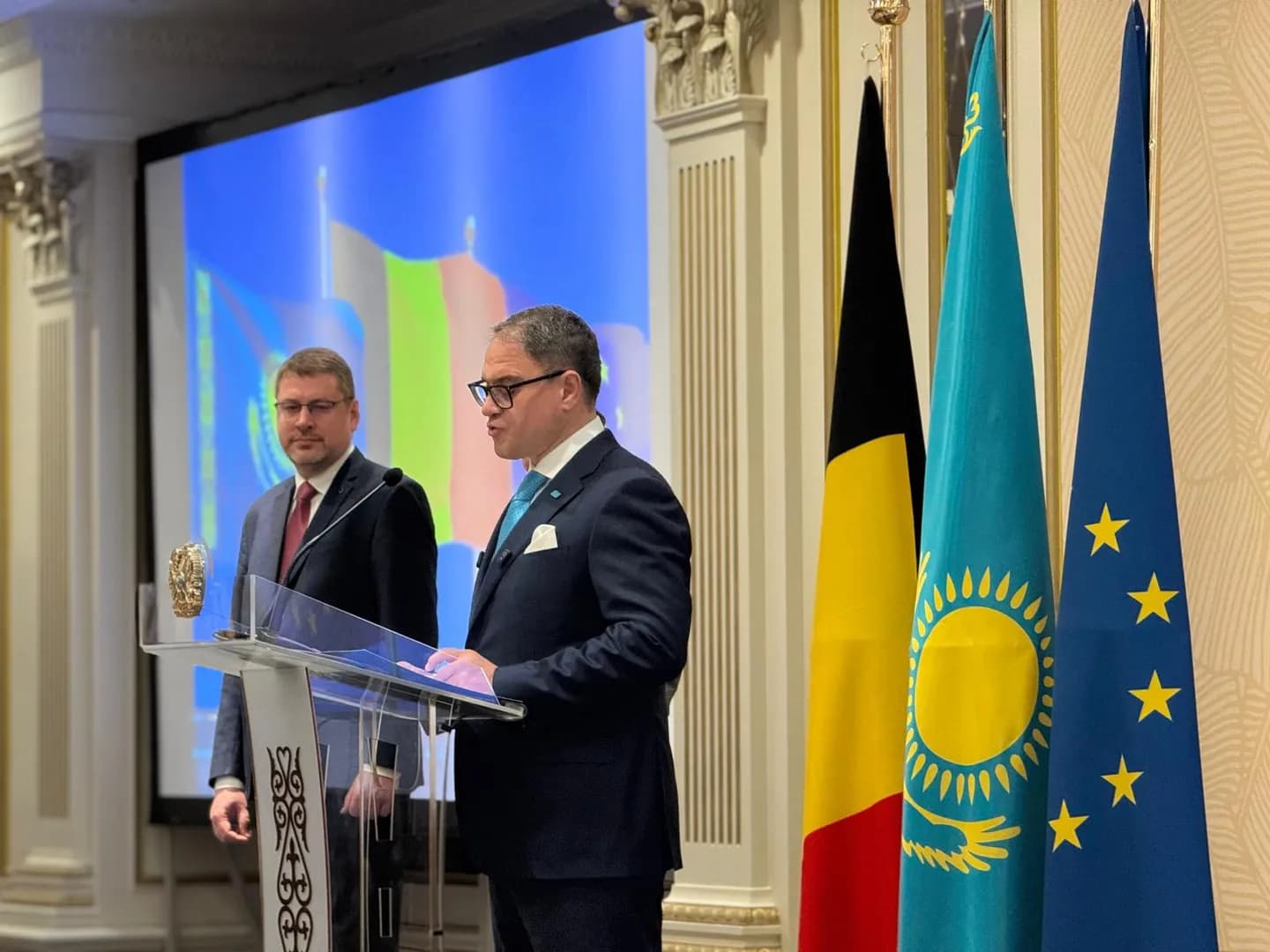
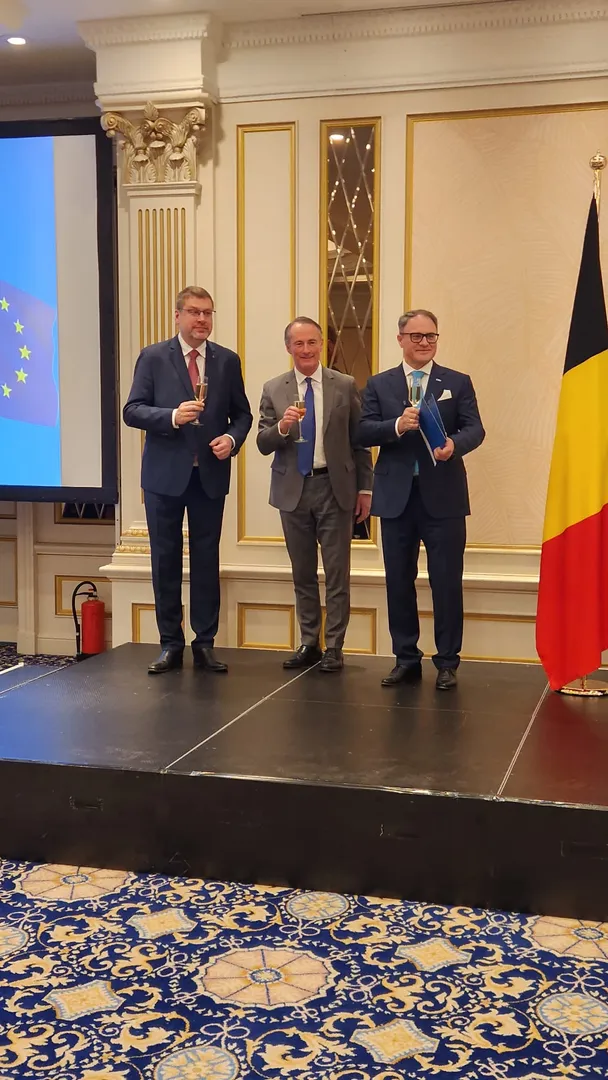
EUREFLECT had the privilege to attend yesterday’s reception hosted by the Kazakh Embassy to Belgium, on 12 December at Steigenberger Wiltcher’s Hotel in Brussels. This event marked Kazakhstan’s Republic Day and the 10th anniversary of the Enhanced Partnership and Cooperation Agreement between Kazakhstan and the European Union. Over the past decade, this agreement has acted as a key catalyst transforming transactional business agreements into a long lasting friendship between both sides.
A decade of partnership
The embassy of the Republic of Kazakhstan to the Kingdom of Belgium embassy turned the venue into a living showcase of the country’s diplomacy and culture. The reception marked both Kazakhstan’s Republic Day and the 10th anniversary of the Enhanced Partnership and Cooperation Agreement (EPCA) with the European Union. This event brought together diplomats, policymakers and guests from across Europe, Kazakhstan and even other Central Asian countries to underline a decade of deepening ties. As mentioned before Ambassadors and senior representatives from across Central Asia were present, visibly showcasing regional solidarity and the constructive role Kazakhstan plays in fostering dialogue and cooperation within the wider Central Asian space. Supported by Turkish Airlines, the evening also underscored how growing air connectivity is turning Kazakhstan into a practical gateway between the EU and Central Asia,. This air connectivity facilitates businesses, promotes tourism and people‑to‑people exchanges.
Facts and numbers never lie
Facts and figures in trade never lie. Such concrete facts underline the depth and strength of this decade-long partnership. The Republic of Kazakhstan proves its critical role as a strategic gateway in trade and connectivity with the EU.
· EU & Kazakhstan reached a trade volume of 50.6 Billion Dollars in 2024
· There are 4000 European Companies active in Kazakhstan
· 13 Transport Corridors active between Kazakhstan & EU
· 85 % of the overland freight traffic between Asia and Europe goes trough Kazakhstan
·Kazakhstan can supply 21 of the 34 critical raw materials (CRM’s) identified by the EU
·Kazakhstan supplies 13 % European’s crude oil.
· Kazakhstan supplies 40 % of the world’s uranium needs.
A tribute to the Friendship
In his opening remarks, H.E. Ambassador Roman Vassilenko of Kazakhstan to Belgium, Luxembourg , EU & NATO underlined that the EPCA has evolved from a strategic partnership to a genuine long lasting friendship. Kazakhstan is for the EU a reliable partner. In times of geopolitical backdrop, the EU can always count on Kazakhstan as a reliable partner. Additionally, ten years after its signature, the EPCA has elevated EU–Kazakhstan ties into one of the most advanced partnerships the EU maintains in Central Asia. This agreement covers trade, investment, energy, transport, education and political dialogue.
The EPCA has become an overarching legal framework designed to bring Kazakhstan and the EU closer together, rather than a one‑sided, purely transactional business gain. It represents an agreement that has delivered a successful decade in which both partners have steadily deepened their relationship. Over these ten years, Kazakhstan and the EU have grown significantly closer, strengthening ties to the point that trust is now high for ambitious, long‑term projects. Furthermore the Ambassador stressed that Kazakhstan has proved itself an essential partner for the EU. In this case not only as a major supplier of oil, uranium and other critical raw materials, but also for example as a key supplier of the EU’s EV battery needs.
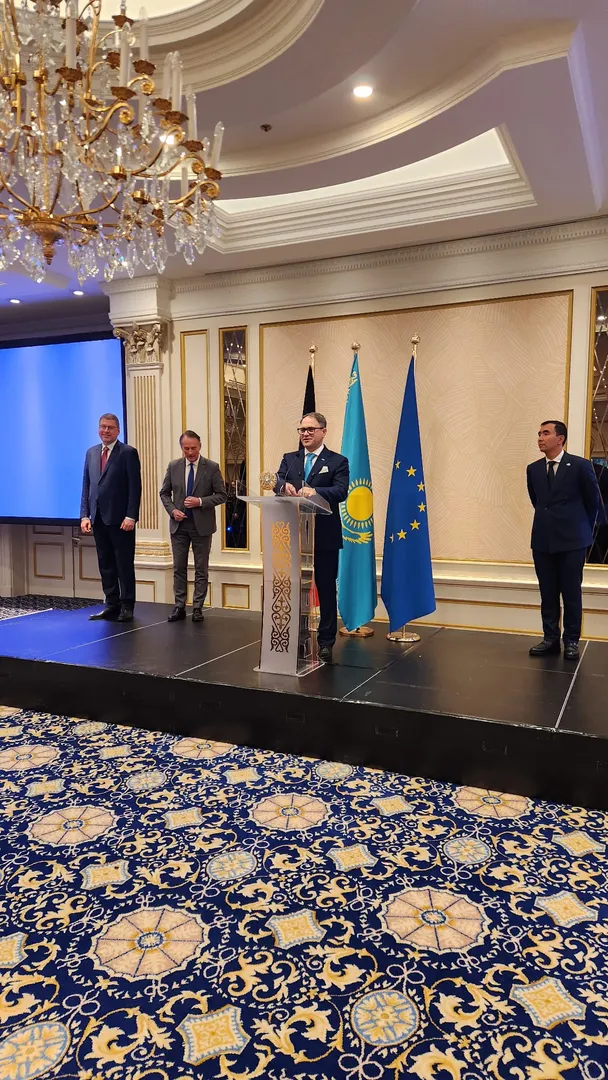
Moreover the Ambassador reminded the audience that bridges between Europe and Kazakhstan are no longer just metaphorical. There are already mixed families and European “Kuyeu balalar”(European sons‑in‑law for Kazakh families), symbolizing a relationship that has evolved from simple partnership into a social, economic & cultural symbiosis that is difficult to disrupt. While acknowledging that European and Kazakh societies differ in history and traditions, Ambassador Vassilenko underlined their shared commitment to stability, rule‑based cooperation and economic openness is the key to this partnership. He urged EU decision‑makers to “look eastwards” and recognise Kazakhstan as the “Gateway” into Central Asia. This “Gateway” strategically positioned on emerging transport corridors such as the Middle Corridor has huge potential for both actors.
To conclude was the call to accelerate visa facilitation. Easing EU–Kazakhstan mobility would be a strategic win for both sides. In this sense, accelerating visa facilitation is not just a technical step, but a powerful signal that Brussels and Astana see each other as long‑term partners and friends. This friendship is committed to closer people‑to‑people ties, shared prosperity and secure, well‑managed mobility between Kazakhstan and the EU.
Immersed in Kazakh culture
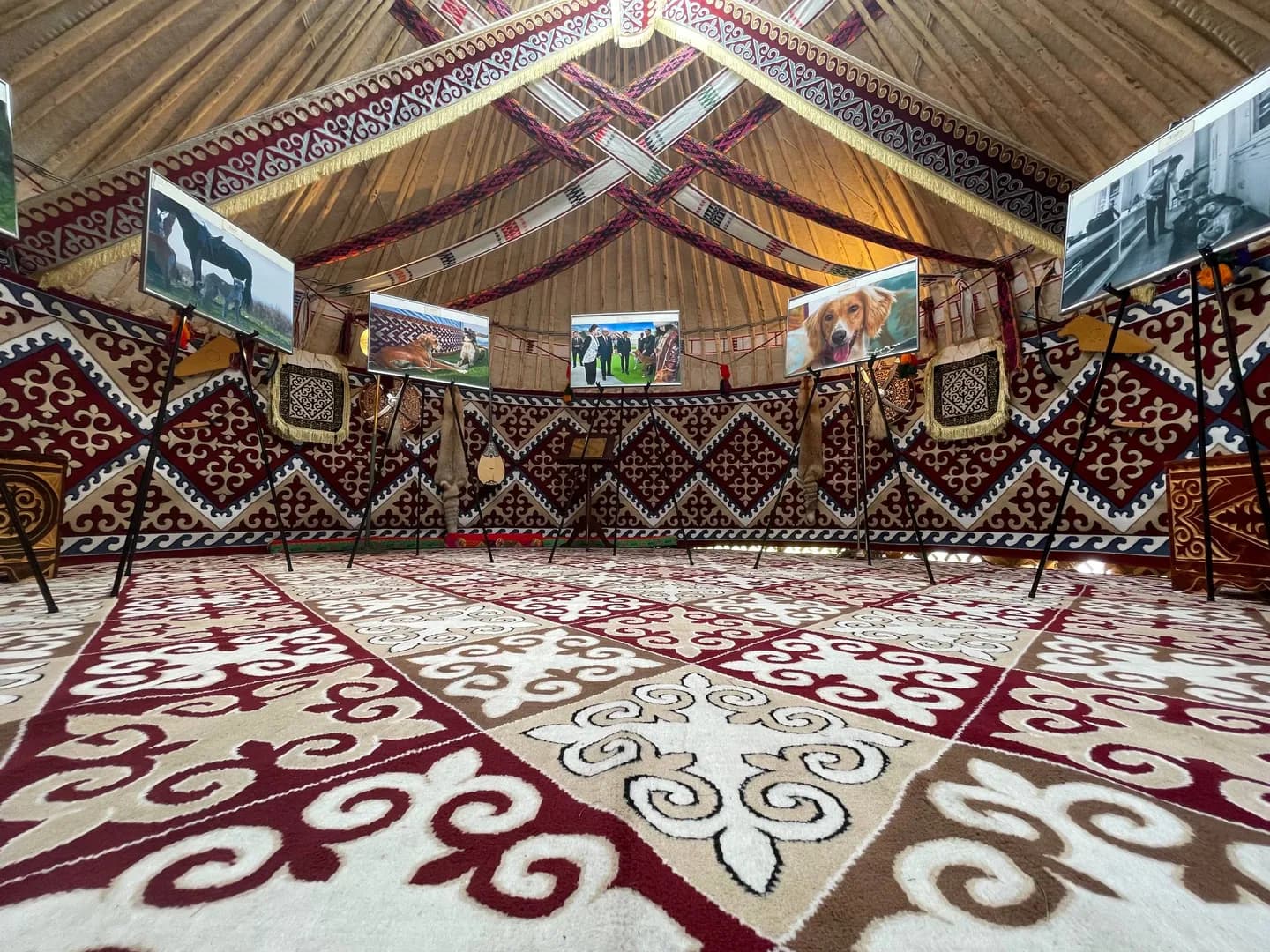
After the formal speeches guests were transported into the Kazakh steppe through a carefully curated ambiance that combined traditional music, visuals and storytelling with an exceptional selection of national cuisine. The embassy organized a tasty and abundant buffet of the national dishes such as plov (rice dish), kazy (horse meat), borsak (dough snack) and locally produced chocolates. This gesture symbolizes not just formal obligations but genuine Kazakh hospitality. There is a special idiom/saying in Kazakh culture: “Konak kelse, kut keler” meaning “if guests come, abundance and fortune will come with them”.
Furthermore, an interactive quiz organised by the embassy tested the knowledge of the audience about Kazakhstan’s geography, history and culture. The audience was strongly motivated due to the winning prize, namely 2 free tickets to Almaty by Turkish Airlines. The carrier operates multiple daily flights between Istanbul and Almaty. In addition, Turkish Airlines also provides flights to 3 other major Kazah cities such as the capital Astana, Turkestan and Aqtau. Currently the airlines runs 29 flights per week across Kazakhstan. This air bridge allows passengers and businesses from across Europe to reach Kazakhstan via Istanbul’s global hub. This turns Turkish Airlines into a practical connector between the EU, Türkiye and Central Asia.
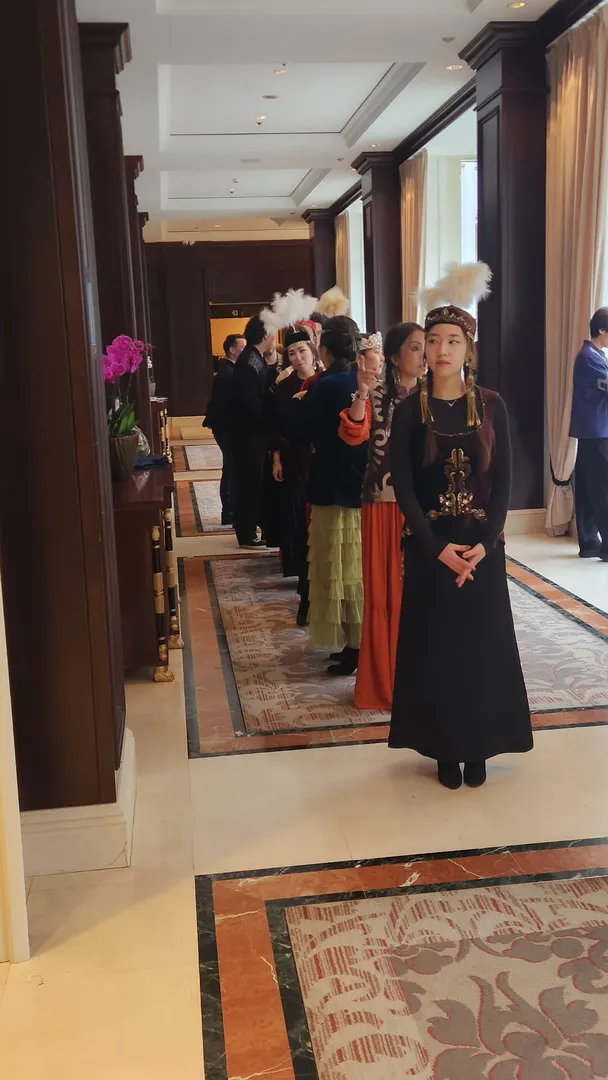
Kazakh culture also took centre stage through a fashion segment organized by designer Bayan Zhanbauova. Her work is known for blending traditional motifs with contemporary modern silhouettes. Models presented outfits that reinterpreted classic Kazakh garments, headpieces and ornamented accessories into modern ensembles. This underlined how cultural heritage can be projected globally without losing authenticity. This creative showcase echoed broader Kazakh efforts to use cultural diplomacy and creative industries to engage European audiences.
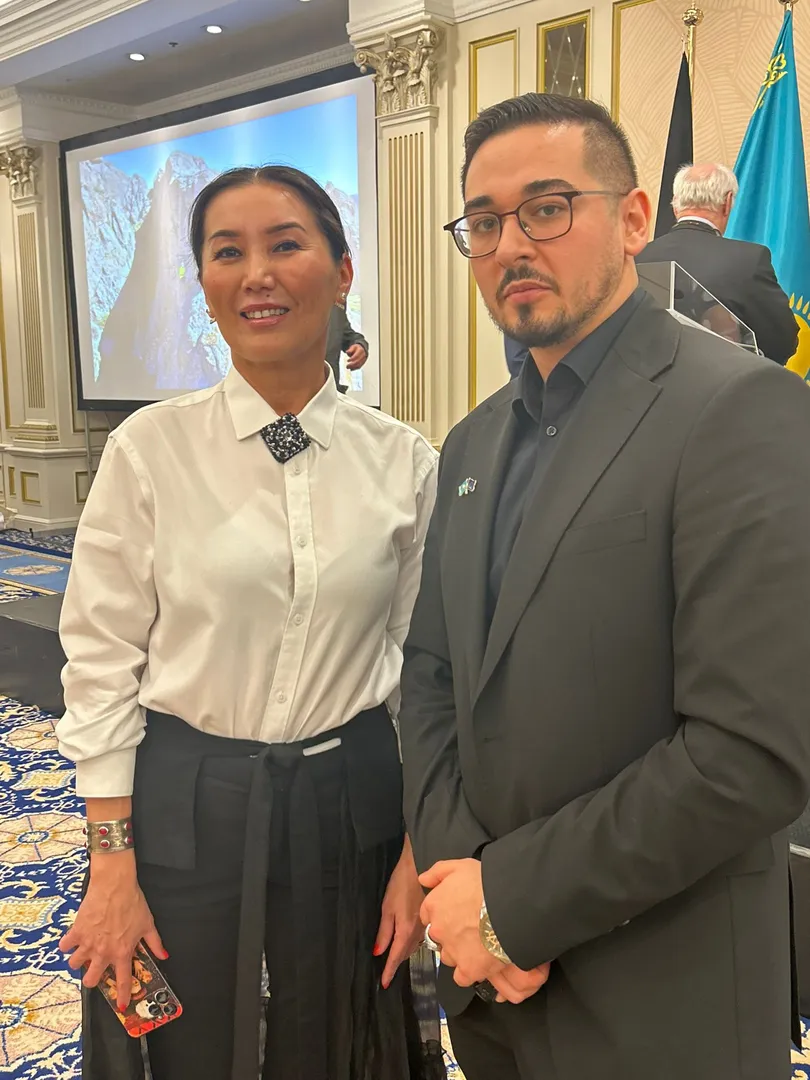
Looking ahead: Kazakhstan a reliable friend for Europe
The evening’s discussions repeatedly returned to the notion of Kazakhstan as a stable and reliable partner in a time of geopolitical fragmentation. This is particularly important for the EU’s efforts to diversify its energy, secure new sources of uranium and critical raw materials, reducing dependence on a small number of suppliers in geopolitical tension. Kazakhstan’s long‑standing multi‑vector foreign policy and balanced stance on regional crises were described as assets for Europe.
Visa facilitation would be a genuine win‑win for both Kazakhstan and the EU. By easing travel, it would allow on the one hand integrate more Kazakh students, professionals, tourists and members of the diaspora to study, work and build networks in Europe. While on the other hand it will encourage more Europeans to engage with Kazakhstan’s economy and culture. A powerful example of how well Kazakhs are integrating into the EU is an organization called "Qazaq Society". It serves not only as a vibrant community hub for Kazakhs living in Belgium and across Europe, but also as a dynamic catalyst for their social, cultural and professional integration into European life.
As the EPCA enters its second decade, the Kazakh reception suggested that the future of EU–Kazakhstan relations is not just about maintaining a strategic partnership. It has evolved about consolidating a friendship with common values and shared interest that can help both sides navigate during turbulent international landscape. As the first decade ended of the Enhanced Partnership and Cooperation Agreement, it is well know that Kazakhs and Europeans are now “Dostar” (friends) and not only transactional business partners. This “Dostyk” (friendship) paves the path way for increased future long term projects, "anchoring" the partnership between both sides.
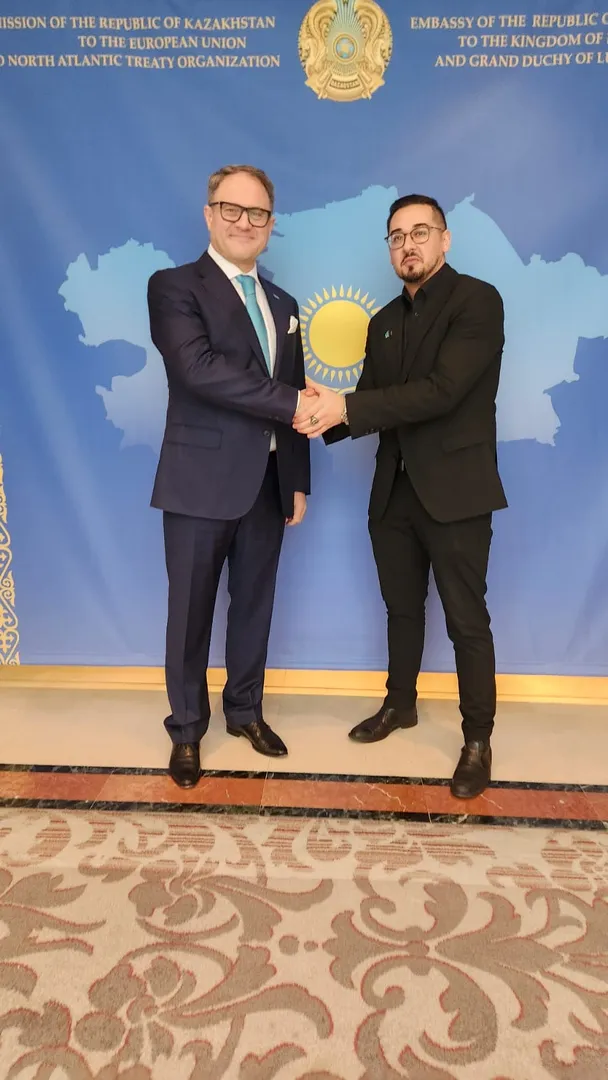
This article is written by Ibrahimjan Abdimutalipjan.
İbrahimjan Abdimutalipjan
Contributing writer at EUReflect.
Follow EUReflect
See more of our reporting on Google
Mark EUReflect as a preferred source and our stories are ranked higher for you in Top Stories, Discover and Google News — and carry a “preferred” badge when they are cited in AI results.
Add EUReflect as a preferred source