Middle East War Disrupts Global Oil Supply, Raising Fears of Energy Crisis
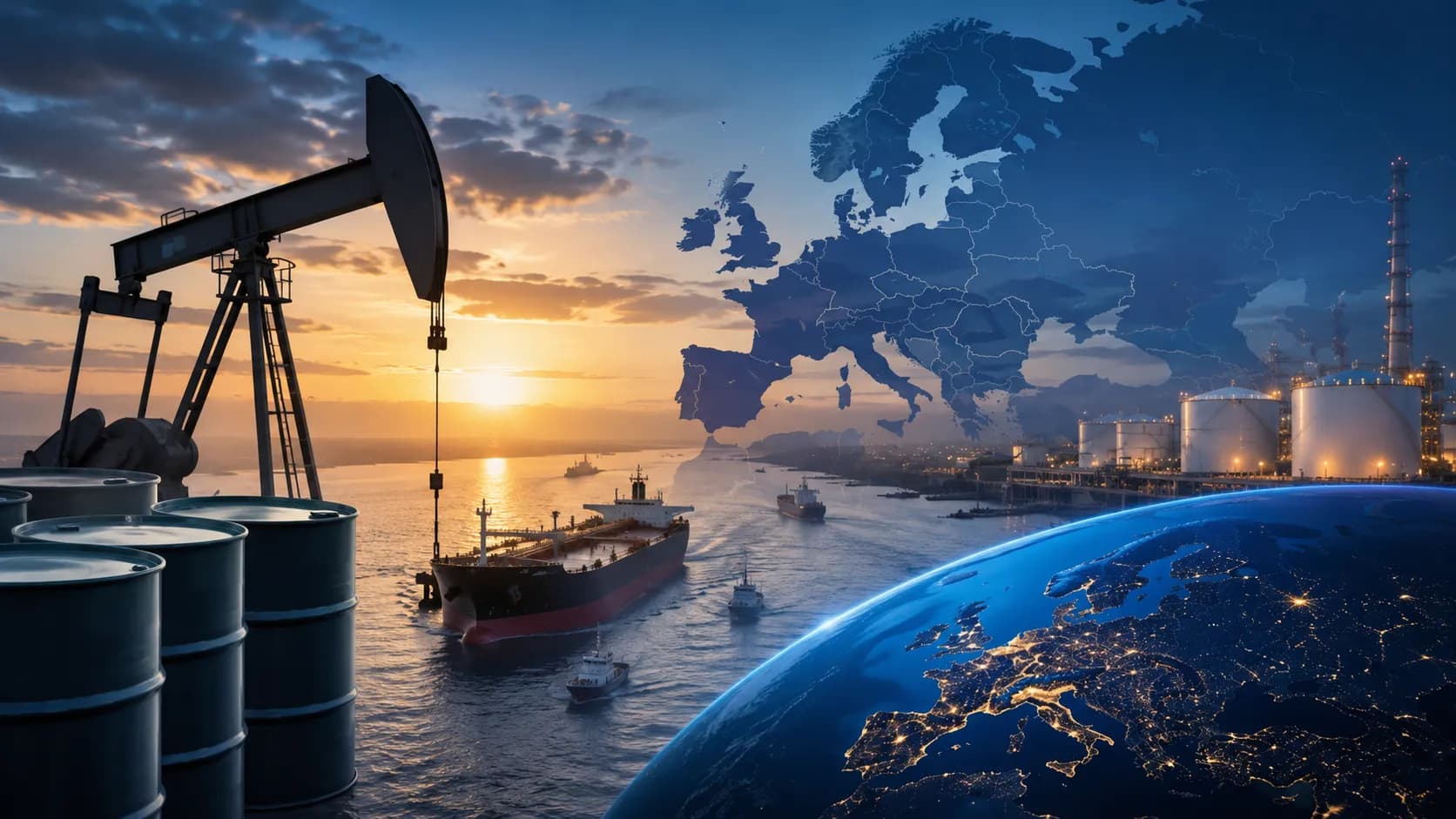
The escalating conflict in the Middle East is sending shockwaves through global energy markets, raising fears of one of the largest oil supply disruptions in modern history. With shipping through the Strait of Hormuz under threat, millions of barrels per day could be removed from global supply, increasing concerns over rising oil prices and a potential energy crisis worldwide.
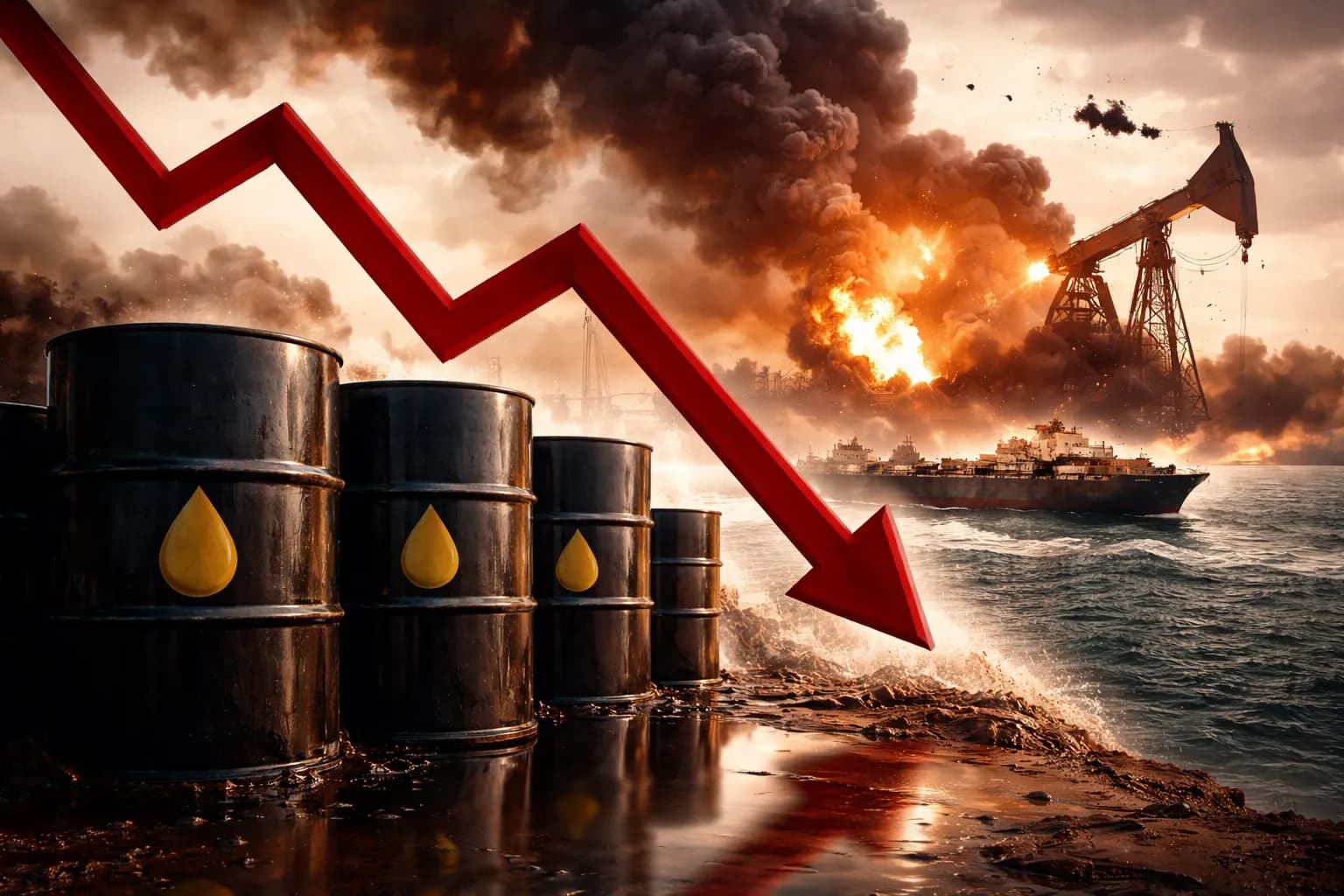
Unprecedented Disruption in the Global Oil Market Amid Escalating Middle East Conflict
Global oil markets are experiencing a period of heightened uncertainty as military tensions in the Middle East intensify. The ongoing conflict has begun to directly impact energy supplies and market stability, raising serious concerns among governments, investors, and energy analysts worldwide.
Recent warnings from international energy experts indicate that the oil market could be facing one of the most significant supply disruptions in modern history, largely due to the strategic importance of the region in global energy production and transportation.
Strait of Hormuz Disruption Shakes Global Supply
The Strait of Hormuz is one of the most critical maritime chokepoints for global oil trade. A substantial share of the world’s oil exports—particularly from Gulf countries—passes through this narrow waterway on its way to international markets.
With shipping routes disrupted and security risks rising in the area, the flow of oil through the strait has been severely affected. Estimates suggest that global oil supply could decline by as much as eight million barrels per day during March, creating a significant shock for international markets that depend heavily on Middle Eastern exports.
Such a sudden disruption highlights the extreme sensitivity of energy markets to geopolitical tensions, especially when key transportation routes are involved.
Emergency Measures to Stabilize the Market
In response to the growing crisis, major industrialized nations have moved to implement emergency measures aimed at stabilizing global supply. One of the most significant steps has been the decision to release oil from strategic petroleum reserves.
These reserves are maintained by many countries specifically for situations where global supply is threatened. By injecting additional barrels into the market, governments aim to partially offset supply losses and reduce panic-driven price spikes.
The release of strategic reserves is also intended to reassure markets that governments are prepared to act quickly to prevent a severe energy shortage.
Rising Concerns Over Oil Prices
As tensions continue, analysts warn that oil prices could experience sharp volatility in the coming weeks. The longer the disruption persists, the greater the pressure on global supply chains and energy markets.
Energy experts note that even the perception of prolonged instability in the region can trigger speculative activity in oil markets, pushing prices higher and increasing uncertainty for industries and consumers alike.
Possible Scenarios for the Months Ahead
Several potential scenarios could shape the direction of the oil market in the near future:
1. Rapid De-escalation
If diplomatic efforts succeed and maritime routes reopen, oil flows could gradually return to normal levels, easing pressure on global markets.
2. Prolonged Tensions
If instability persists but does not escalate significantly, markets may remain volatile. Countries could rely more heavily on strategic reserves while alternative suppliers increase production to fill the gap.
3. Wider Regional Escalation
A broader conflict affecting additional oil-producing areas or infrastructure could trigger a more severe supply crisis, potentially driving oil prices to significantly higher levels and impacting global economic growth.
Broader Economic Implications
Disruptions in oil supply rarely affect the energy sector alone. Rising oil prices often lead to increased transportation and manufacturing costs, which can contribute to higher inflation worldwide.
As a result, some governments may accelerate efforts to diversify their energy sources, expand renewable energy investments, and reduce long-term reliance on fossil fuels from geopolitically sensitive regions.
Conclusion
The current developments in the Middle East once again highlight how vulnerable global energy markets remain to geopolitical tensions. While emergency measures may help stabilize the situation in the short term, the long-term outlook will largely depend on how the conflict evolves.
For now, global markets remain on high alert, closely monitoring political and military developments that could determine the future direction of oil prices and energy security worldwide.
Abbas Al-Zuhairy
Contributing writer at EUReflect.
Follow EUReflect
See more of our reporting on Google
Mark EUReflect as a preferred source and our stories are ranked higher for you in Top Stories, Discover and Google News — and carry a “preferred” badge when they are cited in AI results.
Add EUReflect as a preferred source