New Drug Could Prevent “Ozempic Butt”
A new experimental drug, apitegromab, may help people using weight-loss medications such as Ozempic, Wegovy, and Mounjaro preserve muscle mass while continuing to lose fat. Early clinical trial results are promising, but larger studies are needed before widespread use.
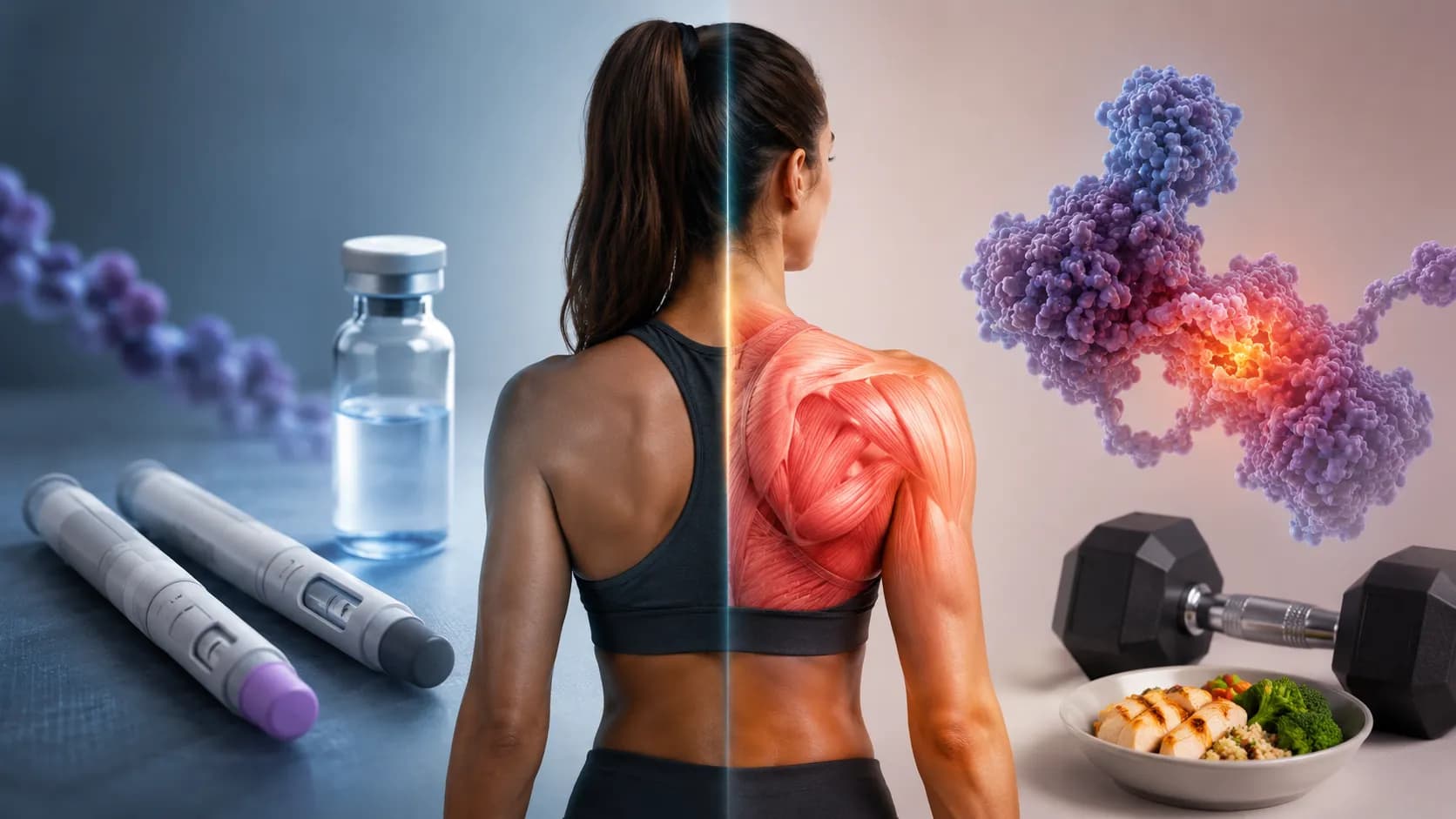
Weight-loss medications such as Ozempic, Wegovy, and Mounjaro have transformed obesity treatment by helping millions of people achieve significant weight reduction. However, medical experts have increasingly raised concerns about an unintended consequence of rapid weight loss: the loss of valuable muscle mass. This issue has become widely known as “Ozempic butt,” a term used to describe the loss of fat, muscle, and tissue volume that can leave certain areas of the body appearing deflated or sagging.
A new experimental drug called apitegromab may offer a solution. According to research published in the journal Nature Medicine, the treatment appears to help patients preserve muscle while continuing to lose body fat. While the findings are encouraging, experts emphasize that further studies are required before the drug can become part of routine obesity treatment.
Understanding the Problem of Muscle Loss During Weight Reduction
GLP-1 medications, including Ozempic, Wegovy, and Mounjaro, work by reducing appetite and helping individuals feel full for longer periods. As calorie intake decreases, weight loss occurs rapidly. However, studies suggest that as much as one-third of the total weight lost may come from muscle rather than fat.
Muscle tissue plays a critical role in overall health. It supports physical strength, mobility, balance, metabolism, and long-term wellbeing. Unlike fat tissue, muscle is considerably more difficult to rebuild once it has been lost. As a result, healthcare professionals are increasingly focused on preserving muscle mass during obesity treatment.
The phenomenon commonly referred to as “Ozempic butt” is not considered a medical diagnosis. Instead, it reflects visible body changes associated with substantial and rapid weight loss. Plastic surgeons in the United States report a growing number of consultations from individuals concerned about these aesthetic changes.
Apitegromab Shows Promising Results in Clinical Trial
Researchers evaluated apitegromab in a six-month clinical trial involving 102 adults, most of whom were women. Participants received the obesity medication Mounjaro, while some also received apitegromab.
The results demonstrated a significant difference between the groups. Individuals who received apitegromab retained approximately 1.9 kilograms more muscle mass than those receiving a placebo treatment. Muscle loss represented only 14.6% of total weight loss in the apitegromab group, compared with 30.2% in the placebo group.
Apitegromab works by blocking a protein involved in muscle breakdown. By reducing this process, the drug helps protect lean body mass while allowing fat loss to continue. Researchers are also investigating its potential use in treating muscle-related disorders such as spinal muscular atrophy.
Currently, apitegromab remains an experimental treatment available only through clinical trials and is administered intravenously. The manufacturer is exploring the possibility of developing a self-injection version that could be used similarly to existing weight-loss injections.
Experts Call for Further Research and Healthy Lifestyle Measures
Medical experts have welcomed the findings but caution that more evidence is needed before drawing definitive conclusions.
Dr. Marie Spreckley of the University of Cambridge described the results as encouraging early evidence rather than definitive proof of long-term clinical benefit. She emphasized the importance of larger and longer studies to determine whether preserving muscle mass leads to measurable improvements in strength, quality of life, and overall health outcomes.
Similarly, Dr. Brendan Gabriel from the University of Aberdeen noted that the treatment may not be necessary for every individual using GLP-1 medications. However, it could prove valuable for patients who experience particularly rapid muscle loss.
Regardless of future pharmaceutical developments, experts continue to recommend strength training and adequate protein intake for anyone undergoing significant weight loss. Activities such as weightlifting, resistance-band exercises, cycling, stair climbing, yoga, dancing, and bodyweight exercises can help maintain muscle strength. Nutritional guidance also suggests consuming approximately 20–40 grams of protein per meal to support muscle preservation and growth.
Conclusion
The development of apitegromab represents a potentially important advancement in obesity treatment. By helping patients preserve muscle while losing fat, the drug may address one of the most significant concerns associated with rapid weight reduction through GLP-1 medications. Although the early clinical results are promising, additional large-scale studies will be necessary to confirm its long-term effectiveness and safety. Until then, regular strength training and a protein-rich diet remain the most reliable strategies for maintaining muscle health during weight-loss treatment.
Zulya Atabayeva
Contributing writer at EUReflect.
Follow EUReflect
See more of our reporting on Google
Mark EUReflect as a preferred source and our stories are ranked higher for you in Top Stories, Discover and Google News — and carry a “preferred” badge when they are cited in AI results.
Add EUReflect as a preferred source