Lyon Advances Play-Based Rehabilitation for Children
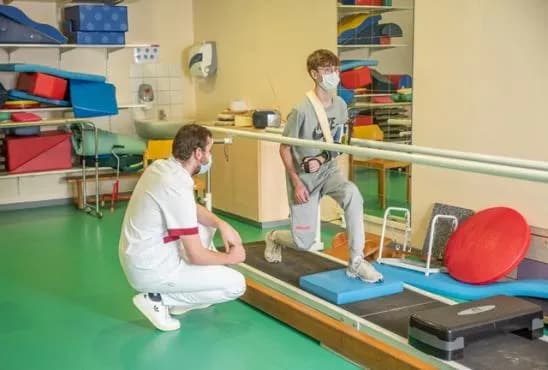
A specialist pediatric rehabilitation team in Lyon is developing intensive and play-based approaches to support children with cerebral palsy, with a focus on improving motor abilities and independence.
Rehabilitation Through Play
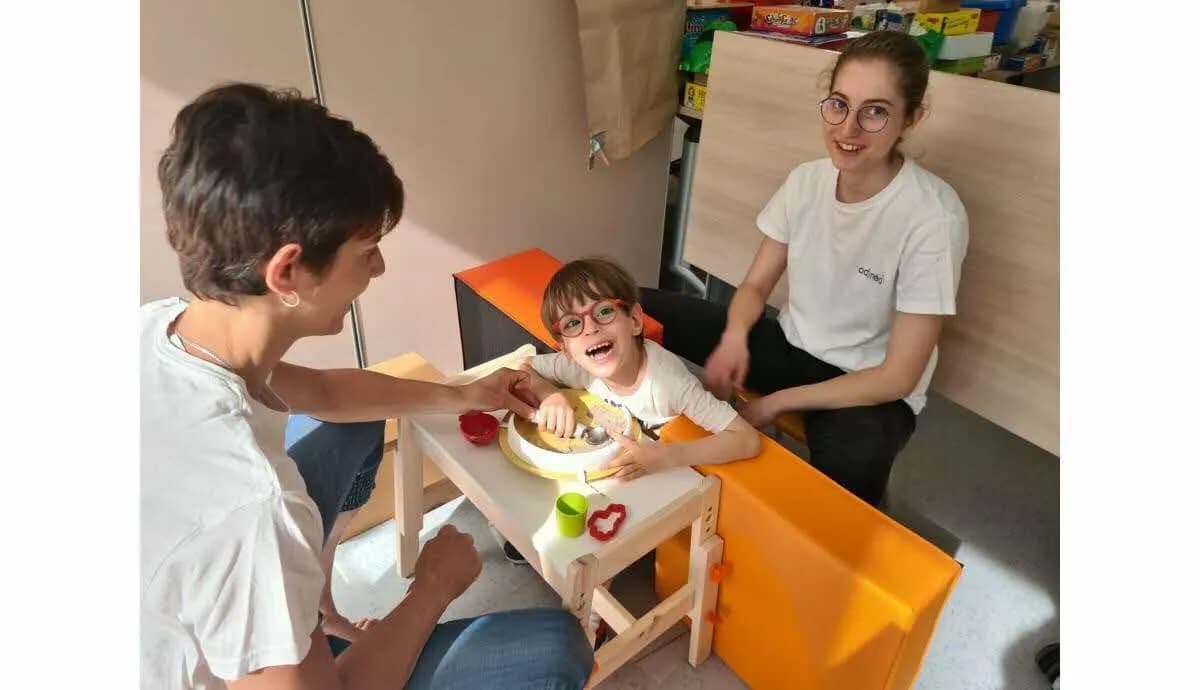
A pediatric rehabilitation service in Lyon is combining intensive therapy with playful activities to support children living with motor disabilities.
The programme is based at L’Escale, the pediatric physical medicine and rehabilitation service of the Hospices Civils de Lyon. The service welcomes children from across the Auvergne-Rhône-Alpes region and provides specialised rehabilitation care for children between birth and 15 years of age.
The approach reflects an important principle in pediatric rehabilitation: treatment can be structured around the child's development while remaining engaging and motivating.
Supporting Motor Development
Children with cerebral palsy can experience difficulties affecting movement and physical independence. Rehabilitation therefore plays an important role in helping children develop and maintain functional abilities.
According to the Hospices Civils de Lyon, intensive and playful rehabilitation approaches have been tested by L’Escale since 2019. The hospital reports that international randomised controlled trials have demonstrated improvements in children's motor abilities and autonomy with these types of therapies.
Rather than treating rehabilitation as a purely clinical activity, the programme incorporates activities designed to encourage children to participate actively in therapy.
A Specialist Pediatric Team
L’Escale is dedicated specifically to pediatric physical medicine and rehabilitation.
The service receives children from throughout the Auvergne-Rhône-Alpes region and works with children who have motor disabilities as well as children experiencing specific learning difficulties.
Its model also includes an innovative mobile team made up of a physician and an occupational therapist. The team can visit hospitalised children at their bedside, extending rehabilitation expertise beyond the dedicated rehabilitation service.
Beyond the Hospital
One of the distinctive features of the L’Escale model is its focus on children living with their families.
The service was initially designed for children with motor disabilities who were living at home but could not access appropriate medico-social services because of factors such as limited availability or geographical distance. Its role has since expanded to include children with specific learning difficulties.
This creates a rehabilitation model that considers the child's everyday environment rather than focusing exclusively on hospital-based treatment.
Building Independence
Pediatric rehabilitation is not only about physical movement. Independence, participation and the ability to engage with everyday activities are also important goals.
The Lyon programme places these objectives at the centre of its approach. By combining structured therapy with activities designed to be enjoyable for children, rehabilitation can become a more active part of a child's daily development.
The hospital's work also illustrates how specialised pediatric rehabilitation services can combine clinical expertise with innovative approaches to support children and their families.
Lyon’s Growing Role
The work of L’Escale highlights Lyon's contribution to specialised pediatric rehabilitation in France.
Its combination of physical medicine, occupational therapy, intensive rehabilitation and child-centred activities demonstrates how rehabilitation services can evolve around the specific needs of young patients.
For children with cerebral palsy and other motor disabilities, such programmes offer a structured pathway focused on functional abilities, participation and greater independence.
Ipek Tuncer
M.A. in International Relations
Follow EUReflect
See more of our reporting on Google
Mark EUReflect as a preferred source and our stories are ranked higher for you in Top Stories, Discover and Google News — and carry a “preferred” badge when they are cited in AI results.
Add EUReflect as a preferred source