New York enters a new political era
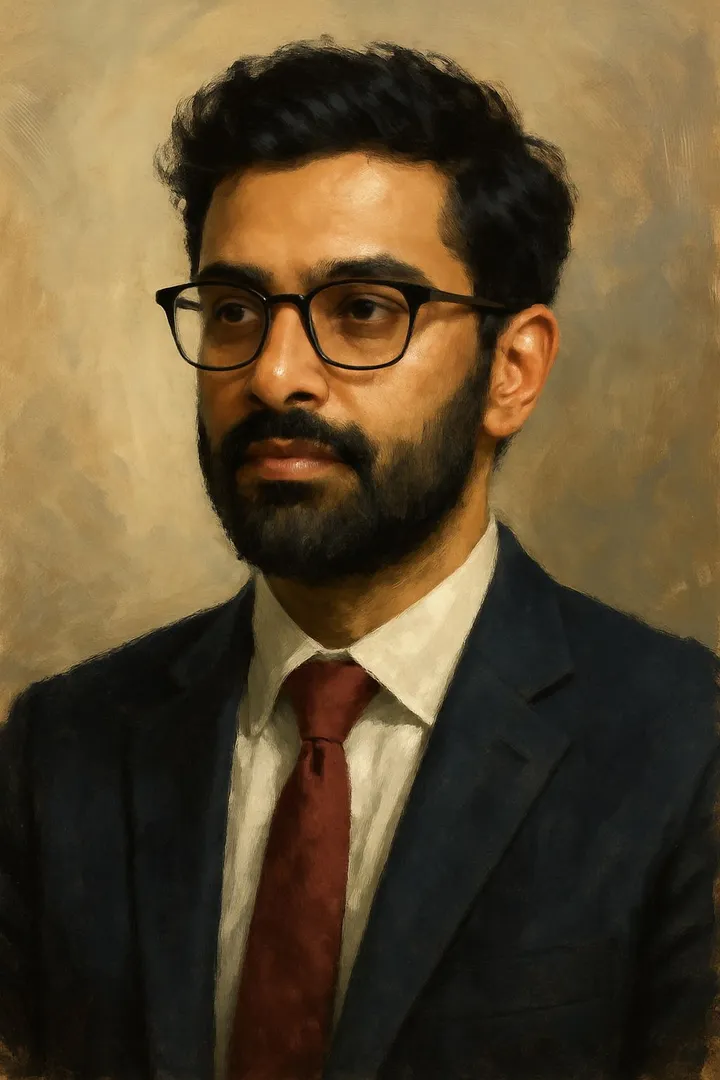
At only 34 years old, Zohran Mamdani has been elected mayor of the American metropolis, becoming the first Muslim mayor in the city’s history and one of the youngest to occupy the office in more than a century.

By Kadir Duran / Bruxelles Korner
New York City has just crossed a historic threshold. At only 34 years old, Zohran Mamdani has been elected mayor of the American metropolis, becoming the first Muslim mayor in the city’s history and one of the youngest to occupy the office in more than a century.
Born in Kampala, Uganda, on October 18, 1991, to a family of Indo-Pakistani origin from the East African diaspora, Mamdani is the son of renowned scholar Mahmood Mamdani and academic Mariam Pirbhai. After spending part of his childhood in South Africa, he settled in New York’s Queens borough with his family.
He embodies a confident, global, and socially engaged generation. His rise reflects a new political and cultural moment in the United States: a society where diverse identities demand not only recognition but also structural accountability and equal access to public goods.
A path shaped by grassroots engagement
Mamdani grew up in Queens, attended the Bronx High School of Science, and later graduated from Bowdoin College in Maine with a degree in African Studies in 2014. Before entering politics, he worked as a housing counselor and engaged in progressive organizing at the neighborhood level.
In January 2021, he was elected to the New York State Assembly representing the 36th District, covering Astoria and Long Island City. A member of the Democratic Socialists of America, he received support from prominent national figures such as Bernie Sanders and Alexandria Ocasio-Cortez.
In 2025, he won the Democratic primary against former Governor Andrew Cuomo, then secured victory in the general election, confirming his status as a rising force within the American left.
Program priorities: housing, transport, security
Mamdani’s platform centers on three core pillars: housing justice, accessible public transport, and a social-centric approach to public safety.
Housing
• Rent freeze for all rent-stabilized units
• Construction of 200,000 affordable housing units over ten years
• Empowering the city to intervene against negligent landlords
• Increased density around transit hubs and elimination of parking minimums
His vision seeks to curb soaring housing costs, retain working families in the city, and reinforce tenant protections. His challenge will be financing a program of this magnitude and navigating New York’s complex real estate and regulatory environment.
Public transport
• Free buses across New York City
• Expansion of dedicated bus lanes and signal priority systems
• Transit justice as a tool against inequality
The objective: reduce the cost burden on working families, ease congestion, and strengthen the city’s public infrastructure. Implementing this agenda will require deep coordination with the Metropolitan Transportation Authority and significant public investment.
Public safety and community well-being
• Creation of a Department of Community Safety
• Deployment of mental-health response teams in 100 subway stations and in communities
• Expansion of violence-prevention and anti-hate-crime programs
• A policing model focused on serious crime rather than social crises
Mamdani seeks to shift New York from a punitive model toward a proactive and supportive approach, addressing mental health and community needs before crises escalate.
Execution at scale remains a challenge in a city with complex governance, strong unions, and high public expectations.
Symbolism and political meaning
Mamdani’s election sends a powerful signal:
• A generational shift in leadership in America’s largest city
• The ascent of a multi-ethnic, progressive current within US politics
• A redefinition of urban governance priorities around accessibility, equity, and public service
He stands at the intersection of global migration stories, metropolitan cosmopolitanism, and millennial political mobilization.
New York, long viewed as a microcosm of global society, is now testing the boundaries of what inclusive urban government can achieve.
Enormous expectations, historic stakes
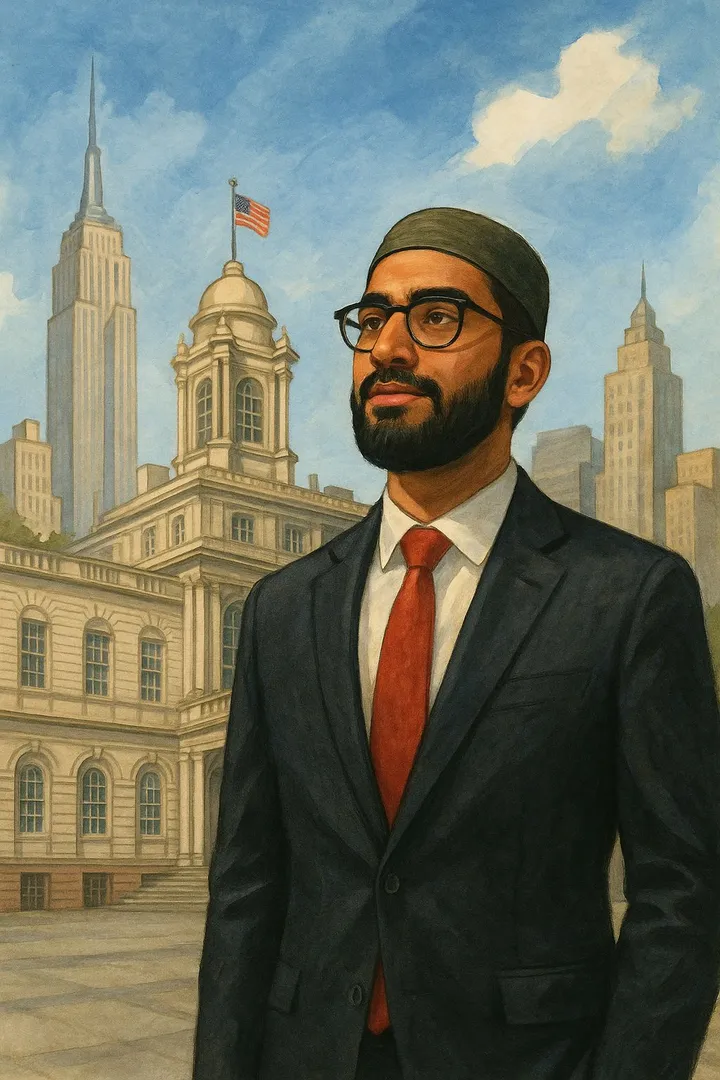
Housing affordability, living costs, public safety, and social stability are urgent and intertwined challenges for New York. Mamdani’s mandate carries both symbolic power and immense practical responsibility.
Success would position the city as a global reference point for progressive urban policy. Failure would be used as evidence against the viability of transformative political visions in major Western cities.
Mamdani enters office at a pivotal moment. His leadership will be closely watched not only across the United States but also internationally. Cities around the world are grappling with inequality, identity, security, and the balance between private markets and public responsibility.
New York has chosen a path defined by inclusion, ambition, and structural reform. The world will now see whether this promise can translate into durable change.
Kadir Duran
Contributing writer at EUReflect.
Follow EUReflect
See more of our reporting on Google
Mark EUReflect as a preferred source and our stories are ranked higher for you in Top Stories, Discover and Google News — and carry a “preferred” badge when they are cited in AI results.
Add EUReflect as a preferred source