Qatar’s LNG Diplomacy and the Reshaping of Energy Security in Europe: A Geopolitical Perspective
The Russia-Ukraine war highlighted Europe's energy vulnerabilities, positioning resource-rich countries like Qatar as crucial strategic allies for diversification. Qatar, holding the world's third-largest natural gas reserves, is leveraging its significant role in the Liquefied Natural Gas (LNG) market to forge long-term partnerships with Europe.
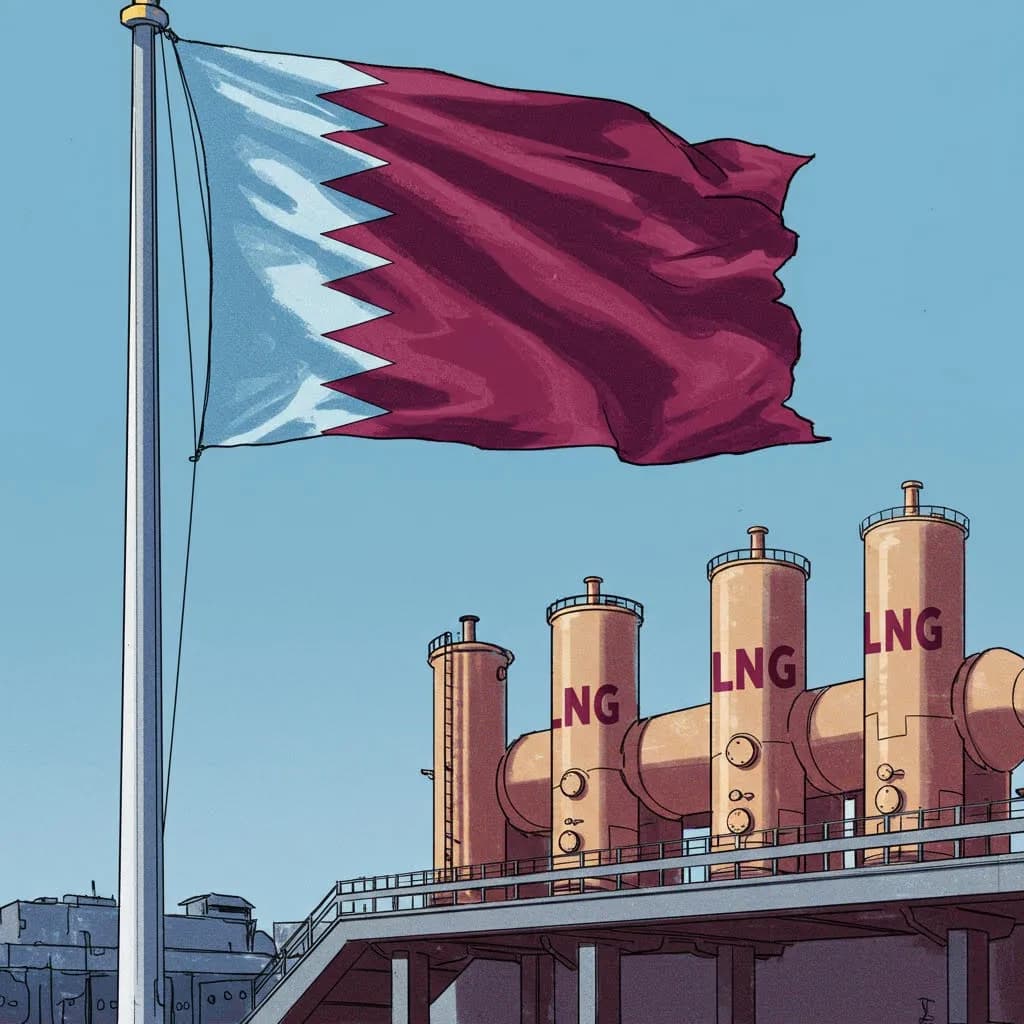
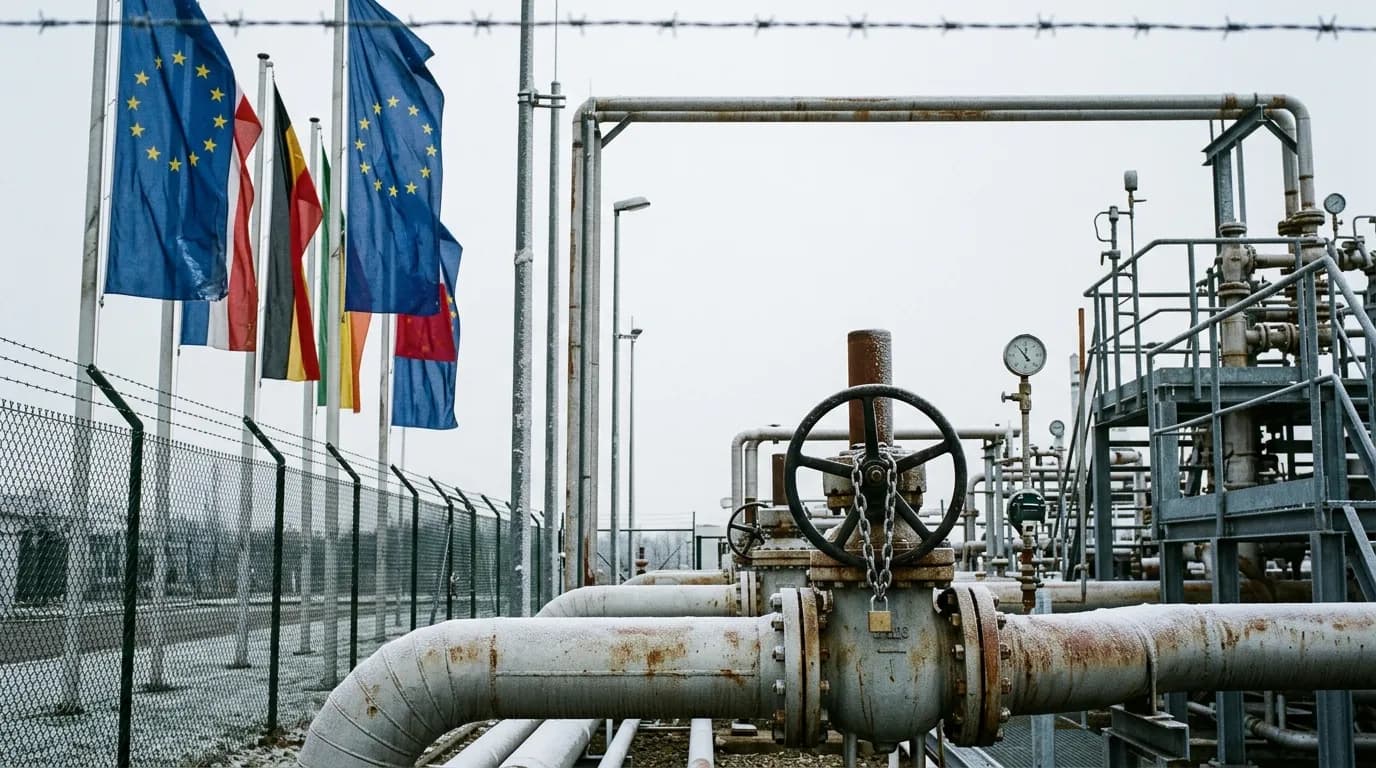
In the 21st century, energy security has emerged as one of the most strategically significant issues within the realms of international relations and the global economy. While states have increasingly promoted green energy initiatives, the security of fossil fuel supply, particularly natural gas, continues to occupy a central position in the geopolitical calculations and foreign policy priorities of both producer and consumer countries. The outbreak of the Russia–Ukraine war in 2022 exposed Europe’s vulnerabilities in energy supply and triggered a profound restructuring of the continent’s energy policies. In this context, resource-rich countries such as Qatar have come to the fore not only as economic partners but also as strategic allies in Europe’s quest for diversified and reliable energy sources.
Qatar occupies a pivotal position in the evolving global energy landscape due to its vast natural gas reserves and significant share in the global liquefied natural gas (LNG) market. Traditionally focused on the Asian market, Qatar has, in recent years, redefined its energy relations with Europe through long-term strategic partnerships centered on LNG trade. Consequently, it has become essential to scrutinize Qatar’s newly formed energy collaborations with Europe and assess their regional and global ramifications.
As of December 2022, Qatar possessed an estimated 843 trillion cubic feet (ft³) of proven natural gas reserves, ranking third globally after Russia and Iran. This volume accounts for approximately 11% of global proven reserves and nearly 30% of reserves in the Middle East. [1] Such a robust reserve base affords Qatar significant leverage in international energy markets and solidifies its role as one of the leading LNG exporters worldwide.
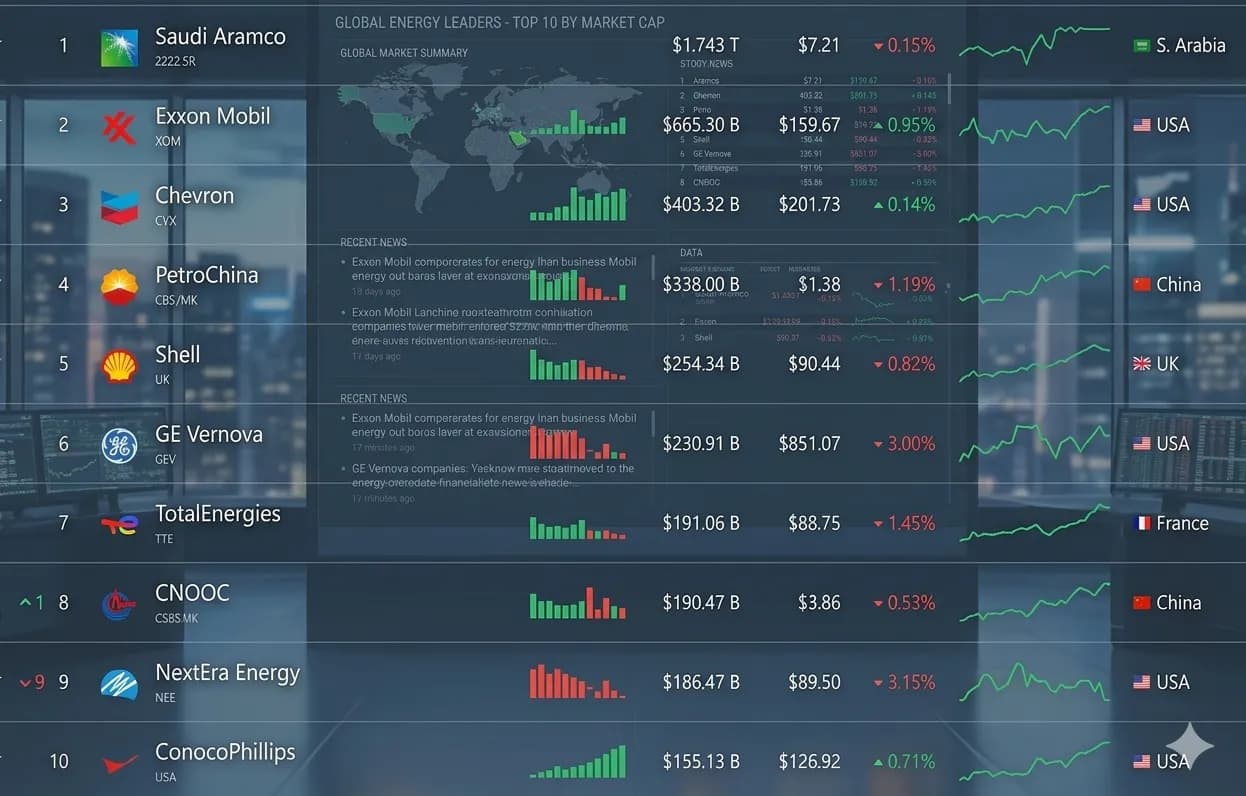
In 2023, Qatar significantly expanded its energy diplomacy with European partners, marking a new phase in its global energy strategy. QatarEnergy signed two 27-year LNG supply agreements with France-based TotalEnergies and Netherlands-based Shell, each stipulating the delivery of 3.5 million tonnes of LNG per annum starting from 2026. In addition, another long-term agreement was concluded with the Italian energy company Eni, under which 1 million tonnes of LNG will be exported to Italy annually. Beyond these agreements, Qatar’s energy partnership with the United Kingdom stands out as a particularly strategic development. QatarEnergy completed its 1,000th LNG shipment to the South Hook LNG Terminal in Wales via the Q-Max LNG carrier Mozah. The terminal has processed approximately 100 million tonnes of LNG to date an amount sufficient to supply every household in the UK with natural gas for nearly five years. Qatar’s expanding footprint in the UK market highlights its critical role in ensuring European energy security.[2]
The agreements between Qatar and European countries have implications that extend beyond commercial interests, bearing substantial weight in terms of international energy security and geopolitical competition. The European Union, in its efforts to reduce dependence on Russian energy imports, has actively pursued strategic partnerships with alternative, reliable suppliers. In this regard, Qatar presents a sustainable, cost-effective, and politically stable option for European energy diversification. [3]
These developments reflect not only Qatar’s identity as an energy exporter but also its growing diplomatic capacity at both regional and global levels. The energy relationships Qatar has forged with European states are transforming into strategic alliances, transcending mere economic transactions. Meanwhile, Europe’s increasing reliance on Qatari LNG is cultivating a new form of interdependence, reconfiguring energy policy into a multifaceted geopolitical issue rather than a purely economic one.
Qatar’s recent LNG-centered foreign policy and trade strategy has elevated the country from a resource-rich state to a decisive actor in the global energy equation. The long-term LNG agreements established with European nations contribute to Qatar’s market diversification goals while offering Europe a new and secure energy corridor.
These partnerships not only support Qatar’s economic diversification objectives but also expand its diplomatic maneuverability within the international system. The Qatari case offers a compelling model for how natural resources can be strategically employed as instruments of foreign policy. Ultimately, as the nexus between energy security and geopolitical strategy becomes increasingly salient, Qatar’s rising LNG diplomacy positions the country at the core of the emerging global energy order.
[1] “Qatar Analysis”, U.S. Energy Information Administration, 2023, https://www.eia.gov/international/analysis/country/QAT.
[2] “Annual Review of Qatar Energy” (Doha: Qatar Energy, 2023), 24, https://www.qatarenergy.qa/en/MediaCenter/Publications/QatarEnergy%20Annual%20Review%202023.pdf.
[3] Valeria Talbot, “Energy Politics in the MENA Region: From Hydrocarbons to Renewables?”, Italian Institute for International Political Studies: ISPI (blog), 2022, 93-99, https://www.ispionline.it/en/publication/energy-politics-mena-region-hydrocarbons-renewables-36797.

İsmail Polat
Ph. D. in International Relations
Follow EUReflect
See more of our reporting on Google
Mark EUReflect as a preferred source and our stories are ranked higher for you in Top Stories, Discover and Google News — and carry a “preferred” badge when they are cited in AI results.
Add EUReflect as a preferred source