Suriname Positions Ecotourism and Climate Leadership at Global Tourism Forum
Suriname highlighted its climate leadership and sustainable tourism vision at the Global Tourism Forum Davos 2026, as Vice President Gregory Allan Rusland presented ecotourism as a strategic pathway linking environmental protection, cultural heritage, and global cooperation.
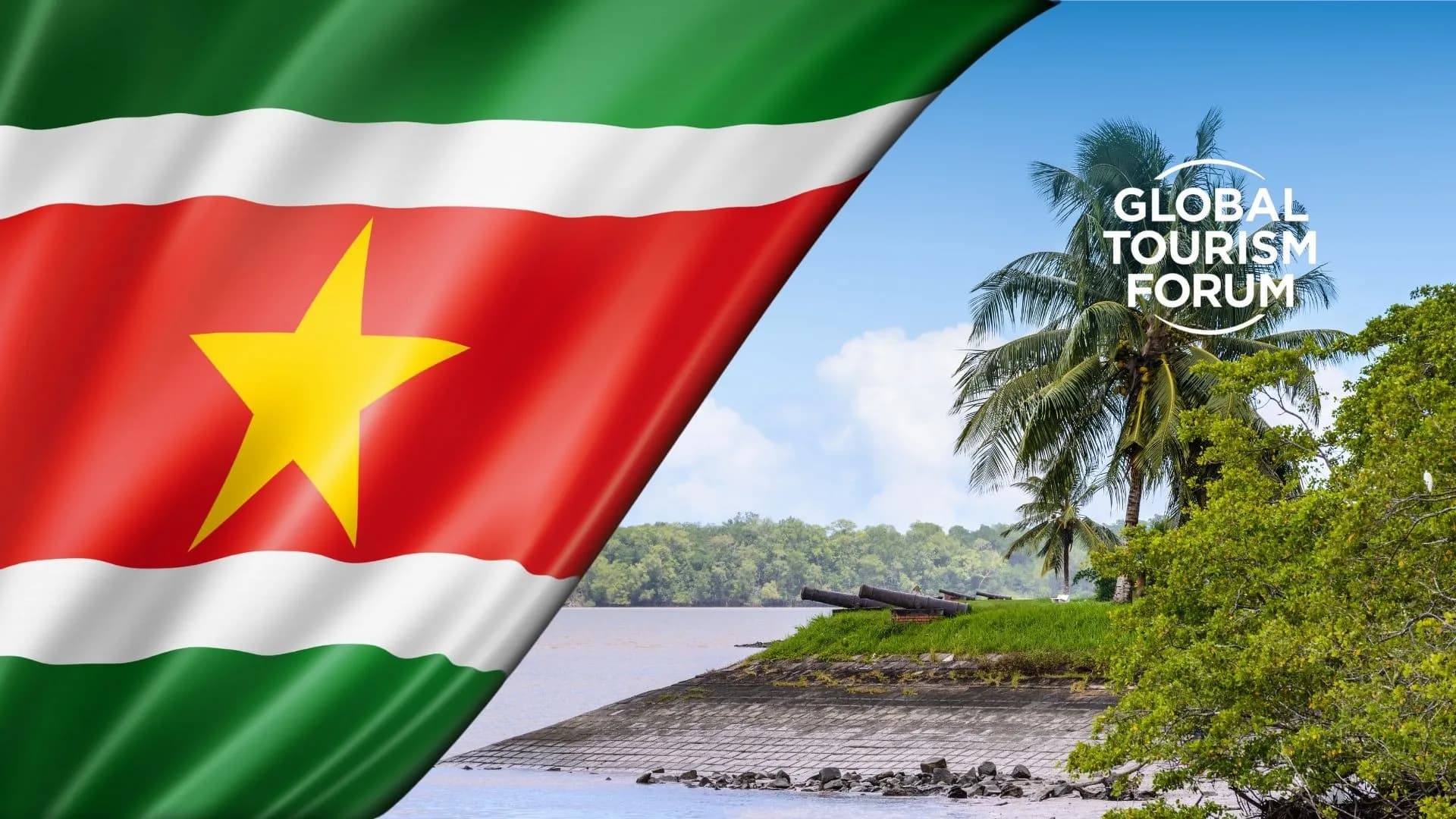
Suriname brought its distinctive voice on sustainability and responsible travel to the Global Tourism Forum Davos 2026, with Vice President Gregory Allan Rusland highlighting the country’s unique role at the intersection of tourism, climate leadership, and global decision-making. The forum was held during World Economic Forum Week in Davos under the overarching theme “A Spirit of Dialogue.”
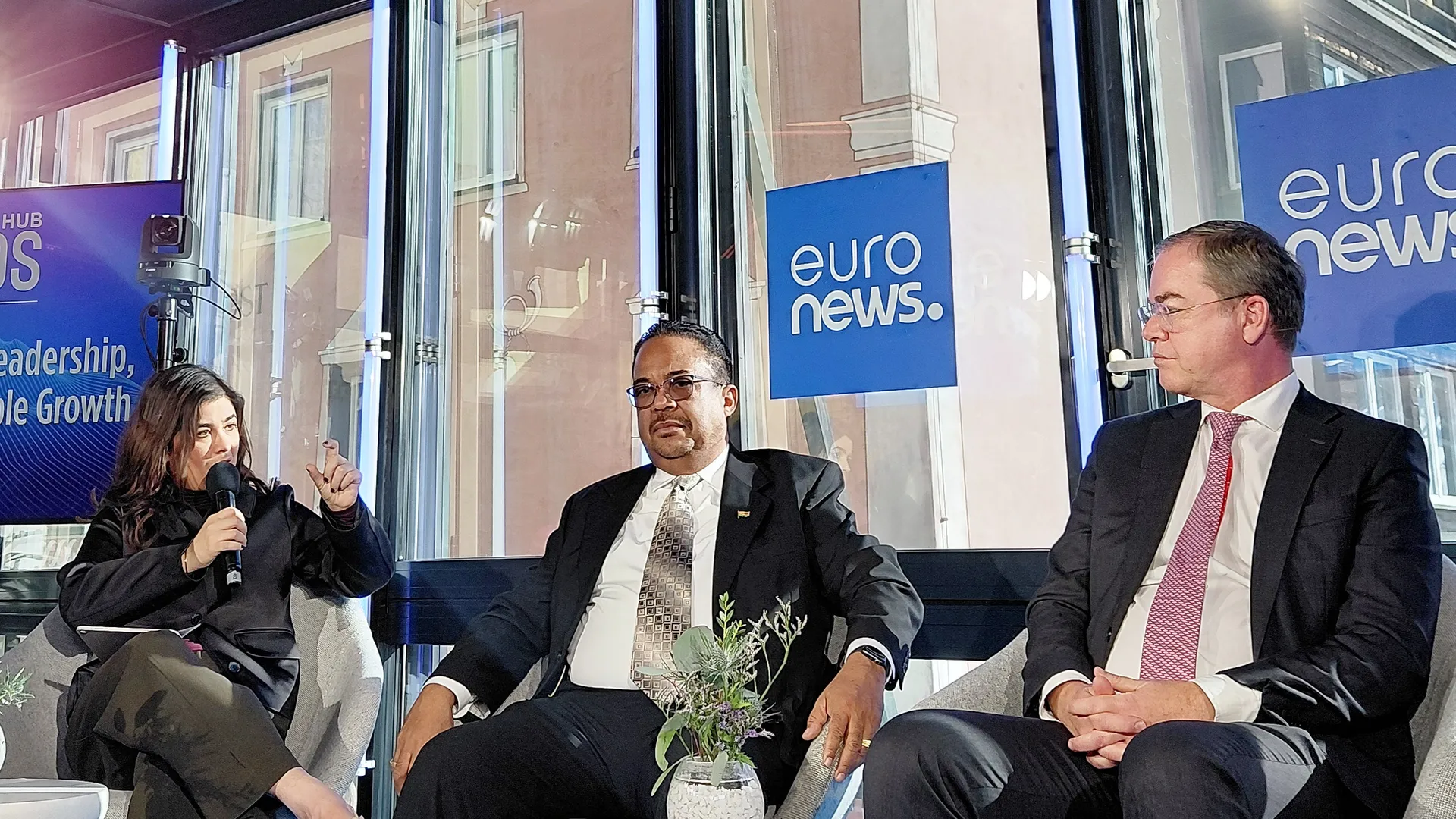
Addressing senior policymakers and global business leaders, Vice President Rusland emphasized Suriname’s status as one of the world’s few carbon-negative and carbon-neutral countries, noting its ambition to gain stronger recognition at international climate platforms for its outsized contribution to global environmental protection. With approximately 93 percent of its territory covered by tropical rainforest, Suriname presents a rare model where conservation, climate action, and economic opportunity converge.
Tourism, the Vice President underlined, is central to this model. Rather than pursuing mass tourism, Suriname is prioritizing high-value, low-impact ecotourism that preserves its natural capital while offering visitors an experience rooted in nature, tranquility, and authenticity. This approach, he noted, is designed to ensure that tourism development does not compromise the ecological advantages the country currently holds.
Vice President Rusland also drew attention to Suriname’s rich cultural diversity, shaped by a unique historical journey that has brought together communities from across the world. This multicultural heritage, combined with the country’s natural assets, positions Suriname as a distinctive destination for travelers seeking both environmental and cultural depth.
Highlighting Suriname’s inclusion on the natural heritage list and the preservation of its historic urban areas from the colonial period, the Vice President pointed to the country’s layered identity—where history, culture, and nature coexist. He stressed that these qualities create meaningful opportunities for sustainable investment and international partnerships.
Reaffirming Suriname’s openness to cooperation, Vice President Rusland invited global partners to engage in responsible tourism and green investment initiatives that align with the country’s long-term vision. His remarks resonated with the forum’s broader objective of elevating tourism as a strategic pillar of economic resilience, diplomacy, and climate-conscious development in an increasingly interconnected world.
EUReflect News
Site Administrator
Follow EUReflect
See more of our reporting on Google
Mark EUReflect as a preferred source and our stories are ranked higher for you in Top Stories, Discover and Google News — and carry a “preferred” badge when they are cited in AI results.
Add EUReflect as a preferred source