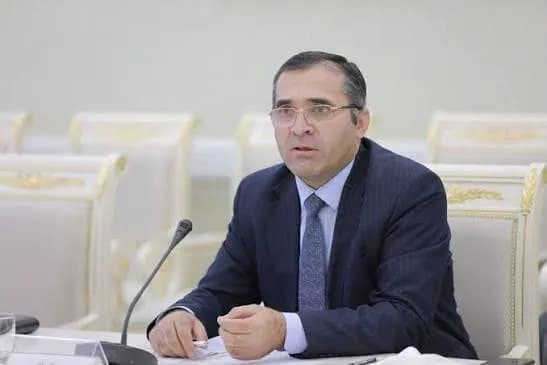
Central Asia’s growing economic potential, relative stability and strategic transport links are attracting major powers, while its countries balance competing interests through a multi-vector foreign policy. This article is based on a speech by Qodir Djurayev, Professor at the University of World Economy and Diplomacy in Tashkent.
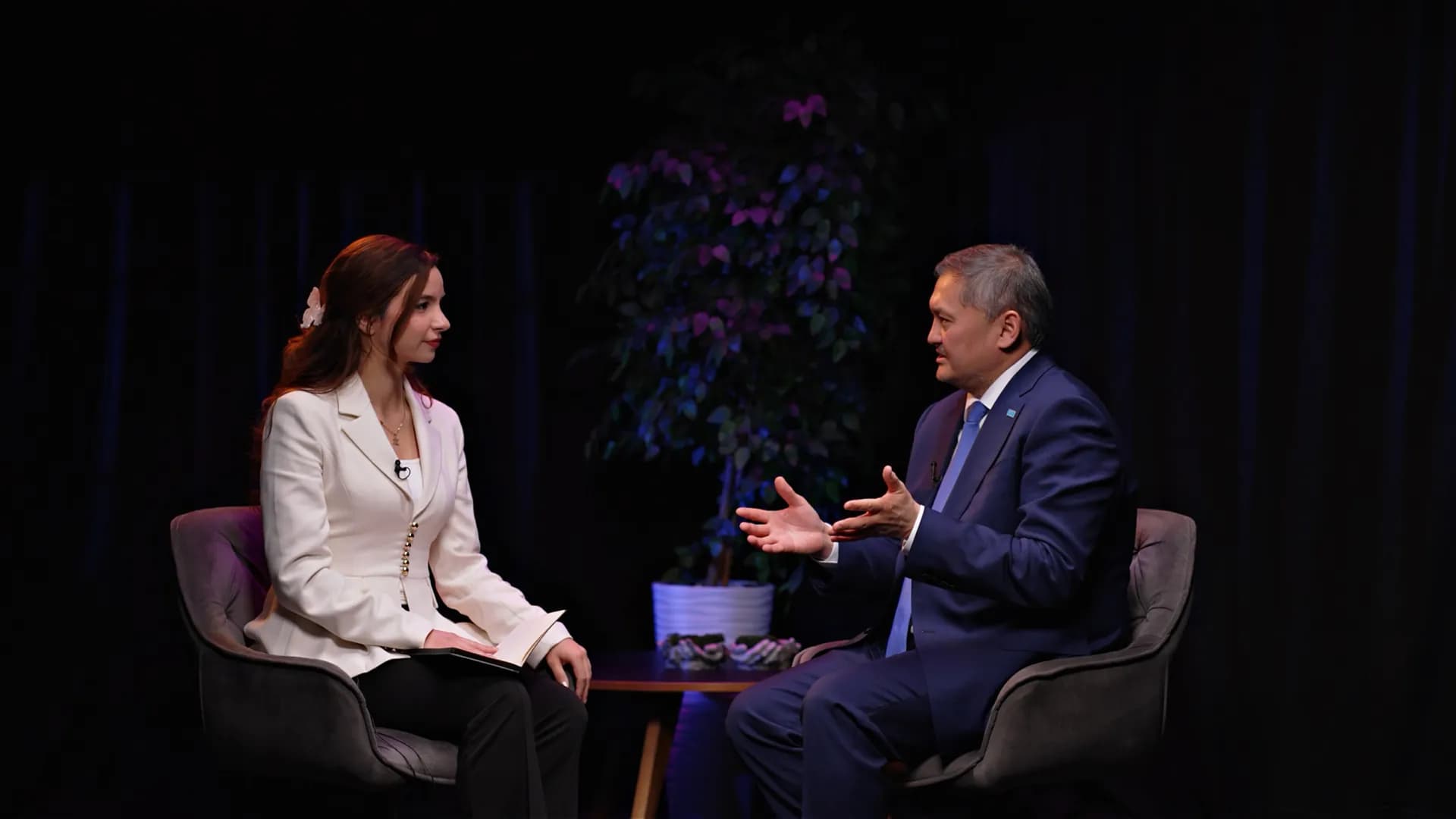
Derya Soysal interviewed His Excellency Sayasat Nurbek, Minister of Education of Kazakhstan, during the week of Digital Bridge 2026, hosted by Kazakhstan. The interview focused on artificial intelligence, education, Kazakhstan’s AI strategy, international university partnerships, and the future of higher education in Central Asia.
The first European World Akhal-Teke Championship in Kronenberg (4–6 September 2026) combined sport, culture and high-level diplomacy, positioning Turkmenistan’s legendary “heavenly horses” as a bridge between Central Asia and Europe.
Central Asia should no longer be seen only as a landlocked or transit region. The vision of “The Five Gates of Eurasia” presents Kazakhstan, Kyrgyzstan, Tajikistan, Turkmenistan and Uzbekistan as five sovereign gateways of peace, trust, connectivity and sustainable development at the heart of the continent.
Central Asia has long been called a bridge, a buffer, a heartland and a Silk Road region. But today, a new image is needed. “The Five Gates of Eurasia” presents Kazakhstan, the Kyrgyz Republic, Tajikistan, Turkmenistan and Uzbekistan as five complementary gateways linking Europe and Asia through modern, trusted and sustainable cooperation.