Technopsychology: When Technology Shapes the Mind
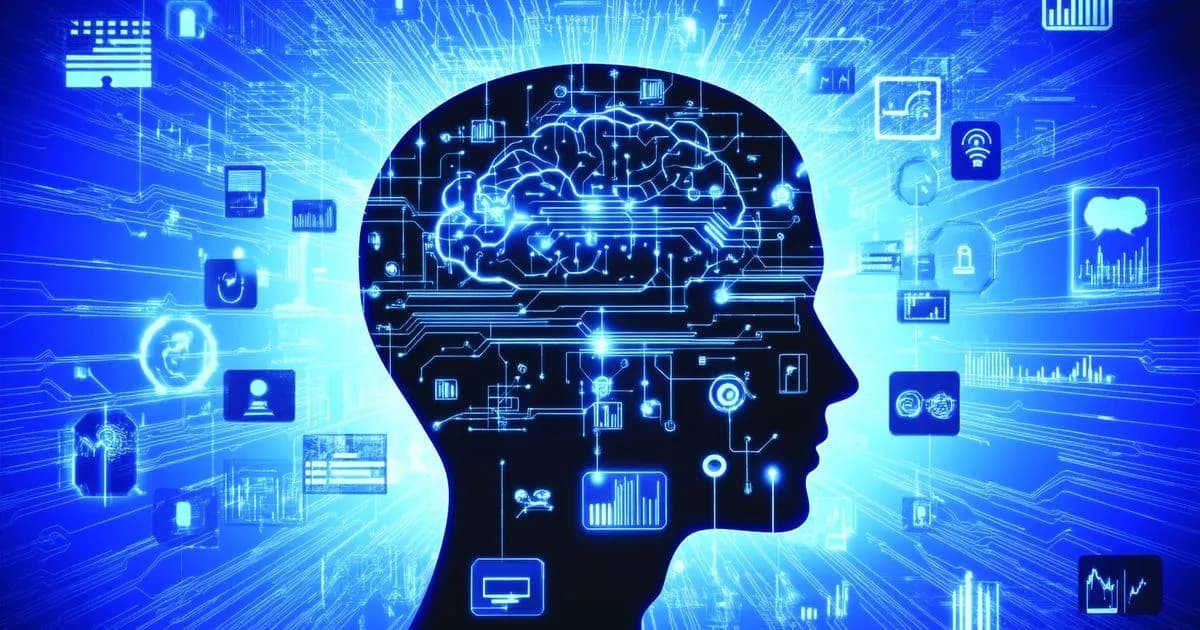
Technology is no longer simply something people use. A new theoretical approach called technopsychology argues that technology actively mediates how people think, remember, pay attention and interact with the world.
A New Psychological Lens
Psychology has traditionally examined technology from the outside. Computers, smartphones and other technologies were often treated as objects that people interact with rather than as elements that actively shape psychological processes.
A new theoretical framework called technopsychology challenges this assumption. Proposed in New Ideas in Psychology in 2025, the approach focuses specifically on the relationship between humans and technology and argues that technology should become a more central part of psychological theory.
The central idea is relatively simple: human psychology cannot always be understood separately from the technological environments in which people live.
From Tools to Mediators
Earlier approaches generally treated technology as an external object.
A person might use a smartphone to communicate, a computer to store information or a navigation system to find a location. In this view, the psychological process occurs primarily inside the individual, while technology provides an external tool.
Technopsychology proposes a different perspective.
Technology can actively mediate what people perceive, remember, attend to and do. The smartphone, for example, does not simply provide access to information. Notifications can redirect attention, algorithms can determine which information becomes visible, and digital interfaces can influence how people organize their activities.
Technology therefore becomes part of the environment through which psychological processes are enacted.
The Role of the Body
One of the foundations of technopsychology is a renewed emphasis on human embodiment.
The approach argues that psychological processes should not be separated from the physical body and material environment. Human beings do not experience technology as abstract information alone; they interact with devices through their bodies.
Touchscreens are touched. Headphones alter auditory experience. Wearable devices continuously collect bodily information. Virtual environments change how people move and perceive space.
This means that technology can influence psychological experience partly because it changes the material conditions in which human behaviour occurs.
Attention Is Changing
Attention provides one of the clearest examples.
Traditional psychological theories can examine attention as a cognitive capacity: how people select information, maintain focus or shift between stimuli.
But contemporary digital environments introduce another dimension.
People now operate in environments deliberately designed to compete for attention. Notifications, recommendations, infinite scrolling and personalized content can continuously alter what enters a person's attentional field.
From a technopsychological perspective, this is not simply a question of whether technology distracts people.
The deeper question is:
How does technology participate in constructing the conditions under which attention occurs?
That question moves the discussion from individual self-control toward the interaction between people and technological environments.
Memory Is Changing Too
Technology also challenges traditional assumptions about memory.
People increasingly store phone numbers, appointments, photographs, documents and directions externally. Search engines and digital archives allow information to be retrieved without being internally memorized.
This does not necessarily mean that technology simply makes human memory weaker.
Instead, it may change what people need to remember.
If external systems reliably store information, human cognition may allocate resources differently. Knowing where information can be found may become more important than remembering the information itself.
Technopsychology therefore encourages researchers to examine memory as a process distributed across human beings and their material environments rather than as an entirely internal capacity.
Agency in a Digital World
The theory also raises an important question about human agency.
People make choices when using technology, but technological systems increasingly influence which choices become visible or convenient.
A recommendation algorithm can determine which video appears next. A navigation system can suggest a particular route. A social platform can prioritize certain posts over others.
The individual still makes decisions, but those decisions occur within an environment partially structured by technological systems.
Technopsychology therefore describes human agency as increasingly technologically mediated.
Beyond Technology Use
The significance of technopsychology is that it does not simply ask whether technology is good or bad for people.
Instead, it proposes a different theoretical starting point.
Rather than separating humans and technology into two independent categories, researchers can examine how the two become interconnected during everyday activities.
This perspective could eventually influence research into attention, memory, social behaviour, identity and even prejudice. The 2025 framework specifically argues that psychological phenomena such as attention, memory, racism and sexism can be examined as processes enacted through human–technology relationships.
A New Question for Psychology
The emergence of technopsychology reflects a broader change in psychological theory.
The question is no longer simply:
“How does technology affect people?”
A more fundamental question is:
“How does technology participate in shaping psychological life?”
That distinction matters.
The first question treats technology as an external cause and the human mind as the primary object of study. The second considers humans and technological environments as interconnected components of psychological experience.
As digital systems become increasingly embedded in everyday life, this theoretical shift could become increasingly important.
Technology may no longer be merely something psychology studies.
It may become part of the environment through which psychology itself is understood.
Ipek Tuncer
M.A. in International Relations
Follow EUReflect
See more of our reporting on Google
Mark EUReflect as a preferred source and our stories are ranked higher for you in Top Stories, Discover and Google News — and carry a “preferred” badge when they are cited in AI results.
Add EUReflect as a preferred source