The Leadership of China and Uzbekistan in the Repatriation of Ethnic Kazakhs to Their Ancestral Homeland
Since 1991, Kazakhstan has welcomed over 1.15 million ethnic Kazakhs back to their ancestral homeland under the “kandas” program. With repatriation numbers continuing to rise in 2025, the initiative stands as a key pillar of Kazakhstan’s post-Soviet diaspora and identity policy.
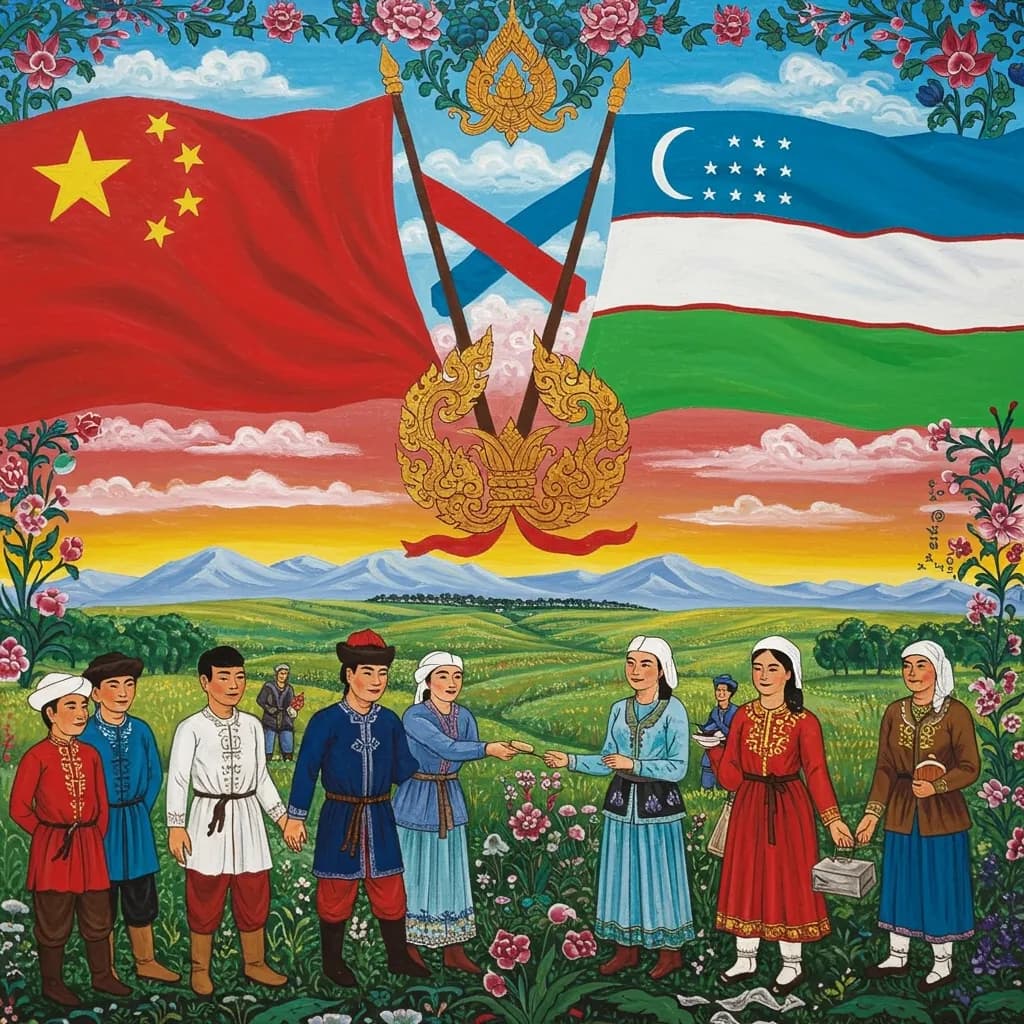
The Republic of Kazakhstan continues to witness one of the most notable repatriation initiatives in the post-Soviet space. According to the Ministry of Labor and Social Protection of the Population, more than 1.152 million ethnic Kazakhs have returned to their ancestral homeland under “kandas” status since the country’s independence in 1991. This figure is widely considered a tangible outcome of Kazakhstan’s post-independence diaspora engagement and repatriation strategy.[1]
In just the first four months of 2025, an additional 4,427 individuals were officially granted kandas status. Between December 1, 2024, and May 1, 2025, approximately 5,600 people were repatriated—an increase of 0.5% over the preceding cumulative total. The upward trend indicates sustained momentum in the country’s efforts to attract ethnic Kazakhs living abroad.[2]
Countries of Origin: China and Uzbekistan Dominate the Return Flow
According to the latest government data, the majority of repatriates in 2025 have arrived from the following countries:
China – 45.8%
Uzbekistan – 40.9%
Turkmenistan – 5.4%
Mongolia – 3.0%
Russia – 2.3%
Other countries – 2.6%
These figures suggest that ethnic Kazakh communities in China and Uzbekistan remain the primary contributors to the modern repatriation movement. Scholars note that socio-political and economic factors, particularly in Xinjiang and post-Soviet Central Asia, continue to influence migration decisions among ethnic Kazakhs.
Who Are the Returnees? A Demographic and Educational Profile
As of May 1, 2025, 59.7% of returnees are of working age, underscoring the demographic vitality of the kandas population. The educational breakdown is as follows:
17.4% hold higher education degrees
26.8% have completed vocational secondary education
53.6% possess general secondary education
2.2% have no formal education
Additionally, 31.9% of returnees are minors, and 8.4% are of retirement age. The high proportion of working-age adults and school-aged children points to a young, productive, and future-oriented demographic influx, which carries significant implications for both the national labor market and social policy planning. make a comment on this essay by nation building and demografy
Nation-Building Perspective
Kazakhstan’s systematic effort to repatriate over 1.15 million ethnic Kazakhs since independence is not merely a population policy—it is a nation-building strategy in action. By legally recognizing returnees as “kandas” (a term rich with cultural and historical connotation), the state affirms an ethnonational identity rooted in ancestral connection and post-Soviet reconstruction. This policy reinforces Kazakhstan’s vision of consolidating a cohesive national community that transcends contemporary borders and Soviet-era dispersals.
Importantly, the concentration of returnees from China and Uzbekistan—regions with deep Kazakh historical and cultural ties—demonstrates Kazakhstan’s intent to reclaim its diaspora and re-anchor national identity through population reintegration. This process not only strengthens internal unity but also enhances Kazakhstan’s cultural sovereignty and soft power in the region.
Demographic Perspective
Demographically, the influx of kandas presents a youthful and economically active population profile. With nearly 60% of returnees being of working age and 31.9% minors, the kandas population contributes to rejuvenating the national demographic structure—a critical asset in a region increasingly challenged by aging populations and labor shortages.
The education profile further underscores the strategic potential of this group. While only 17.4% possess higher education, the substantial proportion with vocational and general secondary education suggests a labor force ready for integration into mid-skill industries. This could be pivotal for Kazakhstan’s industrial diversification goals and regional development strategies.
In sum, Kazakhstan’s kandas policy exemplifies how demographic engineering and diaspora integration can be harnessed for long-term nation-building. It is a model of strategic repatriation with clear implications for cultural cohesion, human capital development, and geopolitical positioning in post-Soviet Eurasia.
[1]Kazakhstan Encourages Ethnic Kazakhs to Return to Historical Homeland https://timesca.com
Botakoz Unbayeva
Contributing writer at EUReflect.
Follow EUReflect
See more of our reporting on Google
Mark EUReflect as a preferred source and our stories are ranked higher for you in Top Stories, Discover and Google News — and carry a “preferred” badge when they are cited in AI results.
Add EUReflect as a preferred source