The Political Thought and Islamic Legal Perspective of Dr. Muhammad Mukhtar Al-Shinqiti
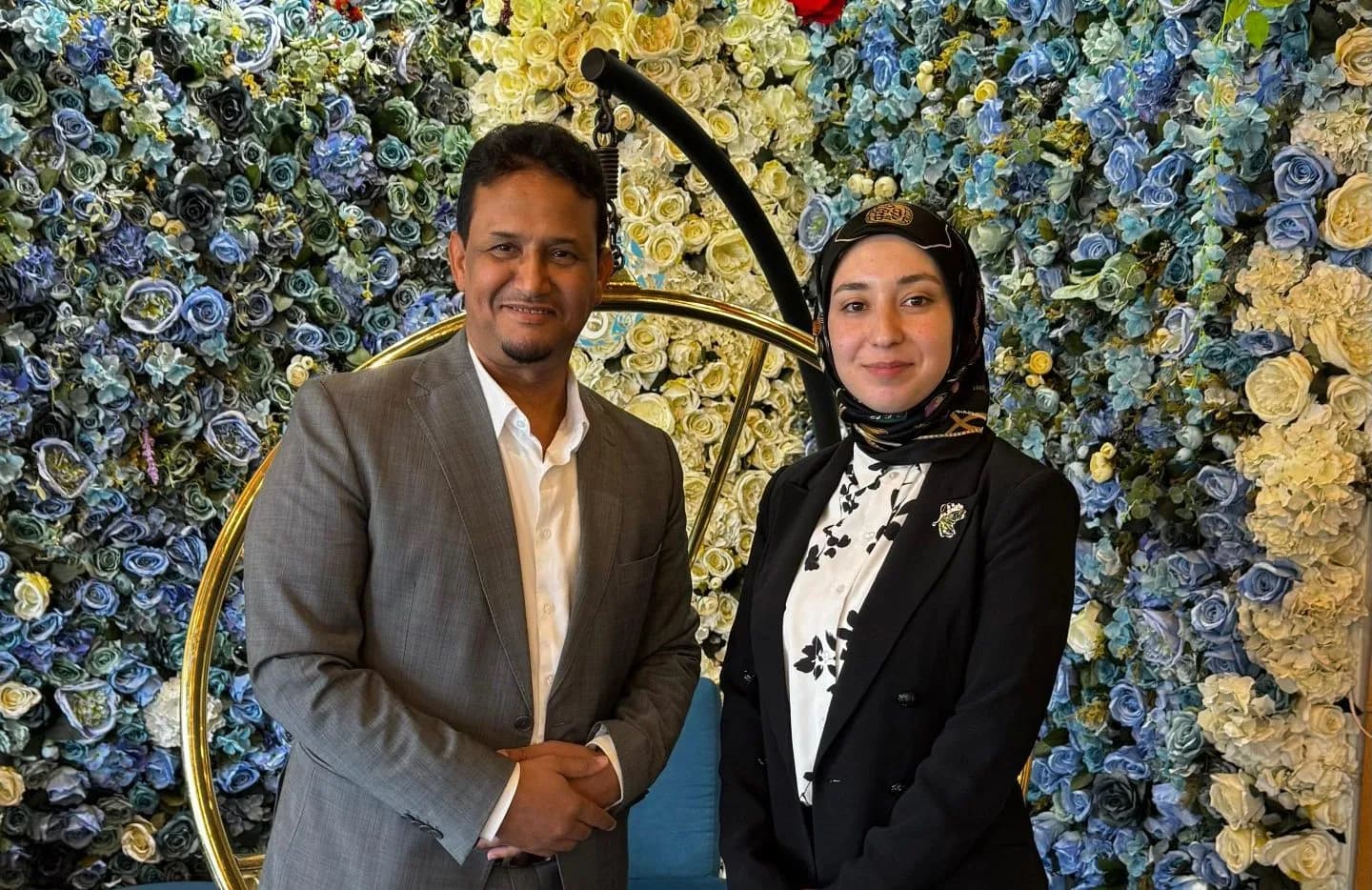
Dr. Muhammad Mukhtar al-Shinqiti is a distinguished scholar in contemporary Islamic thought, particularly noted for his approach to political theory, legal legitimacy, and the interplay between governance and moral values. Originally from Mauritania, al-Shinqiti received his foundational training in classical Islamic sciences at the Islamic University of Madinah, followed by advanced studies—at the master’s and doctoral levels—in the United States, specializing in modern political theory, democracy, and human rights. This dual academic formation enabled him to develop a perspective rooted in the Qur’an and Sunnah while remaining in critical dialogue with contemporary political and legal theories.
Al-Shinqiti treats historical experience not merely as a source of reference but as an object of critical analysis. In his view, the Islamic political paradigm is not confined to regulating the relationship between ruler and ruled; it is, above all, a value-oriented framework aimed at eradicating injustice, establishing justice, safeguarding popular will, and protecting fundamental freedoms. Consequently, the political dimension of Islamic law should not be restricted to normative rulings alone but must be anchored in the preservation of public welfare (maslahah) and the accountability of rulers to their constituencies.
The Centrality of Justice, Shūrā, and Maslahah
At the core of al-Shinqiti’s approach lie the principles of justice (ʿadl), consultation (shūrā), and public interest(maslahah). Justice, in his thought, constitutes the supreme objective of divine revelation, and the legitimacy of political authority is to be measured by the extent to which it serves this end. Shūrā is conceptualized not merely as a consultative mechanism but as a participatory process that legitimizes governance through societal consent. Maslahah, in turn, is interpreted in a broad sense, encompassing both the protection of individual rights and the maintenance of social stability.
While drawing upon the classical juristic theories of the caliphate, al-Shinqiti critiques their reliance on hereditary succession, coercive force, or mere possession of power as sources of legitimacy. Instead, he argues that political legitimacy in Islam can only be grounded in shūrā, societal consent, and the rule of law. This view challenges absolutist interpretations of “legitimate authority” and “obedience” found in traditional jurisprudence, offering instead a democratic, transparent, and participatory model of governance.
Critique of Authoritarianism and the Arab Spring Context
Al-Shinqiti’s political discourse gained particular prominence during the Arab Spring, when his speeches and writings openly criticized the claims of religious legitimacy advanced by authoritarian regimes in the Muslim world. He asserted that arbitrary governance, which disregards the will of the people, is irreconcilable with the Islamic principles of justice and maslahah. For al-Shinqiti, the ultimate criterion in politics is the realization of public interest—one that safeguards not only state stability but also the rights and freedoms of individuals.
Through this lens, he reinterprets the political provisions of Islamic law in a way that shifts the focus from ruler-centric governance to society-centered governance. In doing so, he demonstrates that Islamic legal principles are not inherently at odds with democratic aspirations; rather, these aspirations can find their normative foundation within the Qur’anic and Prophetic framework, provided that justice and maslahah remain central.
Bridging Classical Heritage and Modern Demands
Al-Shinqiti’s methodology is characterized by a commitment to engaging with the classical fiqh tradition while addressing the pressing political and legal challenges faced by contemporary Muslim societies. His intellectual project draws inspiration from the caliphal theories of the jurists but reconfigures them to align with modern standards of political pluralism, human rights, and the rule of law. This approach thus preserves continuity with the Islamic scholarly heritage while opening space for innovation and adaptation in light of changing socio-political realities.[1]
Conclusion
In sum, the political thought of Dr. Muhammad Mukhtar al-Shinqiti represents a distinctive synthesis of Islamic legal principles and contemporary political philosophy. His ideas contribute a novel perspective to the ongoing debates over political legitimacy in the Muslim world and help to revive the principles of justice, shūrā, and maslahah as normative foundations for governance. This synthesis not only safeguards the classical Islamic legacy but also supports the aspirations of modern Muslim societies for freedom, equality, and justice. By situating Islamic law in constructive dialogue with contemporary human rights discourse, al-Shinqiti offers a compelling intellectual model for reconstructing the political vision of Islam in the twenty-first century.
Aysenur Karagoz
Contributing writer at EUReflect.
Follow EUReflect
See more of our reporting on Google
Mark EUReflect as a preferred source and our stories are ranked higher for you in Top Stories, Discover and Google News — and carry a “preferred” badge when they are cited in AI results.
Add EUReflect as a preferred source