Türkiye’s Nuclear Turning Point: The Strategic Role of Small Modular Reactors (SMRs)
Türkiye is entering a decisive phase in its nuclear energy policy with its commitment to develop and deploy Small Modular Reactors (SMRs). Recognized globally as one of the most significant innovations in nuclear technology, SMRs provide advantages in cost efficiency, flexibility, safety, and scalability compared to traditional reactors.
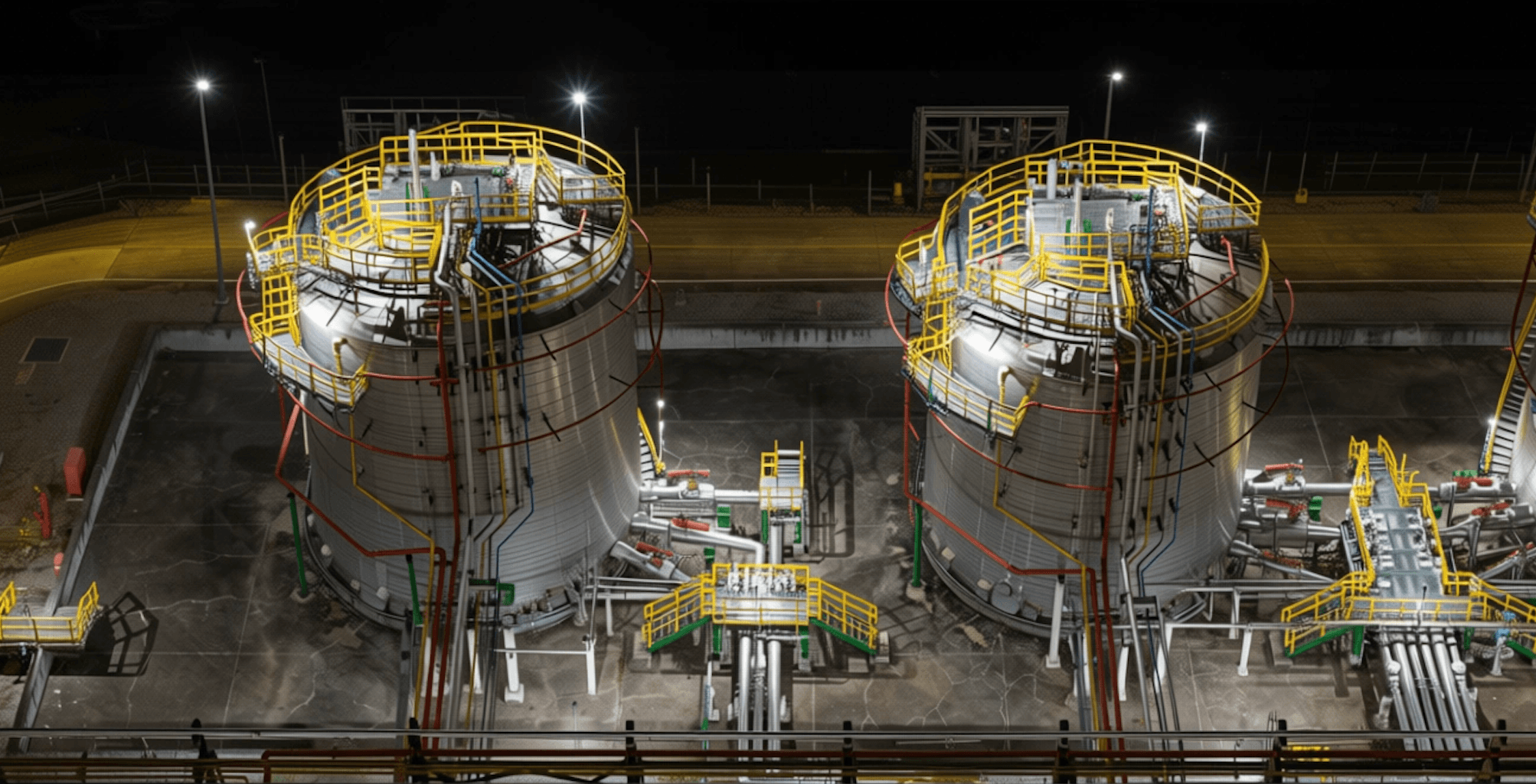
Energy security remains one of the most critical challenges of the 21st century. For emerging economies such as Türkiye, increasing electricity demand—expected to triple over the next three decades—requires innovative and sustainable solutions. Nuclear energy has historically been framed as both an opportunity and a challenge. While large-scale nuclear power plants deliver high capacity, they involve long construction periods, high costs, and complex safety concerns. Small Modular Reactors (SMRs), on the other hand, offer a paradigm shift by combining scalability, modularity, and safety.
In March 2025, Turkish President Recep Tayyip Erdoğan announced the establishment of a national nuclear technopark, stating that “Türkiye will develop its own modular nuclear reactors.” This declaration marked the beginning of a new strategic direction in the country’s nuclear program, positioning SMRs as a core element of future energy planning.
Advantages of SMRs
According to Prof. Dr. Gürkan Kumbaroğlu of Boğaziçi University, SMRs present a cost-effective, modular, and flexible energy solution. With capacities up to 300 MW—roughly one-third of conventional reactors—SMRs can be rapidly deployed in smaller areas. Their modular design allows for incremental expansion, simplified transportation, and easier installation, which collectively reduce costs. These attributes make SMRs highly adaptable to national needs, including energy diversification, industrial use, and grid stability.
Türkiye’s Strategic Vision
Türkiye’s Minister of Energy and Natural Resources, Alparslan Bayraktar, outlined the country’s nuclear roadmap:
By 2035, Türkiye aims to commission 7 GW of nuclear capacity.
With the addition of SMRs, capacity could reach 20 GW by 2050.
This trajectory aligns with Türkiye’s long-term goal of reducing dependency on fossil fuels, enhancing energy independence, and supporting sustainable economic growth.
The Role of the Defense Industry
A unique aspect of Türkiye’s SMR strategy is the potential involvement of national defense industry companies. In recent years, Türkiye’s defense sector has proven its ability to innovate in high-technology domains, from aerospace to unmanned systems. Experts suggest that a similar contribution could emerge in SMR development, particularly in advanced materials, modular design, and secure technology transfer. This potential civil-defense collaboration reflects Türkiye’s broader model of public-private partnerships in critical infrastructure.
International Context
Globally, SMR interest is accelerating, with 51 designs currently undergoing licensing processes in 15 countries. Türkiye has already been linked to possible cooperation with American firms, while simultaneously emphasizing local capacity-building. This dual-track approach—balancing international partnerships with domestic industrial mobilization—demonstrates Türkiye’s ambition to enter the global nuclear value chain.
Academic and Policy Discourse
The International Association for Energy Economics (IAEE) is expected to highlight SMRs during its Middle East and Central Asia Conference in Antalya (December 2025). Hosting such an event signals Türkiye’s aspiration not only to adopt SMRs but also to become a regional hub for nuclear policy discussions.
Conclusion
Türkiye’s move toward SMRs signifies more than a technological upgrade; it represents a strategic inflection point in the country’s energy policy. By embracing modular nuclear solutions, Türkiye seeks to address its growing energy demand, reduce external dependency, and position itself as a technological innovator in the global nuclear sector. If successfully implemented, SMRs may indeed mark a “nuclear renaissance” for Türkiye, transforming energy security into a cornerstone of national resilience and sustainable development.
Botakoz Unbayeva
Contributing writer at EUReflect.
Follow EUReflect
See more of our reporting on Google
Mark EUReflect as a preferred source and our stories are ranked higher for you in Top Stories, Discover and Google News — and carry a “preferred” badge when they are cited in AI results.
Add EUReflect as a preferred source