Trump–Netanyahu Meeting Signals a New Phase in U.S.–Israel Strategy Toward Iran
President Donald Trump and Israeli Prime Minister Benjamin Netanyahu held high-level talks focused on Iran's nuclear program, regional security, Gaza, and strategic cooperation. The meeting underscored continued U.S.-Israel coordination amid persistent Middle East tensions.
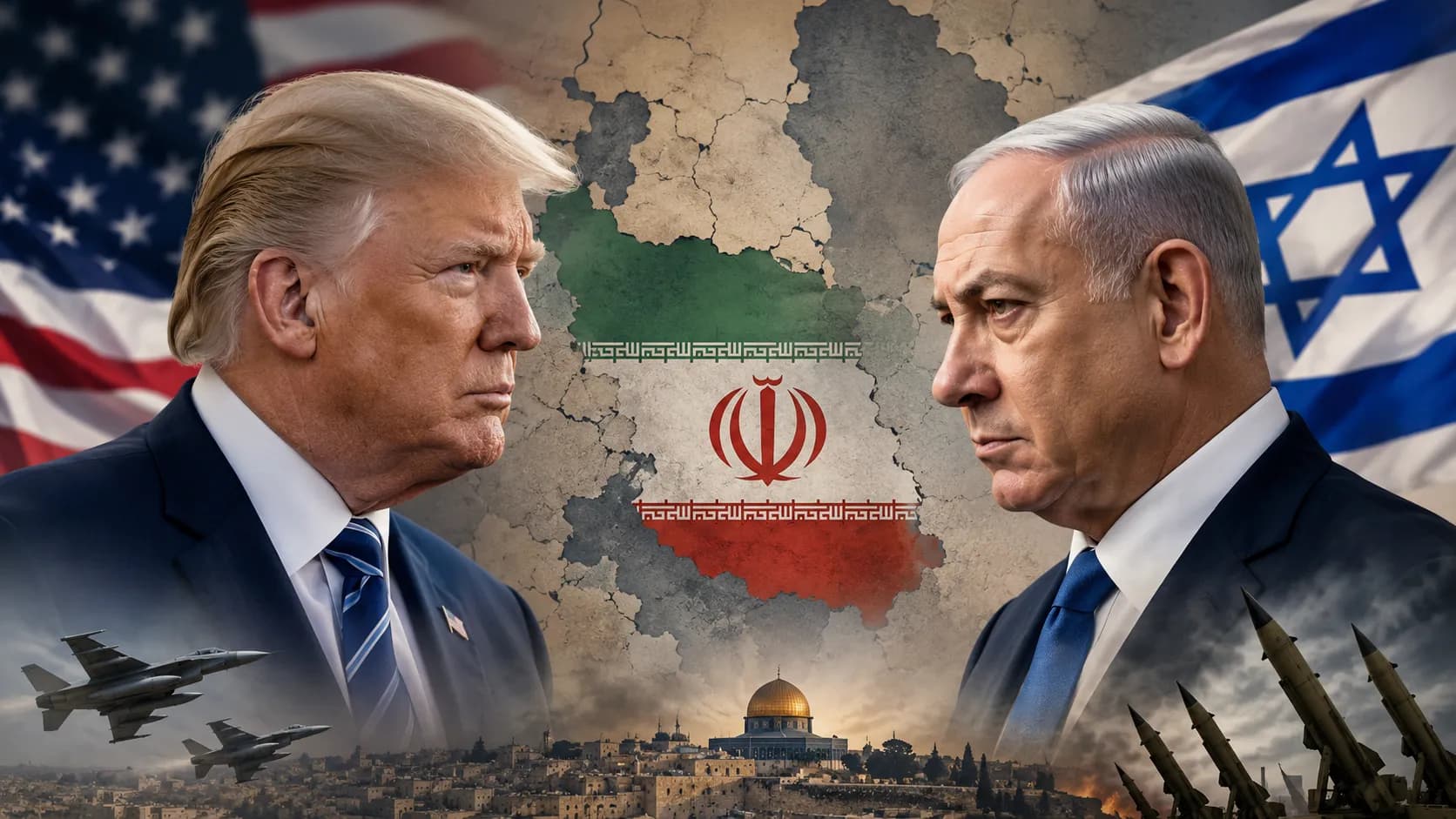
The latest meeting between U.S. President Donald Trump and Israeli Prime Minister Benjamin Netanyahu has reinforced a message that has been growing clearer in recent months: Iran remains the central strategic concern shaping security policy in the Middle East. While Gaza continues to dominate humanitarian discussions and regional headlines, the White House talks demonstrated that Washington and Jerusalem are increasingly focused on Iran's military capabilities, nuclear ambitions, and long-term regional influence.
Although the meeting concluded without a major policy announcement, its significance lies less in immediate decisions and more in the strategic direction it reveals. High-level diplomatic engagements often serve as indicators of future policy, and this summit suggests that the United States and Israel are seeking to align their approaches before regional tensions escalate further.
According to officials familiar with the discussions, Trump and Netanyahu reviewed a broad range of policy options concerning Iran, including diplomatic initiatives, economic pressure, intelligence cooperation, and military contingency planning. Israeli officials emphasized that while military scenarios were discussed, no immediate decision was taken, underscoring that diplomacy remains part of the current approach.
The talks also covered the ongoing conflict in Gaza and wider regional security challenges. However, the prominence of Iran throughout the discussions highlighted a shift in priorities. Rather than concentrating solely on current conflicts, both governments appear increasingly concerned with preventing future strategic threats that could reshape the regional balance of power.
The timing of the meeting is equally significant. The Middle East continues to experience heightened uncertainty following months of military confrontations, proxy conflicts, and diplomatic efforts involving several regional and international actors. In this environment, coordination between Washington and Jerusalem becomes a critical element of broader security planning.
From a geopolitical perspective, the meeting reflects an effort to strengthen deterrence rather than signal an imminent military confrontation. Publicly discussing various policy options—including diplomacy and contingency planning allows both governments to project readiness while avoiding commitments that could unnecessarily escalate tensions.
The discussions also send an important message beyond Iran. Regional partners and rivals alike will closely monitor the degree of policy coordination between the United States and Israel. A unified strategic position may influence calculations in Tehran, while also shaping the diplomatic approaches of Gulf states and European allies seeking regional stability.
Another important dimension is the economic impact of continued uncertainty. Even without direct military action, prolonged geopolitical tensions in the Middle East can affect global energy markets, investor confidence, and international trade routes. As a result, decisions taken in Washington and Jerusalem have implications that extend well beyond regional politics.
Finally, the summit demonstrates that security policy in the Middle East is increasingly driven by long-term strategic competition rather than isolated crises. Governments are preparing not only for today's challenges but also for potential scenarios that could emerge over the coming years.
Conclusion
The Trump–Netanyahu meeting did not produce dramatic announcements or immediate policy shifts. Nevertheless, it offered valuable insight into how both governments currently assess the regional security environment. Iran remains at the center of U.S.–Israel strategic planning, while diplomacy, deterrence, and close bilateral coordination continue to define their approach.
Whether this strategy succeeds will depend largely on future diplomatic developments and Iran's own policy choices. For now, the meeting signals continuity rather than confrontation but it also confirms that the Middle East's strategic landscape remains highly fluid, requiring careful coordination among regional and international actors.
Ipek Tuncer
M.A. in International Relations
Follow EUReflect
See more of our reporting on Google
Mark EUReflect as a preferred source and our stories are ranked higher for you in Top Stories, Discover and Google News — and carry a “preferred” badge when they are cited in AI results.
Add EUReflect as a preferred source